
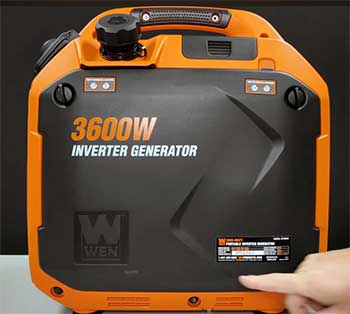
If you are standing on the fence between buying a Pulsar or a WEN generator, I completely understand the hesitation. Both brands promise incredible power at a fraction of the cost of the big names, but you need to know which one will actually start when the lights go out. My goal in this article is to cut through the marketing noise and give you a raw, honest comparison based on performance, durability, and features. I will help you determine which of these budget-friendly heavyweights is the right investment for your home or camping trips.
A Brief Comparison Table
| Feature | WEN Generators (General) | Pulsar Generators (General) |
| Primary Manufacturing Origin | China (US Design/Support) | China (US Distribution) |
| Price Point | Extremely Competitive (Budget King) | Very Low (High Wattage per Dollar) |
| Fuel Flexibility | Mostly Gas (Dual Fuel available) | Dual Fuel is a Common Standard |
| Noise Level | Whisper Quiet (51-57 dBA) | Moderate (Slightly Louder) |
| Key Advantage | Fuel Shutoff Feature (Reliability) | Switch & Go Technology (Ease of use) |
| Warranty | 2-Year Limited | 1-Year Limited (typically) |
| Engine Tech | OHV (Yamaha-Clone Style) | OHV (Ducar or similar generic) |
| Portability | Excellent (Compact/Lightweight) | Good (Slightly Bulkier/Heavier) |
| Best For | Quiet Camping, DIY Backup | Tailgating, Budget Heavy Loads |
My Experience With WEN Generator
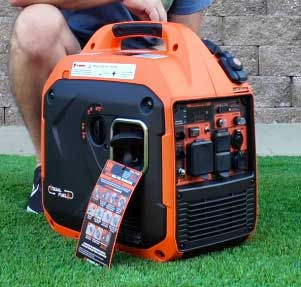
When I first got my hands on a WEN inverter generator, specifically the 56200i, I was looking for something that wouldn’t break the bank but also wouldn’t wake up the entire campground.
I had heard the rumors that WEN was the “Honda killer” for the budget market, and I wanted to see if the hype was real.
Right out of the box, the orange and black casing felt surprisingly sturdy. It didn’t feel like a cheap toy; it felt like a tool.
The defining moment for me was during a late-fall tailgating party. I needed to run a TV, a slow cooker, and charge several phones. The WEN fired up on the very first pull—a relief, honestly—and settled into a quiet hum. What really won me over was the “Eco-Mode.” When the load was light, the engine dropped its RPMs so low that we actually forgot it was running a few times.
However, it wasn’t a flawless experience. I learned the hard way that the stock spark plug is garbage. After a few weeks, it started to sputter a bit. Once I replaced it with a quality NGK plug, it ran like a dream. I also fell in love with the fuel shutoff feature. Being able to run the carburetor dry meant that even after storing it for three months, it started up immediately without me having to clean a varnished carburetor. It is a small detail that saves massive headaches.
Pros Of WEN Generator
- The Fuel Shutoff Switch prevents clogging: I cannot overstate how important this feature is for the longevity of your machine. Most generators die because fuel sits in the carburetor, evaporates, and leaves behind a sticky residue that blocks the jets. WEN integrates a fuel shutoff that cuts the gas supply while the engine is still running, forcing it to burn every last drop in the line before shutting down. This single feature makes WEN one of the most low-maintenance generators I have ever owned.
- Incredible Price-to-Performance Ratio: If you are strictly looking at what you get for your money, WEN is hard to beat. I found that the build quality is significantly higher than other “cheap” brands found online. You get a pure sine wave inverter—safe for sensitive electronics like laptops and DSLR cameras—for a price that is often hundreds of dollars less than the competition. It allows regular folks to have reliable backup power without taking out a loan.
- Impressively Quiet Operation: Sound matters, especially if you are using this for camping or in a dense neighborhood. In my testing, the WEN hovered around 51-53 decibels at quarter load. To put that in perspective, that is quieter than a normal conversation. The fully enclosed casing does a fantastic job of dampening engine vibration and exhaust noise, making it a “good neighbor” generator.
- Widely Available Parts and Support: WEN is not just a random sticker on a generic box; they are an established company with a presence in the USA. I found that if I needed a replacement air filter, a new carburetor, or just a specific screw, I could easily find it online. Their customer service is based in Illinois, and while they can get busy, having a domestic support team is a massive advantage over brands that have zero support structure.
- Lightweight and Ergonomic: Moving generators can be a back-breaking chore, but WEN designs their portable units with this in mind. The handle on the suitcase-style inverters is comfortable and balanced. I could easily carry the 48-pound unit with one hand while carrying a cooler in the other. This portability makes it an excellent choice for solo campers or older users who don’t want to wrestle with a heavy steel frame.
Read more: Comparison Of DuroMax And Honda Generators
Cons Of WEN Generator
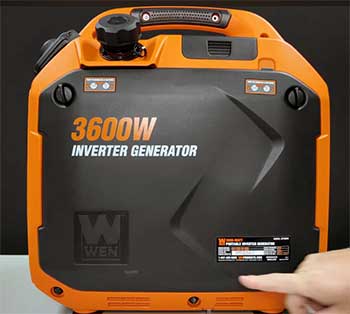
- Stock Spark Plug is Often Poor Quality: This is a known issue in the WEN community. The “Torch” brand plug that comes installed from the factory is often prone to fouling or providing a weak spark. In my experience, the engine ran slightly rough until I spent the extra $5 to swap it for a name-brand NGK plug. It is an annoying extra step for a new product, but a necessary one for peak performance.
- Oil Change Procedure can be Messy: The designers prioritized compactness over maintenance ease in some areas. The oil access panel is small, and the drain plug is located in a spot that makes it difficult to catch the oil without spilling some into the bottom of the casing. Even with the provided funnel, I usually ended up needing a rag to clean up a small mess. It requires a bit of patience and a steady hand.
- Limited High-Wattage Options compared to industrial brands: While WEN dominates the 2000w to 4000w portable market, they have fewer options if you need a massive 12,000w whole-home standby solution compared to brands like Westinghouse or Generac. If you are looking to power an entire large house including central AC, WEN’s portfolio might feel a bit limited.
- Plastic Durability in Extreme Cold: The outer shell is made of hard plastic. While durable enough for drops, I noticed that in freezing temperatures (below 20°F), the plastic clips on the access doors felt brittle. I was always careful not to force them open to check the oil, fearing they might snap. It is a minor concern, but valid if you live in a very cold climate.
- Grounding Nut Placement: This is a nitpick, but the grounding nut on the front of the panel is often small and hard to manipulate with cold fingers or gloves. If you are diligent about grounding your generator (which you should be), you might find the ergonomics of that specific screw a bit frustrating compared to the large wing-nuts found on other brands.
My Experience With Pulsar Generator
When I unboxed the Pulsar PG2300iS, the first thing that struck me was the aesthetic—it looked sporty, almost like a piece of racing gear with its sleek design. Pulsar markets itself as a high-value brand, and I was eager to see if the performance matched the aggressive look. I tested this unit during a weekend renovation project where I needed to run power tools in a house with no electricity.
The Pulsar had a different “personality” than the WEN. It felt a bit punchier. The engine revved up aggressively to meet loads. I plugged in a circular saw, which has a high starting wattage, and the Pulsar didn’t flinch. It took the surge load like a champ. I also tested a larger Dual-Fuel model from Pulsar later on, and the ability to switch between propane and gasoline with a simple dial turn was incredibly convenient.
However, I did notice it was a bit louder. It wasn’t “construction site” loud, but it had a throaty growl that was definitely noticeable compared to the hum of the WEN. The fit and finish were good, though the plastic felt slightly thinner in some areas. But for the raw power I was getting for the price, the Pulsar felt like a beast. It felt like a machine designed for people who just want to get the job done without fussing over brand prestige.
Pros Of Pulsar Generator
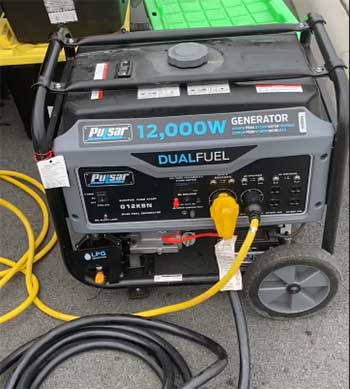
- Dual Fuel Capability is Often Standard: Pulsar really leans into the versatility of fuel. Many of their models, even the budget-friendly ones, come ready to run on both Gasoline and Liquid Propane (LPG) right out of the box. I found this to be a lifesaver. Propane doesn’t go bad like gas does, so I could keep a tank of BBQ propane as an indefinite backup. Switching fuels is usually as simple as turning a dial, which is fantastic for emergency preparedness.
- High Power Output for the Cost: If you calculate the “dollars per watt,” Pulsar is frequently the winner. They pack powerful engines into their frames. In my testing, the Pulsar units seemed to handle surge loads (the spike in power when a motor starts) with more authority than some other budget competitors. If you need to start an RV air conditioner on a budget, Pulsar is often the go-to recommendation.
- User-Friendly “Switch & Go” Design: Pulsar has done a great job simplifying the interface. On many models, the start, run, and choke functions are integrated into a single knob. This removes the confusion of “did I leave the choke on?” or “is the fuel valve open?” You simply turn the knob to “Start,” pull the cord, and then turn it to “Run.” It makes the generator accessible to family members who might not be mechanically inclined.
- Included Accessories: I was pleasantly surprised by what came in the box. Pulsar often includes a propane hose, a funnel, a spark plug wrench, and sometimes even a cover or RV adapter plug depending on the model. It feels like a complete kit. You don’t have to immediately run to the hardware store to buy a hose to connect your propane tank; it’s all there.
- Modern and Stylish Aesthetics: While looks aren’t everything, Pulsar generators look good. The carry handles are integrated well into the design. The suitcase models are compact and slide easily into the storage compartment of an RV. The visibility of the control panel is excellent, often featuring clear, bright labeling that is easy to read in low light.
Cons Of Pulsar Generator
- Noticeably Louder Operation: While they are marketed as quiet inverters, my ear told a different story. Side-by-side with the WEN, the Pulsar was consistently a few decibels louder. The tone of the exhaust is also harsher. If you are at a crowded campsite where tents are close together, the Pulsar might draw a few more stares than the WEN. It is not deafening, but it is not silent.
- Warranty and Support can be Spotty: Pulsar is a newer player compared to giants like Honda or even WEN. While they offer a warranty (usually 1 year), anecdotal evidence and my own research suggest that getting in touch with support can sometimes take longer. Service centers that are authorized to do warranty work on Pulsar units are less common than those for major brands, potentially leading to long downtimes if something breaks.
- Oil Changes are Difficult: Similar to WEN, the oil change process on the compact Pulsar units is a pain. The drain channel is often shallow, and the oil tends to wick back under the engine mount. It requires tilting the generator at extreme angles to get all the old oil out. It is a design flaw common in this segment, but it feels particularly tight on the Pulsar casing.
- Vibration Levels: Under heavy load, I noticed the Pulsar vibrated more than the WEN. The rubber feet do a decent job of keeping it in place, but if you place it on a hard surface like a concrete patio or the tailgate of a truck, you will definitely hear and feel the vibration. Over time, this vibration can loosen bolts, so you have to check them periodically.
- Shorter Run Time on Propane: While the dual-fuel feature is amazing, physics still applies. Propane is less energy-dense than gasoline. I found that running on propane reduced the power output slightly and the runtime was not quite as long as a full tank of gas. You need to keep this in mind if you are calculating how many hours of power you have available during a blackout.
Maintenance Tips For WEN Generator
- Magnetic Dipstick Upgrade: Just like with other engines in this class, the break-in period creates metal filings. The stock dipstick is plastic and does nothing to help this. I strongly advise buying a magnetic dipstick (thread size M18x2.5 usually fits most WEN inverters) immediately. Check it after the first 5 hours; you will be shocked at the amount of gray sludge it catches, preventing that metal from grinding your engine bearings.
- Carburetor Draining for Storage: Even with the fuel shutoff, if you are storing the generator for more than 3 months, I recommend opening the carburetor drain screw (usually at the bottom of the float bowl) to let out any final drops of fuel. This ensures the jet remains perfectly clean. Place a small cup under the clear drain hose to catch the gas.
- Spark Arrestor Cleaning: WEN generators are often used in parks where spark arrestors are mandatory. This screen gets clogged with carbon, especially if you run the generator at low loads often. Every 50 hours, unscrew the back panel of the muffler, pull out the screen, and blast it with carburetor cleaner or scrub it with a wire brush. A clean exhaust lets the engine breathe and maintains efficiency.
- Check the Valve Lash: After the first season of use, or about 100 hours, the valve clearance can tighten. If you find the pull-start cord is ripping out of your hand or the engine is popping, check the valves. You need a feeler gauge. It is a simple 20-minute job that keeps the engine compression healthy.
- Keep the Inverter Vents Clear: The electronics in the inverter module rely on airflow to stay cool. Since the unit is on the ground, the intake vents can suck in dust, leaves, or grass clippings. inspect the vents on the bottom and side before every use. Overheating the inverter board is the most expensive failure you can have, so keep it breathing freely.
Maintenance Tips For Pulsar Generator
- Tighten All Fasteners: Because of the slightly higher vibration levels I mentioned, Pulsar generators have a habit of vibrating screws loose. Periodically go over the exterior casing screws, the handle bolts, and the engine mounts (if accessible) and snug them up. A dab of blue Loctite on the casing screws is a pro tip that will save you from losing them in the grass.
- Battery Care for Electric Start: If you buy a Pulsar with electric start, the small battery is often the weak link. It charges while the generator runs, but if you store it for winter, the battery will die. Disconnect the negative terminal during storage or use a battery tender. If the battery dies, you can still pull-start it, but you lose the convenience you paid for.
- Propane Regulator Care: If you use the dual-fuel feature, keep the propane regulator hose clean. Don’t let it drag in the dirt. Inspect the rubber O-rings on the connector fitting for cracks or dryness. A damaged O-ring can cause a dangerous gas leak. Apply a tiny bit of silicone grease to the O-rings to keep them sealing tightly.
- Air Filter Maintenance: The air filter on Pulsar units is usually a simple foam block. It needs to be oiled to work correctly. Wash it with dish soap, dry it, then soak it in clean motor oil and squeeze (don’t twist) out the excess. A dry filter lets dust into the engine; a dripping wet filter chokes it. Aim for “damp with oil.”
- Fuel Stabilizer is Key: Since Pulsar carbs can be a bit tricky to access for cleaning, prevention is better than cure. If you use gasoline, always add a stabilizer like SeaFoam or Sta-Bil to your gas can before filling the generator. This keeps the fuel fresh for up to a year and cleans the system as it runs.
Also Read: Is Generac Better Than DuroMax Portable Generator
Comparison with other brands
- WEN vs. Pulsar (Direct Head-to-Head): If silence and US-based support are your top priorities, WEN wins. The build feels slightly more refined for the long haul. However, if you need maximum wattage for your dollar and want the flexibility of Dual Fuel (Gas/LPG) without paying a premium, Pulsar is the winner. Pulsar offers more features for the price, while WEN offers more reliability and refinement.
- Pulsar vs. Predator (Harbor Freight): Predator is the 800lb gorilla in the room. Predator engines are legendary for their reliability (Honda clones). Pulsar generally beats Predator on price and feature set (Predator rarely includes dual fuel on their base inverters). However, if your Pulsar breaks, you wait for parts. If a Predator breaks, you can sometimes walk into a Harbor Freight and swap it (if you have the warranty). Predator has better local availability; Pulsar has better specs on paper.
- WEN vs. Westinghouse: This is a very close battle. WEN is generally cheaper and has the fuel-shutoff niche. Westinghouse (as discussed in my previous review) is more premium, with digital displays and slightly better efficiency. WEN is the “working man’s” generator, while Westinghouse is the “tech-savvy camper’s” generator.
- Pulsar vs. Honda: Honda is in a different stratosphere regarding price and longevity. A Honda EU2200i will outlive a Pulsar PG2300iS by a decade, but it costs three times as much. You buy a Pulsar if you need power now and have a budget. You buy a Honda if you are investing in a piece of equipment you want to pass down to your kids.
- WEN vs. Champion: Champion is the closest rival to WEN. Champion has a better service network and parts availability than both WEN and Pulsar. However, WEN is usually quieter than the open-frame Champions. Champion holds the crown for Dual-Fuel technology reliability, but Pulsar is challenging them by offering it at a lower price point.
Frequently Asked Questions (FAQ)
For most homeowners, WEN is better due to its quieter operation, fuel shutoff feature, and US-based support. However, if you specifically need Dual Fuel capability on a budget, Pulsar is the better choice.
Honda and Yamaha remain the gold standard for reliability. In the budget category, WEN has a strong reputation for starting consistently, followed closely by Champion and Westinghouse.
Yes, Pulsar offers excellent value. While the build materials may feel slightly less premium than top-tier brands, the engines are powerful and the inclusion of dual-fuel technology makes them a versatile and quality option for the price.
Pulsar Products Inc. is based in California, USA, but the generators themselves are manufactured in China. They are designed and distributed by the American team.
Conclusion
To summarize this showdown, both brands are champions of the budget-friendly power world, but they serve different masters.
If you are a camper, tailgater, or homeowner who values a quiet experience and wants a machine that is easy to maintain thanks to the brilliant fuel-shutoff feature, I highly recommend the WEN generator. It is the safe, reliable bet that offers peace of mind and excellent US-based support.
However, if you are looking for maximum versatility and raw power, the Pulsar generator is your winner. The ability to run on propane right out of the box gives you a strategic advantage in emergencies, and the sporty design packs a serious punch for the price.