

For automotive professionals looking to start a mobile tool distribution business, Matco Tools and Snap-on Tools offer two of the top franchise opportunities. As leading tool brands serving garages and shops, both provide strong brand recognition and support.
But there are several key differences between the Matco Tools and Snap-on Tools franchise models in terms of products, territories, earnings potential, and startup costs. This guide examines the pros and cons of each franchise.
A Brief Comparison Table
| Aspects | Matco Tools | Snap-on Tools |
| Year Founded | 1979 | 1965 |
| # of Franchises | 1,500+ | 4,000+ |
| Brands Offered | Matco tools primarily | Snap-on tools plus other brands |
| Initial Investment | $80K-$100K | $100K-$150K+ |
| Mobile Store Vehicle | Customized truck or van | Customized cargo van |
| Territory Size | 5,000+ households minimum | 1,500-3,000 stops |
| Initial Training | 5-10 days | 4-6 weeks |
| Year 1 Earnings Potential | $75K-$150K+ | $60K-$80K median |
| Long-term Earnings Potential | $250K+ top performers | $250K+ top performers |
| Ongoing Fees | Vehicle, inventory, subscriptions | Vehicle, inventory, subscriptions |
A Brief Background on Matco and Snap-on Franchising
Matco Tools began selling franchises in 1979 after years of success in direct sales. Its mobile franchise model allowed distributors to sell directly to mechanics in their own territories. Today there are over 1,500 Matco distributors across the U.S. and Canada.
The Snap-on Tools franchise opportunity launched in 1965. It assisted Snap-on in reaching new customers by licensing distributors to represent the brand directly. Currently there are over 4,000 Snap-on franchises throughout North America.
So both Matco and Snap-on have offered franchises for decades, helping build their brands through local owner-operators. Snap-on does have a significantly wider franchise footprint currently. But Matco’s franchise sales and service support are well established.
Also Read: Comparison Betweeen United Rentals And Sunbelt
Key Differences Between Matco and Snap-on Franchising
Now that we’ve compared their basics. Let’s compare across their key categories briefly:
1. Products and Brands Offered
As mobile distributors for their parent company’s brands, Matco and Snap-on franchises focus on:
Matco Tools
- Matco-branded mechanic’s tools and equipment
- Some complementary 3rd-party brands
Snap-on Tools
- Snap-on hand tools and shop equipment
- Vehicle diagnostic tools
- Providing brands like CDI torque tools and AlbaChem paint products
Matco franchises deal exclusively in Matco product lines and accessories. Snap-on complements its major tool lines with diagnostic systems and a wider mix of other brands.
Both offer rotating specials, new product launches, and seasonal promotions to keep their mobile offerings fresh and compelling for auto service customers.
2. Initial Franchise Investment Costs
Upfront investments range from $80,000-$150,000+:
Matco Tools
- $80K-$100K initial investment
- Includes mobile store truck
Snap-on Tools
- $100K-$150K+ initial investment
- Includes tool inventory and mobile van
These costs cover the specially equipped mobile store vehicle, product inventory, technology systems, initial training, and franchise fees to the parent company.
Snap-on requires significantly higher capital investment to start. But financing assistance is available through both companies to offset the upfront burden.
3. Mobile Store Vehicles
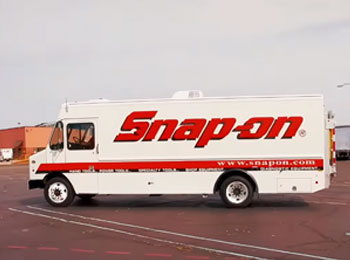
Matco and Snap-on provide specially designed vehicles to operate the mobile franchise:
Matco Tools
- Customized trucks or vans
- Store merchandise layout
- Graphic branding
Snap-on Tools
- Customized cargo vans
- Product display setup
- Refrigerated models optional
- Branding and lighting
Franchisees can typically select vehicle types and customize the interior sales setup. Both Matco and Snap-on offer vehicles engineered specifically for mobile tool sales.
4. Territorial Sales Regions
Exclusive sales territories are assigned to each franchisee:
Matco Tools
- Minimum 5000 households
- No competing Matco franchisees
Snap-on Tools
- 1500-3000 stops within territory
- Territories do not overlap
Having an exclusive region prevents intra-brand competition. However, franchises may compete with other tool brands in their territories.
Matco guarantees a larger minimum territory size. But specific area assignments vary in population density for both brands.
5. Training and Ongoing Support
Extensive franchisee training and support is provided:
Matco Tools
- 5-10 days initial training
- Ongoing support for operations, sales, technology
- Annual recertification training
Snap-on Tools
- 4-6 weeks initial training
- Field managers assist regularly
- Ongoing sales and technology support
Matco provides shorter upfront training, leaning more on ongoing support. Snap-on requires longer certification but assigns hands-on field managers. Both offer continuous training to update skills.
6. Earnings Potential Projections
Estimated first year profit potential:
Matco Tools
- $75K-$150K+ profit range reported
- Top performers exceed $300K
Snap-on Tools
- $60K-$80K median first year profits
- $250K+ at maturity after several years
Matco publicizes higher first year earnings possibilities for motivated franchisees. But Snap-on estimates build over a longer period to over $250K eventually.
Actual profitability depends significantly on franchisees’ sales drive and work ethic. But both brands provide avenues to attractive incomes with the right effort.
7. Ongoing Fees and Expenses
In addition to initial investment, ongoing costs include:
Inventory
- Both require maintaining product inventory levels
Subscription Fees
- Monthly tech service fees
- Marketing and support fees
Vehicle
- Fuel, insurance, maintenance, repairs
Sales Expenses
- Credit processing fees
The monthly subscription and sales processing costs are comparable for Matco and Snap-on franchises. Keeping the mobile vehicle maintained is another shared expense. Overall operating costs are similar for both.
8. Standout Advantages of Each Franchise
Matco Tools
- Lower initial investment amount
- Access to 10,000+ Matco tools
- Great reputation among professionals
Snap-on Tools
- Stronger brand power
- 4x more locations than Matco
- High-earning potential long-term
Matco offers lower upfront entry costs, while Snap-on provides larger scale and national brand dominance. Reputations are stellar for both companies.
Each franchise has clear advantages – Matco in affordability and Snap-on in brand strength. It comes down to priorities.
Also Read: Comparison Between the Autel MY908 and MS908
Key Differences: Matco Vs. Snap-on at a Glance
Investment Cost: Matco lower
Product Selection: Snap-on broader
Territory Size: Matco larger guaranteed
Training Period: Snap-on longer
First Year Earnings Potential: Matco higher
Long-term Earnings Potential: Snap-on greater
Brand Power: Snap-on stronger
Reputations: Both excellent
Evaluating these key metrics together shows some separation. Matco pledges solid first year returns on a smaller upfront investment, while Snap-on leads in brand equity and the top long-term income.
Frequently Asked Questions (FAQs)
Matco does not share official failure rates. However, franchising consultants estimate only 4-5% of Matco franchisees fail. The company provides strong ongoing support.
No, Matco Tools and Snap-on Tools are separate competing brands in the automotive tools industry. Their franchises also operate independently.
Yes, Matco Tools has sold mobile tool truck franchises since 1979. It currently has over 1,500 Matco distributors operating franchises in the U.S. and Canada.
Matco Tools has over 1,500 franchised mobile distributors throughout the United States and Canada as of 2023.
First year median earnings are $60K-$80K for Snap-on franchises. Top franchises report over $200K in annual profits after being established for multiple years. The earning potential long-term can surpass $250K.
Final Thought
Both Matco Tools and Snap-on Tools offer proven franchising models and strong brands in the auto repair tools industry. Matco provides lower cost entry backed by quality ongoing support. Snap-on brings the power of a leading national brand with high upside earnings.
Consider your financial means, brand priorities, and sales ambition to decide between these successful mobile tool distribution opportunities. Matco and Snap-on support their franchisees while granting them substantial control over their success.
By picking the franchise that best aligns with your goals and capabilities, you can thrive providing professional mechanics and shops with the most in-demand tool brands. Matco and Snap-on provide time-tested playbooks to follow.





Leave a Comment or Question