
If you are looking at your garage ceiling and dreaming of reclaiming that overhead space for storage or just a cleaner look, you have undoubtedly landed on the wall-mount “jackshaft” openers. I know the struggle of choosing between the tried-and-true legend and the shiny new successor. My intent with this article is to help you decide if the newer LiftMaster 98022 is worth the upgrade or if the established powerhouse, the LiftMaster 8500W, is still the king of the garage. We are going to look at noise levels, smart features, and installation quirks to see which unit truly deserves to lift your door.
A Brief Comparison Table
| Feature | LiftMaster 98022 | LiftMaster 8500W |
| Motor Type | 12V DC Motor | 12V DC Motor |
| Connectivity | Built-in Wi-Fi & Bluetooth | Built-in Wi-Fi |
| Lighting | Remote LED Light (included/optional) | MyQ Remote LED Light (included) |
| Battery Backup | Optional (Internal capability) | Standard/Included (Integrated) |
| Profile Design | Slim, vertical, modern aesthetic | Boxier, wider, industrial look |
| Lock Mechanism | Automatic Garage Door Lock | Automatic Garage Door Lock |
| Cable Tension | Integrated Monitor | Separate Tension Monitor |
My Experience With LiftMaster 98022
I recently had the chance to help a neighbor install the 98022 in a renovated garage that was being converted into a semi-home gym. The first thing that struck me was the unboxing experience. It felt more like unboxing a modern gadget than a heavy tool. The unit was noticeably slimmer than the 8500W I have in my own home.
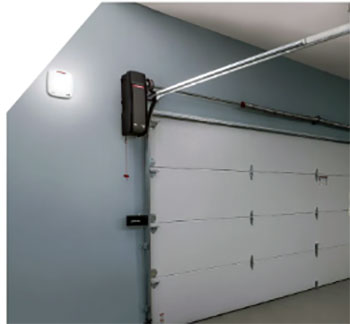
The installation process was where the 98022 really shined.
We used the Bluetooth connection to set up the myQ app, and it worked on the first try.
No typing in serial numbers or fighting with Wi-Fi handshakes.
It just found the unit and paired. When we hit the button for the first time, the silence was unnerving.
I am used to hearing a hum, but this thing just whispered. The door glided up.
However, we did hit a snag with the “Force Learn” mode.
The door had a slight heavy spot at the bottom, and the 98022 refused to accept it. We had to spend an hour adjusting the spring tension to get the door perfectly balanced before the opener would cooperate. It was stricter than older models I have worked with. But once it was dialed in, the motion was liquid smooth. The vertical design looked fantastic against the newly painted drywall, blending in rather than dominating the space. It felt like a true upgrade in terms of refinement.
Read More: Comparison Of Genie 7055 And 7155 Garage Door Openers
Pros Of LiftMaster 98022
- Sleek And Space Saving Design: One of the most immediate benefits of the LiftMaster 98022 is its refined form factor. When I first saw this unit, I was struck by how much more vertical and slim it appeared compared to its predecessors. In many garages, specifically those with tight side-room (the space between the garage door track and the side wall), every inch counts. The 98022 has been engineered with a “smooth” chassis that lacks the bulky protrusions of older models. If you have shelving units right up against your garage door rails or if your builder left you with the bare minimum clearance, this slim profile is a lifesaver. It creates a visual aesthetic that feels intentionally modern rather than industrial. It looks like a consumer electronic device rather than a piece of factory machinery, which blends much better into a finished garage that might double as a home gym or workshop.
- Improved Connectivity With Bluetooth: While Wi-Fi is standard on most high-end openers now, the 98022 integrates Bluetooth for the setup process, which makes a world of difference.1 I remember wrestling with older smart devices where you had to toggle Wi-Fi networks on your phone to get them to talk to each other. The 98022 streamlines this. You can connect to it directly via Bluetooth to pass over your Wi-Fi credentials through the myQ app. This significantly reduces the friction of installation. It also means the opener has a more robust way of communicating with accessories. For a user who isn’t tech-savvy, this “handshake” improvement means you are less likely to give up in frustration during the initial setup. It is a subtle upgrade that you only appreciate when you are standing on a ladder holding your phone, but it is a massive quality-of-life improvement.
- Ultra Quiet Operation: The DC motor in the 98022 is exceptionally quiet, even by wall-mount standards.2 Because these units mount to the wall beside the door rather than the ceiling, they eliminate the vibration that travels through ceiling joists into the rooms above. However, the 98022 takes this a step further with internal sound dampening that seems superior to the older generations. When the door is in motion, the only thing you really hear is the door itself moving along the tracks. If you have a bedroom directly above or adjacent to the garage, this is the “golden feature.” You can leave for work at 5:00 AM without the garage door opener sounding like a chainsaw starting up. The soft-start and soft-stop features are incredibly smooth, reducing the “clank” that often wakes people up when the door hits the floor.
- Integrated Cable Tension Monitor: On previous jackshaft models, the cable tension monitor was a separate, somewhat finicky device that you had to clamp onto the cable and wire back to the unit. The 98022 has improved the integration of safety sensors and monitors. While it still relies on ensuring the cables are taut (a requirement for all jackshaft openers to prevent cables from jumping the drum), the logic and sensor integration on the newer board seem less prone to the “phantom reversals” that plagued older installs. This means fewer instances of the door stopping halfway down because it thought the cable was loose when it wasn’t. For a homeowner, this reliability means you aren’t constantly troubleshooting why your door won’t close on a windy day.
Cons Of LiftMaster 98022
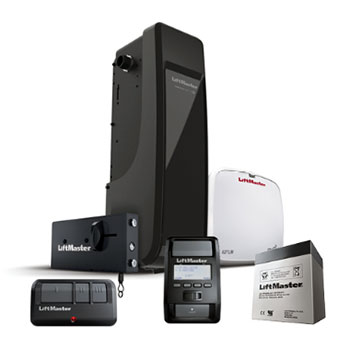
- Battery Backup Is Often Optional: A major point of confusion and a potential downside for the 98022 compared to the “W” designation of the 8500W is the battery backup situation. Depending on the specific SKU or package you buy, the 98022 does not always come with the battery included in the box. It is “Battery Backup Capable,” meaning the slot is there, but you might have to spend an extra $40-$50 to buy the battery separately. In contrast, the 8500W built its entire reputation on having that battery standard. If you live in an area with frequent power outages, opening the box and realizing you are missing that crucial component is a massive letdown. It feels like a hidden cost that you have to account for when comparing prices. You have to read the fine print on the retailer’s page very carefully to ensure you are getting the full package.
- Price Premium For “New”: Because the 98022 is the latest generation, it commands a higher price tag without necessarily offering a massive leap in mechanical performance over the outgoing models. You are paying for the newer chipsets, the sleeker plastic shell, and the Bluetooth provisioning. For many users, the door goes up and the door goes down. If you can find the older models on clearance, the 98022 can feel overpriced. It sits in that uncomfortable spot where it is definitely better, but perhaps not hundreds of dollars better for the average user who just wants to park their car. The value proposition is a bit lower if you don’t care about the aesthetics or the slightly easier Bluetooth setup.
- Light Fixture Is Separate: Unlike traditional trolley openers that have light bulbs screwed directly into the motor head, the 98022 (like the 8500W) uses a separate remote LED light. While this is a feature of the design type, the 98022’s reliance on these separate accessories can be a con if you have a very large garage. You might find that the single included remote light isn’t enough, and because there is no light socket on the unit itself, you are forced to buy more proprietary LiftMaster remote lights or install your own shop lighting. If you simply want to swap a lightbulb on the unit when it burns out, you can’t. You are tied into the LiftMaster ecosystem for that specific remote light functionality, which can be annoying if the pairing ever drops or the LED unit fails.
- Installation Sensitivity: While this is true for all wall-mount openers, the 98022 is not a “slap it up and forget it” machine. It requires a perfectly balanced garage door. If your door has bad rollers, rusted tracks, or a broken spring, the 98022 will know, and it will refuse to operate. The internal force sensors are incredibly sensitive. While this is a safety pro, it is a user con because it exposes every flaw in your garage door system. You cannot just “power through” a sticky spot in the track like you can with a noisy chain drive. Installing a 98022 often turns into a project of also replacing rollers and tuning springs, turning a Saturday afternoon job into a whole weekend ordeal. It demands perfection from your door hardware.
My Experience With LiftMaster 8500W
I have lived with an 8500W in my primary residence for about four years now. It has been a workhorse. I remember the day I installed it; I was reclaiming the ceiling space to hang a kayak. The moment I removed the old chain drive and mounted the 8500W to the torsion bar, the garage felt twice as big.
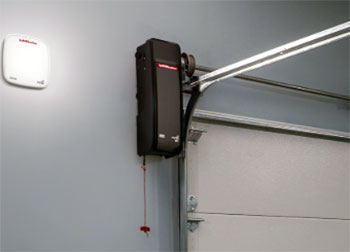
The feature I use most is actually the automatic lock.
I sleep directly above the garage, and hearing that clunk-click of the deadbolt when my spouse comes home late is a reassurance I didn’t know I needed.
The Wi-Fi has been rock solid. I use the Amazon Key in-garage delivery, and the 8500W has never failed to open for the driver.
However, I have battled the cable tension monitor.
One winter, the cables contracted slightly or the door shifted, and the monitor became hypersensitive. I would come home to find the door open because it had reversed after hitting the floor. I had to go in and physically bend the metal arm of the switch to give it more tolerance. It was a frustrating week of troubleshooting. Despite that, the battery backup saved me during a hurricane last year. We lost power for three days, but I could still get my car out to charge my phone. That reliability keeps me loyal to the 8500W despite its quirks.
Pros Of LiftMaster 8500W
- The “All-In-One” Powerhouse: The LiftMaster 8500W earned its reputation by being the complete package. When you bought an 8500W, you knew exactly what you were getting: Wi-Fi built-in, the battery backup battery included inside the unit, the automatic deadbolt lock, and the remote light. There was no guesswork about SKUs. It was the flagship. For years, this was the gold standard for a reason. Having the battery backup integrated standard is a massive peace of mind. I live in an area with summer storms, and knowing that the 8500W would just keep working without me having to purchase an add-on was a huge selling point. It feels like a substantial, premium product right out of the box, with a weight and build quality that screams durability.
- proven Track Record Of Reliability: The 8500W has been installed in thousands of homes for years. Any bug, quirk, or issue has been documented on forums and YouTube. If you run into a problem, there is a solution already out there. This maturity in the market is a significant “Pro.” You aren’t beta testing new firmware. The motor is a known quantity that has proven it can lift heavy wood carriage doors or standard insulated steel doors for decade-long lifecycles. There is a comfort in buying the “Toyota Camry” of garage openers—it might not be the newest body style, but you know it is going to run for 200,000 miles.
- Integrated Wi-Fi Integration: Before the 8500W, you had to buy a separate “Internet Gateway” box to get your opener online. The 8500W was the game changer that put the radio right on the board. The connection is generally very stable. Once you get it on your myQ account, it stays there. Being able to open your garage for an Amazon delivery driver or check if you left it open while you are on vacation is invaluable. The 8500W handles this natively and robustly. I have found the Wi-Fi range on the 8500W to be surprisingly good, often connecting through thick firewalls and concrete that other smart home devices struggle with.
- Automatic Garage Door Lock Included: One of the coolest features of the 8500W is the separate 12V deadbolt lock that comes in the box.3 When the door closes, you hear a satisfying mechanical thunk as a steel bolt slides through the track, physically locking the door down. This makes the door virtually impervious to “fishing” attacks (where thieves use a coat hanger to pull the emergency release). While newer models have this too, the 8500W made it standard. Hearing that lock engage gives you a visceral sense of security that electronic codes alone cannot provide. It turns your garage door into a fortress wall rather than just a movable barrier.
Cons Of LiftMaster 8500W
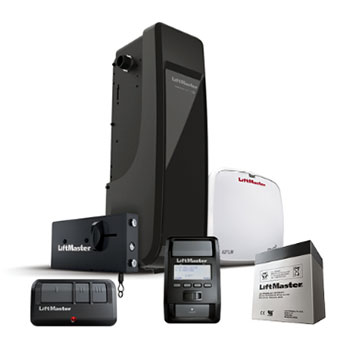
- Slower Door Travel Speed: If there is one complaint about the 8500W compared to some of the newer high-speed belt drives or the latest gen wall mounts, it is that it takes its time. It is not slow, but it is deliberate. If you are the type of person who sits in the driveway impatiently tapping the steering wheel while the door rises, you might notice the pace. It prioritizes smooth, soft-start/stop motion over raw speed. While this preserves the door hardware, in a rush, those extra few seconds can feel like an eternity. It lacks the “rapid opening” feature found on some commercial-grade variants.
- Legacy Form Factor: Compared to the 98022, the 8500W looks a bit like a shoebox mounted to your wall. It is wider and boxier. In tight installs, this width can actually be a problem. If you have a return wall or a pipe running close to the torsion bar, the 8500W might not fit where the slimmer newer models would. It requires a bit more clearance. Visually, it looks like a piece of industrial equipment. While some people (like me) appreciate that rugged look, in a pristine, white-walled garage, it stands out as a dark, bulky distinct object.
- The “Cable Tension Monitor” Headache: The 8500W utilizes a specific cable tension monitor that must be installed perfectly.4 If the cable has even a slight bit of slack when the door hits the floor, the monitor trips, and the opener won’t close the door next time, or it will reverse immediately. I have spent hours tweaking the roller placement on doors to satisfy an 8500W. It is notoriously finicky. While it keeps the cables safe, it is the number one source of nuisance service calls for this model. If your door springs settle over time, you will find yourself adjusting this monitor frequently.
- External Light Delay: The remote light on the 8500W communicates wirelessly. Occasionally, there is a split-second lag between the motion sensor triggering and the light popping on. It is a minor gripe, but it exists. Furthermore, because it is battery-operated (or plug-in remote), if the pairing is lost, you are in the dark. It doesn’t have the reliability of a hardwired light bulb socket right on the motor chassis.
Comparison With Other Brands
- Genie: The Genie wall-mount opener (Model 6170 or 6070) is the primary competitor. Genie tends to be slightly more compact and often cheaper than the LiftMaster equivalents. However, in my experience, the Genie “Aladdin Connect” app is not as polished as the LiftMaster myQ app. LiftMaster feels like a software company that makes hardware, while Genie feels like a hardware company trying to do software. The Genie units are reliable, but the integration with Amazon and other smart home ecosystems is generally smoother with LiftMaster.
- Chamberlain (Retail Brand): You will often see the Chamberlain RJO20 or RJO70 in stores like Home Depot. It is important to remember that Chamberlain and LiftMaster are the same company. The Chamberlain units are the “DIY” versions. They often use a split rail or have slightly more plastic in the rail assembly compared to the solid one-piece rails of the professional LiftMaster series. The 98022 is a “Pro Series” unit, meaning it has a solid steel chassis and better warranty support than the retail Chamberlain versions. If you want the best internal components, stick with the LiftMaster badge over the retail Chamberlain.
- Sommer: Sommer is a German brand that offers a wall-mount solution (the evo+). Sommer is famous for being virtually silent because the motor travels along the rail (in their overhead models) or uses unique engineering.5 However, finding parts for Sommer in the US can be a headache. If your LiftMaster breaks, every garage door tech in the country has a replacement capacitor or gear in their truck. If your Sommer breaks, you are likely waiting weeks for parts to ship. The ubiquity of LiftMaster is a massive “hidden” pro in this comparison.
Also Read: My Thoughts On Precision Garage Door
Frequently Asked Questions (FAQ)
Yes, generally speaking. The 8500 and 8500W are being phased out in favor of the new generation lineup, which includes the 98022 (standard wall mount) and the 98032 (premium wall mount with more features).6 The 98022 is the direct spiritual successor to the base functionality of the 8500 series.
Yes. The 98022 comes with built-in Wi-Fi and Bluetooth connectivity. It connects directly to the myQ app, allowing you to control the door from your smartphone, set schedules, and receive alerts without needing any extra hubs or accessories.
The main difference is the “W” stands for Wi-Fi. The original 8500 required a separate internet gateway to use smart features and did not always come with the battery backup. The 8500W included Wi-Fi built into the motor head and came standard with the battery backup and the automatic deadbolt lock.
It is extremely quiet. Because it is a DC motor wall-mount unit, it eliminates the vibration associated with ceiling-mounted openers. Most users report that the sound of the door rolling in the tracks is louder than the motor itself.
Conclusion
If you are outfitting a new garage or doing a complete renovation and you want the cleanest, most modern look possible, the LiftMaster 98022 is the winner. Its slim profile, Bluetooth-aided setup, and ultra-quiet operation make it the perfect device for the modern smart home. It feels like a piece of 2025 technology that respects your space and your ears.
However, if you can still find one, or if you value the “tank-like” reliability of a fully loaded package, the LiftMaster 8500W remains a heavy hitter. Having the battery backup and lock included in the box without worrying about optional SKUs is a significant value add. It is the proven choice for those who want a fortress-like security system and don’t mind a slightly boxier aesthetic.
Ultimately, both units will free up your ceiling and silence your garage. The move to a wall-mount opener is an upgrade you will never regret, regardless of which model you choose.