
There is something undeniably nostalgic about holding a Zippo product. The metallic click, the smell of lighter fluid, the feeling that you are holding a piece of equipment rather than a disposable gadget—it all feels very intentional. If you are reading this,
you are probably tired of disposable plastic packets that turn into cold bricks after an hour, or maybe you are frustrated with electric warmers that die the moment the temperature drops below freezing. You are looking for something reliable.
I have spent a lot of time out in the biting cold—waiting in deer stands, sitting on frozen bleachers at football games, and fumbling with keys when my fingers felt like frozen sausages. I turned to the Zippo Refillable Hand Warmer because I wanted heat that felt real and lasted all day. But is this analog device actually better than modern tech? Is the hassle of filling it with fluid worth the warmth it provides?
In this review, I am going to walk you through exactly what it is like to own one. We aren’t just skimming the surface; we are looking at the mechanics, the quirks, and the sheer performance of this device. By the end, you will know if this classic piece of gear belongs in your pocket or if it is better left in the past.
My Experience With Zippo Hand Warmer
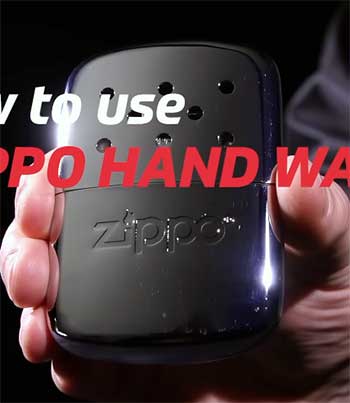
I still remember the first time I actually committed to using the Zippo Hand Warmer.
It was a mid-January morning, the kind where the air feels sharp enough to cut glass, and I was scheduled to be outside for roughly six hours.
I had bought the 12-hour high-polish chrome model a week prior but had been too intimidated to mess with the lighter fluid until that morning.
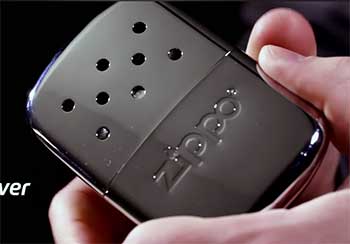
The first thing you notice is the build quality.
It feels dense and substantial, like a smooth river stone made of metal. Filling it was… an experience.
I’ll be honest, my first attempt was a mess. I didn’t trust the little plastic funnel cup enough, tipped the fluid can too aggressively, and spilled a bit on the counter. The smell of naphtha (lighter fluid) is instant and potent—if you grew up around grandfathers who smoked pipes or old Zippo lighters, it’s a smell that triggers memories. If you didn’t, it smells like a chemical plant.
Lighting it was the next hurdle. It is not like a lighter where you see a flame. You hold your flame to the catalytic burner (that cotton-looking mesh on top) and just… wait. I held it there for about 10 seconds, saw nothing happened, and assumed it was broken. I put the cap back on, feeling foolish. But about two minutes later, I picked it up and almost dropped it—it was hot. Not warm, hot.
I slipped it into the little black fleece pouch that comes with it, and that is where the magic happened. Without the pouch, the metal is too hot to hold comfortably. With the pouch, it radiates this intense, permeating heat that feels very different from an electric warmer. Electric warmers tend to have “hot spots” or cycle on and off. The Zippo was a constant, radiating furnace. I put it in the front pocket of my hoodie, and it acted like a central heater for my core.
Throughout the day, I kept checking it, expecting it to fade. Three hours in, it was blazing. Six hours in, still blazing. When I got back to my car after eight hours, I took it out of the pouch to let it cool down, but it was still too hot to touch with bare hands. It actually ran for nearly 13 hours on that single fill.
However, it wasn’t all perfect. I made the mistake of putting it in my back jeans pocket while driving, and because it was pressed so tight against the seat, it choked off the oxygen and the reaction stopped. I thought it had run out of fuel, but it had just “suffocated.” I had to re-light it, which is annoying when you are out in the field. Also, the smell does linger. When I got back inside, my hoodie smelled faintly of lighter fluid. It’s not overpowering, but it is there.
Despite the fiddle-factor of filling and lighting it, the quality of heat is unmatched. It feels like holding a hot coal. It doesn’t care if it is -10°F outside; the chemistry keeps working. It felt like a tool I could rely on, not a battery I had to baby.
Also Read: Comparison Of Nokian WRG4 And WRG5
Pros Of Zippo Hand Warmer
- Incredible Heat Output: The heat generated is significantly higher than most electric competitors. Unlike battery-operated warmers that often cap out at around 115°F to preserve battery life, the Zippo can reach temperatures that are uncomfortable to the bare touch without the pouch. This high heat output is essential for extreme conditions. When you are sitting in a deer stand at 4:00 AM or ice fishing on a frozen lake, you don’t want “lukewarm”; you want heat that can penetrate thick gloves and frozen fingers. The catalytic reaction produces a moist heat that feels deeper and more pervasive than the dry heat of a resistive electric coil. It radiates outward effectively, meaning if you keep it in a chest pocket, it can actually help keep your core warm, not just your hands.
- Extreme Durability and Longevity: There are no batteries to degrade, swell, or fail in the cold. Lithium-ion batteries are notorious for losing capacity in freezing temperatures. If you take an electric warmer into -20°F weather, the battery life might drop by half. The Zippo runs on simple chemical combustion. As long as there is fuel and oxygen, it works. The metal casing is rugged and can take a beating. I have dropped mine on concrete, sat on it, and tossed it into the bottom of a gear bag with heavy tools. Aside from a few scratches on the chrome finish (which honestly just adds character), it functions perfectly. A well-maintained Zippo hand warmer can literally last for decades, whereas an electric warmer will likely be e-waste within three to five years.
- Cost-Effective Operation: The ongoing cost of ownership is incredibly low compared to disposable warmers. While the initial purchase price is higher than a pack of HotHands, a single can of lighter fluid costs a few dollars and will last for dozens of fills. If you use hand warmers frequently—say, every weekend during the winter—disposable packets add up quickly. You might spend $40 a season on disposables. With the Zippo, a $5 can of fluid gets you through the winter. Furthermore, replacement burner heads are inexpensive and only need to be swapped out every 70–80 uses. From a sustainability standpoint, you are generating significantly less waste than tossing plastic packets in the trash every day.
- Classic “Cool Factor” and Design: It is a beautiful, tactile object that is satisfying to use. There is an undeniable appeal to the analog nature of this device. It looks sleek, fits perfectly in the palm, and operates on principles of physics and chemistry rather than circuits. For many outdoorsmen and women, the ritual of filling the cup, smelling the fuel, and lighting the burner is part of the experience, similar to the ritual of sharpening a knife or cleaning a firearm. It feels like a piece of heritage gear. The high-polish chrome or matte black finishes look professional and timeless, unlike the often cheap-looking plastic shells of electric counterparts.
Cons Of Zippo Hand Warmer
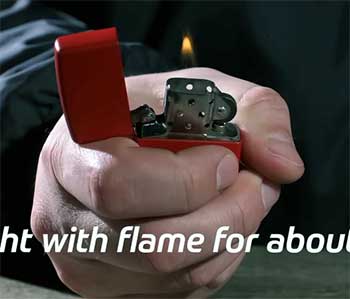
- The “Cannot Turn Off” Problem: Once you light it, you are committed until the fuel runs out. This is the single biggest functional drawback compared to electric warmers. You cannot simply press a button to stop the heat if you are going inside for lunch or getting into a warm car. If you fill it for 12 hours, it is burning for 12 hours. While there are “hacks” to stop it—like carefully knocking the hot burner head-off with a stick or smothering it in a foil bag to cut off oxygen—these are not manufacturer-recommended and can be dangerous or damage the burner. This makes it less versatile for short trips. If you only need warmth for a 30-minute dog walk, filling and lighting a Zippo is overkill and a waste of fuel.
- The Smell: It emits a distinct odor of lighter fluid that some find unpleasant. While Zippo claims it is “virtually odorless,” that is marketing speak. In reality, there is always a faint whiff of naphtha. For a mechanic or a casual hiker, this might not matter. However, for bow hunters or anyone trying to remain scent-neutral, this is a dealbreaker. Animals can smell the chemical fumes from a significant distance. Additionally, if you use it in a confined space, like a small car or a tent, the smell can become noticeable and even headache-inducing for sensitive people. It’s not a “smoke” smell, but a raw fuel smell that permeates the pocket it sits in.
- Fiddly Setup and Learning Curve: It is not “plug and play” and requires practice to use effectively. You can’t just grab it and go. You need to carry the fluid can, the filling cup, and a lighter. Filling it requires a steady hand and good lighting; do it in the dark, and you will spill flammable liquid on your hands. Lighting the burner can also be frustrating for beginners. It often takes longer than you think to get the catalytic reaction started (sometimes holding the flame for 10–15 seconds), and because there is no visible flame, you often don’t know if it is working until you wait a few minutes to feel the heat. If you didn’t wait long enough after filling for the fumes to rise, it won’t light. If you overfilled it, it might flare up. It demands a level of user competence that electric warmers do not.
- Oxygen Dependency: If you smother it, it dies. Because it relies on combustion, it needs airflow. If you shove it into a tight jeans pocket, a sealed waterproof pocket, or bury it deep inside a sleeping bag, the reaction will snuff out. You will pull it out expecting warmth and find a cold metal brick. You then have to go through the re-lighting process, which is annoying in the cold. You have to be mindful of where you place it, ensuring the pouch opening isn’t blocked. This limits where you can carry it compared to chemical packs or electric warmers that generate heat regardless of airflow.
Maintenance Tips For Zippo Hand Warmer
- Mastering the Burner Head: The catalytic burner is the heart of the device and needs protection. Never poke the cottony mesh material in the burner unit. It looks durable, but it is actually a delicate platinum-coated glass fiber. If you poke a hole in it or compress it, the chemical reaction won’t happen efficiently. Over time, this burner will degrade. You will know it is dying when the warmer becomes difficult to light or doesn’t get as hot as it used to. Expect to replace this part every 70 to 80 burns (or roughly every one to two seasons depending on usage). Always keep a spare burner in your kit so you aren’t left cold in the middle of a trip.
- Proper Filling Technique: Preventing overfilling is the most critical maintenance step you can take. When you fill the little plastic cup, do not try to be a hero and free-pour directly into the warmer. You will overfill it. When the wadding inside becomes oversaturated, liquid fuel can touch the burner. This ruins the burner and can cause a dangerous flare-up flame. After filling, hold the warmer upside down and give it a gentle shake over a sink or the ground. If fluid drips out, you have overfilled it. Let it sit open for a few minutes to let the excess evaporate before you even think about putting a lighter to it. Also, always wipe down the exterior of the warmer with a rag after filling to ensure no stray fluid ignites.
- Managing the “Memory” of the Wadding: Don’t let the fuel sit inside the warmer for months during the off-season. If you leave fuel in the warmer over the summer, it will evaporate and leave behind a sticky residue in the cotton batting. This residue can clog the wicking action, meaning the fuel won’t travel up to the burner effectively next winter. If you know you are putting it away for the season, try to let it run completely dry on its last use. Some users suggest leaving the burner head off for a few days in a dry, warm place to ensure every drop of moisture evaporates before storing it in a drawer.
- Cleaning the Exterior: Keep the metal body clean to prevent corrosion and smell. While the chrome is rust-resistant, finger oils and spilled fuel can tarnish it over time. Wipe it down with a soft cloth. Do not use harsh abrasives on the high-polish chrome unless you want scratches. More importantly, wash the fleece bag regularly. The bag collects sweat, dirt, and lighter fluid fumes. A dirty bag can restrict airflow (reducing heat) and smell terrible. Hand wash the bag in warm soapy water and let it air dry. Do not put the metal warmer itself in water—ever.
Read More:My Thoughts On Predator New Mutant X-AT
Comparison with Other Brands
- Zippo vs. Ocoopa (Electric Hand Warmers): The battle between Zippo and Ocoopa is a battle of chemistry vs. electronics. Ocoopa warmers are incredibly convenient. You push a button, and you have heat in 10 seconds. You can turn them off to save battery, and they double as power banks to charge your phone. However, their weakness is physics. In extreme cold (below freezing), lithium batteries suffer from voltage sag and die quickly. An Ocoopa rated for “8 hours” might only last 3 hours in sub-zero temps. The Zippo, by contrast, is indifferent to the ambient temperature. It burns as long as there is fuel. The Zippo gets hotter (often too hot without a pouch), whereas the Ocoopa has regulated temperature settings. If you are a commuter or a student, get the Ocoopa. If you are a hunter sitting still for 8 hours in -10°F, the Zippo destroys the Ocoopa in performance.
- Zippo vs. HotHands (Disposable Packets): This is a comparison of upfront cost vs. long-term waste. HotHands are the ultimate in laziness—rip the package, shake, and you are done. They are flexible, so you can stuff them inside gloves or boots, which you cannot do with a rigid metal Zippo. However, the heat from HotHands is mediocre. They often fade in and out, and if they get wet, they are done. They create a massive amount of trash if you use them daily. The Zippo is a rigid, bulky object that requires a pocket, but the heat output is roughly three times that of a disposable packet. One Zippo generates the heat of two or three HotHands packets simultaneously. If you only need warmth once a year for the Thanksgiving parade, buy HotHands. If you work outside, the Zippo pays for itself in a month.
- Zippo vs. Peacock (The Japanese Rival): The Peacock hand warmer is the high-end enthusiast’s choice compared to the Zippo’s “Ford F-150” reliability. Peacock warmers (made in Japan) are very similar in design—they use the same fuel and catalytic process. However, enthusiasts often argue that the Peacock burner technology is slightly superior, lighting easier and burning cleaner with less smell. The Peacock Standard also has a slightly different form factor that some find more ergonomic. The biggest difference is availability and price. You can buy a Zippo warmer and fluid at almost any Walmart or hardware store in America. Peacock warmers usually have to be imported or bought from specialty retailers at a higher price. While the Peacock might be 10% better in performance, the Zippo wins on availability and parts support.
- Zippo vs. Whitby (Another Catalytic Option): Whitby is another common name in the catalytic game, often seen as a direct budget alternative. The functionality is nearly identical to the Zippo. They both use lighter fluid, both use a platinum catalyst, and both get very hot. The main difference lies in the build quality. Users often report that the Zippo feels heavier and the cap fits more snugly. A loose cap on a hand warmer is annoying because it can pop off in your pocket, exposing the hot burner. Zippo’s fit and finish are generally tighter. Additionally, the Zippo burner replacements are easier to find than Whitby parts in many regions. Unless you find the Whitby for significantly cheaper, the Zippo is usually the safer bet for long-term ownership.
Frequently Asked Questions (FAQ)
Yes, it is excellent for specific use cases. It excels in extreme cold weather where batteries fail and disposable packets don’t get hot enough. It provides high, consistent heat for long durations. However, if you are sensitive to smells or want on-demand “on/off” heat, it might not be for you.
The 12-hour model typically lasts between 10 to 13 hours on a full fill, depending on the ambient temperature and airflow. The 6-hour model usually runs for 5 to 7 hours. The physical device itself can last for decades, though the burner head (the part that creates heat) is a consumable item that needs replacing every 70–80 uses.
“Best” depends on your needs. For maximum heat and extreme cold reliability, the Zippo Refillable is the best. For convenience and daily commuting, a rechargeable electric warmer like the Ocoopa is best. For emergency kits and infrequent use, disposable HotHands are best.
Only while filling and lighting! Once the warmer is lit and the burner unit is secured, you can place it in any orientation. It works in your pocket sideways, upside down, or flat. However, during the first few minutes after filling, it is best to keep it upright to prevent liquid fluid from touching the burner before it evaporates into fumes.
Conclusion
The Zippo Hand Warmer is not a gadget; it is a piece of gear. It requires a bit of patience, a bit of maintenance, and a tolerance for the smell of lighter fluid. But in return, it gives you a level of warmth that batteries and chemicals simply cannot match. If you are serious about the outdoors—if you hunt, fish, or work in the freezing cold—this $20 metal box is one of the best investments you can make. It transforms a miserable, shivering day into a manageable one. It’s worth every penny, and every drop of fuel.