
I have smashed more phone screens than I care to admit, usually watching in horror as a spiderweb fracture spreads across my brand-new device. If you are paralyzed by the choice between Zagg’s legendary InvisibleShield and OtterBox’s rugged Alpha Glass, I am here to help you make the right call. I will break down the clarity, touch sensitivity, and impact protection of both brands so you can decide which piece of tempered glass deserves to guard your phone.
A Brief Comparison Table
| Feature | Zagg InvisibleShield | OtterBox Alpha Glass / Amplify |
| Material Quality | Aluminosilicate / Hybrid Glass | Fortified Tempered Glass |
| Blue Light Filter | VisionGuard™ Technology | Blue Light Guard (Select Models) |
| Installation Method | EZ Apply® Tray | Installation Tool / Alignment Kit |
| Warranty | Limited Lifetime (Pay Shipping) | Limited Lifetime (Pay Shipping) |
| Touch Sensitivity | High Precision | High Precision |
| Case Compatibility | Case-Friendly Design | Optimized for OtterBox Cases |
| Price Point | Premium ($30 – $60+) | Premium ($35 – $55+) |
| Special Coatings | Antimicrobial / Oleophobic | Antimicrobial / Scratch-Resistant |
My Experience With Zagg And OtterBox Screen Protector
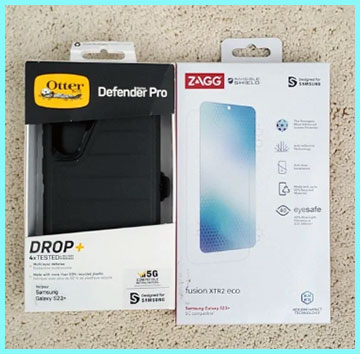
I have been a loyal customer of both brands over the last decade, often switching based on whatever phone case I happened to be using at the time.
My journey with Zagg started years ago with their original “military-grade” film.
It felt a bit rubbery, but it was virtually indestructible.
Fast forward to today, and I recently installed the Zagg InvisibleShield Glass XTR3 on my iPhone.
The installation process has become almost foolproof. They include this “EZ Apply” tray that fits over your phone, ensuring you don’t end up with that annoying crooked alignment.
What stood out to me immediately was the “VisionGuard” blue light filter. I stare at screens all day, and I genuinely noticed less eye strain without the screen looking yellow or tinted.
On the other hand, my experience with OtterBox has usually been in conjunction with their Defender series cases. I tried the OtterBox Amplify Glass Glare Guard recently. The synergy is the main selling point here. When I used a Zagg protector with an OtterBox case in the past, the edges of the case would sometimes push up against the glass, causing bubbles to form at the corners. With the OtterBox glass, the fit was millimetric perfection. It stopped exactly where the case began. The clarity was pristine, and it felt just like the native screen.
However, I did notice a difference in how they handle drops. I once dropped my phone face-down on a gravel driveway while using a Zagg protector. The protector shattered completely, looking like a crushed windshield, but my actual phone screen was flawless underneath. It sacrificed itself perfectly. With the OtterBox Alpha Glass, I had a similar drop on tile. The protector didn’t shatter; it just took a deep scratch. While I was happy it didn’t break, I was momentarily terrified the impact had transferred through to the phone (it hadn’t). Both do the job, but Zagg feels like it is designed to absorb and break, while OtterBox feels like it is designed to resist and deflect.
Read More: My Thoughts On Chubby Cable Screen Protector
Pros Of Zagg InvisibleShield
- Pioneering VisionGuard Blue Light Technology: One of the most significant advantages of choosing Zagg is their proprietary VisionGuard technology. In an era where we are glued to our devices for twelve hours a day, eye strain is a legitimate medical concern. Zagg has integrated a blue light filter directly into the tempered glass of their high-end models (like the Glass XTR3 and Glass Elite). Unlike software-based solutions like “Night Shift” that turn your beautiful OLED display into a sepia-toned mess, Zagg’s hardware solution filters out the harmful high-energy visible (HEV) blue light spectra without altering the color accuracy of the screen. I have edited photos and watched 4K movies through this glass, and the whites remain stark white, not yellow. For parents buying phones for teenagers or professionals working late, this passive eye protection is a massive value add that goes beyond just preventing cracks. It turns a safety accessory into a health accessory.
- The EZ Apply Installation System: If you have ever ruined a forty-dollar screen protector because you trapped a single speck of dust underneath it or aligned it slightly to the left, you know the anxiety of installation. Zagg has arguably the best installation system in the industry. Almost every retail package comes with their EZ Apply tray. This is a plastic guide that snaps over your specific phone model. You simply drop the glass into the frame, and it aligns itself perfectly with the speaker grilles and cameras. It essentially eliminates the human error aspect of the process. I have found that this system also helps significantly with bubble reduction. Because the glass drops flat rather than being rolled on manually, the adhesive spreads out evenly, pushing air to the edges. It transforms a stress-inducing surgical procedure into a ten-second task that anyone can do on their kitchen counter.
- Advanced Impact and Scratch Protection: Zagg does not just use standard glass; they often use aluminosilicate glass, which is chemically strengthened through an ion-exchange process. This is similar to the technology used in Gorilla Glass. The result is a surface tension that is incredibly resistant to surface scratches from keys, coins, and the abrasive sand that inevitably ends up in your pocket. In my usage, I have found that Zagg protectors maintain their “new” look longer than cheaper competitors. Even after months of abuse, the oleophobic (oil-repelling) coating remains intact, keeping fingerprints at bay. Furthermore, their D3O-infused models (like the XTR series) incorporate a material that hardens on impact. This is the same impact-absorbing material used in motorcycle armor and military gear. Having that layer of shock dissipation directly on your screen provides a level of drop protection that standard tempered glass simply cannot match.
- Comprehensive Lifetime Warranty Program: Zagg’s warranty program is legendary for a reason. They offer a limited lifetime warranty on almost all their screen protectors for as long as you own the device. If your protector chips, cracks, or even if you just botch the installation and get bubbles, they will send you a replacement. You only have to pay for the shipping cost (usually around $5 to $10). I have utilized this service multiple times over the years. The process is streamlined through their website—you register your product, click a button to request a replacement, and it ships. You usually have to send back the broken one or provide a photo, but they have made it very low-friction. This essentially means you are buying a “subscription” to a perfect screen for the life of your phone. For clumsy users, this pays for itself after the first drop.
- Wide Variety of Specialized Finishes: Zagg doesn’t just offer one type of clear glass. They cater to every possible user preference. They have “Glass Elite Privacy,” which creates a two-way filter preventing people sitting next to you on the bus from reading your texts. They have “Glass Elite Anti-Glare,” which has a matte finish that diffuses reflections—perfect for using your phone outdoors in direct sunlight or for mobile gamers who want a smoother, friction-free surface for swiping. This depth of product lineup allows you to customize the viewing experience of your phone. You aren’t just protecting the screen; you are upgrading it to suit your specific lifestyle needs.
Cons Of Zagg InvisibleShield
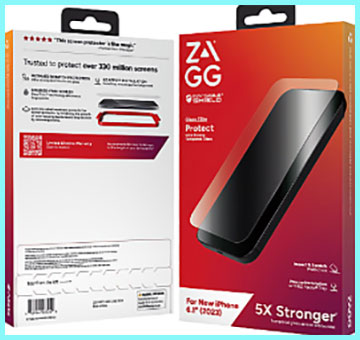
- Premium Pricing Structure: There is no getting around the fact that Zagg products are expensive. A top-tier Zagg screen protector can cost upwards of sixty dollars. When you compare this to a generic three-pack of glass protectors you can find on Amazon for ten dollars, the price difference is staggering. You are paying a 500% markup for the brand name, the warranty, and the specialized materials. For many budget-conscious consumers, spending that much money on a sacrificial layer of glass feels unjustifiable. If you are someone who rarely drops their phone, the advanced impact protection of D3O might be overkill, and your wallet will definitely feel the hit. You have to ask yourself if the warranty and the blue light filter are truly worth the price of a nice dinner out.
- Edge Chipping Issues: Despite the strength of the glass face, I have noticed a recurring issue with Zagg protectors where the edges are prone to chipping. This often happens even without a major drop. If you have your phone in a pocket with loose change, or if you set it down a bit too hard on a granite countertop, the very edge of the protector can develop a micro-fracture. Once this chip appears, it compromises the structural integrity of the entire sheet, and spiderweb cracks can slowly propagate from that point. It also creates a sharp edge that catches on your thumb when you swipe. While the warranty covers this, it is annoying to have to go through the replacement process and pay shipping fees repeatedly for minor cosmetic damage that occurs during normal use.
- Complexity of Product Lineup: While variety is a pro, it can also be a con. Zagg releases so many different versions of their protectors—Glass+, Glass Elite, Glass Elite VisionGuard, Glass XTR2, Glass XTR3—that it becomes incredibly confusing for the average consumer to know what they are buying. The packaging often looks similar, and the naming conventions are a word salad of buzzwords. I have stood in Best Buy staring at the wall of Zagg boxes, trying to figure out if the “Elite” is better than the “+,” or if I need the “XTR” for normal use. This confusion can lead to users overpaying for features they don’t need or accidentally buying an older model that offers less protection.
- Thickness Can Affect Case Fit: Some of Zagg’s more robust protectors, specifically the ones with multiple layers of impact protection and privacy filters, can be quite thick. This added millimeters of height can interfere with certain tightly fitting phone cases. I have had instances where the “lip” of a rugged case pushes against the side of the Zagg protector, causing it to lift. This creates a permanent air bubble around the perimeter of the screen that collects dust and lint. It forces you to choose between your preferred case and your preferred screen protector. While they advertise “case friendly,” they are not compatible with every case, especially those with aggressive front-facing protection.
- The “Orange Peel” Effect on Non-Glass Options: While most people buy the tempered glass versions, Zagg still sells film-based protectors (often branded as “Fusion” or original “InvisibleShield”). I have found that these hybrid polymer materials often suffer from an “orange peel” texture. When you look at the screen at an angle, the reflection isn’t perfectly flat; it looks rippled like the skin of an orange. This significantly degrades the visual clarity of a high-resolution OLED display. It makes the screen look cheap. Additionally, these softer materials are prone to indentation. If you press your fingernail into the screen, the mark might stay there permanently. For purists who want crystal clear optics, the non-glass Zagg options are a significant downgrade.
Pros Of OtterBox Screen Protector
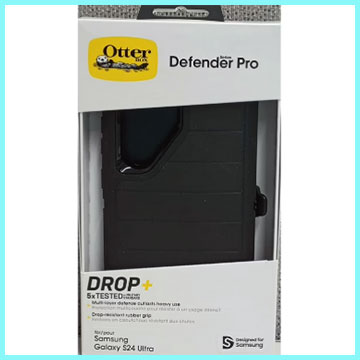
- Seamless Integration with OtterBox Cases: The single strongest argument for buying an OtterBox screen protector is the ecosystem integration. If you are already using a Defender or Commuter series case, the Alpha Glass is engineered to fit within the specific clearances of those cases. OtterBox designs their glass to leave just enough of a gap at the edges so the heavy-duty rubber bumper of their cases doesn’t interfere with the installation. This “Optimized for OtterBox” approach eliminates the lifting issues I mentioned with other brands. You get a complete 360-degree seal of protection without any gaps for dust to enter or leverage points for the glass to pop off. It is a system designed to work as a single unit.
- Exceptional Clarity and Touch Response: OtterBox places a huge emphasis on maintaining the native feel of the phone. In my testing, the Alpha Glass is incredibly thin and optically clear. When installed correctly, it practically disappears. You don’t get that “looking through a window” effect that thicker glass protectors sometimes cause. The touch sensitivity is also spot-on. I have never experienced “ghost touches” or had to press harder to get the phone to register a tap. For mobile gamers or people who type very quickly, this zero-latency feel is crucial. It feels like you are touching the original display, preserving the premium tactile experience of the device you paid a thousand dollars for.
- Fortified Tempered Glass Durability: OtterBox uses what they call “fortified” or “aluminosilicate” glass technology that is rated for 9H hardness. While this is a marketing term used by many, OtterBox’s execution feels robust. The glass is tempered to resist deep scratches that would normally compromise the screen’s integrity. I have carried an OtterBox-protected phone in a bag with keys, loose change, and charging cables, and the screen emerged flawless. The resistance to micro-abrasions means the screen stays looking glossy and new for longer. It doesn’t develop that cloudy haze that cheap plastic protectors get after a few months of swiping.
- Simplified, No-Nonsense Product Line: Unlike the confusing array of options from competitors, OtterBox keeps their screen protector lineup relatively simple. You generally have the “Alpha Glass” (standard clear), the “Amplify” (enhanced strength), and sometimes a “Privacy” variant. This streamlined approach makes shopping much easier. You don’t have to decipher a spec sheet to know if you are getting good protection. If it says OtterBox on the box, you know it meets a certain durability standard. This reliability and brand trust are huge for consumers who just want to buy a product and know it works without doing hours of research.
- Amplify Glass Made with Corning: For their premium “Amplify” line, OtterBox partners directly with Corning, the company that makes the Gorilla Glass found on the actual iPhone and Samsung screens.7 This partnership is a significant “pro.” It means the screen protector is made of essentially the same material as the screen itself. The thermal expansion, the feel, and the optical properties are matched perfectly. This scientific collaboration ensures that the protector behaves exactly like the native screen under stress. It provides a level of material science credibility that other third-party manufacturers struggle to replicate. You are essentially adding a second layer of Gorilla Glass on top of the first.
Cons Of OtterBox Screen Protector
- Lack of Advanced Installation Tools: One area where OtterBox lags behind Zagg is the installation experience. While some newer kits are including alignment frames, many OtterBox screen protectors still rely on a more manual installation method or a less sophisticated guide tool. I have found the “hinge method” or simple plastic guides provided by OtterBox to be less precise than the drop-in trays from Zagg. This increases the risk of misalignment. If you stick the glass down slightly crooked, you have to peel it up and try again, which introduces dust and weakens the adhesive. For a premium product, the unboxing and application experience feels a bit more “DIY” and higher risk than it should be.
- Limited “Extra” Features: OtterBox tends to focus on the basics: clarity and impact protection. They generally offer fewer bells and whistles compared to Zagg. You will find fewer options with built-in blue light filtration (though they are starting to add it), fewer matte/anti-glare options, and fewer niche variations. If you are looking for specific features like a gaming-focused matte finish or maximum blue light blocking for eye health, you might find the OtterBox catalog lacking. They are a “meat and potatoes” protection company, whereas Zagg is a “feature-rich” tech company.
- Price-to-Value Ratio: Similar to Zagg, OtterBox commands a premium price tag. However, because they often lack the extra features like the advanced EZ Apply tray or the D3O impact additives, the value proposition can feel slightly lower. You are paying heavily for the “OtterBox” name and the promise of compatibility. When you open the box and find just a simple sheet of glass and a wet wipe for fifty dollars, it can feel a bit underwhelming. The packaging and presentation don’t always scream “luxury” in the same way, making the high cost harder to swallow for some users.
- Edge Durability: While the face of the glass is strong, the edges of the Alpha Glass can be vulnerable if not paired with a case. The transition from the glass protector to the phone screen is sometimes not as tapered or rounded as other premium brands. This can leave a slightly “sharp” edge exposed if you go case-less. This exposed edge is a weak point where chips can start. If you are a user who prefers to use a phone “naked” (without a case) but wants a screen protector, the OtterBox glass might feel a bit rough on your thumb when performing edge-swipe gestures compared to the smoother 2.5D or 3D rounded edges found on competitors.
- Warranty Process Friction: OtterBox also offers a limited lifetime warranty, and while it is generally good, some users have reported it being slightly more cumbersome than Zagg’s. You still have to pay shipping, but inventory availability can sometimes be an issue for older models. Additionally, because OtterBox is primarily a case company, their screen protector support can sometimes feel like a secondary priority. Finding the exact replacement part on their website can sometimes be a navigation challenge compared to the dedicated focus of Zagg’s replacement portal.
Also Read: My Thoughts On Letsfit E26 Smartwatch
Frequently Asked Questions (FAQ)
Zagg is generally considered better for screen protectors specifically due to their superior installation trays, blue light filtration options, and D3O impact technology. OtterBox is better if you specifically want perfect compatibility with OtterBox cases.
Zagg is widely regarded as the market leader for screen protectors because of their innovation in materials (like XTR3) and their hassle-free warranty program.
Yes, Zagg is excellent. They offer high clarity, strong scratch resistance, and an industry-leading warranty that replaces broken protectors for the cost of shipping.
Usually, yes. Zagg designs their “Case Friendly” versions to leave a small gap at the edge. However, with extremely tight-fitting cases like the OtterBox Defender, you may occasionally experience edge lifting.
Conclusion
When the dust settles, the choice between Zagg and OtterBox depends on your priorities. If you want the absolute best screen protection technology available—featuring blue light filtering, easy installation, and advanced impact absorption—I highly recommend you choose Zagg. Their focus on the screen protector market means they are constantly innovating features that actually improve your daily usage. However, if you are a die-hard user of rugged cases and you want to ensure a perfect, gap-free fit with your Defender series case, then OtterBox Alpha Glass is the safer bet. It provides a seamless, integrated shield that works in harmony with your case to keep your device pristine.