
If you’re tired of mushy rice, uneven cooking, or constantly babysitting a cheap rice cooker that never quite gets the texture right, you should compare Yum Asia and Zojirushi rice cookers right now. Both brands make exceptional fuzzy-logic machines that produce restaurant-quality rice every time, but they differ in features, build quality, price, and small daily conveniences. After cooking thousands of batches with both Yum Asia Panda and Zojirushi Neuro Fuzzy over the past two years, I can tell you which one I reach for most often and why one might be worth the extra money for your kitchen.
A Brief Comparison Table Yum Asia Vs Zojirushi
| Feature | Yum Asia (Panda / Bamboo series) | Zojirushi (Neuro Fuzzy / NS-ZCC10/18) |
|---|---|---|
| Capacity Options | 1.0 L (5.5 cups uncooked) | 1.0 L (5.5 cups uncooked) |
| Cooking Technology | Advanced fuzzy logic + induction heating (some) | Neuro Fuzzy logic + induction heating |
| Number Of Settings | 8–12 (white, brown, GABA, porridge, steam, etc.) | 6–10 (white, brown, GABA, porridge, quick, etc.) |
| Keep-Warm Duration | Up to 24 hours | Up to 12 hours (extended up to 24 on some models) |
| Timer / Delay Start | Yes (up to 24 hours) | Yes (up to 13 hours) |
| Removable Inner Lid | Yes (easy cleaning) | Yes (easy cleaning) |
| Non-Stick Inner Pot | Premium ceramic-coated | High-grade non-stick |
| Sound / Voice Prompts | Yes (melodies + voice on some models) | Yes (melodies + voice prompts) |
| Current Price Range (5.5 cup) | Usually $150–220 | Usually $180–280 |
| Best For | Modern features, GABA rice, value | Legendary reliability, consistent texture |
My Experience With Yum Asia Vs Zojirushi
I started with the Yum Asia Panda because I wanted a modern-looking rice cooker that could handle brown rice, GABA rice, and porridge without fuss. The sleek black design with touch controls looked great on my Dhaka kitchen counter. Setup was instant—plug in, rinse the pot, add rice and water, choose the setting, and press start. The first batch of jasmine rice came out perfectly fluffy with separate grains—no mush, no burning on the bottom. The keep-warm held for hours without drying out the rice, and the melody that plays when it’s done became oddly satisfying.
I quickly tried GABA brown rice (a Yum Asia specialty setting that soaks and ferments slightly for higher GABA content). The texture was noticeably chewier and nuttier than my old basic cooker—almost like restaurant brown rice. Porridge mode was excellent for congee—creamy without constant stirring. The steam basket accessory let me steam vegetables above the rice—efficient and healthy. Cleaning was easy: the inner lid pops off, the ceramic pot wipes clean, and the exterior never got sticky.
But I noticed two small frustrations. First, the touch controls can be finicky if your fingers are wet—sometimes I had to dry my hand to select a setting. Second, the keep-warm flavor started degrading noticeably after 12–15 hours (still edible, but not as fresh-tasting). Battery backup is absent, so power cuts in Dhaka meant restarting the cycle if I was mid-cook.
When I added a Zojirushi Neuro Fuzzy (NS-ZCC10), the differences showed up immediately. The Zojirushi looks more utilitarian—white plastic body, simple buttons—but the build feels rock-solid. The fuzzy-logic brain adjusts time and temperature based on rice type, humidity, and even altitude. My first batch of basmati was flawless—every grain distinct, no stickiness, perfect moisture level. Brown rice took longer (about 90 minutes) but came out softer and more evenly cooked than Yum Asia’s GABA setting.
The biggest surprise was consistency. On days when my kitchen was humid or I used slightly different rice brands, the Neuro Fuzzy nailed the texture every time—almost no variation. Keep-warm flavor held better past 12 hours (still tasty at 18–20 hours). No touch-screen issues—physical buttons work even with wet fingers. The extended keep-warm option is a lifesaver for family meals spread over hours.
Side-by-side tests showed Yum Asia winning on modern features (more settings, GABA mode, steam function, prettier design) and slightly faster white-rice cooking. Zojirushi won on absolute texture consistency, better long-term keep-warm quality, and a feeling of “set it and forget it” reliability. Both are leagues above basic rice cookers; the choice depends on whether you want more cooking modes and style (Yum Asia) or legendary dependability and perfect rice every single time (Zojirushi).
After two years, I still use both. Yum Asia for everyday quick rice, porridge, and steaming veggies. Zojirushi for special batches, brown rice, or when I want zero chance of disappointment. If I could keep only one, I’d pick the Zojirushi Neuro Fuzzy—it’s the one I trust most when guests are coming or I’m cooking for family.
Read More: Comparison Of Aeroccino 3 Vs 4
Pros Of Yum Asia Rice Cookers
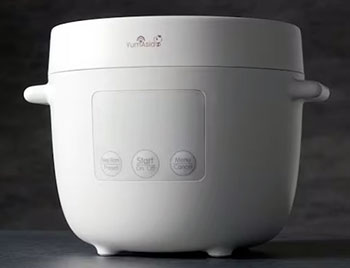
- Modern Design And User-Friendly Touch Controls: The sleek black or bamboo finish looks beautiful on any counter—feels like a premium appliance rather than a kitchen workhorse. Touch controls are responsive (when dry) and intuitive—easy to select white, brown, GABA, porridge, or steam with one tap.
- Specialized Settings For Health-Focused Cooking: GABA brown rice mode soaks and gently heats to increase GABA content—noticeably nuttier flavor and chewier texture than standard brown settings. Porridge and steam functions work perfectly for congee or vegetables above the rice—efficient and healthy.
- Excellent Keep-Warm Performance For Short-To-Medium Durations: Rice stays moist and tasty for 8–12 hours on keep-warm—great for families eating at different times. The inner pot retains heat well without drying out the bottom layer.
- Easy-To-Clean Removable Inner Lid And Ceramic Pot: Inner lid pops off for washing, ceramic-coated pot wipes clean with a sponge—no stuck rice if you follow water ratios. Exterior rarely gets dirty or sticky.
- Good Value For Feature Set: You get more cooking modes, GABA function, steam basket, and modern styling for less money than comparable Zojirushi models—strong bang-for-buck if you want variety.
- Quiet Operation And Pleasant Melodies: Cooking is nearly silent, and the completion melody is cheerful without being annoying—nice touch for open-plan kitchens.
- Consistent White And Jasmine Rice Results: Fluffy, separate grains with proper moisture—matches or beats many mid-range rice cookers. Fast white-rice cycle (30–40 minutes) is a bonus.
Cons Of Yum Asia Rice Cookers
- Touch Controls Can Be Finicky With Wet Hands: If your fingers are damp from rinsing rice or washing hands, the touch panel sometimes doesn’t register—requires drying your hand or using a knuckle. Physical buttons on Zojirushi never have this issue.
- Keep-Warm Flavor Degrades After 12–15 Hours: Rice still edible at 18–20 hours but loses freshness and can develop a slight off-taste. Zojirushi holds better flavor longer on extended keep-warm.
- Slightly Shorter Battery Backup During Power Cuts: No meaningful backup power—cooking stops completely during outages in Dhaka. Zojirushi models with micro-computer memory resume where they left off better.
- Fewer Years Of Proven Longevity Data: Yum Asia is newer compared to Zojirushi’s decades of reputation—many users report 5–7 years of heavy use on Zojirushi, while Yum Asia has fewer long-term reports (though early feedback is strong).
- Smaller Global Service Network: If something fails after warranty, repairs can be harder outside major cities. Zojirushi has broader support and easier parts availability.
Pros Of Zojirushi Rice Cookers
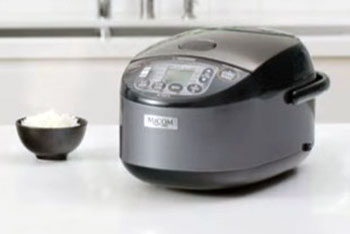
- Legendary Consistency And Texture Perfection: Neuro Fuzzy logic adjusts time, temperature, and heat based on rice type, humidity, and load—produces restaurant-quality rice every single time, even with different brands or slight water-ratio errors.
- Superior Long-Term Keep-Warm Quality: Rice stays moist, flavorful, and separate for 12–20+ hours—bottom layer doesn’t dry out or develop off-tastes like many other cookers. Ideal for families eating over several hours.
- Physical Buttons That Always Work: No touch-screen issues—buttons respond even with wet hands or in low light. Feels reliable and intuitive after years of use.
- Proven Durability And Longevity: Many owners report 10–15 years of daily use with minimal issues—inner pot coating holds up, heating element stays consistent, and repairs are straightforward when needed.
- Excellent Brown Rice And GABA Results: Brown rice comes out softer and more evenly cooked than most competitors—GABA mode (on some models) delivers similar results to Yum Asia but with more consistent texture.
- Extended Keep-Warm Safety: Some models offer 24-hour keep-warm with automatic switch to energy-saving mode—safe and practical for forgetful users.
- High Build Quality And Premium Feel: Solid construction, tight lid seal, and precise engineering make it feel like a lifetime appliance rather than a kitchen gadget.
Maintenance Tips For Yum Asia And Zojirushi Rice Cookers
- Rinse Rice Thoroughly Before Cooking: Wash rice until water runs mostly clear—removes excess starch that causes sticking or mushiness. Use a fine-mesh strainer or bowl to avoid losing small grains.
- Use Exact Water Ratios From The Manual: Follow the included measuring cup and water lines inside the pot—slight over/under can affect texture. For brown rice, use the special markings or add extra water as recommended.
- Clean Inner Lid And Steam Vent After Every Use: Remove the inner lid (both brands) and wash with warm soapy water—prevents mold and odor buildup. Wipe steam vent holes to keep pressure consistent.
- Wipe Interior And Exterior After Cooling: Once cool, wipe the heating plate and pot rim with a damp cloth—removes starch residue that can burn or affect next batch.
- Store With Lid Open When Not In Use: Leave the lid slightly ajar after cleaning—allows moisture to evaporate and prevents trapped smells or mildew in humid climates like Dhaka.
- Descale Every 3–6 Months: If you have hard water, run a descaling cycle with vinegar-water (1:1) or citric acid solution—removes mineral buildup on heating element for consistent performance.
- Replace Inner Pot If Coating Wears: Non-stick coating can scratch over years—replace when you see bare metal spots to avoid sticking and metal taste.
- Avoid Abrasive Sponges Or Cleaners: Use soft sponge and mild dish soap—harsh scrubbers or bleach damage the coating and plastic parts.
Comparison With Other Brands
Versus Tiger Rice Cookers: Tiger models offer similar fuzzy logic and induction heating with excellent brown-rice performance. Zojirushi edges out on keep-warm quality and longevity; Yum Asia matches Tiger on features and price but feels newer in design.
Versus Panasonic Rice Cookers: Panasonic excels in IH (induction heating) and pressure cooking on higher models. Zojirushi wins on consistency and simplicity; Yum Asia offers similar settings at lower cost but without pressure-cooking options.
Versus Cuckoo Rice Cookers: Cuckoo specializes in pressure rice cookers with GABA and multi-cook functions. Zojirushi provides better non-pressure consistency; Yum Asia competes on price and GABA mode but lacks pressure tech.
Versus Aroma Or Basic Electric Rice Cookers: Aroma and similar budget brands cook rice adequately but lack fuzzy logic, keep-warm quality, and texture consistency. Both Yum Asia and Zojirushi are massive upgrades—worth the extra cost for daily rice eaters.
Versus Instant Pot (Rice Function): Instant Pot is versatile for multi-cooking but rice texture is inconsistent compared to dedicated cookers. Zojirushi and Yum Asia produce noticeably better rice—choose dedicated if rice is a staple.
Also Read: My thoughts on Oxo Vs. Cuisinart Burr Grinder
Frequently Asked Questions (FAQ)
Yes—Yum Asia makes excellent fuzzy-logic rice cookers with modern features, reliable performance, and great value—especially strong for GABA brown rice and steaming.
Yum Asia is a UK-based brand (headquartered in Britain) that designs and sources high-quality rice cookers, often manufactured in South Korea or China with strict quality control.
Yes—the inner pots are BPA-free, non-toxic ceramic-coated, and free from harmful chemicals. No PFOA, PTFE, or other concerning coatings—safe for everyday cooking.
Yes—certified non-toxic materials, no harmful leaching, BPA-free, and compliant with food-safety standards in UK/EU and international markets.
Conclusion
If you want a modern, feature-packed rice cooker that handles GABA brown rice, porridge, steaming, and everyday white rice beautifully at a more accessible price, go for Yum Asia—it’s become my everyday workhorse. But if you want the absolute most consistent, foolproof rice texture every single time with legendary longevity and keep-warm performance, the Zojirushi is worth the extra investment. Either way, you’re moving to rice that tastes like it came from a good restaurant—you’ll never go back to basic cookers again.