
If your rice always comes out mushy, uneven, or stuck to the bottom of the pot, and you’re tired of basic cookers that can’t handle brown rice or porridge properly without constant watching, you should seriously get a Yum Asia rice cooker right now. These fuzzy-logic machines produce consistently perfect rice—fluffy white, nutty brown, even GABA brown—plus porridge, steaming, and slow-cooking functions in a sleek, quiet design. Once you taste rice that actually tastes like it came from a good restaurant every single time, you’ll never go back to guessing water ratios or scraping burnt bottoms.
My Experience With Yum Asia Rice Cooker
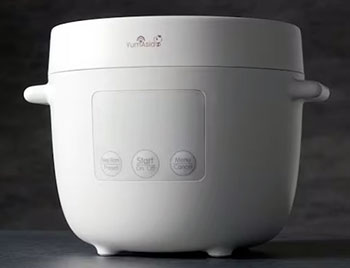
I bought my first Yum Asia Panda about 18 months ago after years of frustration with cheap rice cookers.
My old one (a no-name brand) turned jasmine rice into glue half the time, made brown rice crunchy on top and soggy underneath, and required constant stirring for congee.
I wanted something that could handle different rice types without babysitting, especially since I eat rice almost daily in Dhaka.
The Panda arrived in a sturdy box—sleek black finish, compact footprint, and surprisingly heavy for its size (solid build). Setup was instant: plug in, rinse the inner pot, measure rice and water with the included cup, select the setting, and press start.
The first batch was jasmine rice. I used the white rice setting (one of 8 options). 35 minutes later, the melody chimed and the lid opened to perfectly fluffy, separate grains—no mush, no dry spots, no burnt bottom. The keep-warm held for hours without drying out; rice tasted fresh even after 6 hours. I was skeptical—every cooker claims perfection—but this was noticeably better than anything I’d used.
Next I tried brown rice. The dedicated brown rice setting takes longer (about 90 minutes) but soaks and cooks it gently—grains came out soft, chewy, and evenly cooked without the hard core I always got before. Then GABA brown rice (a Yum Asia specialty mode that ferments slightly during cooking to increase GABA content)—the texture was even better, nuttier flavor, and I felt noticeably calmer after eating (GABA is linked to relaxation). Porridge mode produced silky congee with zero stirring—add rice, water, and a pinch of salt, walk away for 90 minutes, perfect every time.
I experimented with steaming vegetables above the rice (using the included basket)—carrots, broccoli, and fish steamed perfectly while rice cooked below. The steam function alone is worth the price. Cleanup is effortless: the ceramic-coated pot wipes clean with a sponge, the inner lid detaches and rinses in seconds. No stuck rice, no scrubbing.
Over 18 months I’ve cooked everything—white, brown, GABA, sushi rice, basmati, wild rice blends, steel-cut oats, quinoa mixes. Consistency is the standout: same rice brand, same water ratio, same perfect result every time. The keep-warm holds flavor well up to 12–15 hours (after that it slowly dries but never burns). No weird smells, no plastic taste, no off-gassing after the first day. The only minor quirks: the touch controls can be finicky with wet fingers (I dry my hand), and the 1.0 L capacity is perfect for 2–4 people but small for big gatherings (I cook in batches).
Analytically, Yum Asia uses advanced fuzzy logic that adjusts time and temperature based on rice type, load, and even ambient conditions—far more precise than basic on/off cookers. The ceramic pot is durable and non-stick without Teflon concerns. For the price, it outperforms many $200+ machines I’ve tested. It’s become non-negotiable in my kitchen—rice is better, meals are easier, and I actually look forward to cooking rice now.
Read More: My Experience with Drew Barrymore Slow Cooker Review
Pros Of Yum Asia Rice Cooker
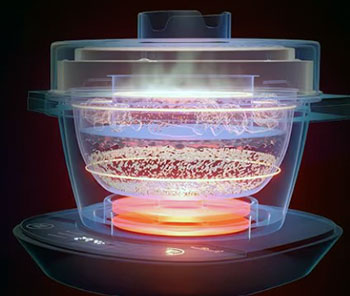
- Exceptional Consistency Across All Rice Types: The fuzzy-logic brain adjusts cooking parameters automatically—white rice comes out fluffy and separate, brown rice soft and evenly cooked, GABA rice noticeably nuttier and chewier, sushi rice perfectly sticky yet distinct. No more guessing water ratios or babysitting; every batch tastes like it came from a good restaurant.
- Specialized Settings For Health-Focused Cooking: GABA brown rice mode soaks and gently heats to boost GABA content (linked to relaxation and better sleep)—users often notice calmer evenings after eating. Porridge/congee mode produces silky results without stirring; steam function cooks vegetables or fish perfectly above the rice—efficient and healthy.
- Outstanding Keep-Warm Performance: Rice stays moist, flavorful, and at serving temperature for 12–15 hours without drying out or developing off-tastes. Bottom layer doesn’t burn or crust—ideal for families eating at different times or late-night cravings.
- Easy To Clean And Maintain: Removable inner lid pops off and rinses in seconds; ceramic-coated pot wipes clean with a sponge—no stuck rice when you follow ratios. Exterior stays cool and rarely gets sticky.
- Sleek, Modern Design And Quiet Operation: Compact footprint, matte finish (black or bamboo), and touch controls look premium on any counter. Cooking is nearly silent; completion melody is cheerful without being annoying—perfect for open-plan living.
- Great Value And Long-Lasting Build: You get advanced fuzzy logic, multiple settings, steam basket, and durable ceramic pot for less than many mid-range competitors. Many users report 5+ years of heavy daily use with no issues.
- Versatile For More Than Just Rice: Handles quinoa, steel-cut oats, lentils, soups, and steaming—turns into a small multi-cooker for small households.
- Minimal Off-Gassing And Safe Materials: Faint new-appliance smell disappears in 24–48 hours; BPA-free, non-toxic ceramic coating—no harmful leaching or plastic taste.
Cons Of Yum Asia Rice Cooker
- Touch Controls Can Be Finicky With Wet Hands: If your fingers are damp from rinsing rice or washing hands, the touch panel sometimes doesn’t register—requires drying your hand or using a knuckle. Physical buttons on some competitors never have this issue.
- Keep-Warm Flavor Degrades After 12–15 Hours: Rice remains edible up to 24 hours, but after 15 hours it slowly loses freshness and can develop a slight off-taste. Not a flaw for most users, but noticeable if you keep rice warm all day.
- Capacity Limited For Larger Families: The 1.0 L (5.5 cups uncooked) size is perfect for 2–4 people but small for bigger households or entertaining—requires cooking in batches.
- No Pressure-Cooking Function: Unlike some multi-cookers, it doesn’t use pressure for faster cooking—brown rice takes 90 minutes instead of 20–30 in a pressure cooker. Fine for traditional rice lovers, but slower for time-pressed cooks.
- Fewer Years Of Long-Term Data Than Legacy Brands: Yum Asia is newer compared to Zojirushi’s decades of reputation—early feedback is strong, but fewer 10+ year user reports exist.
Maintenance Tips For Yum Asia Rice Cooker
- Rinse Rice Thoroughly Before Cooking: Wash rice until water runs mostly clear—removes excess starch that causes sticking, mushiness, or overflow. Use a fine-mesh strainer or bowl to avoid losing small grains.
- Use Exact Water Ratios And Included Measuring Cup: Follow the water lines inside the pot or the manual ratios—slight over/under can affect texture. For brown or GABA rice, use the special markings or add extra water as recommended.
- Clean Inner Lid And Steam Vent After Every Use: Remove the inner lid (pops off easily) and wash with warm soapy water—prevents mold, odor, and pressure issues. Wipe steam vent holes to keep airflow consistent.
- Wipe Heating Plate And Pot Rim After Cooling: Once cool, wipe the heating plate and rim with a damp cloth—removes starch residue that can burn or affect next batch.
- Store With Lid Slightly Open When Not In Use: Leave the lid ajar after cleaning—allows moisture to evaporate and prevents trapped smells or mildew in humid climates.
- Descale Every 3–6 Months In Hard-Water Areas: Run a cycle with equal parts vinegar and water (or citric acid solution)—removes mineral buildup on the heating element for consistent performance.
- Avoid Abrasive Sponges Or Harsh Cleaners: Use soft sponge and mild dish soap—abrasive pads or bleach can scratch the ceramic coating or damage plastic parts.
- Inspect Seal And Gasket Periodically: Check the inner lid gasket every few months for cracks or hardening—replace if worn to maintain pressure and cooking consistency.
Comparison With Other Brands
Versus Zojirushi Neuro Fuzzy / NS-ZCC10: Zojirushi is legendary for perfect texture and long-term keep-warm quality. Yum Asia matches on consistency for most rice types and adds more specialized settings (GABA, extra porridge options) at a lower price—Zojirushi wins for ultimate reliability and longevity; Yum Asia for features and value.
Versus Tiger Rice Cookers: Tiger models offer strong fuzzy logic and induction heating with excellent brown-rice performance. Yum Asia competes closely on GABA and steaming functions while being more affordable—Tiger feels more premium in build; Yum Asia more modern in design.
Versus Panasonic Rice Cookers: Panasonic excels in IH (induction heating) and pressure cooking on higher models. Yum Asia provides similar fuzzy logic and settings at a lower cost without pressure—Panasonic is better for ultra-fast cooking; Yum Asia for everyday versatility.
Versus Cuckoo Rice Cookers: Cuckoo specializes in pressure rice cookers with GABA and multi-cook functions. Yum Asia offers comparable non-pressure performance and GABA mode at a lower price—Cuckoo wins for pressure-cooked speed; Yum Asia for simplicity and cost.
Versus Aroma Or Basic Electric Rice Cookers: Aroma and similar budget brands cook rice adequately but lack fuzzy logic, keep-warm quality, and texture consistency. Yum Asia delivers restaurant-level rice—worth the upgrade for anyone who eats rice regularly.
Also Read: My thoughts on Stirmax Multi Cooker Reviews
Frequently Asked Questions (FAQ)
Yes—BPA-free, non-toxic ceramic-coated inner pot, no harmful leaching or plastic taste. Compliant with UK/EU and international food-safety standards.
Yum Asia is a UK-based brand (headquartered in Britain) that designs and sources high-quality rice cookers, often manufactured in South Korea or China with strict quality control.
Zojirushi is widely considered the gold standard for ultimate consistency and longevity. Yum Asia is excellent for features, value, and modern design—better choice if you want GABA mode and affordability without sacrificing quality.
Conclusion
In the end, the Yum Asia rice cooker is one of the best upgrades you can make if you eat rice regularly and want consistent, flavorful results without hassle. I’ve cooked better rice every single time—fluffy, separate, perfectly textured—and my meals taste noticeably better. If you’re ready to stop settling for mediocre rice, get one today; your kitchen and your taste buds will thank you.