
We live in an age of constant fatigue. Whether you are standing on your feet for a twelve-hour shift, suffering from the dreaded “heavy legs” sensation after a long flight, or just dealing with the general sluggishness of modern life, the promise of a “detox while you sleep” is incredibly alluring. You have likely seen the ads for Xitox Foot Pads—simple white patches that you stick to your soles before bed, which purportedly turn black by morning as they draw out “toxins,” heavy metals, and metabolic waste. It sounds like the perfect biohack: effortless, visible results, and relief from leg cramps and brain fog. But in a wellness industry saturated with snake oil and placebo effects, you are right to be skeptical.
In this comprehensive review, I am going to walk you through the reality of Xitox Foot Pads. I will strip away the flashy marketing to analyze the actual ingredients, the science (or lack thereof) behind the color-changing phenomenon, and my personal experience using them for a full week. We will look at whether these sticky pads actually improve sleep and circulation, or if they are just expensive stickers that react to sweat. Whether you are battling restless legs or just looking for a better night’s sleep, this guide is designed to help you decide if Xitox is a legitimate wellness tool or just a sticky mess.
My Experience With Xitox Foot Pads
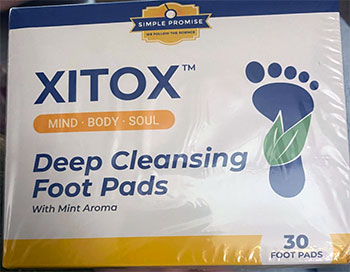
I decided to try Xitox after a particularly grueling month where my sleep quality had tanked and my calves felt like lead weights by 5 PM. I kept seeing the ads claiming these pads could help with “leg fatigue” and act as a “sea salt detox,” so I figured I had nothing to lose but a few dollars and some foot sweat. The package arrived relatively quickly, and the branding felt cleaner and more “medical” than some of the cheaper, cartoonish detox pads I have seen on Amazon.
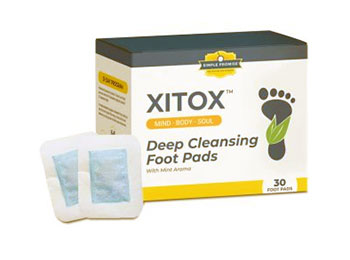
Opening the box, I expected a harsh chemical smell, but instead, I was greeted by a distinct aroma.
It was a mix of vinegar and something herbal, likely the wood vinegar and loquat leaf listed on the ingredients.
It wasn’t pleasant, per se, but it smelled potent, like a traditional Chinese medicine shop.
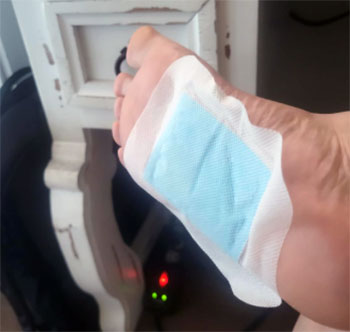
The pads themselves look like large tea bags with an adhesive backing.
I applied them right before bed as instructed. The process was simple: peel the sticker, place the “tea bag” in the center, and slap it onto the sole of your foot. I immediately noticed a warming sensation. It wasn’t burning, but a gentle heat that felt surprisingly relaxing. I put on a pair of socks (a tip I read online to keep them in place) and went to sleep.
The next morning, I woke up and peeled them off. This is the moment everyone talks about. The pads were pitch black, heavy, and coated in a slimy, sticky goo. It looked horrifying—like I had walked through a tar pit. Psychologically, it was incredibly satisfying. My brain immediately wanted to believe, “Wow, look at all that junk that came out of me.”
However, the cleanup was a nightmare. The black slime does not just wipe off; it requires scrubbing. I had to hop into the shower and use a stiff brush to get the residue off my soles. As for the results? I slept surprisingly well that first night. My legs felt a little lighter, perhaps due to the improved circulation from the heat or just the placebo effect of doing something “healthy.”
Over the next five days, I continued the ritual. The pads continued to turn black every single night, never getting lighter as some marketing claims suggest they will “once you are detoxed.” This raised my suspicions. I decided to test one pad by just misting it with tap water. Lo and behold, it turned the same black color within minutes. This confirmed that the color change is a chemical reaction to moisture, not necessarily “toxins.”
Despite the chemistry trick, I did enjoy the ritual. There is a soothing aspect to the tourmaline and the warmth that helped me relax before bed. It didn’t cure my life or remove heavy metals, but as a nightly foot care routine, it offered mild relief for my tired feet.
Read More: My Thoughts On Bandoo Foot Pads
Pros Of Xitox Foot Pads
When evaluating Xitox, you have to separate the “detox” claims from the actual physical benefits of the ingredients. There are legitimate reasons why people enjoy using these, even if the science of “toxin removal” is shaky.
- Promotes a Relaxing Nightly Ritual: The act of self-care before bed can be a powerful signal to your body that it is time to sleep. Applying these pads forces you to sit down, touch your feet, and focus on your body. The ingredients, specifically Tourmaline, emit mild far-infrared heat, which can improve local blood circulation. This gentle warming sensation acts similarly to a heat pack, helping to soothe sore muscles and relax the tension in the plantar fascia. Many users, myself included, report falling asleep faster simply because the warmth draws focus away from racing thoughts and down to the body.
- Contains Natural, Traditional Ingredients: Unlike some chemical-laden patches, Xitox relies on a blend of natural extracts. Wood Vinegar and Bamboo Vinegar have been used in Asian culture for centuries for their antibacterial and odor-absorbing properties. Loquat Leaf and Houttuynia Cordata are traditional herbs known for reducing inflammation. While they might not be pulling heavy metals out of your liver through your feet, absorbing these herbal essences transdermally can be soothing for the skin and helpful for reducing foot odor. For those who prefer natural remedies over popping sleeping pills or painkillers, this is a gentle, drug-free alternative.
- Excellent Money-Back Guarantee: One of the strongest selling points for the Xitox brand specifically (Simple Promise) is their guarantee policy. They typically offer a 365-day money-back guarantee. This is virtually unheard of in the supplement or wellness industry, where 30 days is the standard. This removes almost all the risk for the consumer. If you buy a six-month supply and decide after two months that it’s just a placebo, you can return the empty bottles/boxes for a refund. This level of customer protection suggests the company stands behind the user satisfaction aspect of the product.
- Easy and Passive Application: There are no exercises to do, no gross teas to drink, and no appointments to keep. It works passively while you sleep. For elderly users or those with limited mobility, this is a huge “pro.” You simply stick it on and go to bed. There is no friction to starting the habit. It fits seamlessly into a routine without requiring extra time or effort during the busy daylight hours.
Cons Of Xitox Foot Pads
Despite the relaxation benefits, there are significant drawbacks and misleading marketing tactics that you need to be aware of before purchasing.
- Misleading “Detox” Visuals: The black goo you see in the morning is not toxins; it is basic chemistry. The wood vinegar powder in the pad reacts with moisture (sweat) and heat to turn black and sticky. You can replicate this by holding the pad over a steaming kettle. This visual trick is designed to convince you that the product is working harder than it is. If you are buying this solely because you believe it is physically removing heavy metals or parasites from your blood, you are falling for a visual gimmick. The “detox” is largely psychological.
- The Sticky Residue is Difficult to Clean: This is the most practical annoyance of the product. The mixture of sweat, vinegar powder, and adhesive creates a tar-like substance that clings to your skin. A simple wet wipe is rarely enough to remove it. You often need soap, hot water, and a scrub brush to get your feet clean in the morning. If you are in a rush to get to work, adding a foot-scrubbing session to your morning routine is inconvenient. Furthermore, if the pad peels off during the night, this black goo can stain your expensive bed sheets or mattress topper.
- Distinct Vinegar Odor: While some find it herbal, many users find the smell of wood vinegar essentially repulsive. It smells like concentrated BBQ smoke mixed with old salad dressing. If you have a sensitive nose, or if your partner does, sleeping with this scent under the covers can be unpleasant. The smell can linger in your sheets or on your feet even after washing. It is not a neutral or “spa-like” lavender scent; it is a strong, medicinal, smoky odor.
- High Cost for a Disposable Item: Compared to a reusable heating pad or compression socks, Xitox is expensive to maintain. A single box typically lasts a month (or less if used nightly), and the price per box is significantly higher than generic bamboo vinegar pads found on Amazon. You are essentially paying $1 to $2 per night for a pair of stickers. Over the course of a year, this adds up to hundreds of dollars for a product that provides temporary, symptomatic relief rather than a cure. Generic brands offer the exact same ingredients for a fraction of the price.
Maintenance Tips For Xitox Foot Pads
While these are disposable, how you use and store them greatly affects their performance and the “mess factor.” Here is how to manage the Xitox routine effectively.
- Wash and Dry Feet Thoroughly Before Use: The adhesive on the pads needs a clean surface to stick to. If your feet are oily, sweaty, or covered in lotion, the pads will slide off in the middle of the night. Wash your feet with soap and warm water, and dry them completely—especially between the toes and on the arch—before applying. This ensures the ingredients make direct contact with your pores and that the pad stays secure until morning. Do not apply foot cream before using the pads, as it blocks the absorption of the vinegar and tourmaline.
- Wear Socks Over the Pads: This is the golden rule of foot pads. Once the pads are applied, put on a pair of snug (but not tight) cotton socks. This serves two purposes: First, it keeps the pads pressed firmly against your soles, increasing the heat and effectiveness. Second, and most importantly, it protects your sheets. If the pad leaks the black vinegar goo (which happens often if you sweat a lot), the sock catches the mess instead of your white duvet cover.
- Keep Baby Wipes on Your Nightstand: If you don’t want to hop in the shower immediately upon waking, you need a heavy-duty cleaning solution by the bed. Keep a pack of baby wipes or a damp washcloth on your nightstand. When you peel the pads off, immediately wipe away the bulk of the residue before your feet touch the floor. Otherwise, you will track black, sticky footprints all the way to the bathroom. A quick wipe lets you walk to the shower without ruining your carpet.
- Store in a Cool, Dry Place: The powder inside the pads is highly sensitive to moisture. If you leave the bag open in a steamy bathroom, the pads will start to harden and turn dark before you even use them. Keep them in their resealable bag or a Ziploc container, and store them in a cool, dry drawer away from humidity. If the powder feels hard or clumpy inside the pad before you apply it, it has likely already reacted with moisture and will be less effective.
Comparison with Other Brands

Xitox is not the only player in the foot detox game. To see if the premium price is worth it, we need to stack it up against the viral competition and the generic alternatives.
- Nuubu Detox Foot Patches: This is the most direct viral competitor to Xitox. Comparison: Nuubu and Xitox share almost identical ingredient lists (Bamboo Vinegar, Tourmaline, Loquat Leaf). The main difference is marketing and guarantee. Nuubu is often sold in aggressive “bundle” deals with countdown timers and a shorter return policy. Xitox (Simple Promise) offers that industry-leading 365-day guarantee. Nuubu pads are sometimes reported to be slightly smaller than Xitox. If you are nervous about whether it will work for you, Xitox is the safer bet because of the return policy. If you catch Nuubu on a massive sale, the product itself is effectively the same.
- Dr. Ento / Generic Amazon Brands: You will find dozens of brands selling 100-packs for $20. Comparison: These generic pads usually contain just Wood Vinegar and Cornstarch (Dextrin). They often lack the premium ingredients like Tourmaline (for heat) or Mint (for scent). The adhesive on generic pads is often terrible, falling off halfway through the night. However, the price difference is massive—often 10% of the cost of Xitox. If you just want the satisfaction of the “black pad” visual without the cost, generics are fine. If you want the actual soothing heat and aromatherapy benefits, Xitox uses higher quality herbal extracts.
- BodyPure: A legacy brand in the foot pad space. Comparison: BodyPure positions itself as the “original” and often emphasizes higher purity of bamboo vinegar. They tend to be more expensive and harder to find (often sold in health food stores). BodyPure pads are known to be less “gooey” than Xitox, which some users prefer for easier cleanup. Xitox is more accessible and has a better online purchasing experience. BodyPure is for the purist; Xitox is for the modern consumer looking for convenience.
Also Read: My Thoughts On Itsuki Kenko Health Patch
Frequently Asked Questions (FAQ)
No scientific evidence supports the claim that foot pads draw toxins like heavy metals out of the body. The liver and kidneys are the body’s primary detox organs. The black color on the pad is a chemical reaction between the wood vinegar powder and the sweat from your feet. However, the pads can stimulate circulation and provide a soothing sensation that helps with relaxation.
The pads contain wood vinegar (pyroligneous acid) and dextrin. When these ingredients come into contact with moisture (your sweat) and warmth, they oxidize and turn into a dark, sticky sludge. You can replicate this effect by spraying tap water on the pad; it will still turn black, proving the color change is not specific to “toxins.”
The manufacturer typically recommends using them for a 5-day cycle to start. Many users use them nightly until they feel relief from fatigue, then switch to maintenance use (once or twice a week). Using them every night is safe, but it can become expensive and drying to the skin on your feet over time.
The primary ingredients are Wood Vinegar, Bamboo Vinegar, Tourmaline, Chitosan, Loquat Leaf, Houttuynia Cordata Thunb, Vitamin C, and Dextrin. Some marketing mentions “Sea Salt,” but the core active components are the vinegars and tourmaline. The specific blend is designed to warm the foot and absorb moisture.
Conclusion
Xitox Foot Pads occupy a strange middle ground between effective herbal remedy and clever marketing trick. If you are buying them expecting a medical miracle that will purge your body of lead and mercury, you will be disappointed by the basic chemistry of the “color change.” However, if you view them as a soothing, self-care tool to help you relax, improve circulation, and focus on your sleep hygiene, they can be a valuable addition to your nightly routine.
The warming sensation of tourmaline and the ritual of application genuinely help many people sleep better and feel lighter in the morning. With the 365-day money-back guarantee, the risk of trying them is low. Just remember to wear socks to save your sheets, and keep a washcloth handy for the morning cleanup.