
If you suffer from Raynaud’s syndrome, poor circulation, or just dread the biting cold of winter mornings, you have likely found yourself scrolling through social media ads for heated apparel. One name that pops up frequently in these feeds is Weston, specifically their heated gloves and liners. They promise to be the ultimate solution for frozen fingers, offering battery-powered warmth that lasts all day. But with so many dropshipping brands flooding the market, it is hard to tell if Weston is a legitimate medical-grade solution or just another fast-fashion gadget.
In this review, I am going to break down the Weston Heated Gloves to see if they actually deliver on their promises of all-day heat and durability. I will analyze the battery performance, the comfort of the materials, and whether they can withstand real winter conditions like snow and sleet. Whether you are a skier, a winter commuter, or someone who just wants to walk the dog without losing feeling in your fingertips, this guide will help you decide if these gloves are worth the investment.
For those looking to purchase, I strongly recommend buying directly from the official Weston Store website rather than third-party marketplaces. This ensures you receive the latest version of the battery technology and, most importantly, qualifies you for their one-year warranty, which is crucial for electronic apparel.
My Experience With Weston Heated Gloves
I decided to pull the trigger on the Weston Heated Gloves after a particularly brutal cold snap left me with numb, white fingers after just twenty minutes of shoveling snow. I have always had poor circulation, and standard thinsulate gloves just weren’t cutting it anymore. I needed active heat, not just insulation. I chose Weston because their marketing specifically targeted Raynaud’s sufferers, which gave me hope that the heating elements would actually reach the fingertips where I needed it most, rather than just warming the back of my hand.
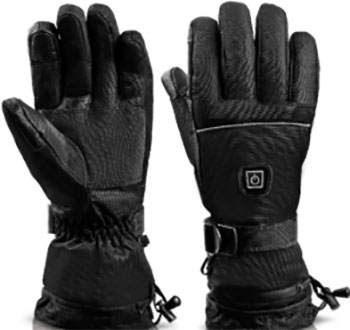
When the package arrived, it included the gloves, two rechargeable lithium-polymer batteries, and a dual-head charger.
The unboxing experience was straightforward, though I noticed immediately that the batteries were quite substantial.
They are rectangular and slide into a zippered pocket on the inner wrist of the glove.
I charged them fully overnight as the instructions recommended; the light on the charger turned from red to green after about four hours.
The next morning, it was 15°F (-9°C) with a wind chill that made it feel near zero. I plugged the batteries in and held down the power button on the back of the glove. The button lit up red (High setting), and within thirty seconds, I could feel the warmth spreading. It wasn’t a burning heat, but a gentle, pervasive warmth that felt like holding a warm mug of coffee. I was impressed by how quickly they heated up.
I took them out for a long hike with my dog. On the “High” setting, my hands stayed genuinely toasty for the first hour. However, I did notice that the heating elements seemed focused primarily on the back of the hand and the fingers, but not as intensely on the thumb. This is a common issue with heated gloves, but Weston did a decent job of getting the heat down to the first knuckle. The touchscreen compatibility was functional but clumsy; I could answer a call, but typing a text message was frustrating due to the bulk of the fingertips.
The biggest adjustment for me was the battery pack. Because the battery sits on the underside of the wrist, it can feel a bit bulky if you have a tight jacket cuff. I found myself having to loosen my coat sleeves to accommodate the glove gauntlet. It wasn’t a dealbreaker, but it did make checking my watch impossible without taking the glove off.
In terms of battery life, the “High” setting drained the juice in about two and a half hours, which is standard for this technology but a bit less than the “up to 8 hours” advertised. To get that 8-hour runtime, you have to keep them on “Low” (the blue light), which is fine for a mild chill but struggled to keep up with the biting wind on that freezing morning. I found the “Medium” (white light) setting to be the sweet spot, giving me about four hours of solid warmth.
After a few weeks of daily use, including scraping ice off my windshield and handling rough dog leashes, the outer shell held up well. They are water-resistant enough for snow, but I wouldn’t dunk them in a bucket of water. Overall, they transformed my winter experience from painful to manageable. They aren’t perfect—the bulk is noticeable—but the relief of having warm blood flowing to my fingertips was absolutely worth the trade-off.
Read More: My Thoughts On Seirus Xtreme All-Weather Gloves
Pros Of Weston Heated Gloves
When evaluating heated gear, you have to look beyond just “does it get hot?” and consider functionality, battery efficiency, and design. Weston has several strong points that make them a competitive choice in the mid-range market.
- Targeted Finger Heating for Circulation Issues: The most significant advantage of these gloves is the placement of the heating elements. Unlike cheaper generic brands that only place a heating pad on the back of the hand, Weston runs the carbon fiber heating elements down the length of the fingers. This is critical for people with Raynaud’s syndrome, as the fingers are the first triggers for a flare-up. By keeping the extremities warm, the gloves prevent the blood vessels from constricting, effectively stopping the “white finger” attack before it starts. The warmth surrounds the digits, providing a cocoon effect that standard insulation simply cannot mimic.
- Three Adjustable Heat Settings: The ability to toggle between Low (100°F), Medium (120°F), and High (130°F+) gives you control over your comfort and battery management. The power button is large, illuminated, and located on the back of the hand, making it easy to press even when wearing the gloves. This allows you to blast the heat on High for the first ten minutes to warm up your hands and the glove interior, then drop it down to Low or Medium to conserve battery for the rest of your walk. The LED color coding (Red, White, Blue) provides an instant visual indicator of your current setting and battery status, so you are never left guessing how much juice is left.
- Water-Resistant and Windproof Shell: While the heating is the star, the glove itself is constructed from a durable polyester blend that blocks wind effectively. This passive protection is just as important as the active heating; if the wind cuts through the fabric, the battery works twice as hard to maintain temperature. The outer shell sheds light snow and rain, keeping the inner fleece lining dry. For activities like shoveling snow or skiing on a dry day, this water resistance ensures that melting snow doesn’t seep through to your skin, which would instantly freeze your hands regardless of the heater. The extended gauntlet with a drawstring closure also helps seal out drafts and prevents snow from getting inside the wrist area.
- Touchscreen Compatible Fingertips: In the modern world, being able to use your smartphone without exposing your skin to the sub-zero air is a necessity. Weston includes conductive material on the index finger and thumb. While you won’t be writing a novel, it is responsive enough to swipe to answer a call, change a song on your playlist, or snap a quick photo. This feature saves you the agony of taking your gloves off for five seconds and losing all the accumulated heat, which can take minutes to rebuild. It adds a layer of convenience that makes the gloves practical for commuters and outdoor workers.
Cons Of Weston Heated Gloves
Despite their effectiveness, there are design limitations and performance quirks that potential buyers need to be aware of. They are not a magic solution without flaws.
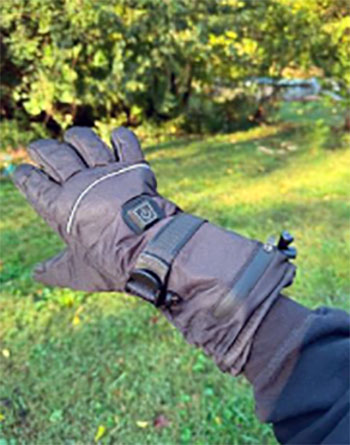
- Battery Placement and Bulk: The design choice to place the battery on the inner wrist is controversial and can be uncomfortable for some users. Because the battery is a solid rectangular block, it sits right where your pulse is. This can interfere with the fit of ski poles or gripping a steering wheel, as the battery creates a hard lump on the underside of your wrist. It also makes wearing a smartwatch or fitness tracker nearly impossible, as the battery presses directly against the watch face. For users with smaller wrists, the battery can feel heavy and drag the glove down, requiring you to cinch the wrist strap tighter than you might like.
- Battery Life Reality vs. Marketing: While the marketing claims “up to 8 hours” of heat, this is only achievable on the lowest setting in mild conditions. If you are buying these for extreme cold (below 20°F), you will likely need to use the High setting, which drains the battery in roughly 2 to 2.5 hours. This creates “range anxiety” for longer activities like a full day on the ski slopes. Unless you purchase a second set of spare batteries (which are an additional cost), you might find yourself with dead weight on your hands by lunchtime. The charging time is also significant, taking about 3-4 hours to fully replenish, meaning you can’t just quickly top them off during a coffee break.
- Sizing Inconsistencies: Many user reviews and my own observation point to sizing being a bit tricky with this brand. The fingers can sometimes run long while the palm area feels tight, or vice versa. Because the heating wires need to run close to the skin to be effective, a loose fit results in poor heat transfer. However, if they are too tight, they restrict circulation, which is counterproductive to the goal of warming your hands. The “unisex” sizing chart can be vague, leading to a trial-and-error process with returns and exchanges to find the perfect fit.
- Not Fully Waterproof: It is important to distinguish between “water-resistant” and “waterproof.” Weston gloves are water-resistant, meaning they shed water for a while, but they lack a Gore-Tex membrane or fully taped seams. In heavy, wet snow or pouring rain, the fabric will eventually “wet out,” becoming heavy and soggy. Once the insulation gets wet, the heating element struggles to evaporate the moisture, and your hands will feel cold and clammy. They are not suitable for ice fishing where you might be handling wet fish or dipping hands in water, nor for rainy motorcycle rides without additional rain covers.
Maintenance Tips For Weston Heated Gloves
Heated gloves are electronic devices, not just clothing. They require specific care to ensure the wiring doesn’t break and the batteries don’t degrade prematurely.
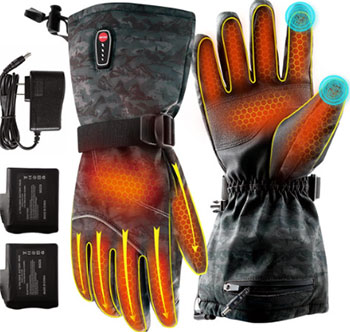
- Battery Care and Storage: The lithium-polymer batteries are the heart of the system and the most expensive part to replace. You should never store the batteries inside the gloves when not in use for long periods (like during the summer). Disconnect them and store them in a cool, dry place at about 50% charge. Storing a lithium battery at 0% or 100% for months can permanently reduce its capacity. During the winter season, try to charge them after every use, but avoid leaving them plugged into the charger for days on end, as “trickle charging” can generate excess heat and stress the cells.
- Proper Washing Protocol: You absolutely cannot throw these in the washing machine like a pair of socks. The agitation of a machine can twist and snap the thin internal wiring that delivers the heat. You must always remove the batteries first and zip the pocket closed. Hand wash the gloves gently in lukewarm water with a mild detergent. Do not wring or twist the gloves to get the water out; instead, squeeze them gently from the fingertips down to the wrist. Hang them to air dry vertically, ensuring the connector plug in the battery pocket is completely dry before plugging the battery back in.
- Protecting the Connectors: The small cable inside the battery pocket is the weak point of many heated gloves. When unplugging the battery, always pull from the hard plastic plug head, never by yanking the wire itself. Yanking the wire can separate the connection to the internal heating grid, rendering the glove useless. Periodically check the pocket for lint or debris that might get stuck in the connector port. If the connection becomes loose, the power might cut in and out when you move your wrist.
- Waterproofing Maintenance: Since the gloves rely on a DWR (Durable Water Repellent) coating for their water resistance, this coating will wear off over time. You can extend the life of the gloves by spraying them with a fabric waterproofing spray (like Scotchgard or Nikwax) at the start of every season. This helps the water bead up and roll off rather than soaking into the fabric. Keeping the outer shell dry is essential for the heating efficiency, as the battery wastes energy trying to dry wet fabric instead of warming your skin.
Comparison with Other Brands
Weston occupies a middle ground in the market, sitting above generic cheap options but below the premium outdoor brands. Here is how it stacks up against three major competitors.
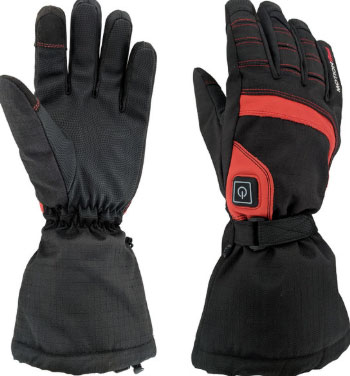
- Savior Heat Heated Gloves: This is the most direct competitor, often found on Amazon at a slightly lower price point. Comparison: Savior Heat and Weston share very similar specs (7.4V batteries, 3 heat settings, polyester build). However, Savior Heat often has the battery pocket on the back of the wrist (gauntlet style), whereas Weston often places it on the inner wrist. The Savior placement is generally considered more comfortable for holding poles or driving. Weston tends to have slightly better customer service and branding focused on medical needs (Raynaud’s), whereas Savior is a pure volume seller. If you are strictly budget-conscious, Savior is cheaper; if you want better warranty support, Weston is the safer bet.
- Outdoor Research (OR) Prevail Heated Gloves: Outdoor Research is a legitimate mountaineering brand known for high quality. Comparison: The OR Prevail gloves are significantly more expensive (often double the price of Weston). For that price, you get Gore-Tex waterproofing (truly waterproof), superior dexterity, and a much more rugged build quality. The heating elements in OR gloves are often integrated more seamlessly, so you feel the wires less. Weston is a “lifestyle” heated glove; Outdoor Research is “survival” gear. If you are skiing 50 days a year or working on an oil rig, buy Outdoor Research. For walking the dog or commuting, Weston is sufficient.
- Hestra Power Heater Gauntlet: Hestra is widely considered the gold standard for glove fit and leather quality. Comparison: Hestra gloves are made from goat leather and feature impeccable stitching that lasts for decades. The heating system in Hestra is robust, but the real value is the glove itself—it is warm even without the battery turned on. Weston gloves are reliant on the battery; once it dies, the insulation is just average. Hestra is a luxury investment ($400+ range) for serious winter sports enthusiasts who care about dexterity and fit above all else. Weston cannot compete on material quality, but it offers 80% of the heating function for 30% of the price.
Also Read: Comparison Of Jax Batting Gloves And Bruce Bolt
Frequently Asked Questions (FAQ)
The battery life depends entirely on the heat setting you choose and the ambient temperature. On the Low (Blue) setting, you can realistically expect 6 to 8 hours of warmth. On Medium (White), expect around 3.5 to 4.5 hours. On High (Red), the battery will typically last between 2 to 2.5 hours. Extreme cold will cause the battery to drain slightly faster.
No, you should never put Weston heated gloves in a washing machine or dryer. The mechanical spinning can break the internal heating wires. You must hand wash them gently with mild detergent after removing the batteries and let them air dry completely.
The heating elements in Weston gloves are strategically placed along the back of the hand and extend down the fingers to the fingertips. This configuration is designed to warm the blood as it flows into the hand and keep the extremities warm, which is vital for preventing numbness. Some users note that the thumb heating can feel slightly less intense than the other fingers.
Yes, many users with Raynaud’s report significant relief using these gloves. The active heat helps prevent the vasospasms that cause fingers to turn white and numb. Using the “Pre-heat” method (turning them on High for 5 minutes before going outside) is highly recommended for Raynaud’s sufferers to ensure the hands never get cold in the first place.
Conclusion
Weston Heated Gloves offer a practical, effective solution for anyone who dreads the winter cold. They bridge the gap between cheap, disposable hand warmers and exorbitantly expensive professional mountaineering gear. With a focus on targeted finger heating, they are particularly valuable for people with circulation issues like Raynaud’s, providing a level of comfort that standard gloves simply cannot match.
While they are not without their flaws—specifically the bulky battery placement and the limited battery life on high settings—they deliver on their core promise of keeping your hands warm. If you are a casual outdoor enthusiast, a commuter, or someone battling chronic cold hands, Weston Heated Gloves are a worthy investment that will change your relationship with winter. Just remember to treat them with care, hand wash them only, and keep those batteries charged.