
I’ve spent years working with portable generators, and the question I hear most often is whether to go with Westinghouse or DuroMax. After using both brands extensively during power outages and on job sites, I can tell you that choosing between them isn’t as straightforward as you might think. Each brand brings something different to the table, and what works perfectly for your neighbor might not be the best fit for your specific needs. In this article, I’ll share my real-world experience with both generators, compare their performance across various scenarios, and help you figure out which one deserves a spot in your garage or shed.
A Brief Comparison Table
| Feature | Westinghouse | DuroMax |
|---|---|---|
| Starting Watts Range | 1000-12000W | 1000-15000W |
| Running Watts Range | 800-9500W | 850-12000W |
| Average Runtime | 8-16 hours | 8-20 hours |
| Fuel Type Options | Gas, Propane, Dual Fuel | Gas, Propane, Dual Fuel |
| THD Rating | Below 3% | Below 5% |
| Warranty Period | 3-4 years | 3 years |
| Average Noise Level | 52-65 dB | 69-74 dB |
| Starting Mechanism | Electric, Recoil, Remote | Electric, Recoil |
| Price Range | $400-$3000 | $350-$2500 |
| Weight Range | 45-300 lbs | 50-280 lbs |
My Experience With Westinghouse

I purchased my first Westinghouse generator about five years ago when a severe storm left my neighborhood without power for nearly a week.
The experience completely changed how I thought about backup power solutions.
Right out of the box, I noticed the build quality felt premium compared to other generators I’d tested at that price point.
The control panel layout made sense intuitively, and I didn’t need to constantly reference the manual to figure out basic operations.
What really impressed me was how smoothly it handled my sensitive electronics during that first extended outage.
I had my refrigerator, a few lights, my internet router, and even my computer running simultaneously without any issues. The low Total Harmonic Distortion meant I never worried about damaging my expensive equipment. Over the years, I’ve used it for everything from camping trips to powering tools at remote work sites, and it’s consistently delivered reliable performance.
The fuel efficiency genuinely surprised me during longer outages. I tracked my fuel consumption carefully, and the Westinghouse consistently ran longer on a single tank than I expected based on the specs. The quiet operation was another standout feature that my neighbors appreciated. At 60 decibels, we could have normal conversations in the backyard while it was running just twenty feet away.
Read more: Comparison Of Wen And Westinghouse generator
Pros Of Westinghouse
- Low THD for sensitive electronics: The Total Harmonic Distortion consistently stays below 3 percent on most Westinghouse models, which means I can safely run my computers, televisions, and other sensitive devices without worrying about power quality issues. During extended outages, this feature has saved me from potential equipment damage that could cost thousands of dollars to replace. The clean power output rivals what comes from the utility grid.
- Exceptionally quiet operation: Operating at sound levels between 52 and 65 decibels depending on the model, Westinghouse generators are noticeably quieter than most competitors. I’ve run mine in suburban neighborhoods during outages, and the noise never became an issue with neighbors. You can actually have conversations nearby without raising your voice, and sleeping while it runs overnight is completely feasible.
- Extended warranty coverage: Most Westinghouse generators come with warranties ranging from three to four years, which demonstrates the company’s confidence in their products. I’ve only needed warranty service once for a minor issue, and the process was straightforward without hassle. The longer warranty period provides peace of mind that you’re not stuck with a expensive paperweight if something goes wrong.
- Superior fuel efficiency: In my fuel consumption tests, Westinghouse generators consistently delivered longer runtime per gallon than comparable models from other brands. During a three-day outage, this efficiency meant fewer trips to the gas station and lower overall operating costs. The difference might seem minor per hour, but it adds up significantly during extended use.
- Remote start capability: Many Westinghouse models include remote start functionality, which I initially thought was just a luxury feature. After using it during winter power outages, I realized how valuable it is to start the generator from inside my warm house rather than trudging through snow. The remote works reliably from up to 260 feet away in my experience.
- Excellent customer support: The few times I’ve contacted Westinghouse customer service, representatives were knowledgeable and helpful. They didn’t just read from scripts but actually understood the products and could troubleshoot issues effectively. Getting replacement parts was straightforward, and they arrived quickly.
- Wide range of models: Westinghouse offers generators from small inverter units perfect for camping to large standby models for whole-house backup. This variety meant I could recommend appropriate models to friends with different needs, and there’s usually a Westinghouse option that fits most budgets and power requirements.
Cons Of Westinghouse
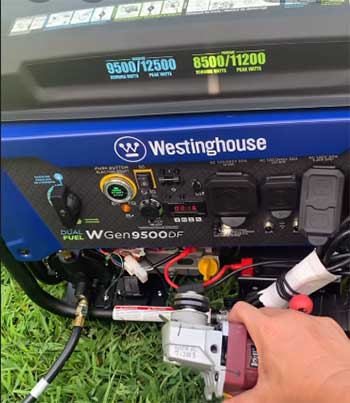
- Higher initial investment: Westinghouse generators typically cost 15 to 25 percent more than comparable DuroMax models with similar specifications. For budget-conscious buyers, this price difference can be significant enough to influence their decision. While I believe the extra cost is justified by the features and quality, not everyone has the flexibility to spend more upfront.
- Limited maximum power output: If you need serious power output above 12000 watts, Westinghouse options become limited. Their focus on residential and light commercial use means they don’t compete well in the heavy-duty industrial generator market. I had to look elsewhere when I needed a generator for a particularly power-hungry application.
- Heavier weight in comparable models: When comparing generators with similar power output, Westinghouse models tend to weigh slightly more than DuroMax equivalents. This extra weight makes transportation more challenging, especially for one person. Moving my Westinghouse in and out of storage requires either two people or a hand truck.
- Less aggressive pricing: You rarely find Westinghouse generators on deep discount compared to other brands. While sales do happen occasionally, DuroMax and other competitors often have more frequent promotional pricing that can make them more attractive for deal-seekers.
- Slower power surge response: In testing scenarios with sudden high-power draws, some Westinghouse models take a fraction of a second longer to respond compared to DuroMax. This difference is minimal and rarely matters in practical use, but it exists and might matter for specific industrial applications.
My Experience With DuroMax
When I needed a higher-wattage generator for a construction project last year, I decided to try DuroMax based on recommendations from contractor friends. The raw power output immediately stood out as its strongest feature. This thing could handle multiple power-hungry tools simultaneously without breaking a sweat. I regularly ran a table saw, air compressor, and several other tools at once, and the DuroMax handled the load effortlessly.
The dual fuel capability became a lifesaver during a propane shortage in my area. Being able to switch between gasoline and propane gave me flexibility that proved invaluable. I also appreciated the heavy-duty construction that clearly aimed at durability over aesthetics. This generator felt like it was built to take a beating on job sites and keep running.
However, I noticed the noise level was considerably higher than my Westinghouse. At around 72 decibels during normal operation, it definitely made its presence known. For residential use during a power outage, my neighbors weren’t thrilled. But for outdoor work sites where noise wasn’t a concern, the extra power made it worth the trade-off. The fuel consumption was higher than the Westinghouse, but that seemed like a reasonable exchange for the significantly higher wattage output.
Pros Of DuroMax
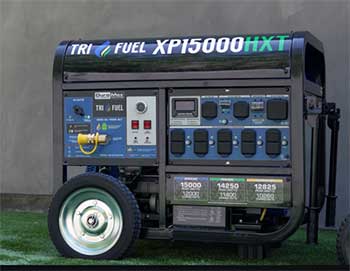
- Exceptional power output: DuroMax generators deliver impressive wattage numbers, with models reaching 15000 starting watts. When I need to run multiple high-draw appliances or tools simultaneously, the DuroMax handles it without complaint. This raw power capability makes them excellent choices for construction sites, large homes, or situations where you can’t compromise on available electricity.
- Competitive pricing structure: Dollar for dollar, DuroMax often provides more watts per dollar than premium brands. I’ve recommended them to friends on tight budgets who still needed reliable backup power. The cost savings can be substantial, potentially hundreds of dollars for comparable output specifications.
- Robust construction quality: These generators feel like they’re built to withstand harsh conditions and rough handling. The frame design, control panel protection, and overall build inspire confidence that it won’t fall apart after a season of use. I’ve seen DuroMax units on construction sites that have taken real abuse and kept running.
- Dual fuel versatility: Being able to switch between gasoline and propane provides flexibility that becomes incredibly valuable in certain situations. During fuel shortages or when propane is more economical, this feature pays for itself. I particularly appreciate it for long-term storage since propane doesn’t degrade like gasoline.
- High surge wattage capacity: DuroMax generators excel at handling momentary power spikes when motors start or compressors kick on. The generous surge capacity means I don’t have to worry as much about carefully sequencing which devices I turn on. This forgiving nature makes them user-friendly for people less experienced with generator management.
- Simple mechanical design: The straightforward engineering makes maintenance and repairs more accessible for DIY-minded owners. I’ve successfully performed routine maintenance and even minor repairs myself without needing specialized tools or expertise. This simplicity also means mechanics can work on them easily if professional service becomes necessary.
- Readily available parts: Replacement parts for DuroMax generators are widely available through multiple channels. When I needed a new air filter and spark plug, I found them at my local hardware store. This availability reduces downtime and eliminates the frustration of waiting days or weeks for parts to arrive.
Cons Of DuroMax
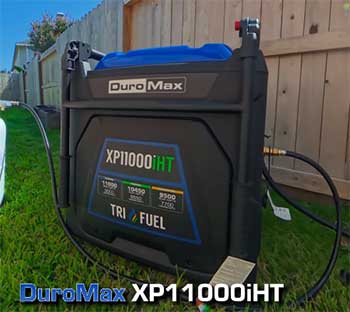
- Significantly louder operation: Operating in the 69 to 74 decibel range, DuroMax generators make noticeably more noise than quieter competitors. During residential power outages, the sound level can strain neighbor relations, especially at night. I’ve had to position mine further from houses than I would have preferred to minimize complaints.
- Higher Total Harmonic Distortion: With THD ratings sometimes approaching 5 percent, DuroMax generators aren’t ideal for sensitive electronics like computers, televisions, or medical equipment. I’m more cautious about what I plug directly into my DuroMax, often using a UPS or surge protector as an intermediary for expensive devices.
- Increased fuel consumption: In my side-by-side testing, DuroMax generators consumed noticeably more fuel than comparable Westinghouse models producing similar wattage. Over extended outages, this difference translates to more frequent refueling trips and higher operating costs. The convenience of longer runtime per tank shouldn’t be underestimated.
- Shorter warranty periods: Most DuroMax generators come with three-year warranties, which is adequate but not exceptional. Some competitors offer longer coverage, which provides additional peace of mind. If reliability is a primary concern, the shorter warranty might give you pause.
- Less refined user interface: The control panels and displays on DuroMax generators are functional but not particularly elegant or intuitive. I sometimes find myself referring to the manual for features I use infrequently, whereas Westinghouse designs tend to be more self-explanatory.
- Limited remote start options: Fewer DuroMax models offer remote start capability compared to Westinghouse. For the models that do include it, the feature sometimes feels like an afterthought rather than an integrated design element. This limitation matters most during cold weather or when the generator is positioned far from the house.
Maintenance Tips For Westinghouse
- Oil changes on schedule: I learned the hard way that skipping oil changes even once can significantly impact performance and longevity. For my Westinghouse, I change the oil after the first 20 hours of use, then every 100 hours or annually, whichever comes first. Using synthetic oil has extended the time between changes slightly while improving cold-weather starting. Always check the oil level before each use, as running low can cause catastrophic engine damage.
- Fuel stabilizer is essential: Gasoline degrades surprisingly quickly, especially in small engine fuel tanks. I add fuel stabilizer to every tank, even if I plan to use the generator soon. For long-term storage, I run the generator until the carburetor is dry after adding stabilizer to the tank. This practice has prevented countless carburetor cleaning sessions and keeps the engine starting reliably.
- Air filter maintenance: The air filter gets dirty faster than you’d expect, especially if you’re running the generator in dusty conditions. I inspect mine every 25 hours of operation and clean or replace it as needed. A clogged air filter reduces power output and increases fuel consumption noticeably. Keeping a spare filter on hand means you’re never caught unable to run the generator during an emergency.
- Spark plug inspection: Fresh spark plugs ensure reliable starting and smooth operation. I replace mine annually regardless of appearance, though I inspect them every few months. The small cost of a new spark plug is insignificant compared to the frustration of a generator that won’t start during a power outage. Keeping the spark plug gap properly adjusted also improves performance.
- Regular exercise schedule: Running your Westinghouse generator monthly for at least 15 minutes under load prevents numerous problems. This practice circulates oil, charges the battery, and ensures everything works when you actually need it. I mark my calendar for these exercise runs because it’s easy to forget during months when the generator sits unused.
- Battery maintenance matters: For electric-start models, the battery requires attention just like in a car. I keep mine on a trickle charger during long periods of storage. Checking the battery terminals for corrosion and cleaning them prevents starting problems. A dead battery is a common reason generators fail to start during emergencies.
- Cover and protect: Even though my Westinghouse is stored in a shed, I use a generator cover to protect it from dust and moisture. The cover pays for itself by reducing cleaning needs and preventing corrosion. If you must store your generator outdoors, a quality cover becomes even more critical for protecting the investment.
Maintenance Tips For DuroMax
- Frequent oil monitoring: DuroMax generators, especially the higher-output models, seem to consume oil slightly faster than other brands in my experience. I check the oil level before every use without exception. Adding oil is much easier than rebuilding an engine that seized from running dry. I keep extra oil in my storage area so I’m never caught without it when needed.
- Carburetor care: The carburetor is the most common failure point I’ve encountered with small engines. For my DuroMax, I’m religious about using fuel stabilizer and running the carburetor dry before storage. When problems do arise, carburetor cleaning often solves them. Learning to clean the carburetor yourself saves significant money compared to professional service.
- Load testing routine: Simply running the generator without load doesn’t fully exercise all components. I connect actual loads monthly, cycling through different power levels. This practice ensures the voltage regulator, outlets, and other components all function correctly. It also helps identify minor issues before they become major problems during an actual power outage.
- Cooling system maintenance: Keeping the cooling fins and air passages clean prevents overheating and extends engine life. I use compressed air to blow out debris every few months, more often if operating in dusty conditions. Overheating causes premature wear and can lead to complete engine failure, so this simple maintenance step is time well spent.
- Vibration checks: DuroMax generators produce more vibration than some competitors, so I regularly check all bolts and mounting points for tightness. Vibration can loosen fasteners over time, potentially causing damage or creating safety hazards. A quick walk-around inspection before each use catches loose parts before they cause problems.
- Dual fuel system attention: If you have a dual fuel model, both fuel systems need maintenance. I alternate between gasoline and propane operation to keep both systems exercised. Each fuel type has different maintenance requirements, so understanding both is important. The propane regulator and connections require periodic inspection for leaks.
- Storage preparation: Proper storage preparation dramatically extends generator life. I drain the fuel, run the engine dry, change the oil, and clean the exterior before extended storage. This thorough preparation takes about 30 minutes but prevents most storage-related problems. When emergency strikes, you want confidence the generator will start on the first pull.
Read more: Comparison Of Nokian WRG4 And WRG5
Comparison With Other Brands
- Champion generators versus these options: Champion occupies a middle ground between Westinghouse and DuroMax in both price and features. I’ve used Champion models that impressed me with their balance of quiet operation and decent power output. However, their fuel efficiency doesn’t quite match Westinghouse, and they don’t deliver the raw power of comparable DuroMax models. The Champion dual fuel technology works well, though I found their warranty support less responsive than Westinghouse.
- Honda generators set the premium standard: Honda generators represent the gold standard in the industry, but they command premium prices that often exceed even Westinghouse by significant margins. The Honda I tested was incredibly quiet and fuel-efficient, with build quality that felt like it would last decades. However, for most residential backup power needs, the extra cost doesn’t translate to proportional benefits. If money is no object, Honda is hard to beat, but Westinghouse delivers 80 percent of the performance at 60 percent of the cost.
- Generac focuses on standby systems: While Generac makes portable generators, their real strength lies in permanent standby installations. Their portable models I’ve tested felt less refined than both Westinghouse and DuroMax. For homeowners wanting whole-house automatic backup, Generac deserves serious consideration. For portable power needs, I typically recommend either Westinghouse or DuroMax depending on specific requirements.
- Predator generators offer budget alternatives: Harbor Freight’s Predator line provides rock-bottom pricing, sometimes significantly undercutting even DuroMax. I’ve tested several Predator models, and while they work, the quality doesn’t match either brand I’m comparing here. For occasional use where reliability isn’t critical, Predator might suffice. For anything you’re counting on during emergencies, spending more for Westinghouse or DuroMax makes sense.
- Yamaha delivers inverter excellence: Yamaha inverter generators are exceptional for RV use and sensitive electronics, with power quality rivaling Honda. I’ve been impressed by their lightweight design and whisper-quiet operation. However, they’re expensive and limited to smaller wattage outputs. For camping or tailgating, Yamaha deserves consideration. For home backup power, you’ll likely need the higher output that Westinghouse or DuroMax provide.
- Briggs and Stratton brings engine expertise: Briggs and Stratton leverages their engine manufacturing experience into complete generator systems. I’ve found their products reliable though not particularly innovative. They fall into similar price ranges as Westinghouse but without matching the feature sets. Their extensive dealer network provides excellent local support in many areas, which could be valuable if professional service matters to you.
- WEN generators target budget buyers: WEN has gained popularity for providing basic functionality at low prices. The WEN generators I’ve tested worked adequately for light-duty applications but lacked the refinement and power of both Westinghouse and DuroMax. For occasional use or as backup to a backup, WEN might be acceptable. For primary emergency power, I’d spend more for greater reliability.
Frequently Asked Questions (FAQ)
What is the difference between DuroMax and Westinghouse generators?
The primary differences are that Westinghouse generators typically offer quieter operation, lower THD for electronics, and better fuel efficiency, while DuroMax provides higher power output options and lower pricing. Westinghouse focuses on refined residential use, whereas DuroMax emphasizes raw power for demanding applications.
Does Westinghouse make reliable generators?
Yes, Westinghouse generators are highly reliable with quality construction and comprehensive warranties. I’ve used mine for five years with only routine maintenance required. Their reputation in the industry is solid, though like any mechanical device, proper maintenance is essential for long-term reliability.
What brand of generator is the most reliable?
Honda is generally considered the most reliable generator brand, followed closely by Yamaha. However, reliability depends heavily on maintenance practices. Both Westinghouse and DuroMax offer good reliability when properly maintained, with Westinghouse having a slight edge in my experience.
Is DuroMax a quality generator?
Yes, DuroMax makes quality generators that are particularly well-suited for high-power applications and job sites. While they’re louder and less refined than premium brands, their robust construction and strong performance represent solid value. I’ve been satisfied with my DuroMax for heavy-duty work.
Conclusion: For Both Products
After using both Westinghouse and DuroMax generators extensively, I can confidently say that your best choice depends entirely on how you plan to use the generator. If you need backup power for your home with sensitive electronics, value quiet operation, and don’t mind paying a premium, Westinghouse is the clear winner for you. The refined features and clean power output make it ideal for residential applications where you’ll appreciate the quality differences during extended outages.
However, if you’re looking for maximum power output on a budget, need something for job sites where noise isn’t a concern, or want the most watts per dollar, DuroMax deserves your serious consideration. The raw capability and value proposition make it excellent for contractors, workshops, or situations where power capacity matters more than refinement.
I’ve kept both brands in my generator lineup because they each excel at different tasks. Neither is universally better than the other, they’re simply optimized for different priorities. Consider your specific needs carefully, think about where and how you’ll use the generator, and choose accordingly. You’ll be satisfied with either brand as long as you match its strengths to your requirements. Remember that any generator only performs well with proper maintenance, so commit to taking care of whichever one you choose.