
If you are torn between WEN and Westinghouse generators, I know exactly how you feel because I have stood in that same aisle, weighing my options. My goal here is simple: to help you decide which portable power solution fits your specific needs by sharing my direct experience with both brands.
In this article, I will compare them head-to-head on reliability, fuel efficiency, and ease of use. Whether you need a backup for home outages or a quiet companion for camping, I’ll guide you to the right choice.
A Brief Comparison Table
| Feature | WEN Generators (General) | Westinghouse Generators (General) |
| Primary Manufacturing Origin | China (US-based Design/Support) | Vietnam / China (US-based Engineering) |
| Price Point | Generally Lower (Budget-Friendly) | Mid-Range to Premium |
| Fuel Efficiency | Moderate | High (Excellent Runtime) |
| Noise Level | Very Quiet (51-53 dBA usually) | Extremely Quiet (Low as 52 dBA) |
| Standout Feature | Fuel Shutoff Valve (prevents gumming) | LED Data Center & Runtime |
| Warranty | 2-Year Limited | 3-Year Limited (Residential) |
| Engine Type | Yamaha-Clone 4-Stroke | Westinghouse OHV 4-Stroke |
| Customer Support | US-Based (Helpful, accessible) | Mixed (Good phone support, sparse service centers) |
| Ideal User | DIYers, Budget-conscious campers | RV owners, Long-duration users |
My Experience With WEN Generator
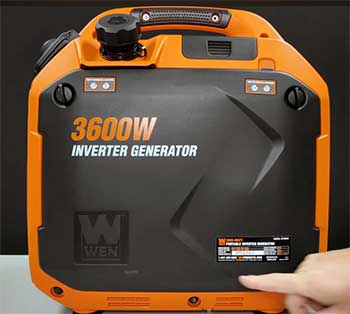
I remember unboxing my first WEN generator, specifically the 56200i inverter model, with a mix of skepticism and hope.
I had read that WEN was the “budget king,” but I worried that a lower price tag meant cutting corners on build quality.
I was pleasantly surprised. The unit felt dense and solid, not rattly or cheap.
During my time using it, the standout moment came during a sudden storm that knocked out power for two days.
I hauled the WEN out to the back patio, and it started on the second pull—no fuss. What I genuinely appreciated was the “Eco-Mode.” I plugged in my fridge and a few lights, and the engine idled down to a hum that was barely audible from inside the house. It didn’t scream like the open-frame contractor generators my neighbors were using.
However, it wasn’t all perfect. I noticed that after about six months of sitting in the garage, it took a bit of coaxing to start. This taught me the importance of their “Fuel Shutoff” feature, which allows the carburetor to run dry. Once I started using that feature religiously, startup issues vanished.
I also found the oil change process a bit messy due to the awkward placement of the drain plug, requiring a makeshift funnel to avoid spilling oil inside the casing. Despite these minor quirks, the WEN felt like a trusty, scrappy underdog that punched well above its weight class. It didn’t have the fancy digital displays of more expensive units, but it delivered power consistently when I needed it most.
Read more: Comparison Of Nokian WRG4 And WRG5
Pros Of WEN Generator
- The Fuel Shutoff Feature is a Game Changer: This is arguably the single best design choice WEN makes, and I cannot stress enough how vital it is for casual users. Most generator problems are caused by old fuel gumming up the carburetor.1 WEN includes a specific switch position that cuts off the fuel flow while keeping the engine running, allowing it to burn off the remaining gas in the carb bowl before shutting down.2 This means when you go to start it six months later, you aren’t fighting a clogged jet. It saves you hours of maintenance and frustration.
- Incredible Value for the Price: When you break down the cost per watt, WEN is almost always the winner. I found that I was getting 90% of the performance of a premium brand (like Honda or Yamaha) for about 40% of the price. For homeowners who only need a generator for occasional storms or weekend camping trips, the return on investment is massive. You aren’t paying for a brand name; you are paying for raw utility, and WEN delivers that in spades.
- Surprisingly Quiet Operation: I expected a “budget” generator to be loud, but the inverter models are whisper-quiet. The sound dampening casing works exceptionally well. Standing 20 feet away, I could have a normal conversation without raising my voice. This makes it perfect for campsites where noise restrictions are strict, or for residential neighborhoods where you don’t want to become the enemy of your HOA during a blackout.
- Compact and Lightweight Design: Most WEN inverter models, like the 56200i or the 56235i, are designed with portability in mind.3 They usually feature a suitcase-style handle that makes them easy to carry with one hand. I found this incredibly helpful when moving the unit from my garage to the backyard or lifting it into the trunk of a car. You don’t need a team of two people to move it, which adds to the “DIY-friendly” nature of the brand.
- US-Based Customer Support: While the manufacturing happens overseas, the support team is based in Illinois. I had to call them once regarding a spark plug gap question, and I actually spoke to a human who knew the product, rather than reading from a generic script. That level of accessibility provides a safety net that many other budget import brands simply do not offer.
Cons Of WEN Generator
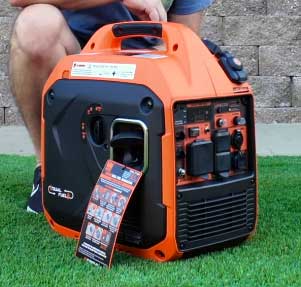
- Spark Plug Quality Issues Out of the Box: One of the most common complaints, and one I experienced myself, is the poor quality of the stock “Torch” brand spark plug. Upon arrival, my unit ran slightly rough. After doing some research, I swapped the stock plug for an NGK equivalent, and the difference was night and day. The engine ran smoother and started faster. It is a cheap fix, but it is annoying that you essentially have to upgrade a brand-new machine to get peak performance.
- Oil Change Messiness: The engineering layout for maintenance leaves a little to be desired on some models. The oil drain port is often recessed or positioned in a way that makes it nearly impossible to drain the oil without getting some on the chassis or the floor, even with the provided funnel. It requires you to tilt the machine awkwardly or prop it up on blocks. If you are not careful, you end up with a puddle of oil inside the plastic housing, which is difficult to clean out.
- Limited Runtime Compared to Competitors: While efficient, WEN generators often have slightly smaller fuel tanks or slightly less efficient fuel mapping than their premium counterparts. In my direct comparison, I found myself refueling the WEN slightly more often than the Westinghouse during long-duration outages. It’s not a dealbreaker, but if you need to run a generator overnight (8-10 hours) without waking up to refuel, you have to be very careful about your load management with a WEN.
- Plastic Components Feel Less Durable: While the engine is solid, some of the exterior plastic shell and the access doors feel a bit flimsy. The side panel door on my unit, which you remove to check the oil, uses plastic tabs that feel like they could snap if you pull them too hard in freezing temperatures. It is a cosmetic and tactile issue rather than a functional one, but it reminds you that this is a budget-friendly unit.
- Parts Availability for Major Repairs: While consumables like filters and plugs are easy to find, specific internal components like stator coils or inverter boards can sometimes be out of stock. If you have a catastrophic failure outside of the warranty period, you might find yourself waiting weeks for a part or finding that the cost of the part rivals the cost of a new unit.
My Experience With Westinghouse Generator
Switching over to the Westinghouse, specifically the iGen2200, felt like upgrading from a reliable economy car to a mid-range sedan with better trim. The first thing I noticed was the aesthetics; it looked modern and sleek. But looks don’t generate power, so I put it to the test during a camping trip in the Appalachians.
The Westinghouse impressed me immediately with its fuel efficiency. I filled the tank before bed, plugged in a small heater and my phone chargers, and woke up the next morning with the generator still purring. The runtime was noticeably better than other units I have used in this class. It seemed to sip fuel rather than guzzle it.
I also appreciated the “Data Center” on the front panel. Instead of guessing how much load I was putting on the generator, the LED display cycled through voltage, frequency, and remaining runtime. This feedback loop is incredibly useful. However, I did run into a hiccup with “hunting” (the engine revving up and down) when it was brand new.
It turned out to be a sensitivity issue with the carburetor that settled down after a break-in period and some fresh, high-octane fuel. Once broken in, the Westinghouse felt incredibly refined. It was quieter than the WEN by a hair, but the tone of the engine was smoother, less raspy. It felt like a machine built for the long haul.
Pros Of Westinghouse Generator
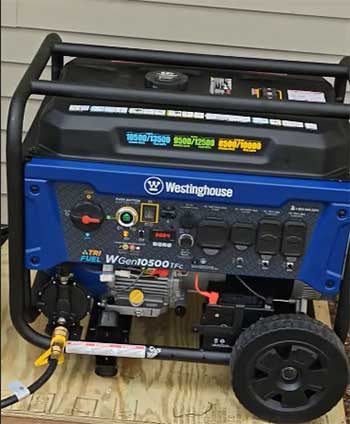
- Superior Fuel Efficiency and Runtime: This is the Westinghouse superpower. In my usage, the iGen series consistently outlasted the competition on a single tank of gas. For example, running at 25% load, I could easily get through a long night of camping without needing a refill. This efficiency saves you money on gas over time and, more importantly, saves you the hassle of waking up at 3 AM to pour gasoline in the dark.
- Extremely Low Noise Profile: Westinghouse has mastered the art of muffling.4 The double-insulated acoustic enclosure works wonders. The sound output is often rated as low as 52 dBA, which is quieter than a normal conversation.5 When I had this running at a campsite, my neighbors 30 feet away didn’t even know it was on. If stealth and silence are your priorities, Westinghouse wins this category hands down.
- Informative LED Data Center: Unlike many competitors that just give you a “low oil” light and an “overload” light, many Westinghouse models come with a digital display. Being able to see the fuel level, power output, and remaining runtime estimates at a glance is a luxury I didn’t know I needed until I had it. It takes the guesswork out of load management. You know exactly when you are pushing the limit or when you need to prep for a refuel.
- Higher Starting Watts: In the portable class, every watt counts. Westinghouse generators often provide a slightly higher “peak” or “starting” wattage compared to similarly sized competitors.6 This extra headroom is critical when starting inductive loads like the compressor on an RV air conditioner or a large refrigerator. That extra 200 watts of surge power can be the difference between starting your AC and tripping the overload breaker.
- Parallel Capability is Easy to Use: While many brands offer parallel kits (connecting two generators for double power), Westinghouse makes it very seamless. The ports are easily accessible, and the brand supports pairing different models within their iGen line relatively easily. This allows you to start with a small unit and expand your system later if your power needs grow, providing a scalable power solution.
Cons Of Westinghouse Generator
- Carburetor Sensitivity: The flip side of high efficiency is a finely tuned carburetor that can be temperamental. I found that the Westinghouse units are very sensitive to stale fuel. If you leave gas in the tank for more than a month without stabilizer, you are almost guaranteed to have starting issues or “hunting” (fluctuating RPMs). It demands a stricter maintenance discipline than some looser, more forgiving engines.7
- Customer Service Logistics: While the support agents are helpful, the network of authorized service centers can be sparse depending on where you live. If you have a warranty claim that requires a physical repair, you might find yourself having to drive an hour or more to a certified shop, or worse, having to ship the unit. This logistical hurdle can be frustrating if you rely on the generator for daily power.
- Price Premium: You definitely pay for the extra features and the brand name. A Westinghouse generator generally costs 15-20% more than a comparable WEN model. While you get better runtime and a nicer display, budget-conscious buyers might find it hard to justify the extra cost if they only plan to use the generator once or twice a year.
- Plastic Oil Fill Access: Similar to WEN, the access to the engine internals is through a plastic side panel. On the Westinghouse, this panel sometimes uses screws that can strip if you aren’t careful, or the plastic clips can wear out over time. For a machine that feels premium in other areas, the access panels feel a bit cheap and can be annoying to remove for routine checks.
- Choke Placement Confusion: On some models, the choke is automated or integrated into a dial, while on others, it is a manual pull. I found the labeling on the “Run/Start/Choke” dial to be a bit vague on the iGen2200. It is easy to accidentally leave it in “Choke” mode for too long, causing the engine to run rich and smoke. It takes a few tries to get the “feel” of the dial just right.
Maintenance Tips For WEN Generator
- Upgrade the Spark Plug Immediately: As I mentioned in the cons, the stock plug is often the weak link. Go to an auto parts store and buy the matching NGK spark plug (usually an NGK BPR6ES or similar, check your manual). Gap it correctly using a gapping tool—do not assume it is correct out of the box. This single $5 upgrade will solve 80% of starting and rough idling issues.
- Use the Fuel Shutoff Every Time: Never just hit the “Stop” button unless you plan to restart the generator within the same day. Always turn the dial to “Fuel Off” and let the engine die on its own. This drains the carburetor bowl completely. By doing this, you prevent the tiny jets inside the carb from getting varnished by evaporating fuel. This is the secret to having your WEN start on the first pull after six months of storage.
- Magnetic Dipstick Investment: WEN generators, like most small engines, break in by wearing down rough metal edges inside the cylinder. This creates microscopic metal shavings. The stock dipstick is plastic. I highly recommend buying an aftermarket magnetic dipstick. It attracts these metal shavings and pulls them out of the oil circulation, significantly extending the life of your engine.
- Valve Clearance Adjustment: After the first 50-100 hours of use, the valves on these engines tend to tighten up. If you notice the generator is hard to pull-start or backfires, it is time to check the valve lash. You will need a set of feeler gauges. It is a straightforward process outlined in the manual, but neglecting it can lead to burnt valves and a dead engine.
- Clean the Spark Arrestor: The spark arrestor is a small screen on the muffler that prevents sparks from exiting. Over time, it gets clogged with carbon buildup, especially if you run the generator on “Eco-Mode” often (which runs the engine cooler and richer). Every 50 hours, remove this screen and scrub it with a wire brush. A clogged arrestor will choke the engine and kill your power output.
Maintenance Tips For Westinghouse Generator
- Strict Fuel Hygiene is Mandatory: Because Westinghouse carburetors are precision instruments, they have zero tolerance for water or ethanol separation. Use non-ethanol gas if you can find it. If you must use pump gas, add a high-quality fuel stabilizer (like Sta-Bil or Seafoam) to the can before you fill the generator. Never let fuel sit in the tank for more than 30 days.
- Frequent Oil Changes During Break-in: The manual usually suggests an oil change after the first 20 hours, but I recommend doing it after the first 5 hours. You want to flush out the metallic glitter from the manufacturing process as soon as possible. After that, stick to the 50-hour interval. Use a high-quality synthetic 10W-30 oil to help with cold starts and engine protection under high heat.8
- Battery Maintenance (Electric Start Models): If you have a larger model like the iGen4500 with electric start, the small lead-acid battery can die if left sitting. Buy a small “trickle charger” or battery tender and keep it connected when the generator is stored. There is nothing worse than having an electric start generator that you have to pull-start because the battery is dead.
- Air Filter Inspection: The foam air filter on Westinghouse units is easy to access. Check it every time you change the oil. If it looks dirty, wash it in warm soapy water, let it dry completely, and then saturate it with a small amount of clean engine oil (squeeze out the excess). A clean air filter ensures the fuel-air mixture stays correct, preventing the engine from running too rich.
- Run It Monthly: The best maintenance for a Westinghouse generator is to use it. Run it for 20 minutes once a month under a moderate load (like a space heater). This gets the oil hot enough to boil off moisture condensation inside the crankcase and keeps the magnetic parts of the generator head energized.
Read more: Comparison Of Ecoflow Delta Pro And Anker Solix F3800
Comparison with other brands
- WEN vs. Honda: Honda is the gold standard for portable generators (specifically the EU series). Compared to Honda, WEN is significantly louder and heavier, and the fit and finish are not as polished. However, a Honda 2200-watt generator can cost upwards of $1,100, while a comparable WEN is often under $450. You are getting 90% of the utility for 40% of the price. If you need a generator for daily commercial use, buy the Honda. For emergency backup or occasional camping, WEN is the smarter financial choice.
- Westinghouse vs. Predator (Harbor Freight): Predator generators are incredibly popular and sit in the same market segment. In my experience, Westinghouse has a slight edge in build quality and features (like the LED display) over the standard Predator models. Westinghouse also generally offers a better warranty (3 years vs. Predator’s standard 90 days unless you buy the extended warranty). However, Predator parts are widely available at Harbor Freight stores, whereas Westinghouse parts usually have to be ordered online.
- WEN vs. Champion: Champion is another top contender in the value space. Champion generally has a better reputation for customer service and a wider network of service centers than WEN. Champion generators often come with more “extras” in the box, like LPG hoses for dual-fuel models. However, WEN often beats Champion on pure price. Reliability-wise, they are very similar, likely coming from similar manufacturing supply chains in China. If dual-fuel is your priority, Champion often has better options, but for straight gas inverters, WEN is more cost-effective.
- Westinghouse vs. Yamaha: Similar to Honda, Yamaha is a premium Japanese brand. Westinghouse uses engines that are similar in design to Yamaha (OHV), but Yamaha’s longevity is legendary. A Yamaha generator can easily last 10+ years of heavy use. Westinghouse is built well, but I would expect a shorter overall lifespan (5-7 years of moderate use) before major components need attention. Again, the price difference is the main factor; you pay a premium for Yamaha’s durability.
- General Market Position: Both WEN and Westinghouse sit in the “High-Value Consumer” tier. They are above the generic, unbranded “junk” generators you find on random websites, but below the professional/commercial tier of Honda and Yamaha. They represent the sweet spot for the average homeowner who wants reliability without breaking the bank.
Frequently Asked Questions (FAQ)
It depends on your priorities. If you want the best value and the fuel shutoff feature, WEN is better. If you prioritize fuel efficiency, runtime, and a digital data display, Westinghouse is better.
Historically, Honda and Yamaha are the most reliable due to Japanese engineering and high-quality components, but they are much more expensive.9 Among budget brands, Westinghouse and Champion are considered very reliable.
Yes, for the price. WEN generators are widely regarded as the best “bang for your buck.” They use reliable engines (often Yamaha clones) and are durable enough for residential and recreational use.10
WEN generators are manufactured in China to the specifications of WEN Products, an American company based in Illinois.11 They design and engineer the tools in the USA but outsource the assembly.
Conclusion
To wrap this up, both WEN and Westinghouse are fantastic options that have democratized portable power. You no longer need to spend a thousand dollars to keep your lights on during a storm or to power your RV.
If you are a budget-focused DIYer who wants a machine that is easy to fix and comes with the brilliant fuel-shutoff feature to prevent maintenance headaches, I highly recommend you grab a WEN generator. It is the scrappy, reliable workhorse that won’t let you down.
On the other hand, if you are a camper or RV enthusiast who values peace and quiet, and you want a machine that runs longer on a single tank of gas with a modern digital interface, the Westinghouse generator is the superior choice for you. It offers that extra layer of polish and efficiency that justifies the slightly higher price tag.