
We have all been there—standing in the pet food aisle, paralyzed by the sheer number of options. You pick up a bag that promises “natural” ingredients, only to turn it over and find corn gluten meal listed as the second ingredient. You want to feed your cat like the little lion they are, but you also don’t want to need a second mortgage just to afford their dinner. That is usually the moment you stumble upon Wellness Core. It positions itself as the sweet spot: a protein-rich, grain-free diet that mimics what your cat would eat in the wild, without the astronomical price tag of raw food.
In this review, I am going to take you through a deep dive into the Wellness Core line, specifically looking at their dry kibble and their popular pates. I will strip away the marketing buzzwords and tell you what is actually inside the bag, how it affected my own cat’s health, and whether the “Core” philosophy holds up against the competition. We will look at everything from the kibble size to the litter box aftermath, helping you decide if this is the upgrade your feline friend has been waiting for.
My Experience With Wellness Core Cat Food
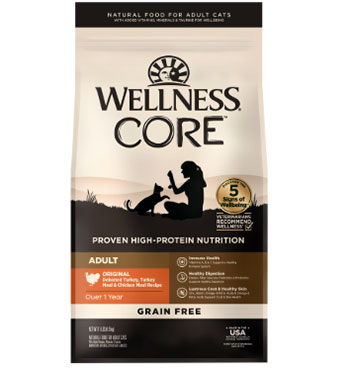
I decided to switch to Wellness Core after noticing that my three-year-old tabby, Jasper, was starting to look a little… doughy. He was eating a standard supermarket brand, and while he loved it, his coat was lackluster, and he had developed a bit of a pouch that wasn’t just “primordial.” I wanted a food that cut out the empty fillers and focused on muscle maintenance, so the high-protein promise of Wellness Core Original Turkey & Chicken caught my eye.
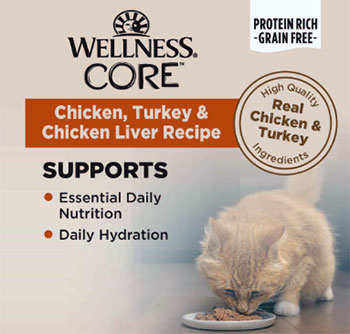
The first thing I noticed when I opened the bag of dry food was the smell.
It didn’t have that distinct “burnt toast” grain smell that cheap kibble has.
It smelled meaty, almost savory, which was a good sign.
The kibble pieces were small and round, which I appreciated because Jasper tends to inhale his food rather than chew it.
I also picked up a few cans of the Turkey & Chicken Liver Pate to use as a topper, knowing that male cats need that extra moisture to keep their urinary tracts healthy.
The transition process was the first hurdle. The bag recommends a gradual switch over a week, and I cannot stress enough how important this is. On day three, I got a little overzealous and mixed in too much new food, and let’s just say the litter box situation was less than ideal. This food is rich. It is significantly more nutrient-dense than what he was eating before, and his system needed time to adjust to the higher fat and protein content. Once I dialed it back and took it slower, his digestion leveled out.
About a month into the new diet, the changes were undeniable. The first thing I noticed was his energy. He went from sleeping 18 hours a day to actually bringing me his wand toy in the evenings. It wasn’t a hyperactive, jittery energy, but a sustained playfulness that I hadn’t seen since he was a kitten. The “doughy” look started to firm up; he hadn’t lost weight on the scale, but he felt more solid when I picked him up, suggesting he was building muscle while shedding some fat.
His coat was the other major improvement. He used to get dry, flaky skin at the base of his tail, especially in winter. After six weeks on Wellness Core, his fur was incredibly soft and shiny, and the dandruff was completely gone. The inclusion of salmon oil and flaxseed in the formula clearly works as advertised.
However, it wasn’t a perfect experience. I found the consistency of the canned food to be a bit variable. Some cans were moist and juicy, while others from the same case seemed drier and required me to mash them up with warm water before Jasper would touch them. Also, the price is a definite jump. I had to budget carefully because a 5-pound bag goes quicker than you think when you have a voracious eater.
Overall, my experience was largely positive. It felt like I was feeding him “real” food rather than fast food. The litter box odor—while initially potent during the transition—actually improved over time. The waste became smaller and more compact, which tells me his body was absorbing more of the nutrients rather than just passing fillers through. It is a commitment, both financially and in terms of managing the richness for sensitive stomachs, but for Jasper, the physical transformation was worth the effort.
Read More: My Thoughts On Natural Balance Cat Food
Pros Of Wellness Core Cat Food
When you peel back the label and look at what Wellness Core offers, there are several distinct advantages that make it a top contender in the premium pet food market. It is designed for owners who prioritize ingredients over cost. Here are the specific benefits that stood out during my analysis.
- High-Protein, Carnivore-Focused Formulation: The most significant selling point of Wellness Core is that it respects the biology of the cat. Cats are obligate carnivores, meaning they have a biological requirement for animal protein and very little need for carbohydrates. Wellness Core typically offers protein levels between 40% and 45% for their dry foods, which is significantly higher than the 30% average found in standard commercial brands. The first three ingredients are almost always named meat sources like deboned turkey, chicken meal, or turkey meal, rather than vague “meat by-products” or corn. This high protein content supports lean muscle mass, which is crucial for indoor cats that might not get as much exercise as their outdoor counterparts. It means you are paying for nutrition that builds the body, not fillers that just bulk up the stool.
- Grain-Free Without Sacrificing Nutrients: While the “grain-free” trend has its critics, for cats, it largely makes sense to avoid cheap fillers like corn, wheat, and soy. Wellness Core eliminates these common allergens, which can be a lifesaver for cats with sensitive skin or digestive intolerances. Instead of grains, they use alternative carbohydrate sources like peas and potatoes, but they keep them lower on the ingredient list compared to the meat. This absence of inflammatory grains often leads to better skin health and fewer “itchy cat” symptoms. For owners who are worried about diabetes or obesity, removing high-glycemic grains is a proactive step toward managing blood sugar levels, although portion control is still key.
- Inclusive of Functional Superfoods and Probiotics: It is not just about the meat; it is about the “extras” that support overall health. Every bag of Wellness Core dry food is coated with their “ActiCoat” technology, which ensures living probiotics are present on the kibble to support digestive health. This is a massive pro because gut health is linked to everything from immunity to mood. They also include antioxidant-rich superfoods like cranberries (essential for urinary tract health) and flaxseed (for Omega-3s). You don’t need to buy separate supplements for coat shine or urinary support because the maintenance doses are already built into the daily diet. This holistic approach saves you money and hassle in the long run.
- Wide Variety of Textures and Flavors: Cats are notoriously picky texture eaters, and Wellness Core addresses this better than most brands. They don’t just offer one type of wet food; they have classic smooth pates, “Signature Selects” shreds, chunky cuts in gravy, and even “Tiny Tasters” for single servings. This variety allows you to rotate your cat’s diet without switching brands, which can upset their stomach. If your cat gets bored of the Turkey Pate, you can switch to the Tuna Flaked entree without worrying about a drastic drop in nutritional quality. This flexibility is a huge advantage for keeping a finicky eater interested in their meals over the course of years.
Cons Of Wellness Core Cat Food
Despite the high quality, Wellness Core is not a flawless product. There are valid criticisms and potential downsides that you need to be aware of before you commit your cat to this diet.
- High Carbohydrate Content for a “Carnivore” Diet: This is the most common critique from rigorous nutritionists. While they cut out the grains, they replace them with significant amounts of peas, potatoes, and chickpeas to bind the kibble together. In some analyses, the carbohydrate content can still hover around 25-30% on a dry matter basis, which is higher than what a wild cat would ever consume (which is typically less than 5%). These plant-based ingredients, particularly peas, boost the protein percentage on the label but do not provide the same complete amino acid profile as meat. For cats that are strictly diabetic or need extremely low-carb diets, dry Wellness Core might still be too high in carbs compared to prescription diets or pure wet food.
- Inconsistency in Wet Food Texture: As I mentioned in my experience, quality control on the texture of the canned food can be hit or miss. I have opened cans from the same case where one was a perfect, moist pate and the next was a dry, rubbery puck that had separated from the edges of the can. This inconsistency can be frustrating when you have a picky cat who refuses to eat the “dry” version. It forces you to waste food or spend time mixing in water and mashing it up to make it palatable. When you are paying a premium price per can, you expect a consistent product every single time, and Wellness sometimes struggles with this batch variance.
- Premium Price Point: There is no getting around the fact that this is an expensive way to feed your cat. A 11-pound bag can cost upwards of $45-$50, and the small cans are often over $2.00 each. For a multi-cat household, this cost adds up incredibly fast, potentially costing hundreds of dollars a month. It is positioned as a “grocery store premium” brand, meaning it is more expensive than Purina One or Iams, but slightly cheaper than boutique raw diets. However, for the average pet owner used to spending $20 a bag, the sticker shock is real. You have to decide if the long-term health savings on vet bills justifies the immediate monthly expense.
- Strong Odor and Palatability Issues: Because it uses high concentrations of animal meal and organ meats, the food has a very potent smell. While this attracts many cats, it can be off-putting to humans living in small apartments. More importantly, not all cats love the taste of “healthy” food. The coating of probiotics and the lack of artificial flavor enhancers (like the animal digest sprays used on cheap food) means that some cats addicted to “junk food” kibble will turn their noses up at it. It can be a struggle to get a cat to accept this food if they are used to brands that are loaded with sodium and artificial fats to enhance flavor.
Maintenance Tips For Wellness Core Cat Food
Feeding your cat is a daily ritual, and using a high-quality food like Wellness Core requires a bit of strategy to ensure safety and effectiveness. Here are detailed tips to manage this diet properly.
- Strict Portion Control is Mandatory: Because Wellness Core is so nutrient and calorie-dense, you cannot free-feed this food like you might with cheaper brands. A cup of Wellness Core has significantly more calories than a cup of grocery store kibble because of the higher fat content. If you just fill the bowl and walk away, your cat will likely gain weight rapidly. You must use a measuring cup and adhere to the feeding guidelines on the bag, adjusting for your cat’s activity level. It is often better to underestimate the portion slightly and use low-calorie treats, rather than dealing with a chunky cat later. Invest in a digital kitchen scale to weigh the food for the most accuracy.
- Hydration Strategy for Dry Food Feeders: If you are feeding primarily the dry kibble, you are putting your cat at risk for dehydration because the food has very low moisture content (around 10%). You should always pair the dry food with a wet topper or a separate meal of canned food. Alternatively, add a few tablespoons of warm water or bone broth to the kibble to rehydrate it slightly before serving. This not only increases water intake to flush the kidneys but also releases the aroma of the food, making it more enticing. Ensure you have a fresh water fountain running, as cats are more likely to drink from moving water than a stagnant bowl.
- Proper Storage to Protect Probiotics: The probiotics coated on the kibble are living organisms that are sensitive to air, moisture, and heat. Do not pour the food into a plastic bin and throw away the original bag. Keep the food in its original bag, which is designed to block light and air, and place the entire bag inside an airtight container. Store this in a cool, dark pantry—never in a garage where temperatures fluctuate or under a sink where it is damp. Exposure to heat will kill the probiotics, rendering one of the main benefits of the food useless. Try to use up a bag within 6 weeks of opening to prevent the fats from going rancid.
- Monitor Stool Quality During Transition: As mentioned, the richness of this food can shock the gut. When switching, mix 25% Wellness with 75% old food for three days, then 50/50 for three days, then 75/25. Watch the litter box daily during this two-week period. If you see loose stool, stop increasing the Wellness portion and let their stomach settle for a few more days. If the loose stool persists after two weeks, it might be that the protein level is too high for your specific cat or they are sensitive to one of the plant ingredients like peas. Keeping a log of their digestion helps you troubleshoot without giving up on the food too early.
Comparison with Other Brands
Wellness Core exists in a crowded market of “natural” pet foods. To understand its true value, we need to stack it up against its direct rivals. Here is how it compares to three major competitors.
- Blue Buffalo Wilderness: This is the most direct competitor, as both are available in big-box stores and market themselves as “meat-rich, grain-free.” Comparison: Wellness Core generally has a slightly better reputation for quality control and recall history than Blue Buffalo. While both have had recalls, Blue Buffalo has faced more legal scrutiny regarding the accuracy of their ingredient labels (e.g., finding poultry by-product meal when they claimed none). Wellness Core tends to have higher protein counts and lower carbohydrate estimates in their wet food lines compared to Blue Wilderness. Blue Buffalo is often slightly cheaper and has better marketing/availability, but many nutritionists consider Wellness the “safer” pick for ingredient integrity. If you want a safer track record, go Wellness; if you want to save a few dollars, Blue Buffalo is comparable.
- Orijen Cat & Kitten: Orijen is widely considered the gold standard for kibble, marketing “biologically appropriate” diets with very high fresh meat inclusion. Comparison: Orijen is significantly more expensive than Wellness Core. However, Orijen uses much more fresh and raw meat in their recipe and relies less on “meals” (like turkey meal) than Wellness does. Orijen also uses whole prey ratios (organs, cartilage, bone) more aggressively. Wellness Core is a “cooked” processed kibble, whereas Orijen pushes the boundary of how much fresh meat you can put in a dry pellet. Wellness Core is easier to find and slightly more affordable, making it a “practical” premium choice. Orijen is the “spare no expense” choice; Wellness is the “sensible premium” choice.
- Purina Pro Plan: This is the veterinarian favorite, backed by massive amounts of feeding trials and science, but it uses grains and by-products. Comparison: Purina Pro Plan is not “natural” in the marketing sense—it uses corn gluten meal, wheat, and by-products, which Wellness strictly avoids. However, Pro Plan has more clinical data proving its effectiveness and is often recommended for specific health issues. Wellness Core appeals to the philosophy of “ingredients matter,” whereas Pro Plan appeals to “results matter.” If your cat has a specific medical condition, Pro Plan might be safer; for a healthy cat where you want to avoid cheap fillers, Wellness Core is the cleaner label. Wellness feels like a home-cooked meal; Pro Plan feels like a scientifically formulated nutrient block.
Also Read: Comparison Of Natural Blue Buffalo And IAMS Cat Food
Frequently Asked Questions (FAQ)
Yes, for the most part. Unlike dogs, where there is some concern about dilated cardiomyopathy (DCM) linked to grain-free diets, this link has not been substantially proven in cats. Cats have no biological requirement for grains, so removing corn and wheat is generally seen as positive. However, you should ensure the food isn’t just replacing grains with excessive amounts of peas or lentils, which can block taurine absorption. Wellness Core supplements with taurine to mitigate this risk.
Is Wellness Core Indoor formula good for weight loss?
The Indoor formula is designed with lower fat levels than the original recipe to help manage weight. It has higher fiber content to help the cat feel full with fewer calories. However, it is still a dry food, which is calorie-dense. For serious weight loss, a wet-food-only diet (like the Wellness Core pates) is usually more effective than any dry kibble because the water volume adds bulk without calories.
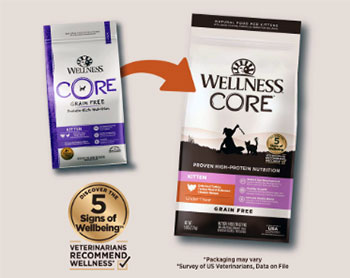
Wellness Core has a specific “Kitten” formula that is optimized for growth with higher fat and specific DHA levels for brain development. However, many “All Life Stages” foods can be fed to kittens. You should check the bag specifically; if it says “Maintenance,” it is for adults only. It is always safer to stick to the specific Kitten recipe for the first year to ensure they get enough calcium and phosphorus for bone growth.
Generally, no. Wellness Core is a high-protein, high-phosphorus diet. Cats with Chronic Kidney Disease (CKD) typically need restricted phosphorus and moderate protein to reduce the workload on their kidneys. Feeding a high-phosphorus food like Wellness Core to a kidney cat could accelerate the disease. Always consult your vet for a prescription renal diet if your cat has kidney issues.
Conclusion
Wellness Core occupies a vital middle ground in the cat food world. It offers a significant upgrade from the grain-heavy, filler-filled bags at the grocery store without demanding the extreme cost or freezer space of raw diets. It delivers on its promise of a protein-forward, meat-rich diet that can visibly improve your cat’s coat, energy, and digestion.
If you are looking to move away from “fast food” for your cat and want a brand that balances availability, cost, and ingredient quality, Wellness Core is an excellent choice. While it requires some budget adjustment and strict portion control, the long-term benefits of feeding a species-appropriate diet are an investment in your cat’s longevity. It might not be the absolute most expensive food on the planet, but for the vast majority of cat owners, it is the “just right” solution that keeps their feline friends happy and healthy for years to come.