
I’ve owned and heavily used both the Vitamix 5300 and the Vitamix 7500 for several years now. This article is my honest, first-person comparison to help you decide which one is actually better for your kitchen in today’s market. I’ll break down real differences in performance, noise, build quality, and daily usability so you can pick the blender that truly matches your needs.
A Brief Comparison Table
| Feature | Vitamix 5300 | Vitamix 7500 |
|---|---|---|
| Motor | 2.2 peak horsepower | 2.2 peak horsepower |
| Blade | Standard stainless steel | Standard stainless steel |
| Container | 64 oz low-profile | 64 oz low-profile |
| Variable Speed Dial | 10 speeds + High toggle | 10 speeds + High toggle |
| Pulse Function | No | Yes |
| Noise Level | Very loud | Significantly quieter (about 40% less) |
| Color Options | Limited (usually black or red) | More options (black, white, red, etc.) |
| Tamper Included | Yes | Yes |
| Self-Cleaning | Yes | Yes |
| Warranty | 7 years | 7 years |
| Current Price Range | Usually $100–$150 less | Higher retail price |
My Experience With Vitamix 5300

When I first bought my Vitamix 5300 back in 2016, I remember feeling like I had just purchased a small jet engine for my kitchen counter.
The power is absolutely ferocious. I can turn raw kale, frozen mango chunks, ice, and a splash of water into the smoothest green smoothie in under 45 seconds without even breaking a sweat.
Nut butters? I’ve made almond butter so creamy it rivals store-bought brands, and I do it in about six minutes of blending.
The low-profile container is fantastic for fitting under most kitchen cabinets.
I never have to remove the container to blend because it slides right under my upper cabinets. The controls are dead simple: one big speed dial and a separate high-speed toggle.
I actually prefer that no-frills interface because there’s nothing to accidentally bump while I’m pouring ingredients in.
Over the years I’ve made everything from hot soups (yes, it heats soup through friction) to frozen desserts, cashew cheese, and even small batches of hummus. The 5300 has never once struggled or overheated. I’ve dropped whole carrots, chunks of ginger, and tough apple cores into it without a second thought.
The biggest downside for me is noise. When I run it on high, my dogs run and hide, and I have to warn my family before I turn it on. It’s not a deal-breaker, but it’s definitely noticeable. The 5300 also lacks a pulse function, so I have to manually tap the high toggle to get that quick pulse action, which can feel a little clunky.
All things considered, the 5300 is still one of the most reliable appliances I own. It’s now almost a decade old and runs exactly like the day I bought it.
Also read: Comparison of Midea And hOmeLabs Dehumidifier
Pros Of Vitamix 5300
- Unbeatable raw power for the price: You get the exact same 2.2 peak horsepower motor as the 7500, so blending performance is identical on tough ingredients.
- Lower price point: Often $100–$150 cheaper than the 7500, making it a better value if you’re budget-conscious.
- Low-profile container fits under cabinets: No more removing the container every time you want to blend.
- Extremely reliable long-term: I’ve used mine almost daily for nearly nine years with zero issues.
- Simple, no-frills controls: One dial and a high toggle—nothing to break or confuse you.
- Same 7-year full warranty: Vitamix stands behind both models equally.
- Proven track record: Thousands of users have owned this model for over a decade without problems.
- Great for heavy daily use: Handles large batches of soup, smoothies, and nut butters without strain.
- Easy to find replacement parts: Because it’s a popular older model, parts are widely available and inexpensive.
- Still looks modern: The design hasn’t aged much and fits well in most kitchens.
Cons Of Vitamix 5300
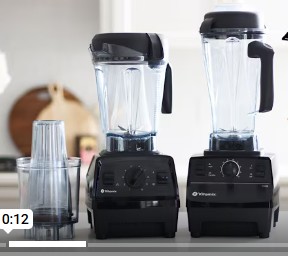
- Very loud operation: One of the loudest blenders I’ve ever owned—conversation stops when it runs on high.
- No pulse function: You have to manually toggle the high switch for pulsing, which feels imprecise.
- Limited color options: Mostly black or red; fewer choices compared to newer models.
- Older design: Some people find the look slightly dated next to the sleeker 7500.
- No variable speed markings on the dial: The speed numbers aren’t printed on the dial itself, which can be annoying in low light.
- No pre-programmed settings: Purely manual operation—no soup, frozen dessert, or smoothie buttons.
My Experience With Vitamix 7500
I added the 7500 to my kitchen about three years ago because I wanted the quieter operation and the pulse feature. The first time I turned it on, I was genuinely shocked at how much quieter it is. I can actually have a conversation with someone in the same room while it’s blending on high. That alone made the upgrade worth it for me.
Performance-wise, it’s identical to the 5300 in raw power. I get the same silky smoothies, steaming hot soups, and perfectly emulsified nut butters. The pulse button is a game-changer when I’m making chunky salsas or crushing ice for margaritas. I can get exactly the texture I want without over-processing.
The build quality feels slightly more premium. The switches have a more satisfying click, and the overall finish looks sharper on my countertop. I also appreciate that it comes in more color choices—I went with the white one to brighten up my kitchen.
The only real downside is the price. The 7500 consistently costs $100–$200 more than the 5300, depending on sales. If you don’t mind the extra noise and don’t need the pulse function, the 5300 gives you 98% of the experience for noticeably less money.
Read more: Comparison of Kraft Music And Sweetwater
Pros Of Vitamix 7500
- Much quieter operation: Roughly 40% quieter than the 5300—huge difference in a small kitchen or open floor plan.
- Pulse function included: Makes it far easier to achieve chunky textures, crushed ice, or salsa.
- More color choices: Black, white, red, slate, and others—easier to match your kitchen decor.
- Slightly more modern look: Updated base design and switch feel give it a premium appearance.
- Same legendary blending power: Identical motor and blade performance as the 5300.
- Same 64 oz low-profile container: Still fits under cabinets and holds plenty of volume.
- Same 7-year warranty: Full coverage just like the 5300.
- Better resale value: Holds value better because it’s a newer, more popular model.
- More satisfying control clicks: The switches feel a bit more precise and premium.
Cons Of Vitamix 7500
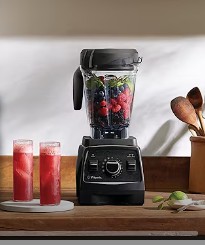
- Higher price: Usually $100–$200 more expensive than the 5300.
- Still loud (just less so): It’s quieter than the 5300, but still not “whisper quiet” like some newer budget blenders.
- No pre-programmed settings: Like the 5300, it’s still a fully manual machine.
- Heavier base: The redesigned base is a little heavier, which can make it harder to move.
- Slightly more complicated to clean around switches: The pulse button adds one extra area where food can collect.
Maintenance Tips For Vitamix 5300
- Run a self-clean cycle daily: Fill the container halfway with warm water, add a drop of dish soap, and run on high for 30–60 seconds.
- Never submerge the base: Wipe the motor base with a damp cloth only—never immerse it in water.
- Check the drive socket regularly: Make sure no food debris has collected in the square drive socket.
- Use the tamper correctly: Insert it through the lid opening only while the machine is running on variable speed 1–4.
- Store the tamper in an easy-to-reach place: You’ll use it often for thick blends like nut butter.
- Avoid running empty: Always have at least some liquid or soft food in the container to cushion the blades.
- Replace the blade assembly every 5–7 years: Even though it’s durable, blades do eventually dull.
- Keep the rubber lid seal clean: Remove and rinse it after each use to prevent odor buildup.
Comparison With Other Brands
- Vitamix 5300/7500 vs Ninja Foodi Power Blender: The Vitamix models crush ice and make nut butter noticeably smoother and faster; Ninja is cheaper but overheats more quickly on heavy loads.
- Vitamix 5300/7500 vs Blendtec Classic 575: Blendtec has a stronger motor on paper, but the Vitamix produces silkier textures and has better customer service and warranty support.
- Vitamix 5300/7500 vs Breville Super Q: Breville is quieter and has pre-programmed settings, but it struggles with thick nut butters and costs about the same as the 7500.
- Vitamix 5300/7500 vs KitchenAid K400: KitchenAid is much less expensive but cannot match the smoothness or heat generation of Vitamix for hot soups.
- Vitamix 5300/7500 vs high-end Oster models: Oster is budget-friendly but the motor burns out quickly under daily heavy use.
- Vitamix 5300/7500 vs Vitamix Explorian E310: The Explorian is cheaper but has a taller container that doesn’t fit under cabinets and a less powerful motor.
- Vitamix 5300/7500 vs Vitamix Ascent series: Ascent models have self-detect containers and app integration, but they cost significantly more and don’t offer better blending performance.
Frequently Asked Questions (FAQ)
There is no single “best” model—it depends on your needs. The 7500 is better if you value quiet operation and pulse function. The 5300 is better if you want the lowest price and don’t mind noise.
Yes, it’s excellent. It delivers the same legendary blending power as other Vitamix models but in a quieter package with a useful pulse feature.
Yes, for serious blending. The 7500 makes smoother smoothies, creamier nut butters, and hotter soups. Ninja models are cheaper but don’t match the consistency or longevity.
The 6300 has pre-programmed settings (smoothie, hot soup, frozen dessert) and a pulse function. The 5300 is a simpler manual model without those programs but costs less.
Conclusion: For Both Products
I’ve lived with both the Vitamix 5300 and 7500 long enough to know they’re both outstanding machines. If you’re on a tighter budget and can tolerate the extra noise, the 5300 gives you 98% of the performance for a lot less money—I still use mine regularly and love it.
If you want a noticeably quieter experience and the convenience of a pulse button, the 7500 is worth the extra cost. It’s the one I reach for most often now.
Ultimately, you can’t go wrong with either one. Both will outlast cheaper blenders by many years and turn out better results every single time. Pick the one that fits your wallet and your tolerance for noise—you’ll be happy with your choice for a very long time.