
I’ve spent years figuring out the right food for my dogs, switching bags more times than I can count because one pup had allergies, another needed more energy, and a third just wouldn’t eat certain kibbles. When it came down to Victor and Diamond, I narrowed my search to these two because they’re both accessible, widely available, and promise solid nutrition without breaking the bank entirely. In this article, I share my honest take after trying both brands across different life stages and activity levels. I’ll break down the key differences, highlight what stands out about each, list clear pros and cons, and help you decide which might suit your dog better. My goal is simple: give you the straight facts so you can pick confidently for your own furry family member.
A Brief Comparison Table
| Feature | Victor Dog Food | Diamond Dog Food (mainly Diamond Naturals) |
| Protein Sources | Primarily meat meals (beef, chicken, pork) | Chicken, lamb, beef, fish; some with real fruits/veggies |
| Average Protein % (dry) | Higher (often 25-30%+) | Moderate (around 24-26% in many formulas) |
| Grain Inclusion | Both grain-inclusive and grain-free options | Grain-inclusive and grain-free lines |
| Price per 40-lb bag | Higher (25-40% more expensive) | More budget-friendly |
| Calorie Density | Higher energy density; feed less per serving | Lower density; larger portions often needed |
| Special Features | VPRO Blend for digestion & immunity | Superfoods like blueberries, kale in Naturals line |
| Recall History | Very few or none in recent years | Multiple recalls historically (some older) |
| Best For | Active, working, high-energy dogs | Everyday pets, sensitive stomachs, budget focus |
| Availability | Specialty stores, online, some farm stores | Widely available (grocery, big box, online) |
My Experience With Victor

When I first brought home a large bag of Victor Hi-Pro Plus, my high-energy border collie mix practically danced around the kitchen waiting for his bowl to hit the floor.
The strong meaty aroma made him devour the kibble in record time, something I hadn’t seen consistently with other brands.
Within the first week, I noticed his post-play exhaustion seemed less pronounced even after long backyard sessions or off-leash runs in the park. His usual afternoon slump disappeared, replaced by steady alertness that carried through until bedtime without extra treats.
The kibble pieces were uniformly shaped and appropriately sized for his medium build, making it easy for him to chew thoroughly without gulping large chunks. This helped reduce any minor choking concerns I sometimes had with irregularly sized pieces from cheaper brands.
By the end of the second week, his coat started showing a subtle but unmistakable gloss that caught the light during morning walks. Brushing sessions produced far less loose hair on my clothes and furniture compared to the previous food.
The VPRO Blend appeared to work quickly because his stools shifted from occasionally soft to consistently firm and well-formed within days of the full switch. Odor was noticeably reduced, which made cleanup in the yard much more pleasant for everyone.
I followed a careful ten-day transition, starting with small mixes and gradually increasing Victor’s portion while watching closely for any signs of upset. He handled the change without a single episode of diarrhea, gas, or refusal, which felt like a huge relief.
On particularly active weekends involving hiking or agility practice, he maintained even energy levels without begging between meals. The higher calorie density meant I could keep portions reasonable while still fueling his demanding lifestyle fully.
After three months of continuous use, his muscle tone looked more defined, especially around the shoulders and hindquarters where he carries most of his power. He appeared lean yet strong, exactly the physique I wanted for a working-breed mix.
Occasional vet check-ups confirmed healthy weight maintenance and good bloodwork markers, giving me confidence that the formula supported his internal health as well as his visible performance. No red flags appeared in routine exams during this period.
Looking back after over a year on Victor for my active dog, I consider it one of the better switches I’ve made because it aligned so closely with his natural drive and physical demands. The results spoke louder than any marketing claims ever could.
Pros Of Victor
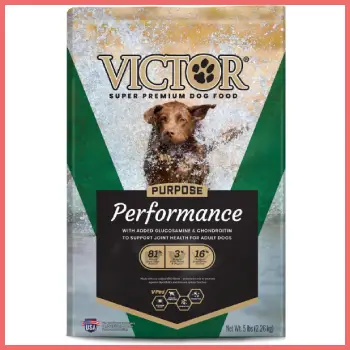
- High protein content from premium meat meals : This delivers concentrated, high-quality animal proteins like beef meal and chicken meal right at the top of the ingredient list, which directly fuels lean muscle maintenance and repair after vigorous exercise or daily play, helping athletic dogs build and sustain strength effectively without adding unnecessary fat layers that could slow them down over time, and many owners including myself observe visibly firmer muscles, better endurance during activities, and an overall more robust physique that holds up well through seasons of high activity.
- Elevated calorie density per cup : The nutrient-packed design means each serving provides more usable energy from fats and proteins combined, allowing you to feed substantially smaller volumes while still meeting or exceeding daily caloric requirements for energetic or large-breed dogs, which in practice extends the life of a 40-pound bag noticeably longer than lower-density competitors, reduces the physical effort of hauling and storing frequent large shipments, and helps prevent overeating habits that sometimes develop when dogs feel unsatisfied with bigger but less nourishing portions.
- Inclusion of proprietary VPRO Blend : This exclusive mix incorporates prebiotics, probiotics, selenium yeast, essential minerals in chelated forms, and other targeted nutrients that work synergistically to enhance nutrient absorption throughout the digestive tract, leading to consistently firmer and smaller-volume stools with markedly less odor even after rich meals, stronger overall immune resilience during exposure to environmental stressors or seasonal allergens, improved metabolic efficiency that supports steady energy without spikes and crashes, and noticeable enhancements in skin suppleness and coat luster that become apparent within the first month of consistent feeding.
- Multiple specialized formulas available : Victor provides distinct lines such as Hi-Pro Plus for high-performance needs, Purpose blends for specific activity focuses like joint health or weight management, grain-inclusive and grain-free selections across puppy, adult, and senior stages, enabling precise matching to individual dog requirements whether dealing with growth spurts in young pups needing balanced development or older dogs benefiting from moderated calories and joint-supportive additions, which simplifies long-term feeding decisions without constant brand switches.
- Family-owned brand with local sourcing focus : As a family-operated company emphasizing regional ingredient procurement where feasible, Victor maintains tighter oversight on supply chains compared to some multinational giants, resulting in fresher-feeling products upon delivery, greater transparency in production practices that build owner confidence over repeated purchases, and often fewer disruptions in availability during peak demand periods or global supply fluctuations that affect larger brands more severely.
- Strong palatability for picky eaters : The natural meat-forward aromas and flavors make the kibble highly appealing even to selective or recovering dogs who previously turned away from meals, encouraging complete consumption without the need for added wet toppers, broths, or hand-feeding tricks, which helps maintain consistent nutrient intake critical for weight stability, prevents meal-time battles that stress both dog and owner, and contributes to better overall compliance during travel or routine changes.
- Support for coat and skin health : Balanced levels of omega-3 and omega-6 fatty acids sourced from quality animal fats and supplemented appropriately promote reduced seasonal itching or dryness, produce a visibly glossier and softer coat texture that stands out during grooming, minimize excessive shedding that clogs vacuums and furniture year-round, and support barrier function against environmental irritants, leading to fewer vet visits for dermatological complaints and a happier, more comfortable dog in daily life.
Also read: My Thoughts On Taste of the Wild Dog Food
Cons Of Victor
- Higher price point per bag : The premium positioning means bags typically cost 25-40% more than comparable mid-tier or budget alternatives, creating a noticeable impact on monthly pet expenses especially in multi-dog households where large volumes are consumed regularly, forcing some owners to budget carefully or alternate with cheaper options periodically to avoid financial strain while still providing the benefits they value.
- Rich formula may overwhelm less active dogs : The elevated protein and fat percentages designed for high-energy demands can sometimes result in temporary soft stools, increased flatulence, or gradual weight gain in sedentary pets, senior dogs with slower metabolisms, or breeds prone to pancreatitis, often requiring careful portion reductions, formula downgrades to lighter Victor lines, or close monitoring to prevent discomfort and maintain ideal body condition scores long-term.
- Limited widespread retail availability : Unlike mass-market brands stocked in every supermarket or big-box store, Victor frequently requires trips to specialty pet retailers, farm co-ops, independent feed stores, or online ordering with potential shipping fees and wait times, adding logistical hassle during last-minute needs or when local stock runs low unexpectedly.
- Potential for digestive sensitivity in transition : The concentrated nutrient profile and VPRO components, while beneficial overall, can cause short-term gas, loose stools, or mild vomiting in sensitive dogs during the initial switch if the transition isn’t extended gradually enough, demanding patience with 10-14 day mixing phases and vigilant observation to avoid setbacks that frustrate owners early on.
- Not ideal for very low-energy lifestyles : Dogs with minimal daily exercise, such as apartment-dwelling small breeds or elderly companions who mostly lounge, may find the calorie load excessive even when portions are adjusted downward significantly, potentially leading to unused energy storage as fat over months if activity doesn’t match the formula’s performance orientation.
- Kibble texture occasionally too firm for seniors : The crunchy, durable pieces hold up well for aggressive chewers but can challenge older dogs with worn teeth or dental sensitivities, sometimes necessitating soaking in warm water, crushing slightly, or combining with softer wet foods to ensure comfortable consumption without pain or reduced intake.
- Fewer flavor variety options in some lines : While performance-focused, the brand prioritizes nutritional consistency over extensive rotating tastes like chicken-beef-lamb rotations in gourmet brands, which can lead to boredom in finicky long-term eaters unless owners creatively rotate between Victor formulas or add safe variety through approved toppers.
Maintenance Tips For Victor
- Store bags in cool, dry locations away from heat sources : Position unopened and partially used bags in a climate-controlled pantry, closet, or dedicated cabinet far removed from kitchen appliances, direct sunlight through windows, or humid garages to prevent premature oxidation of fats and oils that degrade flavor appeal, nutritional potency, and overall safety, ensuring the food remains palatable and effective for the full recommended period after opening.
- Use airtight containers for opened portions : Immediately transfer kibble from the original bag into heavy-duty plastic, metal, or glass vessels with secure snap lids or gamma seals while folding and clipping the bag liner inside if desired, which dramatically reduces exposure to ambient moisture, oxygen, household odors, and common pantry pests like moths or ants that could contaminate batches over weeks.
- Measure portions precisely with provided scoops : Rely on the on-bag feeding guidelines as a baseline but customize according to your dog’s exact weight, current activity level, age-related metabolism shifts, and seasonal changes by using a digital kitchen scale for accuracy every few weeks, which helps avoid chronic overfeeding that contributes to obesity or underfeeding that leads to energy deficits and poor coat quality.
- Transition gradually over 7-10 days minimum : Begin by mixing roughly 25% Victor with 75% previous food for the first two to three days, then progress incrementally to 50/50, 75/25, and finally full Victor while closely tracking stool consistency, appetite, and any behavioral cues, slowing the pace to 14 days or more if any digestive irregularities surface to promote smooth adaptation.
- Monitor stool quality and energy daily : Make a habit of observing bowel movement frequency, firmness, volume, color, and odor each day as a primary health indicator since changes often signal how well the high-density formula suits your individual dog, allowing prompt adjustments in portion size, addition of fiber sources if needed, or veterinary consultation before minor issues escalate.
- Rotate stock and use oldest bags first : Label containers or bags with the date of opening or purchase and adopt a first-in-first-out system to consume earlier inventory before newer arrivals, which minimizes risks associated with nutrient degradation in fats or vitamin loss that can occur subtly over extended storage even under good conditions.
- Clean bowls thoroughly after each meal : Rinse and wash food bowls plus water dishes daily using hot water and mild dish soap followed by complete drying to eliminate residual kibble particles, saliva buildup, or bacterial films that could foster growth of pathogens, potentially leading to secondary gastrointestinal upset or reduced willingness to eat from unclean surfaces.
My Experience With Diamond
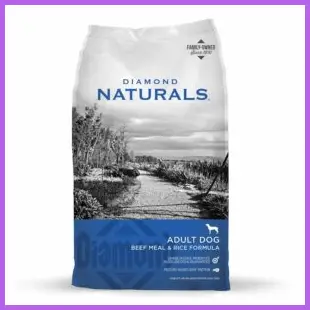
I first tried Diamond Naturals when finances got tight and I needed a dependable option for my senior Labrador retriever who had developed a preference for milder tastes over time.
She approached the chicken and rice formula with immediate curiosity and finished her first bowl without hesitation, a promising start after some previous refusals.
The larger kibble pieces suited her big mouth well, allowing comfortable chewing that didn’t seem to strain her aging teeth during meals.
She ate at a steady pace rather than rushing, which helped prevent the occasional gulping I had noticed with denser kibbles.
Within ten days of the full switch, her stools stabilized into a consistent, easy-to-pick-up form with minimal odor compared to some richer foods she had tried before. The added probiotics seemed to quiet the occasional mild rumbling that used to happen after eating.
Her coat, which had started looking a bit dull in her later years, regained a soft sheen that felt noticeably smoother under my fingers during daily petting sessions. Shedding remained moderate but didn’t increase, even through seasonal changes.
Because the calorie density was lower, I measured out bigger scoops than I was used to, yet she maintained her ideal weight without any upward creep on the scale. This balance felt reassuring for a less active senior who mostly enjoyed short neighborhood strolls.
The inclusion of real fruits and vegetables like blueberries and sweet potatoes added a slight natural sweetness that she clearly enjoyed, making mealtime more appealing without artificial enhancers. She never needed toppers to finish her portions completely.
Availability was a huge plus since I could grab bags during regular grocery runs instead of making special detours to specialty stores. This convenience kept our routine smooth even on hectic weeks.
Transitioning back to Diamond after a brief trial of another brand went smoothly with no digestive backlash or picky behavior. She accepted the return without protest, reinforcing that it suited her gentle needs reliably.
Over several months, her energy stayed even for her age group—enough for gentle play and walks without hyperactivity or lethargy that sometimes appeared on mismatched foods. Vet visits showed stable bloodwork and no concerns tied to diet.
Reflecting on the time spent with Diamond Naturals for my laid-back companion, I appreciated how it delivered straightforward, no-fuss nutrition that kept her comfortable and content in her golden years. It proved that solid basics can go a long way for everyday dogs.
Pros Of Diamond
- Affordable pricing for large bags : The economical positioning allows purchasing substantial 40-50 pound bags at prices significantly below premium competitors, making it feasible to maintain consistent high-quality feeding for multiple dogs or large breeds over extended periods without constant budget compromises, which proves especially valuable for families with growing puppies or seniors requiring steady nutrition year after year.
- Inclusion of real fruits and vegetables : Recipes incorporate recognizable superfoods such as blueberries for antioxidants, kale for vitamins, sweet potatoes for digestible carbs, and carrots for beta-carotene, which collectively bolster immune defenses, support cellular repair processes, contribute to vibrant coat pigmentation and texture, and provide natural sources of fiber that aid in steady digestion and stool regularity for many average-activity dogs.
- Probiotics and prebiotics for gut support : Added beneficial bacteria strains along with prebiotic fibers promote a thriving microbiome in the intestinal tract, resulting in more predictable bowel patterns with reduced instances of loose stools or excessive gas even in dogs prone to mild sensitivities, fewer emergency cleanups for owners, and an overall sense of digestive comfort that enhances quality of life during routine feeding.
- Wide variety of life-stage and breed formulas : The lineup spans puppy growth needs with higher DHA for brain development, adult maintenance for balanced energy, senior-specific with joint-friendly glucosamine, small-breed options with smaller kibble, large-breed for controlled calcium, and grain-free alternatives, giving owners flexibility to address evolving requirements without switching brands entirely.
- Extensive retail availability : Bags stock regularly on grocery shelves, warehouse club aisles, major pet chains, and online marketplaces with fast shipping, eliminating the need for specialized trips or waiting on backorders, which simplifies restocking during busy weeks and ensures you never run out unexpectedly when convenience matters most.
- Named meat sources in top positions : Primary ingredients feature specified proteins like chicken meal, lamb meal, or beef meal rather than vague by-products in many recipes, offering transparency that reassures owners about quality origins, supports good acceptance rates due to appealing natural tastes, and aligns with preferences for recognizable animal-based nutrition in everyday diets.
- Balanced nutrition for moderate activity : The moderate protein-to-fat ratio and controlled calorie levels suit the majority of household pets who enjoy daily walks but not intense work, helping sustain healthy weight ranges without constant adjustments, providing steady rather than explosive energy suitable for family routines, and reducing risks of excess calories accumulating as fat in less athletic lifestyles.
Read more: My Thoughts On Merrick Dog Food
Cons Of Diamond
- Lower protein density in standard formulas : Many recipes feature moderate overall protein percentages with less concentration from meat meals compared to high-performance brands, which can leave very active, working, or muscle-building dogs feeling less satisfied or requiring supplemental protein sources to achieve optimal condition during periods of heavy demand.
- Historical recall incidents : Past contamination events involving issues like aflatoxin or salmonella in certain production runs have left a record that prompts ongoing caution among some owners despite subsequent safety enhancements, potentially influencing long-term trust when selecting food for dogs with compromised immune systems or histories of food-related sensitivities.
- Larger portion sizes required : Due to comparatively lower calorie density per volume, dogs often need bigger scoops or multiple cups per meal to reach recommended daily intake, which accelerates bag depletion rates in larger breeds, increases physical handling effort, and can make precise portion control feel more cumbersome for owners tracking intake closely.
- Occasional digestive variability : Certain dogs, particularly those transitioning from richer foods or with inherent sensitivities, report softer stools, mild bloating, or intermittent refusal during initial use, necessitating careful monitoring, slower mix-ins, or occasional formula tweaks within the brand to stabilize gut responses effectively.
- Less specialization for extreme performance : The focus remains on solid everyday nutrition rather than ultra-high-energy, joint-intensive, or breed-specific tailoring seen in specialized lines, so dogs in demanding sports, hunting, or herding roles might require additional fortification or a switch to achieve peak muscle tone, stamina, and recovery without fatigue.
- Kibble size inconsistencies across lines : Piece dimensions vary between formulas, with some proving too large for tiny breeds prone to gulping or too small for powerful chewers who pulverize them quickly, occasionally resulting in uneven eating patterns, scattered remnants around bowls, or minor choking concerns in unsupervised meals.
- Dependence on fillers in certain recipes : Grain-inclusive varieties position carbohydrates like rice, barley, or corn higher in the list for energy and binding, which works well for many but disappoints owners pursuing meat-centric philosophies or managing dogs with grain-triggered issues despite grain-free alternatives existing in the lineup.
Maintenance Tips For Diamond
- Keep bags sealed and in cool dry spots : Maintain unopened bags tightly rolled and clipped or stored upright in a consistently cool pantry or utility room away from fluctuating temperatures, radiators, or moist environments to slow oxidation processes in natural fats, preserve vitamin stability, and retain maximum freshness through the expected shelf life.
- Transfer to pest-proof airtight bins : After opening, pour contents into durable containers featuring tight-sealing lids while optionally keeping the original bag folded inside for reference to UPC codes and lot numbers, effectively shielding against humidity intrusion, airborne contaminants, rodent access, and insect infestations that commonly affect improperly stored kibble.
- Adhere to bag feeding charts closely : Start with the printed guidelines calibrated to your dog’s current body weight, lifestyle activity category, and reproductive status if applicable, then refine amounts monthly using visual body condition assessments and scale weigh-ins to counteract natural metabolism variations with age, spaying/neutering, or seasonal activity shifts.
- Implement slow food transitions : Gradually introduce Diamond by blending small increasing percentages over at least 7-10 days while watching closely for appetite dips, stool changes, or energy fluctuations, extending the timeline if needed to ensure the digestive tract adjusts comfortably to the probiotic profile and ingredient composition.
- Observe weight and body condition weekly : Perform regular hands-on checks feeling for rib visibility and waist definition plus visual waistline evaluations from above to catch subtle gains or losses early, allowing minor portion tweaks that prevent obesity creep in less active phases or unintended thinness during growth or high-stress periods.
- Rotate inventory using FIFO method : Clearly date-mark bags or bins upon receipt and prioritize feeding the oldest stock first to circumvent gradual nutrient fade in oils, antioxidants from fruits/veggies, or probiotic viability that occurs naturally even with proper storage over many weeks.
- Sanitize feeding areas routinely : Thoroughly clean bowls, mats, and surrounding floors daily with pet-safe cleaners and hot water to remove stuck-on residue, prevent bacterial proliferation in damp spots, and reduce risks of aversion behaviors or secondary infections stemming from unclean eating environments.
Comparison With Other Brands
- Versus premium brands like Hill’s Science Diet : Victor provides higher meat-based protein density and performance focus at generally lower cost than Hill’s clinically trialed lines, while Diamond offers comparable everyday balance with added produce but lacks the depth of veterinary-backed research and condition-specific formulations that Hill’s excels in for therapeutic applications.
- Versus budget generics at big stores : Both Victor and Diamond significantly outperform typical house-brand or ultra-cheap generics through superior named ingredients, absence of heavy fillers in key lines, and better nutrient profiles that translate to visible coat improvements and steadier energy rather than just basic survival-level feeding.
- Versus grain-free competitors like Blue Buffalo : Diamond’s grain-inclusive recipes deliver probiotics and superfoods at a much friendlier price point with solid acceptance, whereas Victor’s grain-free selections match or exceed Blue in protein levels and palatability for active dogs while often costing less per comparable nutrient delivery.
- Versus working-dog focused brands like Purina Pro Plan : Victor closely rivals Pro Plan in energy density, muscle-supportive proteins, and digestibility for athletic pups with strong owner reports of sustained performance, but Diamond better fits moderate household needs where Pro Plan’s premium pricing feels unnecessary for non-working companions.
- Versus holistic brands like Wellness : Diamond mirrors Wellness in natural superfood inclusions and avoidance of artificial additives at substantially reduced cost, making it a practical alternative, while Victor leans toward meat concentration and proprietary blends for dogs prioritizing raw power and gut optimization over broad plant-based variety.
- Versus Royal Canin breed-specific lines : Neither fully replicates Royal Canin’s precise kibble shaping, breed-tailored macronutrients, or life-stage precision for anatomical differences, but Victor and Diamond serve as reliable, more economical stand-ins for general nutrition in dogs without highly specialized breed requirements.
- Overall value positioning : Victor carves a strong niche in mid-to-high performance categories with efficient calorie delivery and specialized support, whereas Diamond dominates affordable quality territory by combining accessibility, natural additions, and dependable basics for the broadest range of typical pet scenarios.
Frequently Asked Questions (FAQ)
Many owners and veterinary professionals point toward brands with more extensive clinical research and formulation testing when seeking options that may outperform Victor in specific scenarios. Hill’s Science Diet stands out because it undergoes rigorous feeding trials and targets precise health conditions like urinary support or weight management with proven outcomes backed by years of studies. Royal Canin offers breed-specific and life-stage formulas developed through collaboration with experts, providing tailored nutrition that addresses unique anatomical or physiological needs effectively over long periods. Purina Pro Plan incorporates live probiotics in many lines along with high-quality proteins and often ranks highly in independent reviews for digestibility and performance in active dogs. These alternatives frequently receive stronger recommendations from vets due to their investment in nutritional science, consistent quality assurance protocols, and widespread use in clinical settings where measurable health improvements are documented regularly. While Victor excels for many active dogs with its meat-focused approach and VPRO support, these other brands may provide an edge in situations requiring therapeutic precision or when owners prioritize extensively researched formulas above all else. Ultimately the best choice depends on your dog’s individual response, any medical history, and consultation with a veterinarian who knows the full context of your pet’s needs.
Diamond, particularly the Naturals line, delivers respectable quality considering its accessible price range and widespread use among everyday pet owners who seek balanced nutrition without premium costs. The brand uses named meat sources in primary positions along with added fruits, vegetables, and probiotics that contribute meaningfully to digestive health and overall wellness in moderate-activity dogs. Many formulas include chelated minerals for better absorption and avoid artificial colors or flavors, which appeals to those preferring cleaner ingredient lists within budget constraints. Independent reviews often rate Diamond Naturals favorably for average household pets, noting improvements in coat condition, steady energy, and stool consistency when fed appropriately over months. While it has faced recalls in the past that understandably raise caution for some, recent years show improved safety records and manufacturing oversight that rebuild confidence for routine feeding. For dogs without complex medical requirements, Diamond provides reliable complete nutrition that supports normal growth, maintenance, and aging processes adequately. Owners frequently report high palatability and good value retention, making it a practical staple when premium options stretch finances too far. In summary, it qualifies as good quality within its category, especially when matched to dogs with standard needs rather than elite performance or therapeutic demands.
Veterinarians and independent reviewers frequently highlight Hill’s Science Diet, Royal Canin, and Purina Pro Plan as consistent top performers across various evaluations focused on nutritional science and real-world results. Hill’s Science Diet earns praise for its extensive clinical trials that demonstrate specific health benefits in areas like joint support, kidney function, and weight control through precisely balanced formulas developed with veterinary input. Royal Canin stands apart with breed-specific and size-tailored recipes that account for unique jaw structures, energy requirements, and life-stage changes, often leading to better acceptance and targeted outcomes in diverse populations. Purina Pro Plan combines high-quality proteins, live probiotics in select lines, and performance-oriented nutrition backed by research in working and sporting dogs, making it versatile for active pets while maintaining strong digestibility scores. These three brands invest heavily in ongoing studies, quality control, and veterinary partnerships that build trust among professionals who recommend them regularly for both preventive and therapeutic feeding. While other options excel in niches, these consistently rank at the forefront when criteria include scientific validation, ingredient transparency, and proven efficacy over extended use.
Some veterinarians do recommend Diamond, especially Diamond Naturals, for clients seeking affordable yet decent-quality options that fit well within typical household budgets without major compromises. Vets often appreciate the inclusion of probiotics, named proteins, and added antioxidants in many formulas, viewing them as suitable for healthy adult dogs or seniors with no complicated medical histories requiring specialized diets. However, many prefer brands like Hill’s, Royal Canin, or Purina Pro Plan when advising owners because those carry more extensive clinical research, stricter formulation protocols, and documented outcomes in peer-reviewed contexts that provide extra assurance for long-term health. Diamond receives approval in scenarios where cost is a primary concern and the dog thrives on standard nutrition without sensitivities or chronic conditions. Vets usually suggest monitoring individual responses closely regardless of brand and may steer toward Diamond as a starter or maintenance choice when premium alternatives prove financially challenging. In practice, recommendations vary by vet philosophy—some prioritize value and real-world success stories with Diamond, while others lean toward heavily researched lines for broader confidence across patient populations.
Conclusion
I’ve fed both Victor and Diamond to my dogs over the years, and they’ve each had their place in different chapters of our lives together. Victor gives that extra edge for performance when you have a dog who lives to run, work, and play hard every single day. Diamond keeps things reliable and wallet-friendly for the everyday companion who just needs steady, comfortable nutrition without any drama.
You know your dog best—their energy, their quirks, their daily routine—so watch closely how they respond on either one, adjust as needed, and trust what you see in their eyes, coat, and tail wags. Your pup deserves food that keeps them thriving for as long as possible, and either of these brands can play a solid, dependable role in making that happen depending on what your family truly needs.