
Is the “glass skin” trend taking over your social media feed, leaving you wondering if you need a ten-step routine to achieve that dewy, reflective glow? I’ve been asking myself the same thing. We are constantly bombarded with the “next big thing” in hydration, and it is exhausting to sift through the noise of identical-looking clear bottles.
That is why I decided to test the Turmskin 3% Hyaluronic Acid Ultra-Hydrating Serum. If you are looking for a hydration booster that goes beyond the standard drugstore options, this might be the hidden gem you’ve been scrolling past. This isn’t just another dropper bottle; it’s a high-concentration treatment often packaged in individual ampoules that promises to flood your skin with moisture.
However, before you hit “add to cart,” you need to know exactly what you are buying. Is the 3% concentration too much? Is the “Turm” in the name a gimmick? And most importantly, is it actually better than the brands you already know and trust?
I am going to break down the science, the feeling, and the honest reality of using this product so you can decide if it’s the hydration hero your routine is missing.
My Experience With Turmskin Hyaluronic Acid Serum
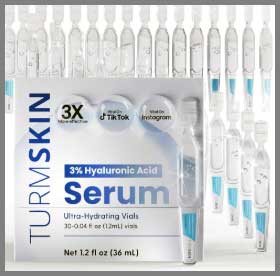
I’ll be honest: when I first ordered the Turmskin Hyaluronic Acid Serum, I was slightly confused by the branding.
The name “Turmskin” immediately made me think of turmeric—that bright orange spice known for staining everything it touches but working miracles on inflammation.
I was half-expecting a golden-hued liquid.
Instead, what I got was something that felt surprisingly clinical and high-tech.
The packaging was the first thing that threw me for a loop. Unlike the standard glass dropper bottles clogging up my vanity, this product came in individual, single-use ampoules (vials). Breaking open the first vial felt like a science experiment in my bathroom.
There is a satisfying “snap” to it that makes you feel like a professional aesthetician, but it also made me nervous—was I going to slice my finger? (Spoiler: I didn’t, the material is usually a soft plastic or easy-break glass, but it definitely adds a layer of “ritual” to your morning).
The serum itself is clear, odorless, and has a viscosity that sits right in the “Goldilocks” zone. It isn’t as watery as a toner, but it lacks that sticky, gloopy feel that cheap hyaluronic acids often have. I poured about half the vial into my palm—which turned out to be generous—and pressed it into my damp face.
The immediate sensation was… cooling. Intense, deep cooling. You know that feeling when you drink a glass of ice water after a long run? That is what my skin felt like. It drank the serum up almost instantly. Because the concentration is 3%—which is significantly higher than the standard 1% or 2% found in most American drugstore brands—I was worried about irritation or “the burn” that can happen when actives are too potent. But my skin just felt plump.
By the third day of using one vial every morning, the “glass skin” claim started to make sense. I looked in the mirror after my morning cleanse, and my forehead had that distinctive sheen—not oily, but reflective. It looked like I had just had a facial. The dry patches around my nose, which usually flake by midday under my foundation, were completely smoothed down.
However, it wasn’t all perfect. The ampoule format, while feeling fancy, became a bit of a nuisance on busy mornings. Sometimes I didn’t need the whole vial, and trying to prop up a half-open plastic tube without spilling it was a balancing act I didn’t appreciate before coffee.
Also, if I layered it too quickly with my silicone-based primer, I did experience a tiny bit of pilling near my jawline. I learned I had to let it sit and absorb for a full 60 seconds before moving on.
But the glow? The glow was undeniable. It gave me a “bouncy” skin texture that I usually only get after a sheet mask session, but I was getting it every single day.
Also read: My Thoughts on La Roche Posay Mela B3 Dark Spot Serum
Pros Of Turmskin Hyaluronic Acid Serum

- High-Potency 3% Hyaluronic Concentration: The most significant advantage of this product is the concentration. Most standard serums on the market cap out at 1% or 2% hyaluronic acid. Turmskin boasts a 3% formulation, which is a powerhouse level for hydration. This higher percentage means it creates a more substantial moisture reservoir in the upper layers of the skin. If you have severely dehydrated skin or live in an arid climate, this extra potency acts like a heavy-duty magnet for moisture, pulling hydration into the epidermis more aggressively than its competitors. It provides an almost instant “plumping” effect that fills in fine dehydration lines much faster than weaker formulas.
- Sterile, Single-Use Ampoule Packaging: While it takes some getting used to, the ampoule packaging is a massive pro for hygiene and stability. Every time you open a standard bottle of serum, you introduce air and bacteria to the formula, which slowly degrades the active ingredients. Turmskin’s individual vials ensure that the serum you put on your face today is just as fresh and potent as the day it was manufactured. This is particularly beneficial for acne-prone users who worry about cross-contamination from droppers touching their face. You get a sterile, perfectly dosed application every single time, maximizing the ingredient’s efficacy.
- Inclusion of Peptide Complexes: This isn’t just a “one-trick pony” hyaluronic acid serum. The formula often includes supporting powerhouses like Matrixyl and Argireline (acetyl hexapeptide-8). These peptides are well-regarded in the skincare world for their anti-aging properties, often referred to as “Botox in a jar” for their ability to relax facial tension and stimulate collagen production. By combining deep hydration with these structural proteins, the serum tackles aging from two angles: immediate surface plumping from the HA and long-term structural firmness from the peptides. It essentially doubles as an anti-aging treatment, saving you a step in your routine.
- Achieves the “Glass Skin” Finish: If your goal is that translucent, hyper-reflective “glass skin” look popular in K-beauty, this texture is specifically engineered for it. Because of the high molecular weight of the hyaluronic acid used, it leaves a very thin, breathable film on the surface of the skin that reflects light beautifully. It doesn’t dry down to a matte finish; instead, it retains a dewy sheen that makes skin look healthy and hydrated from within. It works exceptionally well as a primer for makeup, allowing foundation to glide over pores rather than sinking into them, giving you a radiant base without the need for shimmer or mica.
- Fragrance-Free and Low-Irritation Profile: Despite its high strength, the formula is generally free from synthetic fragrances and harsh essential oils that often plague “natural” brands. This makes it an excellent option for sensitive skin types that usually react to scented products. The focus is purely on hydration and barrier support, removing the risk of contact dermatitis caused by unnecessary perfume agents. It feels medicinal in a good way—clean, simple, and focused entirely on performance rather than sensory fluff.
Cons Of Turmskin Hyaluronic Acid Serum
- Confusing Brand Identity and Availability: One of the biggest frustrations is simply finding the correct product. The brand “Turmskin” is often confused with “TruSkin” (a different, major Amazon seller) or generic turmeric serums. Finding a reliable retailer can be a headache, as it is often stocked on niche import sites like Ubuy or lesser-known beauty outlets rather than major shelves like Sephora or Ulta. This scarcity means you might face long shipping times or sudden stock shortages. It requires more effort to buy than simply picking it up during your weekly grocery run, which can be a dealbreaker for consistency.
- Ampoule Packaging Generates Waste: While the vials are great for hygiene, they are terrible for the environment compared to a single glass bottle. If you are using this daily, you are throwing away a plastic or glass vial every single morning. For eco-conscious consumers, this amount of single-use waste is difficult to justify. Additionally, the vials can be finicky to open. If they are plastic, they twist off easily, but if they are glass snap-tops, there is always a minor risk of jagged edges or shattering if you aren’t careful, which adds a layer of stress to your morning routine.
- Potential for “Tackiness” if Overused: Due to the 3% concentration, this serum has more “body” than watery 1% serums. If you apply too much—and one full vial can sometimes be too much for a single face—it can leave a sticky or tacky residue that takes a long time to dry down. This tackiness can be problematic if you are rushing to apply powder makeup immediately after. It requires patience. If you don’t wait for it to fully absorb, it can mix with your foundation and cause “pilling” (little balls of product rolling off your skin), ruining your base makeup.
- Price Fluctuation and Value: Because it is often sold through third-party importers or marketplaces, the price is rarely stable. You might find it for a reasonable price one week, and double the price the next due to shipping or import fees. When you calculate the cost per milliliter, the ampoule format is often significantly more expensive than a standard 30ml bottle of The Ordinary or Good Molecules. You are paying a premium for the packaging and the high percentage, and for many users on a budget, the difference in results might not justify the difference in cost.
- Lack of “Turmeric” Benefits in the HA Serum: The brand name “Turmskin” is misleading if you are specifically looking for the benefits of turmeric (curcumin). While the brand may use turmeric in other products, the Hyaluronic Acid Ultra-Hydrating serum focuses on HA and peptides. Users buying this expecting the yellow, anti-inflammatory brightening power of turmeric might be disappointed to find a clear, standard hydration serum. It feels like a branding disconnect that can lead to false expectations regarding dark spot correction or inflammation reduction specifically from turmeric.
Also read: My Thoughts on Redness Defense Green Primer
Maintenance Tips For Turmskin Hyaluronic Acid Serum
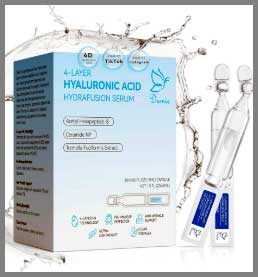
- Master the “Half-Vial” Technique: Often, one single ampoule contains more serum than your face actually needs (usually 1.5ml to 2ml). Flooding your face with too much product leads to stickiness and waste. A great tip is to use half the vial in the morning and save the other half for your evening routine. To do this, flip the twisted-off cap upside down; many ampoules are designed so the cap can plug back into the opening. If not, prop the open vial upright in a shot glass or a small cup on your vanity. This instantly doubles the lifespan of your box and prevents that heavy, sticky feeling.
- Always Apply to Damp Skin: This is non-negotiable for high-concentration hyaluronic acid. Hyaluronic acid is a humectant, meaning it grabs water. If you apply it to dry skin in a dry room, it can actually pull water out of your skin to satisfy its thirst, leaving you drier than before. Always mist your face with water or a toner before applying the Turmskin serum. The water on your face gives the HA something to grab onto and pull into your pores. Think of the serum as a sponge; you want the sponge to be wet, not dry, when it touches your face.
- Seal with an Occlusive Moisturizer: The “Glass Skin” look will evaporate within an hour if you don’t lock it in. Hyaluronic acid hydrates, but it doesn’t retain moisture on its own without a seal. You must follow this serum with a moisturizer that contains lipids, ceramides, or oils (occlusives). This creates a barrier on top of the serum, preventing the hydration from evaporating into the air (Transepidermal Water Loss). If you have oily skin, a gel-cream is fine; if you are dry, use a thick cream. Never use this serum as your final step; it is always the “middle” step.
- Store Away from Steamy Bathrooms: Even though the ampoules are sealed, heat can degrade the peptides (Matrixyl/Argireline) in the formula over time. People often store skincare in the bathroom medicine cabinet, but the daily fluctuation of heat and humidity from your shower can impact the stability of the product inside the box. For the best preservation of the active ingredients, store the box of ampoules in a cool, dark drawer in your bedroom, or even in a skincare fridge if you want an extra cooling, de-puffing effect in the morning.
- Check the Ingredients for Compatibility: Since this formula contains peptides, be careful when layering it with strong direct acids (like high-strength Glycolic Acid or Salicylic Acid) or pure L-Ascorbic Acid (Vitamin C) in the same routine. Strong acids can destabilize peptides, rendering them less effective. If you use a strong acid toner, use it at night and use the Turmskin serum in the morning, or wait 20 minutes between applications to allow your skin’s pH to neutralize. This ensures you aren’t accidentally deactivating the expensive anti-aging ingredients you paid for.
Comparison with Other Brands
Turmskin vs. TruSkin Hyaluronic Acid
This is the most common confusion. TruSkin (note the spelling) is a massive Amazon brand known for its Vitamin C and HA serums in standard dropper bottles. TruSkin’s HA serum is a plant-based formula that uses Cassia Angustifolia (a botanical HA alternative) mixed with Aloe and Vitamin C. It is more of a “natural,” all-rounder serum.
Turmskin (this product) is a more clinical, high-concentration (3%) formula often sold in vials. Turmskin is stronger and more focused on deep, immediate “glass skin” hydration and peptides. If you want a standard, easy-to-use daily serum that is cheap and effective, go with TruSkin. If you want a high-tech, intensive hydration treatment and prefer sterile packaging, Turmskin is the superior choice.
Turmskin vs. The Ordinary Hyaluronic Acid 2% + B5
The Ordinary is the budget king. Their serum is famous for being effective and incredibly cheap. It uses a 2% concentration with added Vitamin B5. The texture of The Ordinary can be a bit tacky and sometimes foams slightly upon application.
Turmskin offers a higher concentration (3%) and includes peptides, which The Ordinary’s basic HA serum lacks (though The Ordinary has a separate “Buffet”/Peptide serum). Turmskin feels more elegant and less “soapy” than The Ordinary. Ideally, Turmskin is an upgrade: you are paying more for that extra 1%, the peptides, and the better texture. If budget is your only concern, The Ordinary wins. If performance and anti-aging benefits matter, Turmskin takes the lead.
Turmskin vs. COSRX The Hyaluronic Acid 3 Serum
COSRX is a Korean beauty giant, and their “The Hyaluronic Acid 3 Serum” is a direct competitor with the same 3% concentration. COSRX’s formula is widely available and includes ceramides for barrier support.
The difference lies in the packaging and supporting ingredients. Turmskin leans into the peptide complex for wrinkles, while COSRX leans into ceramides for barrier repair. If your skin is damaged, red, or irritated, COSRX is likely better. If your skin is aging, sagging, or dull, the peptide boost in Turmskin makes it the better option. Also, COSRX comes in a dropper bottle, which is less wasteful but less sterile than Turmskin’s ampoules.
Frequently Asked Questions (FAQ)
No, they are completely different brands. TruSkin is a widely known American brand famous for its orange-label Vitamin C serum and botanical formulas. Turmskin is a separate entity, often associated with high-concentration ampoules and clinical formulations. It is easy to confuse them due to the similar spelling, but Turmskin focuses more on “glass skin” peptide treatments, whereas TruSkin focuses on plant-based natural skincare.
Yes, hyaluronic acid is generally safe to mix with almost all active ingredients. In fact, using the Turmskin serum before your retinol can act as a buffer to reduce irritation. However, because this specific formula contains peptides, you should be cautious with very low pH acids (like strong Vitamin C or Glycolic Acid toners). To be safe, use your Vitamin C in the morning and Turmskin at night, or wait 15 minutes between applications to prevent the acids from destabilizing the peptides.
Generally, yes, but patch testing is recommended. While Hyaluronic Acid is naturally found in the body and is not an allergen, a 3% concentration is very high (most serums are 1-2%). In rare cases, this high molecular weight can cause a slight inflammatory reaction or redness in hypersensitive skin simply due to the intensity of the hydration pull. If you feel burning, switch to a lower percentage.
Despite the name “Turmskin,” this specific Hyaluronic Acid Ultra-Hydrating Serum typically does not rely on Turmeric (Curcumin) as a primary active ingredient. The name is the brand identifier, not necessarily an ingredient list for every SKU. This product is a clear, odorless liquid focused on peptides and hydration, so do not expect the yellow color or anti-inflammatory staining properties associated with raw turmeric products.
Conclusion
So, is the Turmskin 3% Hyaluronic Acid Serum worth the hunt? If you are bored with standard serums that feel like plain water and want a treatment that makes your skin feel physically bouncier and “filled,” then absolutely. The combination of a high 3% concentration and anti-aging peptides makes it a potent weapon against dry, dull skin.
It requires a bit more effort to use than a pump bottle, and you have to make peace with the waste of the ampoules, but the sterile, fresh-every-time dosage delivers a level of performance that budget brands struggle to match. It’s not just hydration; it’s a daily restoration.