
I was exactly there—neck craned forward, shoulders rounded, looking perpetually exhausted. I saw an ad for the TrueFit Posture Corrector claiming it could fix years of slouching with just a few hours of wear a day.
It looked simple, affordable, and promised the world. But after testing it out, the reality was a bit more complicated. You should buy this product only if you are looking for a very cheap, entry-level reminder to sit up straight and have a smaller frame that fits generic sizing.
However, if you have serious back pain, need a device that is easy to put on by yourself, or want a high-quality medical brace that lasts, you should absolutely save your money and look for established brands like Dr. Arthritis or Upright Go.
My Experience With TrueFit Posture Corrector
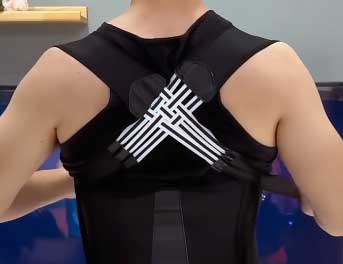
I bought the TrueFit Posture Corrector during a late-night scroll, desperate for a solution to the “tech neck” I developed from working at a laptop 10 hours a day.
The marketing made it look like a sleek, invisible undershirt that would magically pull my shoulders back.
I ordered it expecting a quick shipping turnaround, but it took nearly two weeks to arrive—a first hint that this might be a drop-shipped product rather than a premium medical device.
When I finally opened the package, the chemical smell of neoprene hit me immediately. It wasn’t overpowering, but it was definitely that “cheap gym equipment” scent. The device itself felt lighter than I expected. It is essentially a figure-8 strap system that goes around your shoulders and crosses at the back.
Putting it on was… an athletic event. The instructions were vague, basically just pictures. trying to reach behind my back to tighten the velcro straps while keeping the pads in the right place on my shoulders was a struggle. I felt like I was wrestling a backpack. Once I finally got it strapped in, the sensation was immediate. It did pull my shoulders back forcibly. For the first 20 minutes sitting at my desk, I felt great. My chest was open, and I couldn’t slump if I wanted to.
But around the 45-minute mark, the reality set in. The straps, which looked padded in the photos, started to dig into my armpits. I tried adjusting it, but if I made it looser, it didn’t correct my posture; if I kept it tight, it chaffed my skin. I tried wearing it under a t-shirt as advertised, but it was bulky and clearly visible—I looked like I was wearing a parachute harness.
After two weeks of using it for an hour a day, I can say it served as a mental reminder. Even when I wasn’t wearing it, I was more aware of my slouching. However, the physical discomfort and the difficulty of putting it on alone made me dread using it. It’s a classic case of “you get what you pay for.” It works mechanically, but it lacks the comfort and design finesse needed for daily, long-term use.
Read more: My Thoughts on No More Colds Red Light Therapy
Pros Of TrueFit Posture Corrector
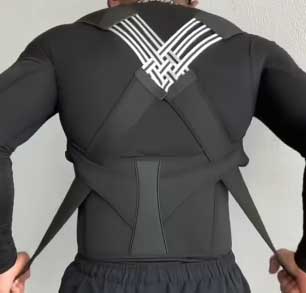
- Forces Immediate Awareness: The biggest benefit of this device is that it makes it physically difficult to slouch. The moment you try to roll your shoulders forward or hunch over your keyboard, the straps resist you. This creates a bio-feedback loop where your body instantly recognizes “bad” posture. For someone who slouches unconsciously, this physical resistance is a powerful wake-up call that forces you to engage your upper back muscles.
- Lightweight and Compact Design: Unlike full back braces that include metal rods or rigid lumbar support, the TrueFit is made entirely of soft fabric and neoprene. This makes it incredibly lightweight. You can fold it up into a tiny square and toss it in your laptop bag or purse. If you travel for work and want to use it in your hotel room, it takes up zero space. It doesn’t feel heavy on your body, which prevents you from feeling weighed down during the day.
- Very Affordable Price Point: Compared to high-tech posture trainers that vibrate or medical-grade braces that cost upwards of $80, the TrueFit is often sold at a budget-friendly price point (often under $30). For someone who is skeptical about whether a posture corrector will even work for them, this low barrier to entry makes it a low-risk experiment. It is a cheap way to test if mechanical correction is the right path for you before investing in expensive gear.
- Washable Materials: Since you are likely to sweat while wearing a tight neoprene brace, hygiene is important. The TrueFit is made of synthetic materials that are water-resistant and easy to clean. You don’t have to worry about rusting metal parts or ruining sensitive electronics. You can simply rinse it out in the sink, let it air dry, and it is fresh for the next day.
- Unisex and Adjustable Sizing: The device is designed to be a “one size fits most” solution with long velcro straps that allow for a wide range of adjustability. Whether you are a broad-shouldered man or a petite woman, the straps generally have enough length to tighten or loosen to your frame. This makes it a versatile option if multiple people in a household want to try it out without buying different sizes.
Cons Of TrueFit Posture Corrector
- Painful Underarm Chaffing: This is the most common complaint and my biggest issue. The straps pass directly through the armpit area to pull the shoulders back. Because the padding is minimal or sometimes non-existent in that specific spot, the straps tend to bunch up and rub against the sensitive skin of your underarms. Wearing it for more than 30 minutes can cut off circulation slightly or cause red, irritated friction marks, making it almost impossible to wear comfortably without a thick shirt underneath.
- Difficult To Put On Alone: The design requires you to pull straps tight behind your back or over your shoulders at awkward angles. If you have limited mobility in your shoulders—which is likely why you are buying this product in the first place—you might find it impossible to get the tension right without help. You often end up twisting and turning to grab the velcro, which defeats the purpose of keeping your spine aligned.
- Not Invisible Under Clothing: Despite marketing claims that it can be worn discreetly under a shirt, the reality is different. The velcro buckles and the thickness of the straps create visible lumps and bumps. Unless you are wearing a heavy winter sweater or a baggy hoodie, people will notice you are wearing a brace. It is not suitable for wearing under a dress shirt at the office or a fitted t-shirt.
- Customer Service & Shipping Issues: Many users report that “TrueFit” operates like a typical drop-shipping company. Shipping times can be long (weeks instead of days), and getting a hold of customer service for returns or refunds is notoriously difficult. If the product doesn’t fit or breaks, you may find yourself stuck with it because the return process is convoluted or unresponsive.
- Weakens Muscles With Overuse: This is a con for all passive posture correctors, including TrueFit. If you wear it for too long (more than 2 hours a day), your back muscles can actually become weaker because they are relying on the brace to hold you up rather than doing the work themselves. It is a training tool, not a permanent support, but the instructions often fail to emphasize this danger clearly.
Maintenance Tips For TrueFit Posture Corrector
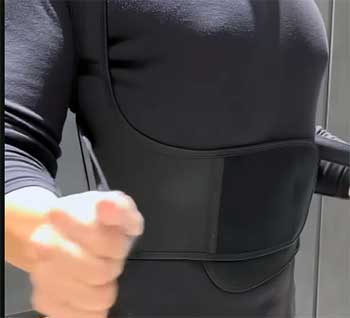
- Hand Wash Only: Never throw this device in the washing machine or dryer. The agitation will ruin the elasticity of the straps and the heat will destroy the velcro’s grip. Fill a sink with lukewarm water and a mild detergent (like baby shampoo or woolite). Gently knead the straps to remove sweat and oils. Rinse thoroughly until the water runs clear.
- Air Dry Flat: After washing, lay the corrector flat on a towel to dry. Do not hang it by the straps, as the weight of the water can stretch the neoprene out of shape, making it useless for support. Keep it out of direct sunlight, as UV rays can break down the rubber fibers in the neoprene, causing it to crack and crumble over time.
- Keep Velcro Closed When Not In Use: When you take the brace off, immediately stick the velcro tabs back onto the strap. If you leave them exposed, they will snag on the neoprene fabric, ripping it up and making it fuzzy. This “fuzzing” reduces the longevity of the brace and looks terrible. keeping the velcro closed also prevents it from picking up lint and hair, which reduces its stickiness.
- Inspect Stress Points Weekly: The plastic buckles or metal rings (depending on the specific version) are stress points where the fabric pulls the hardest. Check the stitching around these connection points once a week. If you see threads starting to fray, you might need to reinforce it with a needle and thread before it snaps completely while you are wearing it.
- Rotate With Active Exercises: To maintain your body while using the device, use the brace as a reminder, not a crutch. For every hour you wear it, spend 5 minutes doing “wall angels” or door-frame chest stretches. This ensures that your muscles are getting stronger and learning the position, so you don’t become dependent on the device forever.
Comparison with Other Brands
Comparison with Upright Go 2
Upright Go 2 is a high-tech biofeedback device, whereas TrueFit is a simple mechanical brace. Upright Go is a tiny sensor you stick to your back that vibrates when you slouch. It does not physically hold you up; it trains your brain. This builds muscle memory much faster and without the armpit pain of straps. However, Upright Go costs significantly more (often $80+) and requires charging. TrueFit is a fraction of the price and never runs out of battery. If you want a “smart” solution and hate straps, Upright Go is better. If you want physical support on a budget, TrueFit is the choice.
Comparison with Hempvana Arrow
Hempvana Arrow is a direct competitor in the “strap-style” market. The main difference is the design. Hempvana often features a back panel made with hemp fibers, which claims to be more breathable and moisture-wicking than the generic neoprene of TrueFit. Hempvana is generally easier to put on because of its backpack-style design that is slightly more structured. TrueFit feels more generic. Reviews for Hempvana tend to be slightly higher regarding comfort, though both suffer from the “armpit digging” issue. If you live in a hot climate, the Hempvana material might be less sweaty than the TrueFit.
Comparison with Dr. Arthritis Posture Corrector
Dr. Arthritis is a more medically-focused brand. Their product usually comes with a doctor-written handbook on spinal health, adding a layer of credibility. The Dr. Arthritis brace typically has better padding under the arms and uses higher-quality, softer materials than TrueFit. TrueFit feels like a budget knock-off in comparison. While Dr. Arthritis is slightly more expensive, the customer support and build quality are vastly superior. If you are actually in pain and need a reliable tool, Dr. Arthritis is the safer, more comfortable bet.
Comparison with FlexGuard Support
FlexGuard offers more robust support. Many FlexGuard models include a lumbar brace component, wrapping around the lower back as well as the shoulders. TrueFit focuses only on the upper back/clavicle. This makes FlexGuard bulkier but much more effective for total spine alignment. If you have lower back pain, TrueFit will do nothing for you. FlexGuard is better for total back support, while TrueFit is strictly for “rolling shoulders.”
Read more: My Thoughts on Alpha X10ND Ultra
Frequently Asked Questions (FAQ)
You should start slowly. Begin with 15 to 20 minutes a day to allow your body to adjust. Gradually increase the time by 10 minutes a day. Do not exceed 2 to 3 hours of wear per day. Wearing it for too long can cause your muscles to atrophy (weaken) because they stop working to hold you up.
No, absolutely not. You should never wear a posture corrector while sleeping. It can restrict blood flow, cause skin irritation, and force your body into a rigid position that is not natural for rest. It is designed for active hours when you are sitting or standing.
It is not a “scam” in the sense that you receive a product that functions as a brace. However, many customers report that the quality is lower than advertised and that the company (or various sellers using the name) has poor customer service and shipping practices. It is often considered a low-quality “drop-shipped” item, so manage your expectations accordingly.
No. The TrueFit Posture Corrector is a soft tissue support device designed for mild postural habits (slouching). It is not a medical device capable of correcting structural spinal deformities like scoliosis. If you have scoliosis, you must consult an orthopedic doctor for a specialized brace.
Conclusion
The TrueFit Posture Corrector is a classic case of “you get what you pay for.” It is an inexpensive, rudimentary tool that can help nag you into sitting up straighter. You should buy this product if you have a very limited budget and just need a quick, occasional reminder to pull your shoulders back while doing chores or sitting for short bursts. However, for anyone serious about long-term posture correction or comfort, it falls short.
The underarm pain, difficulty of use, and lack of customer support make it a risky purchase compared to reputable brands like Dr. Arthritis or Upright Go. My advice? Skip the cheap fix and invest in a higher-quality brace or a biofeedback device—your back will thank you.