
If you have been sweating through summer or shivering through winter in a room that your central HVAC just can’t seem to reach, you have likely found yourself scrolling through endless pages of mini-split options. In that search, you probably stumbled upon Traiden—a brand that pops up with tempting price tags and impressive specs like 23 SEER efficiency and built-in WiFi. But unlike the big names like Mitsubishi or Fujitsu, Traiden remains a bit of a mystery. You are probably asking yourself: Is this a hidden gem that will save me thousands, or a “you get what you pay for” nightmare waiting to happen?
In this comprehensive review, I am going to walk you through everything you need to know about Traiden mini splits, from their manufacturing origins to their real-world performance. I will break down the installation quirks, the reality of their warranty support, and how they actually stack up against other budget titans like Senville and MrCool. Whether you are looking to cool a garage workshop or add climate control to a bonus room, this guide will help you decide if Traiden is the right investment for your home or just a risky gamble.
My Experience With Traiden Mini Splits
I decided to install a 12,000 BTU Traiden unit in a detached garage that I use as a home office. Living in a climate with humid summers and moderately cold winters, I needed something that could handle both extremes without costing as much as the garage itself. Traiden caught my eye because it offered high-efficiency specs (20+ SEER) for about 30% less than the “name brand” equivalent at my local supply house.
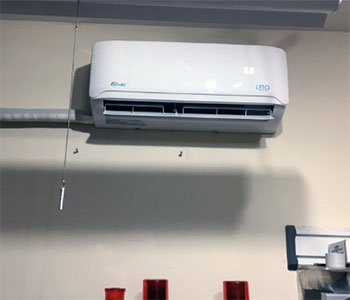
The unit arrived in three boxes: the outdoor condenser, the indoor air handler, and a line set kit.
My first impression was mixed.
The plastic on the indoor unit felt a bit thinner than the high-end units I have seen, but the outdoor compressor was surprisingly heavy and sturdy—a good sign for durability.
The “installation kit” included the copper lines, communication wire, and a drain hose.
However, I immediately noticed the copper line set felt a little stiff, which made bending it around corners nerve-wracking.
Installation was straightforward if you are handy, but the manual was clearly translated from another language. The phrasing was awkward, and some diagrams were small. Thankfully, the unit follows a standard installation logic common to most mini splits. I hired a licensed HVAC technician to do the final vacuum down and pressure test (which I highly recommend you do, too—more on that later). When we fired it up, the cooling was instant. The “Turbo” mode dropped the room temperature from 88°F to 72°F in about 20 minutes, which was impressive.
In terms of daily operation, the unit is quieter than I expected. The indoor fan on “Low” is barely a whisper, indistinguishable from background noise. The outdoor unit has a low hum that isn’t disruptive, even though it sits right outside a thin wall. The WiFi feature was a bit finicky to set up; I had to split my router’s signal to 2.4GHz to get it to connect, but once it did, being able to turn the AC on from my phone before walking out to the office was a game-changer.
However, it hasn’t been entirely perfect. During the first deep freeze of winter (around 25°F), the unit went into “Defrost” mode frequently. It kept the room warm, but it struggled to maintain the set 70°F, hovering closer to 66°F until the sun came out. Also, the remote control feels cheap and lacks a backlight, which is annoying when trying to adjust the temp in the dark.
Overall, my experience has been positive for the price. It does the job effectively, but it lacks the polish and extreme-weather resilience of a top-tier Japanese brand. It feels like a reliable workhorse for a budget project, provided you install it correctly.
Read More: My Thoughts on Ocean Breeze Air Conditioner
Pros Of Traiden Mini Splits
When evaluating Traiden against the sea of budget mini splits, several features stand out that make it a compelling choice for the cost-conscious homeowner. Here are the specific advantages that give this brand value.
- Excellent Price-to-Performance Ratio: The most significant selling point is undoubtedly the cost. You are getting features typically reserved for premium units—like inverter technology, 20+ SEER efficiency ratings, and heat pump capabilities—at a fraction of the price. For a 12,000 BTU unit, you might pay nearly double for a Mitsubishi or Daikin with similar efficiency specs. This makes Traiden an accessible option for non-critical spaces like garages, sheds, or guest rooms where you might not want to sink significant capital. The energy savings alone compared to a window unit can pay for the device in a few seasons.
- Rebranded Reliability (Likely Midea/Gree): While Traiden is a “private label” brand, the hardware underneath is likely manufactured by one of the major Chinese HVAC giants, such as Midea. This is a huge “pro” because these factories produce millions of units annually for dozens of brands (like Carrier, Senville, and Pioneer). It means the compressor and internal components are time-tested and widely used globally, not obscure proprietary tech that nobody knows how to fix. You get the benefit of mass-produced reliability without paying for the marketing budget of a major brand name.
- Modern Feature Set Included Standard: Unlike some budget brands that strip out features to save money, Traiden units often come fully loaded. Most models include WiFi control via a smartphone app, allowing for remote monitoring and scheduling. They also feature “Follow Me” technology, where the remote control acts as the thermostat sensor. This ensures the unit cools the room to the temperature where you are sitting, rather than just cooling the air near the ceiling where the unit is mounted. Gold-fin or Blue-fin coating on the condenser coils is also standard on many models, helping to resist corrosion from rain and salt air.
- Quiet Operation: One of the biggest surprises for users switching from window ACs is the noise level. Traiden indoor units typically operate as low as 25-30 decibels on the lowest setting, which is quieter than a library whisper. This makes them excellent for bedrooms or home theaters where background hum can be distracting. The inverter compressor outside ramps up and down smoothly rather than hard-starting with a loud “clunk,” keeping your neighbors happy as well.
Cons Of Traiden Mini Splits

Despite the value, there are distinct trade-offs when choosing a budget brand like Traiden. These issues can be deal-breakers depending on your technical skill level and climate needs.
- Warranty Requires Professional Installation: This is the “gotcha” that catches many DIY enthusiasts off guard. While the unit is marketed online and easy to buy, the 8-to-10-year compressor warranty is often void if you cannot prove it was installed by a licensed HVAC contractor. Unlike MrCool, which explicitly designs and warrants units for amateur installation, Traiden follows the traditional HVAC model. If a board fries or the compressor fails in year two, and you installed it yourself, you will likely be paying for the replacement parts out of pocket. You must weigh the savings of DIY against the risk of having zero warranty coverage.
- Poor Documentation and Manuals: The instruction manuals provided with Traiden units are frequently criticized for being “Chinglish”—poorly translated with vague steps. Critical details like specific torque settings for flare nuts or complex wiring diagrams for the communication cable can be unclear. This increases the risk of installation errors, such as refrigerant leaks or communication failures between the indoor and outdoor units. You often have to rely on generic YouTube tutorials for similar brands (like Senville or Pioneer) rather than the specific manual in the box.
- Heating Struggles in Extreme Cold: While these units are heat pumps, they are not “hyper-heat” units designed for arctic climates. Performance tends to drop significantly once outdoor temperatures dip below 15°F to 5°F. Users report that the unit spends a lot of time in “defrost” mode during freezing rain or snow, temporarily blowing cool air or pausing heating output. If you live in a region with harsh winters, you cannot rely on a Traiden as your sole heat source; you will need backup resistive heat or a wood stove.
- Limited Parts Availability: Because Traiden is a smaller private label, finding a replacement control board or fan motor 5 years from now can be a scavenger hunt. You cannot just walk into a local HVAC supply house and ask for a “Traiden fan blade.” You will likely have to hunt for matching parts based on part numbers from similar Midea/Gree units, which requires some technical detective work. If the importer goes out of business, you might be left with an orphan unit that is unfixable.
Maintenance Tips For Traiden Mini Splits
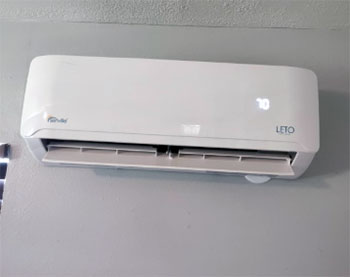
To keep a budget mini split running for a decade, you need to be proactive with maintenance. Neglect is the number one killer of these systems.
- Clean the Filters Every Two Weeks: The mesh filters inside the indoor head are small and clog quickly with dust and pet hair. A clogged filter restricts airflow, forcing the blower motor to work harder and reducing cooling efficiency. Pop the front lid open, slide the filters out, and rinse them under a sink faucet with warm water. Let them air dry completely before snapping them back in. This simple 5-minute task is the single most effective way to prevent ice buildup on the coils.
- Deep Clean the Blower Wheel Annually: Over time, mold and dust will bypass the filters and stick to the “squirrel cage” blower wheel inside the unit. This buildup unbalances the fan, causing the dreaded “wobble” or clicking noise that many users complain about. Once a year, turn the power off at the breaker and use a flashlight to inspect the wheel. If it looks fuzzy, you need to use a mini-split cleaning bib and a low-pressure sprayer to wash the gunk out of the wheel blades. Do not ignore this, or the mold will eventually smell like dirty socks.
- Check Flare Nuts for Leaks: The connection points where the copper lines meet the unit (the flare nuts) are the most common leak spots. Vibration from the compressor can loosen these nuts over the first year of operation. About 6 months after installation, and then annually, put a little soapy water on the connections while the unit is running. If you see bubbles, you have a refrigerant leak. Tighten the nut slightly (do not over-tighten!) or call a pro to re-flare the connection before you lose your refrigerant charge.
- Protect the Outdoor Unit: Ensure the outdoor condenser has at least 12-18 inches of clearance from walls or shrubs. In the winter, keep it clear of snow drifts; if the unit is buried in snow, it cannot pull heat from the air. Consider mounting it on a wall bracket or a stand to keep it off the ground, which protects it from dirt, leaves, and snow accumulation. Rinse the outdoor coils gently with a garden hose (low pressure) once a spring to remove pollen and dust that acts as an insulator.
Comparison with Other Brands
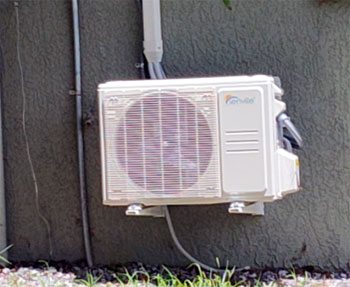
Traiden exists in a crowded marketplace of budget-friendly mini splits. To understand its value, you must compare it to its direct peers.
- MrCool DIY Series: This is the king of the “Do It Yourself” market. Comparison: MrCool’s primary advantage is its pre-charged line sets that seal themselves, meaning you do not need a vacuum pump or professional help to install it. Traiden requires you to cut, flare, and vacuum the lines, which requires specialized tools. MrCool offers a warranty that is valid for DIYers; Traiden technically does not. However, you pay a massive premium for MrCool—often $500 to $800 more than a comparable Traiden unit. If you have the tools and know-how (or a cheap HVAC friend), Traiden saves you money. If you want a hassle-free, warranty-backed DIY experience, MrCool is safer.
- Senville (Leto/Aura Series): Senville is another massive online brand that is remarkably similar to Traiden. Comparison: Both Senville and Traiden are widely believed to be manufactured by Midea, meaning the internal hardware is nearly identical. Senville, however, has a slightly larger support infrastructure in North America and more available documentation online. Senville units are often easier to find parts for because the brand is more established. Traiden sometimes undercuts Senville on price during sales. If the price is the same, Senville is the safer bet for long-term support. If Traiden is significantly cheaper, the hardware quality is effectively a wash.
- Pioneer Air Conditioner: Pioneer is a staple at big-box hardware stores like Home Depot. Comparison: Pioneer occupies the same “good quality budget” space. Pioneer’s customer service is generally rated higher than generic import brands, with a US-based support team that actually answers phones. Traiden’s support is more obscure and often relies on email or third-party sellers. Pioneer units often come with slightly better installation kits (better copper). Performance-wise, they are neck-and-neck, but Pioneer wins on “peace of mind” for the average consumer who might need to call tech support.
Also Read: My Thoughts On Ambiano Portable Air Conditioner
Frequently Asked Questions (FAQ)
Traiden is a private label brand, and while they do not publicize their OEM, evidence strongly suggests they are manufactured by Midea or Gree in China. These are the same massive factories that produce units for major brands like Carrier, Toshiba, and other budget labels like Senville and Pioneer. This is generally a good thing, as it ensures standard, reliable components are used inside.
Officially, usually no. Like most standard HVAC brands, Traiden’s warranty terms typically state that the unit must be installed by a licensed professional to be valid. While you can physically install it yourself, if you need a replacement compressor under warranty, they may ask for a contractor’s license number or an invoice to process the claim.
Since Traiden likely uses Midea internals, common error codes include:
E1: Communication error between indoor and outdoor units (check your wiring).
EC: Refrigerant leak detection (check your flare nuts).
E3: Fan speed malfunction (check for a dirty blower wheel). If you see these codes, refer to Midea-based troubleshooting guides if the Traiden manual is unclear.
Not directly out of the box. Mini splits use communicating protocols that standard 24V thermostats (like Nest) do not understand. However, you can buy a “smart puck” adapter like Cielo Breez or Mysa that mimics the IR signals of the remote control, allowing you to control the Traiden unit via an app or smart home system seamlessly.
Conclusion
Traiden mini splits represent a solid “middle of the road” option in the budget HVAC market. They offer excellent efficiency and modern features for a price that is hard to beat, making them perfect for garage conversions, rental properties, or budget-conscious home additions. The hardware is reliable, likely stemming from a top-tier manufacturer, and will cool your space effectively.
However, the “budget” nature shows up in the lack of polished documentation, the strict warranty terms, and the potential difficulty in sourcing specific spare parts later on. If you are a confident DIYer with HVAC tools—or if you have a friendly pro willing to do a side job—Traiden is a fantastic bargain. But if you want a guaranteed warranty and simple plug-and-play installation, you might be better off spending the extra money on a MrCool or Pioneer system.