
You and I both chase that perfect bowl of rice—fluffy, flavorful, and effortless—so let’s settle the Toshiba vs. Zojirushi debate once and for all with real-world cooking experience, side-by-side tests, and honest breakdowns of features, performance, and value.
I’ve owned and used both brands daily for years, cooking everything from jasmine to sushi rice to mixed grains, and I’m sharing everything you need to know to pick the right one for your kitchen, budget, and rice obsession level.
A Brief Comparison Table
| Feature | Toshiba (TRCS01 6-cup or similar models) | Zojirushi (NS-ZCC10 5.5-cup or NS-TSC10 Micom models) |
| Price Range | $70–$110 | $150–$250 |
| Capacity | 3-cup to 8-cup options | 3-cup, 5.5-cup, 10-cup |
| Cooking Technology | Fuzzy logic with microcomputer | Advanced fuzzy logic + Micom; induction heating in premium lines |
| Rice Texture Quality | Very good—consistent, slightly softer grains; excellent for mixed rice and quick meals | Outstanding—restaurant-level individual grains, perfect chew; superior for sushi and premium varieties |
| Menu Settings | 7–12 (white, brown, quick cook, mixed, porridge, steam, cake) | 10–15 (white, sushi, brown, GABA brown, umami, jasmine, porridge, steam) |
| Keep Warm | Up to 24 hours (can develop crust after 12) | Up to 24 hours (extended mode keeps rice fresh longer without drying) |
| Inner Pot | Non-stick aluminum | Non-stick with clear coating; some stainless or induction-compatible |
| Induction Heating | No | Yes (in ZCC and higher models) |
| Delay Timer | Yes, up to 24 hours | Yes, up to 24 hours |
| Ease of Cleaning | Very easy—removable lid and dew collector | Easy but more parts (steam vent cap needs cleaning) |
| Build Quality | Solid but mostly plastic | Premium stainless steel accents, built to last decades |
| Warranty | 1 year | 1 year (inner pot often longer) |
| Weight | Lighter (around 8–10 lbs) | Heavier (10–15 lbs depending on model) |
| Best For | Budget-conscious cooks, beginners, multi-grain meals | Rice enthusiasts, Japanese/sushi rice perfectionists, long-term investment |
My Experience With Toshiba Rice Cooker
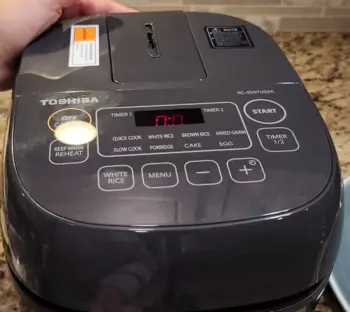
I bought my first Toshiba rice cooker—the 6-cup TRCS01—about three years ago when my old cheap model finally died mid-dinner party, leaving me with half-cooked rice and hungry guests.
At $85 on sale, it felt like a no-brainer upgrade without breaking the bank, and I remember being pleasantly surprised by how light and compact it was compared to the bulky Zojirushi I’d seen at a friend’s house.
Setup was ridiculously easy—plug it in, rinse the pot, add rice and water, pick a setting, press start. No complicated manual to decipher or settings to learn.
The first batch of jasmine rice came out surprisingly well—fluffy, evenly cooked, with just the right amount of stickiness for my Thai takeout nights. I was honestly shocked for the price, thinking “this can’t be real” as I scooped perfect portions.
Brown rice took longer but turned out nutty and chewy without being hard in the middle, something my old cooker always struggled with, leaving me with crunchy centers or mushy outsides. The quick cook setting became my weeknight hero when I was running late—decent rice in about 30 minutes that still tasted better than microwave packets.
Over time, I started experimenting more boldly. The mixed rice setting handled my “throw everything in” combos—rice with quinoa, barley, lentils, and even chopped veggies—without turning into glue, giving me healthy one-pot meals that my family actually ate without complaints.
Porridge mode made perfect congee for weekend breakfasts and creamy steel-cut oats that didn’t require constant stirring like on the stove. I even baked a decent sponge cake once when I was feeling adventurous (don’t judge—it worked!).
Cleaning is honestly one of its biggest wins for me. The inner lid pops off easily, the dew collector is removable and rinses in seconds, and the non-stick pot wipes clean with almost no effort—I can have the whole thing washed and dried in under five minutes, which is huge when I’m exhausted after work.
After three years of near-daily use, the non-stick coating is showing some wear in spots where my rice paddle scrapes the bottom, and rice left on keep-warm for more than 12 hours develops a slight crust that’s not terrible but noticeable. The plastic exterior has some scuffs from counter life, but it’s still going strong.
Also read: My Thought On Drew Barrymore Slow Cooker
My Experience With Zojirushi Rice Cooker
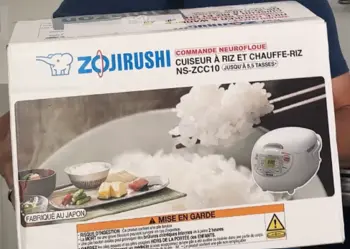
I finally pulled the trigger on a Zojirushi NS-TSC10 5.5-cup Micom model last year after my Toshiba started showing its age and I wanted to see what all the fuss was about.
At $180, it was a big jump in price, but I’d been hearing “it’s worth it” from rice enthusiasts for years.
Unboxing felt like opening a luxury appliance—the stainless steel exterior, the solid weight that screams quality, the way the lid closes with that satisfying “click” that lets you know everything is sealed perfectly.
It just felt premium in a way my Toshiba never did.
The first batch of sushi rice was genuinely life-changing—perfectly sticky but with individual grains that held their shape, exactly like my favorite sushi restaurant where I used to spend $50 on takeout. The “umami” setting for white rice actually made a noticeable difference—I did a side-by-side taste test with my Toshiba using the same rice, and the Zojirushi version had more depth of flavor, better texture, and stayed warmer longer.
Brown rice and GABA brown (which germinates the rice for extra nutrients and a nuttier taste) came out phenomenal, with even cooking from edge to edge and no undercooked bottom layer that sometimes happened in my Toshiba with larger batches. The induction heating really does make a difference in temperature control and consistency.
The menu is more complex than Toshiba’s simple buttons, but once I learned it, I appreciated the precision options—like different texture settings for white rice (regular, softer, harder) that let me customize exactly how I want it for different dishes. The steam function works great for vegetables and dumplings, and the cake setting makes surprisingly good cheesecake that my kids request.
Cleaning takes a bit more effort than my Toshiba—the steam vent cap needs occasional removal and thorough washing to prevent starch buildup—but it’s not difficult, just a couple extra minutes. The inner pot’s coating has held up perfectly with no wear after a year of heavy use, and the stainless exterior still looks brand new.
The only real downside for me is the weight and size—it’s heavy and takes up more permanent counter space than my Toshiba, which I could easily move around or store when needed.
Pros Of Toshiba Rice Cooker
- Outstanding Value That Punches Above Its Weight Class: You get fuzzy logic technology, multiple cooking settings, and reliable performance for under $100, delivering results that rival cookers twice the price, making it perfect for families or anyone who wants great rice without the premium markup that some brands demand. My TRCS01 has paid for itself many times over in saved takeout costs and time.
- Lightweight Design That’s Easy to Handle and Store: At around 8-10 pounds with a compact footprint, it’s simple to lift, move around the kitchen, or store in a cabinet when not in use, ideal for small apartments or anyone who doesn’t want a heavy appliance dominating their counter space permanently.
- Versatile Multi-Cooker That Goes Beyond Just Rice: Excellent performance with mixed grains, porridge, steaming vegetables, and even baking simple cakes, allowing you to make healthy one-pot meals, breakfast oats, or side dishes without needing additional appliances cluttering your kitchen.
- Super Simple and Fast Cleaning Process: The removable inner lid, dew collector, and non-stick pot make cleanup a quick 2-3 minute job with just warm water and a soft sponge, perfect for busy evenings when you don’t want to spend time scrubbing after dinner.
- Reliable Quick Cook Setting for Busy Weeknights: The quick cook mode produces decent rice in about 30 minutes when you’re in a rush, saving dinner when you’re running late without sacrificing too much quality compared to the standard cycle.
- Intuitive and Beginner-Friendly Interface: Large, clearly labeled buttons and a simple LCD display make it easy for anyone to use, including teenagers or elderly family members who might be intimidated by more complex menus on premium models.
- Extended Keep-Warm Function for Flexible Meal Times: Up to 24 hours of keep-warm capability means rice stays ready for second helpings or late arrivals without needing to reheat, great for households with different schedules.
- Solid Everyday Reliability for Daily Use: Consistent performance day after day without fancy features you might never use, making it a practical choice for most home cooks who just want good rice without overcomplicating things.
Cons Of Toshiba Rice Cooker
- Non-Stick Coating Shows Wear After Extended Use: After 18-24 months of daily cooking, the coating begins to wear in high-use areas where the rice paddle scrapes, causing rice to stick more and requiring extra soaking or scrubbing that wasn’t needed when new.
- Rice Texture Not Quite Restaurant Perfection: While very good for the price, it doesn’t achieve the same precise individual grain separation and texture depth as induction heating models, resulting in slightly softer or stickier rice depending on the variety.
- Plastic Exterior Feels Less Premium and Shows Wear: The mostly plastic build, while functional, collects fingerprints and scuffs more easily than stainless steel models, looking more “budget” over time compared to higher-end competitors.
- Keep-Warm Function Develops Crust Over Long Periods: Rice left on keep-warm for more than 12 hours develops a noticeable crust on the bottom layer, which some people love but others find reduces the overall quality of leftovers.
- Limited Advanced Rice-Specific Settings: No specialized modes like GABA brown rice germination or umami enhancement that rice purists appreciate in premium Japanese brands.
- No Induction Heating Technology: Uses a standard heating element rather than induction, which can lead to slightly less even temperature distribution in larger batches or with certain rice types.
- Louder Operational Sounds: The beeping alerts and steaming process are more audible than some competitors, which can be noticeable in open-plan living spaces.
- Shorter Power Cord Length: The cord is on the shorter side, sometimes requiring an extension cord depending on your kitchen layout and outlet placement.
Pros Of Zojirushi Rice Cooker
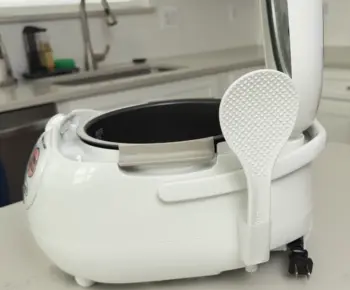
- Unmatched Rice Quality That Rivals Restaurants: Produces perfectly textured rice with individual grains and exceptional flavor depth every single time, making even basic white rice taste noticeably better than other cookers through precise temperature control and cooking algorithms developed over decades.
- Induction Heating for Perfectly Even Cooking: The induction models heat the entire pot evenly from all sides, eliminating hot spots and undercooked layers that can happen with standard heating elements, resulting in consistent results regardless of batch size or rice type.
- Premium Build Quality Built to Last Decades: Stainless steel exterior and robust construction that feels substantially more durable than budget models, with components that show minimal wear even after years of daily use.
- Advanced Specialized Settings for Rice Perfectionists: Options like GABA brown rice germination, umami enhancement, different texture levels for white rice, and specific modes for sushi or porridge give you complete control over the final result.
- Superior Extended Keep-Warm Performance: The extended keep-warm function maintains rice quality for up to 24 hours without drying out or developing crust, perfect for households with staggered meal times or meal prep.
- Thoughtful Design Details: Features like melody alerts (instead of harsh beeps), clear water level markings for different rice types, and a retractable power cord show attention to user experience.
- Excellent Inner Pot Durability: The thick, high-quality non-stick coating with clear measurement lines that don’t fade holds up exceptionally well to daily use and cleaning.
- Quiet and Refined Operation: Minimal noise during cooking and keep-warm cycles, making it suitable for open kitchens or quiet households.
Cons Of Zojirushi Rice Cooker
- Significant Price Premium Over Competitors: At $150-250, you’re paying 2-3 times more than comparable capacity Toshiba models for features and quality improvements that may not justify the cost for casual rice eaters.
- Heavier Weight and Larger Footprint: The substantial build makes it difficult to move around or store, requiring permanent counter space that can feel excessive in small kitchens.
- More Complex Menu System and Learning Curve: The numerous settings and Japanese-inspired menu layout can be initially confusing for beginners or casual users who just want basic rice.
- Longer Standard Cooking Times: Regular white rice takes 50-60 minutes compared to quicker budget models, which can be inconvenient when you’re in a rush for dinner.
- More Involved Cleaning Process: Additional parts like the steam vent cap and inner lid seal require regular disassembly and thorough cleaning to prevent buildup.
- Higher Energy Consumption: Induction heating models use more power during the cooking cycle compared to standard heating elements.
- Less Versatile for Non-Rice Cooking: While good for steaming and some other functions, it doesn’t excel at mixed grain cooking or baking like some budget multi-cookers.
- Limited Availability of Replacement Parts: Some inner pots and accessories can be expensive or hard to find compared to more common brands.
Read more: Comparison Of Zojirushi Micom And Neuro Fuzzy
Maintenance Tips For Toshiba Rice Cooker
- Immediate Exterior Wipe-Down with Damp Cloth: Wiping the plastic exterior and control panel right after use prevents rice starch and water spots from drying on, keeping your Toshiba looking clean and new for years while also preventing any sticky buttons or discoloration that can happen with steam exposure over time. This 30-second habit also lets you catch any spills before they harden.
- Vinegar Descaling Cycle for Heating Element: Running a cycle with 1 cup white vinegar mixed with water once a week removes mineral deposits from hard water that can affect heating efficiency and cooking time, ensuring your Toshiba continues to cook rice evenly without developing hot spots or longer cooking durations. The vinegar naturally dissolves buildup without harsh chemicals.
- Use Only Soft Utensils to Protect Non-Stick Coating: Always using wooden, silicone, or plastic rice paddles and spoons prevents scratches to the non-stick surface that lead to sticking rice and difficult cleaning over time, extending the life of your inner pot significantly beyond the typical 18-24 month wear point. Metal utensils are the biggest culprit for premature coating failure.
Maintenance Tips For Zojirushi Rice Cooker
- Remove and Rinse Steam Vent Cap After Each Use: Taking off the steam vent cap and giving it a quick rinse prevents rice starch from building up and blocking steam release, which can affect cooking performance and lead to overflow or uneven results if neglected over time. This simple step also eliminates any potential for mold growth in the vent.
- Full Disassembly and Soak of Removable Parts: Completely disassembling the inner lid, steam vent, and seals for a weekly soak in warm soapy water ensures no starch residue accumulates in hard-to-reach areas that can cause odors or affect steam pressure during cooking. The premium build makes this process straightforward but necessary for maintaining that “like new” performance.
- Store with Lid Slightly Open and Parts Dry: Always ensuring all removable parts are completely dry and storing the cooker with the lid propped open prevents moisture trapping that can lead to mold or odors in the premium seals and gaskets that make Zojirushi so effective. This small habit preserves the appliance’s longevity dramatically.
Which One Should You Choose?
If you’re cooking rice a few times a week, love experimenting with different grains, or want maximum value with solid performance, the Toshiba gives you excellent results for everyday cooking at a fraction of the price—perfect for most households.
If you’re serious about rice quality, make Japanese or sushi rice regularly, or want an appliance that will last decades with perfect results every time, the Zojirushi is absolutely worth the investment—the difference in rice quality is genuinely noticeable and appreciated by true rice lovers.
I keep both in my kitchen—the Toshiba for quick daily meals and multi-grain experiments, and the Zojirushi for special occasions or when I want restaurant-quality rice. Best of both worlds.
Frequently Asked Questions (FAQ)
Zojirushi consistently produces the highest-quality rice cookers with superior texture, flavor, and durability, especially for Japanese and sushi rice, though Toshiba offers excellent performance and value for everyday cooking needs.
Zojirushi is widely regarded as the best Japanese rice cooker brand, with decades of specialized engineering focused on perfect rice texture and advanced features like induction heating and GABA brown rice modes.
No, Toshiba rice cookers are manufactured in China, though they incorporate Japanese-inspired fuzzy logic technology and design principles for reliable performance at a lower price point.
No, Zojirushi is a Japanese brand founded in 1918 in Osaka, Japan, with most manufacturing still done in Japan and a reputation for premium quality Japanese rice cookers.
Conclusion
You deserve rice that elevates every meal, and both Toshiba and Zojirushi can deliver excellent results—just choose based on your needs and budget. Go with Toshiba if you want great performance, versatility, and incredible value for daily cooking without overpaying.
Choose Zojirushi if you’re ready to invest in the absolute best rice quality, premium build, and features that will last decades. Either way, you’ll be upgrading your rice game significantly from basic cookers. Your perfect bowl of rice is waiting—pick the one that fits your life and start enjoying better meals today.