
Fungal infections are the silent, stubborn guests that refuse to leave. You know the feeling—that maddening itch between your toes that wakes you up at 3 AM, or the unsightly yellow discoloration slowly creeping down your toenail that makes you dread sandal season. We have all been there, standing in the pharmacy aisle, overwhelmed by a sea of generic tubes and flashy boxes, wondering which one will actually work. That is likely where you stumbled upon Tineacide Antifungal Cream, a product often sitting a shelf above the standard Lotrimin, boasting “doctor-formulated” credentials and a price tag to match.
In this comprehensive review, I am going to walk you through the reality of Tineacide Antifungal Cream, moving past the medical jargon to see if it truly justifies the premium cost. I will break down its unique botanical-chemical blend, its real-world effectiveness on both skin and nails, and how it stacks up against the cheaper drugstore giants. Whether you are battling a recurring case of athlete’s foot or trying to save a crumbling toenail, this guide is designed to help you decide if Tineacide is the heavy hitter you need or just another overhyped topical.
My Experience With Tineacide Antifungal Cream
I decided to try Tineacide after a particularly grueling summer of marathon training left my feet in shambles. I had the classic “athlete’s foot” symptoms—peeling skin between the toes and a redness that just wouldn’t quit—combined with a suspect yellowing on my big toe that terrified me. I had tried the basic generic creams before, the ones you grab for five bucks, but they always felt like they were just sitting on the surface, suppressing the itch for a few hours before it roared back.
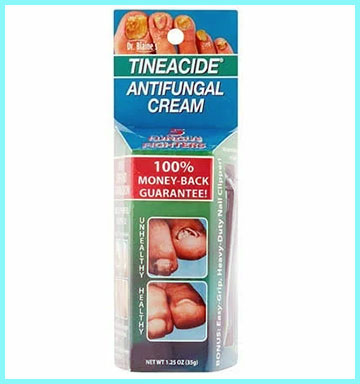
When I ordered the Tineacide cream, the first thing I noticed was the packaging.
It felt a bit more “clinical” than the flashy sports brands, which gave me a sense of confidence.
Opening the tube, I expected that harsh, medicinal chemical smell that burns your nose.
Instead, I was hit with a surprisingly pleasant, herbal scent—likely the tea tree and lavender oil in the formula.
It didn’t smell like a hospital; it smelled like a spa treatment, which was a massive upgrade for something I had to apply twice a day.
The application was different, too. The cream is thick but absorbs surprisingly well.
It doesn’t leave that greasy, slippery residue that makes walking on hardwood floors a death trap. I applied it religiously every morning after my shower and every night before bed. For the first three days, the itch subsided significantly, which was a relief. The skin between my toes, which had been raw and cracked, started to feel softer and less angry. The inclusion of urea in the formula seemed to be doing its job, softening the calloused skin so the medicine could actually penetrate.
However, the “nail” aspect was a slower burn. I applied the cream over the cuticle and the nail surface as directed. While the skin around the nail looked healthier within a week, the nail itself didn’t magically transform overnight. It took about three weeks before I noticed the discoloration stopping its advance. It wasn’t curing the existing yellow part—that had to grow out—but the new growth looked clearer.
The biggest hurdle for me was the price. At nearly double the cost of a standard tube of Clotrimazole, I found myself being stingy with the application towards the end of the tube. But ultimately, the soothing factor of the aloe and the lack of chemical burn made it a much more pleasant experience than my previous attempts. It felt like a “premium” treatment, treating the skin condition while fighting the fungus, rather than just nuking the area with chemicals.
Read More: My Thoughts On Dollar Tree Antifungal Cream
Pros Of Tineacide Antifungal Cream
When evaluating Tineacide against the dozens of other options on the shelf, it is important to understand where your extra money is actually going. This isn’t just a generic antifungal in a fancy box; it has specific formulation choices that offer distinct advantages.
- Dual-Action Formula with Botanicals: The most significant “pro” is that Tineacide doesn’t just rely on the antifungal agent (usually Miconazole or Undecylenic Acid). It incorporates a blend of natural ingredients like Tea Tree Oil, Lavender Oil, and Aloe Vera. Tea Tree Oil is widely recognized for its natural antiseptic properties, providing a “second layer” of attack against bacteria and fungus. The Aloe Vera and Lavender serve to soothe the inflammation and redness immediately upon application. This means you aren’t just killing the fungus; you are actively calming the angry, itchy skin, which provides immediate symptomatic relief while the medicine does the heavy lifting.
- Penetration Enhancers for Tough Skin: Fungal infections often hide beneath thick layers of dead, calloused skin, especially on the heels and around the nails. Tineacide often includes Urea or other softening agents in its base. These ingredients act as keratolytic agents, meaning they dissolve the bonds holding dead skin cells together. By softening the hard outer layer of the skin and nail bed, the active antifungal ingredient can penetrate deeper to reach the root of the infection. Standard creams often sit on top of the callus, failing to reach the fungus underneath, whereas Tineacide is designed to break through that barrier.
- Pleasant Scent and Texture: Compliance is the number one reason antifungal treatments fail; people stop using them because they are gross, smelly, or greasy. Tineacide has engineered a product that is actually pleasant to use. The scent is herbal and clean, masking the typical medicinal odor associated with fungal treatments. The texture is non-greasy and absorbs quickly into the skin, meaning you can put your socks and shoes on almost immediately after application. This usability factor ensures you are more likely to stick to the twice-daily regimen, which is critical for actually curing the infection.
- Podiatrist-Formulated Credibility: Unlike many generic brands produced by massive pharmaceutical conglomerates, Tineacide was developed by a podiatrist (Dr. Blaine). This formulation comes from a place of clinical experience, specifically targeting the issues foot doctors see daily. It addresses the “whole foot” health—moisture, bacteria, and fungus—rather than just one symptom. Knowing the product is a staple in many podiatry offices gives users peace of mind that they are using a professional-grade solution at home.
Cons Of Tineacide Antifungal Cream

Despite the premium formulation, Tineacide is not a magic wand, and there are valid reasons why it might not be the right choice for every user or every budget.
- Significantly Higher Price Point: The most obvious drawback is the cost. You can often buy a generic tube of Miconazole or Clotrimazole for $5 to $8, whereas Tineacide can cost anywhere from $15 to $25 for a similar size. For a treatment that might require multiple tubes over several months (especially for nail issues), this cost adds up quickly. If you are on a tight budget and just have a mild case of athlete’s foot, the “premium” ingredients might not be worth the 300% markup. You are paying for the brand name and the added botanicals, not necessarily a stronger antifungal drug.
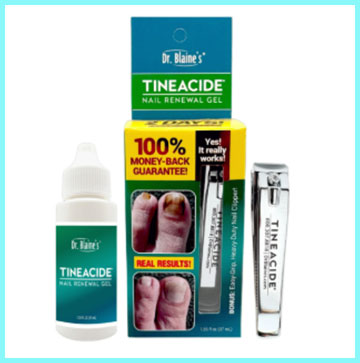
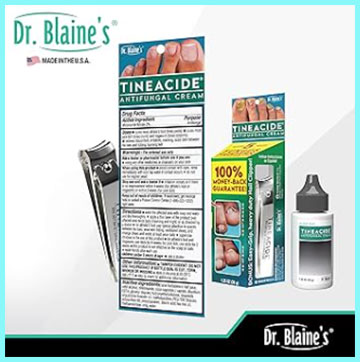
- Confusion Over Active Ingredients: One of the most frustrating aspects of buying Tineacide is the inconsistency in labeling across different versions. Some versions found in drugstores contain Miconazole Nitrate, while others (often labeled “Physician Formula” or found online) use Undecylenic Acid. This can be confusing for consumers who are specifically looking for one type of medication over another. If you have tried Miconazole before and it didn’t work, you might accidentally buy Tineacide thinking it’s different, only to find it’s the same active ingredient you already failed with. You have to read the back label of the specific box you are holding very carefully.
- Results for Nails Are Still Slow: Despite the marketing claims of penetrating nail tissue, it is important to manage expectations: topical creams rarely cure severe nail fungus on their own. The fungus lives under the nail plate, and even with penetration enhancers, it is incredibly difficult for a cream to soak through a thick toenail. Many users buy this expecting their yellow, thick nails to turn clear in a week, and are disappointed when it takes months of daily use to see even minor changes. It is effective for stopping the spread and treating the skin around the nail, but for a full “cure” of the nail plate, it is often not enough without oral medication or filing.
- Potential for Skin Sensitivity: While the botanical ingredients are soothing for most, they can be irritants for some. Tea Tree Oil and Lavender Oil are known allergens for a subset of the population. If you have extremely sensitive skin or eczema, the complex blend of essential oils might actually cause contact dermatitis or redness. A simple, single-ingredient cream like generic Clotrimazole is chemically simpler and less likely to trigger an allergic reaction in highly sensitive individuals.
Maintenance Tips For Tineacide Antifungal Cream
Treating a fungal infection is 50% about the medication and 50% about hygiene. You can use the most expensive cream in the world, but if you put your foot back into a damp, fungus-filled shoe, you will never get better.
- The “Clean and Dry” Rule: You must apply the cream to perfectly clean and dry skin. After showering, take an extra minute to towel dry between your toes. Fungus thrives in moisture; if you apply cream over damp skin, you are trapping that moisture against the fungus, which is counterproductive. Use a hairdryer on the “cool” setting to blast air between your toes before applying the cream. This ensures the medication is the only thing absorbing into your skin, maximizing its potency.
- Treat Your Shoes, Not Just Your Feet: Re-infection is the most common reason for treatment failure. Your shoes are dark, warm, and moist—the perfect breeding ground for the fungus you just washed off your feet. You should use an antifungal spray or powder (Tineacide makes a shoe spray, but any brand works) inside your shoes every single day. Rotate your shoes so you never wear the same pair two days in a row; this gives them 24 hours to dry out completely. If you don’t treat your footwear, you are simply walking in a petri dish of your own infection every day.
- Don’t Stop When the Itch Stops: This is the golden rule of antifungal therapy. The symptoms (itching, redness) usually disappear weeks before the fungus is actually dead. You must continue applying the Tineacide cream for at least two weeks after your skin looks normal. Microscopic spores can remain dormant on the skin, waiting for you to drop your guard. Stopping too early ensures the infection will return with a vengeance, forcing you to start the whole expensive process over again.
- Exfoliate for Better Penetration: Since the cream needs to reach the living tissue, dead skin is an obstacle. Once a week, gently use a pumice stone or a foot file on your heels and calluses (be gentle on infected areas to avoid spreading it). Removing the layer of dead, hard skin allows the Tineacide to absorb much deeper. If you are treating nails, file the surface of the nail thin (using a disposable file or sanitizing it afterwards) to reduce the thickness the cream has to penetrate.
Comparison with Other Brands
The antifungal aisle is crowded. To see if Tineacide is the right choice, we need to stack it up against the heavyweights you’ll see right next to it.
- Lotrimin Ultra (Butenafine Hydrochloride): This is widely considered the “gold standard” for OTC athlete’s foot. Comparison: Lotrimin Ultra uses Butenafine, which is a newer generation antifungal that is often fungicidal (kills fungus) rather than just fungistatic (stops growth). Lotrimin Ultra typically works faster, often clearing skin infections in 1 week compared to the 2-4 weeks required for Miconazole-based products. However, Lotrimin is strictly a chemical cream; it lacks the soothing botanicals, aloe, and urea of Tineacide. If speed is your only metric, Lotrimin Ultra wins. If you have dry, cracked, painful skin that needs healing and antifungal treatment, Tineacide’s moisturizing formula offers a better overall recovery experience.
- Lamisil AT (Terbinafine): Another heavy hitter known for its “one week” cure claims. Comparison: Lamisil uses Terbinafine, which is incredibly potent and builds up in the skin to keep working after you stop applying it. Like Lotrimin, it is a clinical powerhouse but can be drying and harsh on sensitive skin. Tineacide is much gentler. Tineacide is often preferred for long-term maintenance or for preventing recurrence because it keeps the skin barrier healthy with its oils. For a severe, acute infection that needs to be nuked, Lamisil is superior. For chronic, low-grade issues with dry skin, Tineacide is more comfortable.
- Generic Clotrimazole/Miconazole: The store-brand tubes that cost $4. Comparison: These contain the exact same active drug (Miconazole) as many Tineacide formulations. The difference is entirely in the “vehicle”—the cream base. Generic creams are often basic, greasy, and smell like medicine. They do the job but offer no extra benefits. Tineacide offers a superior “vehicle” with penetration enhancers and soothing oils. If you are budget-conscious, the generic will cure you just the same, provided you can tolerate the itch while you wait. You pay the Tineacide premium for the comfort, the smell, and the skin-softening properties, not necessarily for a “better” drug.
Also Read: My Thoughts On Vagisil Anti-Itch Cream
Frequently Asked Questions (FAQ)
Technically, OTC creams like Tineacide are not FDA-approved to “cure” nail fungus (onychomycosis) because penetrating the nail plate is notoriously difficult. However, Tineacide is effective at treating the skin around the nail and preventing the spread of the fungus. Many users report success by filing the nail surface down to be very thin and applying the cream daily, which allows it to soak into the nail bed, but this process takes months. For severe nail fungus, it works best as a supportive treatment alongside oral medication prescribed by a doctor.
For skin infections like athlete’s foot or jock itch, you should see symptom relief (less itching) within 3 to 5 days. However, a full cure typically takes 4 weeks of consistent, twice-daily use. If you are using it for nail issues, you must be prepared for a much longer timeline—often 3 to 6 months—because toenails grow very slowly, and the healthy nail must grow out fully to replace the infected one.
The standard Tineacide Antifungal Cream found in most retail stores uses Miconazole Nitrate (2%) as the active antifungal agent. Some older formulations or specific “physician formulas” may use Undecylenic Acid. Regardless of the active drug, the key “Tineacide difference” is the proprietary blend of inactive ingredients like Tea Tree Oil, Lavender Oil, Aloe Vera, and Urea, which help soothe skin and aid penetration.
Conclusion
Tineacide Antifungal Cream occupies a unique space in the foot care market. It bridges the gap between a standard pharmaceutical treatment and a high-end spa product. While the price tag is undeniably steep compared to generic alternatives, the inclusion of penetrating agents like urea and soothing botanicals like tea tree oil makes it a superior choice for people suffering from dry, cracked, or stubborn infections where standard creams have failed to penetrate.
If you are dealing with a simple, new case of athlete’s foot, a cheaper generic will likely suffice. But if you are battling chronic recurrence, hard calloused skin, or the early stages of nail discoloration, the Tineacide investment is worth it. It treats the skin as well as the fungus, leaving your feet healthier, softer, and more resilient against future infections. Just remember: patience and hygiene are your best friends—no cream works if you don’t stick with it.