
If you are a cat owner, you know the specific agony of hearing your cat cry for food, opening a fresh can of “premium” pate, and watching them sniff it once before walking away with a look of utter disdain. It is a cycle of hope and rejection that leaves your wallet lighter and your pantry full of rejected cans. You want to feed them something better than the fast-food equivalent of dry kibble, but you are tired of the guesswork. That is likely why you are looking into Tiki Cat. It is touted as the holy grail of wet food—human-grade, high-protein, and actually looks like real shredded meat rather than a mystery mush.
In this review, I am going to walk you through everything you need to know about Tiki Cat wet food, specifically focusing on their popular “After Dark” and “Luau” lines. I will break down the ingredients, the texture, and whether it is actually worth the premium price tag compared to other market leaders. We will look at the real-world logistics of feeding this to a picky eater and whether the health benefits justify the cost.
For those ready to stock up, the best places to buy Tiki Cat to ensure you get the widest variety of flavors are Chewy or Amazon, though Petco often carries single cans if you just want to do a taste test before committing to a case.
My Experience With Tiki Cat Wet Food
I started my journey with Tiki Cat out of desperation. My cat, a rescue tabby named Luna, had developed a stubborn refusal to eat her previous mid-tier wet food. She would lick the gravy and leave the chunks to rot, which is not only wasteful but also worrying for a cat parent. I had read about Tiki Cat on various forums where people raved about its “clean” ingredient list, so I decided to pick up the “After Dark” variety pack.
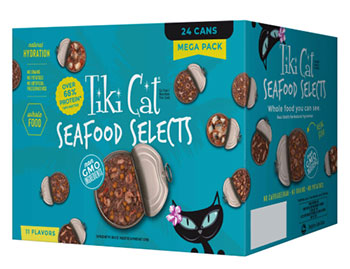
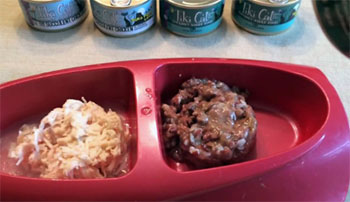
The first thing that struck me when I opened a can of the Chicken & Quail Egg recipe was the visual difference.
Most cat foods look like a uniform brown puck.
This looked like something I could have shredded in my own kitchen.
You could see actual strands of chicken breast, visible chunks of organ meat, and in that specific tin, a whole quail egg.
It didn’t smell like “cat food”—that distinct, processed, slightly metallic odor. It smelled like plain, boiled chicken soup.
I put the bowl down, expecting the usual sniff-and-leave routine. Instead, Luna dove in. She didn’t just lick the broth; she actually chewed the meat. The texture seemed to be a huge selling point for her. Because it is shredded and not a pate, it mimics the texture of actual prey, which seemed to trigger her appetite in a way that smooth loaves never did.
Over the next month, I transitioned her fully to a mix of the After Dark and Luau lines. The changes weren’t just in her appetite. Her coat, which used to be a bit coarse and prone to dandruff, became noticeably silkier. I also noticed she was using the litter box less frequently, and with less… “aromatic” results. This makes sense biologically; because the food is so low in fillers and carbohydrates, her body is utilizing almost everything she eats, resulting in less waste.
However, it wasn’t a completely seamless experience. I quickly learned that the “After Dark” line, which includes organ meats like liver, gizzard, and heart, has a much stronger, richer smell than the standard “Luau” chicken. While Luna loved it, my kitchen did smell like an organ meat butcher shop for about twenty minutes after feeding time.
Another hurdle was the price. This is not a cheap food. I had to adjust my monthly budget significantly to accommodate it. I found myself becoming a “sale hunter,” stalking websites for discounts on cases because buying single cans at the boutique pet store down the street was becoming financially unsustainable.
Despite the cost, the peace of mind knowing she is eating biologically appropriate food—no gums, no grains, no weird meat meals—is worth it. It feels less like buying pet food and more like buying health insurance in a can. If you have a cat that is prone to urinary issues or needs to lose weight, the high moisture and high protein content here is a game changer. It is one of the few brands where I don’t feel the need to read the label every single time because the consistency in quality is there.
Read More: My Thoughts On Natural Balance Cat Food
Pros Of Tiki Cat Wet Food
When analyzing Tiki Cat against the vast landscape of feline nutrition, several distinct advantages place it in the top tier of commercial diets. It is not just about what is in the food, but what is deliberately left out.
- High Protein from Real, Identifiable Meat Sources: The most significant advantage of Tiki Cat, particularly the After Dark line, is its commitment to being a “carnivore-first” diet. Unlike many brands that inflate their protein percentages with plant-based proteins like pea protein or corn gluten meal, Tiki Cat relies almost exclusively on animal muscle and organ meat. When you look at the label, the first ingredients are always things like “Chicken,” “Chicken Broth,” “Chicken Liver,” or “Tuna.” This high biological value means your cat absorbs and utilizes the nutrients more efficiently, supporting lean muscle mass and maintaining a healthy weight without the “carb bloat” seen in cats fed grain-heavy diets.
- Exceptional Moisture Content for Urinary Health: Cats are notoriously bad at drinking water, having evolved to get most of their hydration from their prey. Tiki Cat formulas are incredibly broth-heavy, often containing over 80% moisture. This is a critical “pro” for male cats who are prone to urinary crystals and blockages. By feeding a diet that is essentially meat swimming in a nutrient-rich consommé, you are constantly flushing their kidneys and bladder. I have found that I rarely need to worry about whether my cat is drinking from her fountain because her food is providing such a substantial hydration boost.
- Organ Meats Mimic a Natural Prey Diet: In the wild, a cat wouldn’t just eat the breast meat of a bird; they would eat the liver, heart, and gizzards, which are nutrient powerhouses. The “After Dark” line specifically includes these organs, which are rich in taurine, iron, and essential vitamins that synthetic supplements struggle to replicate. This “nose-to-tail” approach ensures that the cat is getting a balanced profile of micronutrients in the form nature intended. It turns the food from a simple calorie source into a functional health supplement that supports vision, heart health, and immune function.
- Clean Labels Free from Gums and Fillers: One of the most frustrating things about cat food is finding “Guar Gum,” “Xanthan Gum,” or “Carrageenan” in the ingredients list, which are used to thicken the gravy but can cause digestive inflammation in sensitive cats. Tiki Cat is one of the few brands that avoids these thickeners in their core lines, simply using the broth from the meat itself. They are also strictly grain-free and potato-free, meaning you aren’t paying for cheap carbohydrate fillers that offer zero nutritional value to an obligate carnivore. For cats with IBD or sensitive stomachs, this lack of irritating additives can be the difference between chronic vomiting and a happy, settled gut.
Cons Of Tiki Cat Wet Food
While the quality is undeniable, Tiki Cat is not a perfect product for every household or every cat. There are logistical and financial barriers that can make it a difficult choice for some owners.
- Premium Price Point Can Be Prohibitive: There is no getting around the fact that Tiki Cat is expensive. A single small can typically costs significantly more than supermarket brands, and if you have a multi-cat household, the costs can skyrocket to hundreds of dollars a month. You are paying for the human-grade manufacturing and the whole meats, but for many families, this cost is simply not sustainable long-term. This often forces owners to use it as a “topper” or a mixer rather than a complete diet, which dilutes the benefits of the clean ingredients. It requires a serious financial commitment that not everyone can make.
- Texture Issues for Pate Lovers: Tiki Cat is famous for its shredded and flaked textures, but not all cats appreciate this. Some cats, particularly seniors with dental issues or those raised on smooth pate, find the stringy texture of shredded chicken difficult to eat or off-putting. I have seen cats lick up all the broth and leave the dry shreds of meat behind, meaning they are missing out on the actual protein and calories. While they do offer a “Velvet Mousse” line, their flagship products are chunky, which can be a dealbreaker for “licker” cats who refuse to chew.
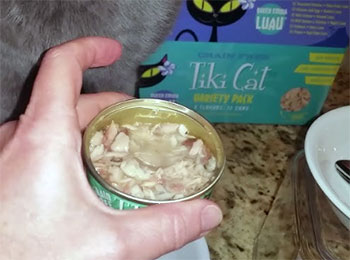
- Strong Odor and Mess: Because the food is minimally processed and includes organ meats and fish, it smells very strongly of… well, meat and fish. The “After Dark” cans, in particular, can have a pungent aroma that lingers in the kitchen. Additionally, the broth-heavy nature of the food means it can be messy to serve. Opening a can often results in broth spurting out onto your fingers or the counter, and if your cat is an aggressive eater, they can splash the liquid out of the bowl. It is definitely a “messier” feeding experience than scooping out a solid block of pate.
- Inconsistent Availability: Due to its popularity and sourcing standards (made in Thailand), Tiki Cat often faces stock shortages. It is not uncommon to find your cat’s favorite flavor out of stock on Chewy or Amazon for weeks at a time. This forces you to scramble to find a replacement, which can be stressful if you have a picky eater who refuses to touch anything else. Reliance on a specific premium brand means you are at the mercy of their supply chain, which has been somewhat volatile in recent years.
Maintenance Tips For Tiki Cat Wet Food
Feeding a premium wet food requires a bit more management than dumping kibble in a bowl. To get the most value out of every expensive can and ensure your cat stays interested, you need a strategy.
- The “Tupperware” Rule for Freshness: Never leave the food in the metal tin once you have opened it. The metal can oxidize and alter the taste of the food, giving it a metallic tang that cats hate. If you aren’t using the whole can at once, transfer the leftovers immediately to a glass or silicone airtight container. This preserves the fresh smell and taste for up to 48 hours. Tiki Cat makes silicone can covers, but transferring it out of the tin is always the safer bet for maintaining palatability.
- Hydration Hacking with Warm Water: If your cat is leaving the shreds behind, try adding a tablespoon of warm water to the bowl. This does two things: it creates more “gravy,” which cats love, and it warms up the food to release more aroma. Cold food straight from the fridge has very little smell, and since cats hunt by scent, they may ignore cold leftovers. By bringing the food up to “mouse body temperature,” you trigger their predatory feeding instinct. Just be careful not to make it hot—just lukewarm is perfect.
- Rotation is Key to Preventing Boredom: Do not feed the exact same flavor of Tiki Cat every single day for years. Cats can develop allergies or simply get bored of eating the same protein source. Tiki Cat offers a huge variety—Chicken, Duck, Lamb, Beef, Salmon. Rotate through these flavors throughout the week. This keeps them interested in their meals and ensures they are getting a wider range of micronutrients (e.g., red meat has different mineral profiles than fish). It also prevents them from becoming “addicted” to one specific texture or flavor that might go out of stock.
- Slow Transition to Avoid “Disaster Pants”: Because Tiki Cat is so rich and high in protein, switching cold turkey can cause digestive upset. If your cat is used to a high-carb dry food or a lower-quality wet food with lots of fillers, their gut microbiome needs time to adjust to the rich meat content. Start by mixing 25% Tiki Cat with 75% of their old food. Gradually increase the ratio over 7 to 10 days. If you see loose stools, slow down the transition. This patience prevents the messy litter box issues that often get blamed on the food but are actually just a result of a shocked digestive system.
Comparison with Other Brands
Tiki Cat operates in the “premium natural” segment, but it has fierce competition. Understanding how it differs from other top brands can help you decide if it is the right specific choice for your cat.
- Weruva (Cats in the Kitchen / BFF): Weruva is Tiki Cat’s closest competitor, also manufactured in Thailand with a focus on high moisture and human-grade ingredients. Comparison: Weruva tends to have slightly more “gravy” and gum-based thickeners (like locust bean gum or xanthan gum) in some of their lines compared to Tiki’s broth-only approach. Weruva’s calorie count is often lower per ounce than Tiki Cat After Dark, meaning you might need to feed more Weruva to maintain your cat’s weight, which can offset the price difference. However, Weruva offers a wider variety of textures (stews, pates, shreds) which might be better for cats who are picky about mouthfeel. If you want the absolute cleanest ingredient label, Tiki wins; if you want more texture variety and gravy, Weruva is a strong contender.
- Fancy Feast (Classic Pate): This is the budget-friendly “cult favorite” among cat nutritionists because it is low carb and high protein, despite the lower quality ingredients. Comparison: Fancy Feast uses “meat by-products” and generic “fish” rather than the whole, named meats found in Tiki Cat. While the macros (protein/fat/carb) of Fancy Feast Classic Pate are actually quite good for the price, you are feeding a more processed product. Tiki Cat is like eating a steak; Fancy Feast is like eating a hot dog. Both give you protein, but one is clearly a higher quality source. If budget is tight, Fancy Feast is a safe alternative, but Tiki Cat offers superior long-term health benefits through better sourcing and organ inclusion.
- Ziwi Peak (Canned): Ziwi Peak is an ultra-premium brand from New Zealand that uses free-range meat and includes bone/organs. Comparison: Ziwi Peak is even more expensive than Tiki Cat and comes in a dense “loaf” style pate, not shreds. Ziwi Peak is a single-protein powerhouse (Venison, Lamb, Mackerel) which is better for cats with severe allergies who need a limited ingredient diet. However, the texture of Ziwi is very firm and less hydrating than Tiki Cat. Tiki Cat is better for urinary health due to the broth; Ziwi Peak is better for nutrient density and allergy management. If your cat hates drinking water, stick with Tiki; if they need to gain weight or avoid chicken, try Ziwi.
Also Read: Comparison Of Blue Buffalo And IAMS Cat Food
Frequently Asked Questions (FAQ)
While Tiki Cat is not a prescription renal diet, its high moisture content is excellent for kidney support. However, many of their lines (especially After Dark) are high in phosphorus due to the organ meats, which is bad for advanced kidney disease. The “Tiki Cat Silver” line is specifically formulated for seniors with lower phosphorus levels. Always check the dry matter phosphorus content and consult your vet before feeding it to a CKD cat.
You are paying for “human-grade” manufacturing standards and ingredients. Unlike cheaper brands that use “meal” (rendered animal parts) and cheap fillers like corn, wheat, or soy to bulk up the product, Tiki Cat uses whole muscle meat and organs. The canning process is done in a human-grade facility in Thailand, ensuring high safety standards, but the cost of sourcing real meat and shipping it drives the price up.
Yes, most Tiki Cat canned foods, including After Dark, are formulated for “All Life Stages.” This means they meet the nutritional requirements for growing kittens, including high protein and fat content. Because kittens have small stomachs, the nutrient density of After Dark is actually perfect for them. Just ensure you are feeding them enough calories, as they need to eat much more frequently than adults.
The Luau line is their base line, focusing on lean meats like shredded chicken breast and fish in clear broth. The After Dark line is designed to mimic a “whole prey” diet and includes organ meats (liver, heart, gizzard) in addition to the muscle meat. After Dark is generally higher in fat and calories and has a richer nutrient profile, making it great for active cats, while Luau is a bit leaner.
Conclusion
Tiki Cat represents a shift in how we think about feeding our pets—moving away from convenient “fast food” kibble toward a diet that respects the biology of an obligate carnivore. It is undoubtedly a premium product with a price tag to match, and the transition can be messy and smelly compared to dry food. However, the benefits of seeing your cat eat real, recognizable food are hard to overstate.
If you can afford the investment, Tiki Cat (especially the After Dark line) is one of the best commercial wet foods on the market. It solves the hydration issue, eliminates the filler issue, and provides a protein punch that keeps cats lean and energetic. Even if you only use it as a topper or a few times a week, it is a massive upgrade for your cat’s health. For the picky eater who demands the best, Tiki Cat is often the only bowl that comes back clean.