
If you’re tired of feeling bloated after meals, struggling with stubborn belly fat, or just wanting better gut health while supporting your weight goals, you really should consider giving Thin 30 Probiotic a try. This supplement from Physician’s Choice combines targeted probiotic strains with extras like green tea extract and prebiotics to make a real difference in how you feel day to day. Many users, including myself, have seen noticeable improvements in digestion and energy, and it fits easily into a healthy routine. Stick with me as I share my honest take on whether it’s worth the investment.
My Experience With Thin 30 Probiotic

I decided to try Thin 30 Probiotic last year because I was fed up with constant bloating and that heavy feeling after eating.
You know the one—where even a normal meal leaves you uncomfortable and low on energy.
I had been trying to lose some weight around my midsection, but nothing seemed to stick despite eating cleaner and walking more.
A friend mentioned this one, saying it helped with both gut issues and appetite control, so I figured why not give it a shot.
I ordered a bottle of the 30-count and started taking one capsule daily with breakfast, as recommended.
The first few days were interesting. I didn’t notice anything dramatic right away, but by day five, I started feeling lighter in my stomach area.
The bloating that usually hit me mid-afternoon just wasn’t there anymore. I remember sitting down to lunch one day and realizing I wasn’t dreading how I’d feel afterward. That was a big win for me.
My bowel movements became more regular too—nothing extreme, just consistent and easier, which made me feel cleaner overall.
I used to have irregular days where things felt backed up, but this seemed to smooth that out without any discomfort.
After about two weeks, I noticed other changes. My cravings for snacks between meals dropped noticeably. I wasn’t reaching for chips or sweets as often, and when I did eat, I felt satisfied longer.
That helped me cut back on calories naturally without forcing it. Energy-wise, I felt steadier throughout the day—no more crashes after lunch.
I even started enjoying my workouts more because I wasn’t weighed down by gut discomfort. Over the first month, I lost about 6-8 pounds, mostly around my waist.
It wasn’t overnight magic, but combined with my usual routine of balanced meals and daily movement, it added up. The scale moved, my clothes fit better, and I felt more confident.
One thing that stood out was how gentle it felt. I didn’t experience any harsh side effects like gas or upset stomach that some probiotics give me in the past.
The delayed-release capsules seemed to do their job, delivering the good bacteria where they needed to go without causing issues upfront.
I appreciated that it included strains like Lactobacillus gasseri, which I’ve read about for targeting abdominal fat, along with the green tea complex for a metabolism nudge.
It wasn’t just a basic probiotic; the added ingredients like prebiotics and cayenne made it feel more complete for weight support.
By the three-month mark, I was down over 15 pounds total, and my belly looked noticeably flatter. My digestion stayed solid, and I had fewer days of feeling sluggish.
I kept taking it because it became part of my morning habit, and stopping for a week once made the bloating creep back a bit, so I knew it was helping.
Overall, this has been one of the better supplements I’ve tried for gut and weight goals. It’s not a miracle pill—you still need to eat right and move—but it gave me that extra edge I was missing. If you’re dealing with similar issues, you might find it just as helpful as I did.
Pros Of Thin 30 Probiotic
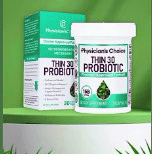
- Effective For Reducing Bloating : This stands out as one of the biggest wins. Many users report less puffiness after meals, and I felt the same—my stomach stayed flatter throughout the day, which boosted my comfort and confidence.
- Supports Steady Weight Management : The blend, especially with Greenselect green tea and strains like Lactobacillus gasseri, helped me drop pounds gradually when paired with diet tweaks. Reviews mention averages like 8 pounds in a month or more over time, and I saw similar progress without extreme changes.
- Promotes Regular Digestion : It made bowel movements consistent and easier for me and others. No more irregularity or discomfort; things just flowed better, leaving me feeling lighter and more energized.
- Curbs Appetite And Cravings : I noticed I wasn’t as hungry between meals, which made sticking to portions simpler. Several people say it helps control snacking, and that matched my experience perfectly.
- Gentle On The Stomach : Unlike some probiotics that cause initial gas or upset, this one went down easy with minimal side effects. The delayed-release tech seems to help deliver the bacteria without early issues.
- Includes Helpful Added Ingredients : The prebiotics feed the good bacteria, while cayenne and green tea give a natural boost to metabolism. It feels like a well-rounded formula rather than plain probiotics.
- High CFU Count With Targeted Strains : At 15 billion CFUs across six strains, including Bifidobacterium lactis and others studied for gut and weight benefits, it packs a punch without overwhelming the system.
- Easy To Take Daily : Small veggie capsules, no taste issues, and just one per day. It fits seamlessly into routines, making consistency simple for busy people like us.
- Positive User Feedback Overall : High ratings across sites show most people experience digestive relief and some weight support, which aligns with real results rather than hype.
- Made With Quality Standards : Non-GMO, third-party tested, and produced in the USA—it gives peace of mind knowing it’s clean and reliable.
Also read: My Thoughts on Prolon 5 Day Fast
Cons Of Thin 30 Probiotic
- Results Vary By Person : Not everyone sees big weight loss. Some users report great gut improvements but minimal scale changes unless they diet strictly, so expectations matter.
- Takes Time To Notice Changes : It often requires 2-4 weeks or longer for full benefits like reduced bloating or appetite control. If you’re impatient, it might feel slow at first.
- Not A Standalone Solution : It works best with healthy eating and exercise. Relying on it alone won’t deliver dramatic results, which disappoints those wanting quick fixes.
- Possible Mild Initial Adjustment : A few people mention temporary gas or changes in bowel habits when starting. It usually passes, but it can happen as your gut adapts.
- Price Point For Ongoing Use : At around $30-35 for a month’s supply, it adds up if you take it long-term. Cheaper options exist, though the formula justifies the cost for many.
- Limited Availability In Stores : It’s mostly online or select retailers, so you might need to plan ahead rather than grab it locally on a whim.
- Contains Specific Extras That Might Not Suit All : The cayenne or green tea elements could bother sensitive stomachs, though most tolerate them fine.
- Not Ideal For Everyone’s Goals : If you’re only after basic gut health without weight focus, a simpler probiotic might suffice without the added ingredients.
Maintenance Tips For Thin 30 Probiotic
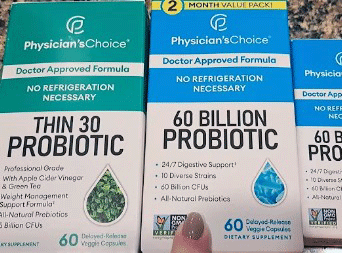
- Take It Consistently Every Day : Stick to one capsule daily, preferably with a meal like breakfast. Consistency builds the gut benefits over time, so set a reminder if needed to avoid missing doses.
- Pair It With A Balanced Diet : Focus on fiber-rich foods like veggies, fruits, and whole grains to feed the prebiotics in the formula. Avoid heavy processed meals that counteract the probiotic effects.
- Stay Hydrated Throughout The Day : Drink plenty of water to help the bacteria thrive and support smooth digestion. Aim for at least 8 glasses to prevent any temporary constipation some experience initially.
- Store The Bottle Properly : Keep it in a cool, dry place away from direct sunlight or heat. No need for refrigeration, but avoid bathroom storage where humidity fluctuates.
- Combine With Regular Exercise : Light activity like walking or yoga enhances the metabolism boost from the green tea component. Even 30 minutes daily amplifies how well it supports weight goals.
- Monitor Your Body’s Response : Track how you feel in a simple journal—note bloating levels, energy, or cravings. This helps you see progress and adjust if needed, like taking it with food if mild upset occurs.
- Avoid Taking With Hot Drinks : Swallow the capsule with cool or room-temperature water. Heat can affect the live bacteria before they reach your gut.
- Consider A Break Periodically : After 3-6 months of steady use, some take a short break to assess if benefits hold. If bloating returns, restart—it helps gauge ongoing need.
- Support It With Stress Management : Stress harms gut health, so practices like deep breathing or sleep routines complement the probiotic’s work for better overall results.
- Consult A Doctor If Needed : If you have health conditions or take medications, check in first. This ensures it fits safely into your routine without interactions.
Comparison with Other Brands
How Thin 30 Stacks Up Against Garden Of Life Probiotics : Garden of Life offers raw, whole-food-based formulas with high strain diversity, but they often lack the specific weight-management extras like Greenselect green tea or cayenne found in Thin 30. I find Thin 30 edges out for targeted belly fat support because of those additions, while Garden feels more general for overall gut reset.
Thin 30 Versus Seed DS-01 Daily Synbiotic : Seed focuses on broad microbiome diversity with fancy delivery tech and clinical backing for whole-body benefits. It’s premium-priced and great for comprehensive health, but Thin 30 wins for me on affordability and direct focus on bloating plus weight control—Seed doesn’t emphasize fat reduction as much.
Comparing Thin 30 To Culturelle Probiotics : Culturelle sticks to one main strain like Lactobacillus rhamnosus GG for basic digestion and immunity. It’s reliable and budget-friendly, but lacks the multi-strain approach and metabolism boosters in Thin 30. If you want simple gut support, Culturelle works, but Thin 30 feels more advanced for weight-related goals.
Thin 30 Against Align Probiotic : Align centers on Bifidobacterium 35624 for IBS-like symptoms and bloating relief. It’s doctor-recommended and effective for that narrow focus, yet Thin 30 provides broader strains plus prebiotics and green tea for added weight management. I prefer Thin 30 when aiming for both digestion and midsection improvements.
How It Compares To Ritual Synbiotic+ : Ritual combines probiotics, prebiotics, and postbiotics in a traceable, subscription model with emphasis on transparency. It’s clean and modern, but Thin 30 offers more CFUs and specific strains studied for fat loss at a potentially lower ongoing cost. Ritual shines for premium feel, while Thin 30 delivers practical results.
Read more: My Thoughts on Select Double Wood Supplement
Frequently Asked Questions (FAQ)
Thin 30 Probiotic primarily supports gut health by balancing bacteria, reducing bloating, and promoting regular digestion. It also aids weight management through strains like Lactobacillus gasseri and ingredients such as green tea extract, which help curb cravings, boost metabolism, and target abdominal fat when combined with diet and exercise.
Most people notice initial changes like less bloating and better digestion within 1-2 weeks. Fuller benefits, including appetite control and weight support, often appear after 4-12 weeks of consistent use, depending on your starting gut health and lifestyle habits.
Strains like Lactobacillus gasseri show strong evidence for reducing visceral belly fat and waist circumference in studies. Thin 30 includes this along with Bifidobacterium lactis and others, making it a solid choice, though results improve with overall healthy habits—no single probiotic replaces diet and movement.
Conclusion
In the end, Thin 30 Probiotic stands out as a worthwhile option if you’re serious about tackling bloating, improving digestion, and supporting weight loss efforts. From my own journey and what others share, it delivers real, noticeable changes without drama. Give it a consistent try alongside your routine—you might just find it becomes the helpful boost you’ve been looking for.