
The fascinating journey of casinos From ancient gaming to modern entertainment
The Origins of Gambling
The history of gambling dates back thousands of years, with evidence suggesting that ancient civilizations engaged in games of chance as early as 3000 BC. The earliest forms of gambling involved simple games using dice, made from materials like bones or stones. These primitive activities were often tied to religious practices and rituals, emphasizing luck and fate in a society that sought to understand the unknown. Today, engaging in online gaming can feel just as thrilling, especially when exploring top online casinos.

As civilizations evolved, so did the complexity of their gambling practices. In ancient China, for instance, the first known lottery emerged around 200 BC, with the proceeds often funding public projects. Similarly, the Roman Empire embraced gambling in various forms, with citizens enjoying games in taverns and during festivals, laying the groundwork for modern casino culture.
The Birth of the Casino
The concept of the casino as we know it began to take shape in the 17th century in Italy. The term “casa,” which translated to “house,” was used to describe venues where people could gather to play games of chance. These establishments attracted the elite, providing an opulent environment for entertainment and socializing. By the 18th century, casinos spread across Europe, establishing a social culture centered around gaming.
The rise of establishments like the Casino di Venezia and the Casino de Spa marked significant milestones in casino history. They not only served as gambling venues but also as cultural hubs, offering music, food, and dance, thus transforming the perception of gaming into a sophisticated form of leisure.
The Evolution of Casino Gaming
The 19th century brought about significant changes in casino gaming, particularly with the introduction of new games like roulette and blackjack. The establishment of Las Vegas as a gambling hub in the mid-20th century revolutionized the casino landscape. With lavish resorts and themed casinos, Las Vegas emerged as a symbol of modern entertainment, drawing millions of visitors and creating a booming industry.
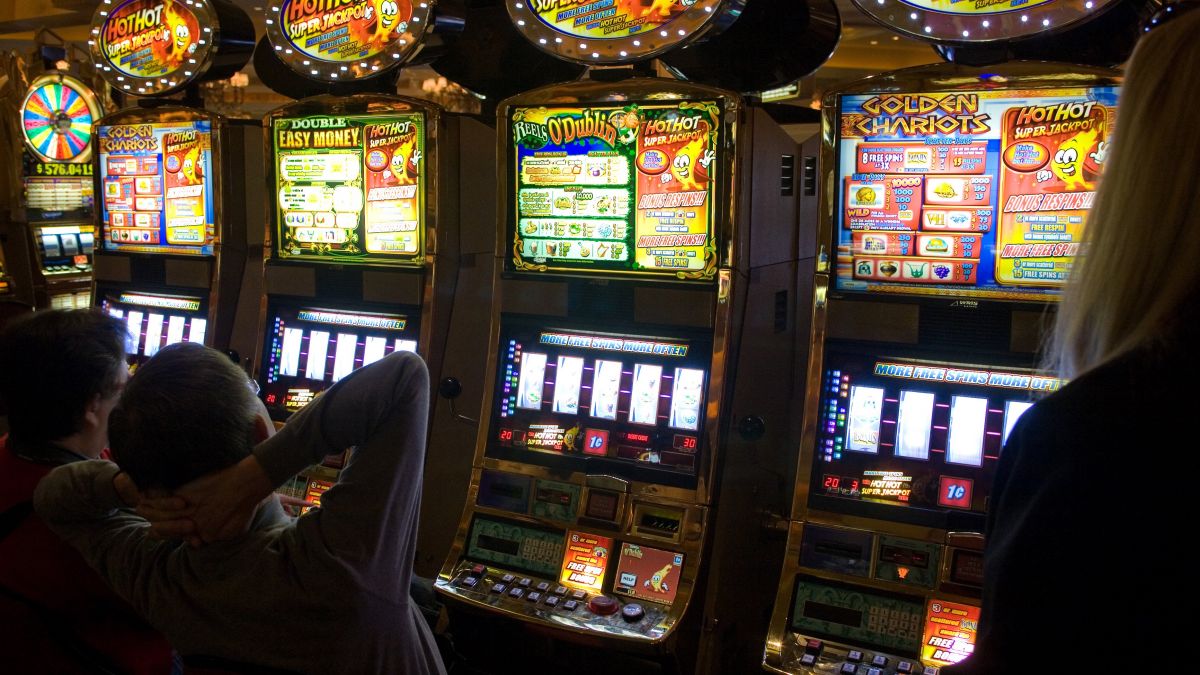
During this period, casinos also began to incorporate technology, introducing electronic machines and video slots. This technological advancement not only enhanced the gaming experience but also made gambling more accessible to a wider audience, transitioning from high-stakes betting to casual entertainment options.
The Role of Online Casinos
The advent of the internet in the late 20th century marked another pivotal moment in the history of casinos. The launch of online casinos in the mid-1990s transformed how people engage with gambling. Players could now access a myriad of games from the comfort of their homes, which democratized the gambling experience.
Online casinos have continued to evolve, implementing advanced security measures and diverse payment options to ensure a safe gaming environment. Live dealer games have also gained popularity, bridging the gap between virtual and physical casinos by providing an immersive experience that replicates the social atmosphere of traditional gambling.
Discovering Your Gaming Experience
As the landscape of casinos continues to shift, modern players seek platforms that cater to their preferences while ensuring a safe gaming environment. Various websites specialize in guiding players through the multitude of online casinos available today, providing essential information on game variety, payout speed, and payment options.
With a focus on responsible gambling, these resources offer insights into the legality of gaming in different regions and practical tips for enhancing the overall experience. By exploring such platforms, players can discover secure and user-friendly sites that align with their gaming preferences and needs.