
Living with acid reflux is like carrying a dormant volcano in your chest. One wrong meal, one late-night snack, or just a stressful day at the office, and you are suddenly fighting that familiar, searing burn creeping up your throat. If you are reading this, you are likely tired of relying on chalky chewables that only work for twenty minutes or prescription proton pump inhibitors (PPIs) that come with a laundry list of scary long-term side effects. You want something natural, something that actually heals rather than just masking the symptoms. That is likely how you found Terra Health Essentials Acid Relief.
This supplement has been making waves in the digestive health community, promising to soothe heartburn and repair the gut lining using a blend of potent herbs rather than synthetic chemicals. But with so many “miracle” supplements flooding our social media feeds, it is hard to know what is legitimate and what is just expensive placebo powder.
In this comprehensive review, I am going to break down everything you need to know about Terra Health Acid Relief. I will analyze the ingredients, share my personal experience with the product, and compare it to the big pharmaceutical giants you probably have in your medicine cabinet right now. My goal is to give you the unvarnished truth so you can decide if this natural approach is the right tool to finally put out the fire in your chest.
My Experience With Terra Health Acid Relief
My journey with acid reflux started in my late twenties, triggered mostly by stress and an arguably excessive love for spicy food and coffee. It started as occasional heartburn, the kind you can ignore with a glass of water. But over time, it evolved into a nightly ritual of propping myself up on three pillows just to avoid waking up choking on acid. My doctor put me on Omeprazole, which worked like a charm for a few months, until I started reading about the potential risks of long-term use—nutrient deficiencies, rebound acid, and gut flora disruption. I knew I needed an exit strategy.
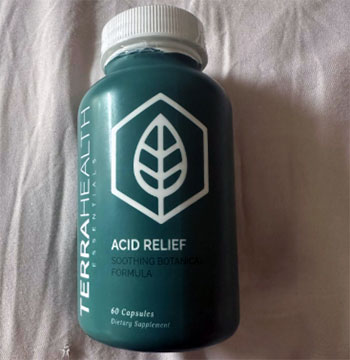
I stumbled upon Terra Health Essentials while falling down a rabbit hole of “natural GERD remedies” late one night.
Their marketing was different; they weren’t just selling an antacid; they were selling “gut restoration.”
I decided to buy the Acid Relief capsules (the herbal soothing formula) to see if I could wean myself off the PPIs without suffering through the dreaded rebound phase.
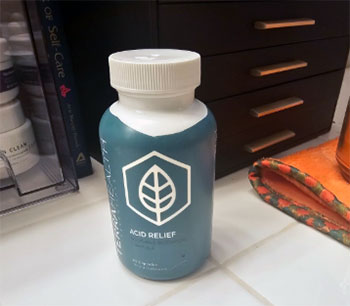
The bottle arrived quickly, and the packaging was clean and professional.
I started taking two capsules before my heaviest meal of the day, usually dinner, as per the instructions.
The first thing I noticed was that these are not instant miracle pills. If you pop two while you are actively having a heartburn attack, they don’t extinguish the fire immediately like a Tums would. They are more of a slow burn—or rather, a slow “cool.”
However, after about three days of consistent use, I noticed a shift. The “background noise” of my stomach—that constant low-level gnawing sensation—started to quiet down. I felt less bloated after eating, and I could actually lie down on the couch after dinner without immediately feeling the acid creep up.
The real test came a week later when I went out for Mexican food. Usually, this would be a guaranteed disaster. I took the capsules beforehand, enjoyed my tacos (mild salsa only, let’s not go crazy), and waited for the inevitable payback. Surprisingly, it was manageable. I had a little warmth in my chest, but not the full-blown inferno I was used to.
What I appreciated most was the lack of side effects. With PPIs, I often felt a bit “off” or constipated, but with this herbal blend, my digestion actually felt smoother. The Slippery Elm and Aloe seem to coat the stomach in a way that feels very physical and soothing. It wasn’t a cure-all—I still have to watch my triggers—but it gave me a safety net that felt much gentler on my body than the pharmaceuticals.
Ultimately, my experience was positive, but managed expectations are key. This is a maintenance tool, not a fire extinguisher. It works best when you use it preventatively to coat and protect your stomach lining before the acid has a chance to do damage. If you are looking for a natural bridge to get off medication or just want to manage mild to moderate reflux without chemicals, this is a solid, effective option.
Read More: My Thoughts On Elimipure Gut Health
Pros Of Terra Health Acid Relief
When you strip away the marketing and look at what is actually inside the bottle, Terra Health Acid Relief offers several compelling advantages over standard drugstore remedies. Here is a detailed breakdown of why this product stands out in a crowded market.
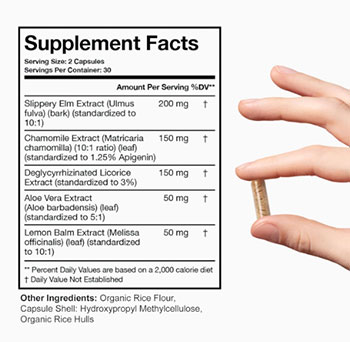
- All-Natural Herbal “Bandage” for the Gut: The primary strength of this product lies in its formulation, which acts as a demulcent. Ingredients like Slippery Elm Bark and Aloe Vera Leaf Gel are naturally mucilaginous, meaning they become gel-like when mixed with water. This creates a physical protective layer over your irritated esophagus and stomach lining, acting almost like a liquid bandage. Unlike antacids that chemically neutralize acid (which your body actually needs for digestion), this barrier method protects your tissues from the acid without stopping digestion itself. This is crucial because you need stomach acid to absorb nutrients like calcium and B12; blocking it completely for years can lead to malnutrition, whereas shielding the tissue does not.
- Contains DGL Licorice for Mucosal Repair: One of the star ingredients in this blend is Deglycyrrhizinated Licorice (DGL). Standard licorice root can raise blood pressure, but DGL has the glycyrrhizin removed, making it safe for long-term use. DGL is clinically shown to stimulate the production of mucus, which is your stomach’s natural defense against its own acid. By helping your stomach rebuild its own protective wall, you are treating the root cause of the sensitivity rather than just masking the pain. This makes it a restorative supplement that helps your body heal over time, rather than just a symptomatic patch.
- Reduces Inflammation with Chamomile and Lemon Balm: Acid reflux is often accompanied by significant inflammation and stress in the gut. German Chamomile and Lemon Balm are known for their anti-inflammatory and nervine properties. They help to calm the smooth muscles of the digestive tract, reducing the spasms and cramping that often accompany severe heartburn. Additionally, because stress is a major trigger for acid production, the mild calming effect of these herbs can help lower the physiological stress response that leads to a flare-up. You are essentially treating the “anxious stomach” component of GERD, which is something standard antacids completely ignore.
- Safe for Long-Term Daily Use: One of the biggest fears with Proton Pump Inhibitors (PPIs) is the risk associated with using them for years. Terra Health Acid Relief relies on food-grade herbs that have been used for centuries in traditional medicine. There is no risk of “rebound acid hypersecretion”—a phenomenon where your body produces more acid when you stop taking a drug—when you stop taking slippery elm or aloe. This makes it an excellent choice for a lifetime maintenance strategy. You can take it daily to keep symptoms at bay without worrying that you are damaging your kidneys or bones in the process.
Cons Of Terra Health Acid Relief
While I am a fan of the natural approach, no product is perfect, and Terra Health Acid Relief has limitations that might make it unsuitable for some users. You need to be aware of these potential drawbacks before you invest your money.
- Premium Price Point Compared to Generics: If you are used to buying a giant bottle of Tums for $5 or a generic box of Omeprazole for $15, the price of Terra Health Acid Relief will be a shock. It is positioned as a premium supplement, and a single bottle typically lasts only a month if used as directed. When you calculate the daily cost, it is significantly higher than drugstore alternatives. For someone on a tight fixed budget, adding a recurring monthly expense of this magnitude might be difficult to justify, especially if their insurance covers prescription acid reducers at zero cost. You are paying for the quality of the ingredients and the brand trust, but it is definitely an investment.
- Not an Instant Fix for Acute Attacks: As I mentioned in my experience, this is not the product to grab when you are already in 10/10 pain. Herbal demulcents take time to coat the stomach and usually work best when taken before a meal or regularly to build up protection. If you wake up at 2 AM with acid in your throat, this pill will not provide the immediate chemical neutralization that a chalky calcium carbonate tablet would. Users who expect immediate relief within 60 seconds will likely be disappointed and think the product “doesn’t work.” It requires a mindset shift from “emergency response” to “preventative maintenance.”
- Large Capsules Can Be Difficult to Swallow: To get effective doses of herbal powders like slippery elm, you need a fair amount of physical material. This means the capsules are often quite large, and the recommended dosage is usually two capsules at a time. For people who have trouble swallowing pills—which is ironically a common issue for people with severe acid reflux or esophageal strictures—this can be a hurdle. Swallowing large dry capsules can sometimes irritate an already inflamed throat. While you can open them and mix the powder with water, the taste of raw herbs is earthy and not particularly pleasant for everyone.
- Potential for Mild Digestive Adjustment: While rare, introducing concentrated herbal fibers like slippery elm and aloe to your system can cause changes in bowel movements. Aloe vera, even the gel, can have a mild laxative effect for some sensitive individuals. Slippery elm creates a gel that acts as a prebiotic, which is good, but can cause temporary bloating or gas as your gut bacteria adjust to the new food source. If you have a highly sensitive stomach or IBS-D (Diarrhea dominant), you might find that it loosens your stool too much in the first few days. It is crucial to start with a lower dose to see how your body reacts before going to the full recommendation.
Maintenance Tips For Terra Health Acid Relief
To get the most out of your investment and ensure the supplement works as effectively as possible, you need to use it strategically. It is not just about popping a pill; it is about how you integrate it into your lifestyle.

- Timing Is Everything: The efficacy of demulcent herbs like Slippery Elm depends entirely on when you take them. You should aim to take the capsules about 15 to 30 minutes before a meal with a full glass of water. This gives the capsule time to dissolve and the herbs time to hydrate and coat your stomach lining before the food and acid arrive. Taking it after a meal is less effective because the “bandage” ends up sitting on top of the food rather than coating the stomach walls. Consistency in this timing will drastically improve your results compared to taking it randomly.
- Hydration Is Key for Activation: Ingredients like Slippery Elm are hydrophilic, meaning they love water and need it to activate their gel-like properties. If you swallow these capsules with just a sip of coffee, they won’t hydrate properly and won’t form that protective soothing barrier. You must drink at least 8 ounces of water with each dose. This not only activates the herbs but also helps dilute any residual acid in your stomach and washes the capsule down safely. Failing to drink enough water can actually lead to the capsule getting stuck or feeling heavy in your stomach.
- Check for Drug Interactions: Because Slippery Elm creates a physical coating on the stomach lining, it can theoretically inhibit the absorption of other medications. If you take critical prescription drugs (like thyroid medication, heart meds, or antibiotics), you should separate them from your Terra Health Acid Relief dose by at least two hours. The coating that protects you from acid might also block your body from absorbing your other meds fully. Always consult your doctor or pharmacist to create a schedule that ensures all your medications remain effective.
- Store in a Cool, Dry Place: Herbal supplements are sensitive to heat and moisture, which can degrade the potency of the delicate plant compounds. Do not keep the bottle in the bathroom cabinet where the humidity from your shower fluctuates daily. Store it in a cool, dark pantry or a kitchen cabinet away from the stove. Oxidation and moisture can cause the herbal powders to clump inside the capsule or lose their anti-inflammatory strength. Keeping the lid tightly sealed after every use is essential to maintaining the product’s shelf life.
Comparison with Other Brands
Understanding where Terra Health fits in the broader landscape of acid reflux solutions is vital for making an informed choice. Here is how it stacks up against the most common alternatives.
- Omeprazole (Prilosec/Generic PPIs): This is the standard pharmaceutical approach, working by chemically shutting down the acid pumps in your stomach cells. Comparison: Omeprazole is undeniably stronger and more effective for severe, erosive esophagitis because it stops acid production almost entirely. However, Terra Health Acid Relief does not stop digestion; it protects the tissue. Omeprazole comes with significant long-term risks like bone fractures and B12 deficiency, whereas Terra Health is safe for indefinite use. If you have mild to moderate reflux, Terra Health is the healthier long-term choice; if you have severe ulcers, Omeprazole might be medically necessary in the short term. Think of Omeprazole as a “mute button” for your stomach, while Terra Health is a “protective shield.”
- Terra Health Essentials “Reflux Inhibitor”: It is confusing, but the same brand sells a product called “Reflux Inhibitor” which contains Betaine HCL. Comparison: These two products are actually opposites. “Reflux Inhibitor” adds acid to the stomach (based on the theory that reflux is caused by low acid and poor digestion), while “Acid Relief” (this product) soothes the damage caused by acid. You should not take “Reflux Inhibitor” if you have ulcers or active gastritis, as it will burn. “Acid Relief” is the safer starting point for anyone in pain. Many users actually use them together: Acid Relief to heal the lining, and eventually transitioning to Reflux Inhibitor to fix digestion once the inflammation is gone. Make sure you are buying the right bottle for your specific stage of healing.
- Gaviscon Advance (Liquid Alginate): Gaviscon is a popular over-the-counter liquid that forms a foam “raft” on top of the stomach contents to physically block reflux. Comparison: Gaviscon is often faster acting for mechanical reflux because of the physical foam barrier it creates instantly. However, Gaviscon is synthetic and often contains sodium alginate and potassium bicarbonate, which might not be ideal for people on low-sodium diets. Terra Health Acid Relief offers a more holistic healing approach with anti-inflammatory herbs that Gaviscon lacks. Gaviscon blocks the splash; Terra Health blocks the splash and tries to calm the irritated tissue below. For a night of heavy drinking, Gaviscon might be better; for chronic daily management, Terra Health is superior.
Also Read: My Thoughts On Vital Gut Health 4 in 1
Frequently Asked Questions (FAQ)
It can be very effective for managing the symptoms of GERD, particularly the burning sensation and esophageal irritation. The herbal ingredients like Slippery Elm and DGL Licorice help coat the esophagus, providing a barrier against rising acid. However, it does not physically tighten the lower esophageal sphincter (the valve that causes GERD), so it is a management tool rather than a surgical cure.
The formula is a blend of natural botanical extracts known for their soothing properties. Key ingredients include Slippery Elm Bark, German Chamomile, Deglycyrrhizinated Licorice (DGL), Aloe Vera Leaf Gel, and Lemon Balm. These ingredients work synergistically to reduce inflammation and coat the digestive tract.
The standard recommendation is to take two capsules daily, preferably 15-30 minutes before a meal with a full glass of water. Some users may adjust this dosage based on their personal needs or the severity of their symptoms, but you should always start with the recommended dose. Consistent daily use is more effective than sporadic use.
Because ingredients like Slippery Elm can inhibit the absorption of other drugs, you should exercise caution. It is generally recommended to wait at least two hours between taking this supplement and taking any other prescription medications. Always consult your doctor before adding a new supplement to your routine to ensure there are no specific contraindications for your health profile.
Conclusion
Terra Health Acid Relief represents a shift in how we think about managing heartburn—moving away from simply suppressing our body’s natural functions and towards supporting and protecting them. By utilizing a blend of high-quality, time-tested herbs like Slippery Elm and DGL, it offers a soothing, restorative alternative to the harsh chemicals found in standard drugstore aisles.
While it requires a bit more patience and a higher budget than a roll of minty chewables, the payoff is a healthier gut lining and a life free from the rebound effects of pharmaceuticals. If you are ready to stop fighting your stomach and start healing it, Terra Health Acid Relief is a worthy ally in your journey toward digestive peace. It is not just about putting out the fire; it is about fireproofing the house.