
Every dog owner wants to believe they are feeding their pet something primal, nutritious, and biologically appropriate. We see the wolf on the bag of Taste of the Wild, standing majestically against a forest backdrop, and we want that vitality for our own couch-surfing labradors. It is one of the most popular grain-free brands on the market, promising the diet of your dog’s ancestors at a price that doesn’t completely drain your bank account. But with the recent controversies surrounding grain-free diets and the sheer volume of recalls in the industry, it is hard to know if the pretty packaging matches the nutritional reality.
In this review, I am going to walk you through a detailed analysis of Taste of the Wild, specifically focusing on their flagship High Prairie and Pacific Stream formulas. I will break down the ingredients, the safety history, and how it actually performs in the bowl. Whether you are looking to cure a yeast infection, improve a dull coat, or just save money compared to ultra-premium brands, this guide will help you decide if Taste of the Wild is the right choice for your canine companion.
My Experience With Taste of the Wild
I started my journey with Taste of the Wild about three years ago when my German Shepherd mix, Luna, began turning her nose up at the grocery store kibble we had been using since she was a puppy. She was also developing these annoying hot spots on her paws that she would lick incessantly until they were raw. I suspected a grain allergy or perhaps just a sensitivity to the low-quality fillers in her previous food. After doing some late-night scrolling and seeing countless recommendations for Taste of the Wild High Prairie, I decided to pull the trigger.
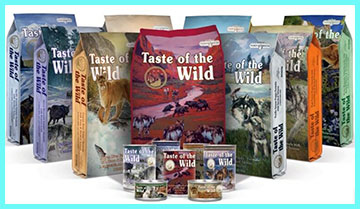
The first thing that struck me was the marketing.
The idea of feeding “bison and venison” sounded incredibly fancy for a dog food that cost only slightly more than the mid-tier brands.
When I opened the bag, the aroma was strong—meaty, smoky, and distinct. It didn’t have that dusty, cardboard smell that cheap kibble often has.
The kibble size was manageable, small enough for a medium dog but crunchy enough to require some chewing.
Transitioning Luna was a bit of a gamble. I know you are supposed to do it slowly, but I was eager to see if it would help her itching. We switched over about five days. The immediate result was that she absolutely loved the taste. This was a dog that used to graze casually throughout the day; with the High Prairie formula, she cleared the bowl in two minutes flat. The roasted meat flavor clearly appealed to her palate in a way that chicken meal and corn gluten never did.
About three weeks in, the physical changes started to become apparent. The most significant change was her coat. It went from feeling like coarse straw to being noticeably softer and shinier. The incessant paw licking also decreased by about 50%, suggesting that removing the corn and soy fillers was indeed helping her inflammation levels. Her energy levels on walks seemed more sustained, likely due to the higher protein content and lack of sugar-spiking simple carbs.
However, it wasn’t all perfect. I noticed that her breath became significantly worse on this food—a heavy, fishy, meaty smell that was hard to ignore. Additionally, her stools, while smaller, were much firmer and darker, which is generally good, but occasionally she seemed a bit constipated if she didn’t drink enough water. I also found the bag design frustrating; it lacks a resealable zipper on the larger sizes, which meant I had to buy a separate storage container to keep it fresh.
Overall, my experience was largely positive, serving as a great “gateway” into premium dog food without the sticker shock of raw feeding. It solved our immediate itchiness problems and improved her coat condition, even if it came with the trade-off of some potent doggy breath. It felt like a solid middle ground between science and nature.
Read More: My Thoughts on Go! Solutions Dog Food
Pros Of Taste of the Wild
When you look at why this brand has maintained such a massive market share despite intense competition, it comes down to a few key factors that resonate with pet owners. Here are the specific benefits that make this food a strong contender.
- High-Quality Novel Protein Sources: One of the biggest selling points is the diversity of meats used in their recipes. Instead of relying solely on chicken, which is a common allergen for many dogs, Taste of the Wild uses bison, venison, wild boar, and salmon as primary ingredients. This makes it an excellent choice for dogs with food sensitivities who need a “novel” protein—a meat they haven’t been exposed to before—to reset their immune system. The High Prairie formula, for instance, lists water buffalo and lamb meal as top ingredients, providing a rich amino acid profile that supports lean muscle mass better than plant-based proteins. You are getting a meat-first formula that actually mimics a carnivore’s preference.
- Proprietary K9 Strain Probiotics: Digestive health is often an afterthought in dog food, but Taste of the Wild adds a specific probiotic blend to every bag. These “K9 Strain” probiotics are developed specifically for dogs and are added after the cooking process to ensure the live cultures survive. Each pound of food is guaranteed to contain 80 million live, active cultures that support a healthy immune system and digestion. This is a massive benefit for dogs with sensitive stomachs or those prone to loose stools, as it helps maintain a balanced gut microbiome without you needing to buy expensive powdered supplements. It turns every meal into a digestive aid.
- Grain-Free and Ancient Grain Options: While the brand became famous for being grain-free, they have adapted smarty to consumer concerns. They now offer both grain-free recipes (using sweet potatoes and peas for energy) and “Ancient Stream” or “Ancient Prairie” recipes that include wholesome grains like sorghum, millet, and quinoa. This flexibility is a huge pro because it allows you to stay within the brand ecosystem regardless of where you stand on the grain-free debate. If your vet recommends grains to avoid heart issues, you can simply switch to the Ancient Grains line without upsetting your dog’s stomach with a totally new brand. You get the same high-quality meat inclusions with your preferred carbohydrate source.
- ** exceptional Value for the Ingredient Quality:** When you compare the price per pound of Taste of the Wild to similar “ancestral” diets, it is almost always the more affordable option. Brands like Orijen or Acana can cost upwards of $4 to $5 per pound, whereas Taste of the Wild typically sits in the $2 to $2.50 range. Despite the lower price, you are still getting a product free from corn, wheat, soy, and artificial preservatives. For multi-dog households or owners of large breeds like Great Danes who eat four cups a day, this price difference adds up to hundreds of dollars a year. It effectively democratizes premium nutrition, making a high-protein diet accessible to the average family.
Cons Of Taste of the Wild
No dog food is perfect, and Taste of the Wild has faced its fair share of scrutiny and controversy over the years. It is important to be aware of these potential downsides before you commit to a forty-pound bag.
- History of FDA Investigations and Recalls: The most significant cloud hanging over the brand is its inclusion in the FDA’s investigation into Dilated Cardiomyopathy (DCM). In 2019, the FDA listed Taste of the Wild as one of the brands most frequently associated with reports of canine heart disease, likely linked to the high volume of peas, lentils, and potatoes used in their grain-free recipes. While no definitive causation was proven and the investigation has largely quieted down, it is a risk factor that owners of predisposed breeds (like Dobermans or Golden Retrievers) must consider. Additionally, the parent company, Diamond Pet Foods, has a history of recalls related to Salmonella, which can make some safety-conscious owners nervous. You have to weigh the nutritional benefits against these historical safety alerts.
- Heavy Reliance on Plant-Based Proteins: Although meat is the first ingredient, a closer look at the label reveals a significant amount of plant protein. Ingredients like pea protein and potato protein are often used to boost the overall crude protein percentage on the Guaranteed Analysis. This matters because plant proteins do not have the same bioavailability or amino acid profile as animal-based proteins for dogs. A food might claim “32% Protein,” but if a large chunk of that comes from peas, your dog isn’t getting the same muscle-building benefits as they would from a meat-exclusive diet. It is a common cost-cutting measure that differentiates it from the ultra-premium tier.
- Lower Calorie Density in Some Formulas: Compared to performance brands, some Taste of the Wild recipes are surprisingly moderate in calories. For high-energy working dogs or “hard keepers” who struggle to keep weight on, you might find yourself feeding significantly more cups per day to maintain their body condition. This negates some of the cost savings because you go through the bag faster. If you have a sled dog or a highly active herding breed, the standard maintenance formulas might not provide the dense fuel they need without stuffing them full of volume. You have to check the kcal/cup count carefully to ensure it meets your dog’s metabolic needs.
- Inconsistent Manufacturing Quality: Because Taste of the Wild is manufactured by Diamond Pet Foods in multiple facilities across the US, some users report batch inconsistencies. You might buy a bag one month that looks and smells one way, and the next month the kibble is a different shade or size. For dogs with iron stomachs, this isn’t an issue, but for sensitive dogs, these slight variations in processing can trigger unexpected diarrhea or vomiting. It lacks the rigorous, hyper-consistent quality control of a therapeutic diet like Royal Canin. You are essentially trusting a massive manufacturing giant to keep the small-batch feel, which doesn’t always happen perfectly.
Maintenance Tips For Taste of the Wild
To ensure your dog gets the most out of this food and to mitigate some of the potential risks, proper handling and feeding strategies are essential. Here is how to manage a diet of Taste of the Wild effectively.
- Proper Storage to Prevent Oxidation: The high fat content and natural preservatives (mixed tocopherols) in Taste of the Wild make it susceptible to going rancid if stored improperly. You should never dump the kibble directly into a plastic bin, as the fats can seep into the plastic and turn rancid, contaminating future batches. Keep the food in its original bag, roll the top down tightly to squeeze out excess air, and place the entire bag inside an airtight container. Store this container in a cool, dark pantry—never in a garage or shed where temperature fluctuations can degrade the nutrients and probiotics. If the food smells like crayons or old paint, it has oxidized and should be discarded immediately.
- Smart Rotational Feeding: Since Taste of the Wild offers various proteins (bison, salmon, lamb, boar), you should take advantage of this to prevent allergies. Feeding the same protein source for years can sometimes lead to the development of intolerance. Rotate between the High Prairie (Bison/Venison), Pacific Stream (Salmon), and Sierra Mountain (Lamb) formulas every few months. Because the base ingredients (sweet potatoes, peas) are similar across the line, the transition between flavors is usually easier on the stomach than switching brands entirely. This rotation ensures a broader range of micronutrients and keeps your dog from getting bored with their meals.
- Hydration is Non-Negotiable: Grain-free kibble can sometimes be very dense and dry, which pulls moisture from your dog’s digestive tract to digest. You must ensure your dog has constant access to fresh water, especially if feeding the higher-protein formulas. I strongly recommend adding a “topper” of warm water, bone broth, or wet food to the kibble at mealtime. This not only improves palatability and releases the meaty aromas but also helps flush the kidneys and prevents urinary crystals. If you are using the grain-free versions, this extra hydration is crucial for helping the fiber from the legumes move through the system smoothly.
- Monitor Stool and Body Condition: Because of the concerns regarding DCM and nutrient absorption, you need to be an active observer of your dog’s health. Check their stool quality regularly; it should be firm and compact. If you notice consistent soft stools or an increase in volume, the high fiber content from the sweet potatoes or peas might be too much for your specific dog. Additionally, keep an eye on their weight. Since the food is tasty, many dogs will overeat if given the chance. Use a standard measuring cup—not a random scoop—to adhere to the feeding guidelines, and adjust based on their activity level, not just what the bag says.
Comparison with Other Brands
Taste of the Wild sits in a unique “entry-level premium” spot. To understand its true value, we need to compare it to the brands it usually shares the shelf with.
- Blue Buffalo Wilderness: This is the most direct competitor, also marketing a “wolf-style” high-protein, grain-free diet. Comparison: Blue Buffalo Wilderness is widely available in almost every grocery store, making it more convenient than Taste of the Wild. However, Blue Buffalo uses “LifeSource Bits”—those small dark kibbles mixed in—which contain vitamins and antioxidants. Many dogs (including mine) spit these bitter bits out, leading to wasted nutrition. Taste of the Wild cooks the nutrients into the kibble itself, ensuring the dog eats everything. Price-wise, Taste of the Wild is usually slightly cheaper per pound than the Wilderness line. If you want convenience, go Blue; if you want better palatability and value, go Taste of the Wild.
- Orijen Original: Orijen is widely considered the gold standard for biologically appropriate, high-meat diets. Comparison: Orijen is in a completely different league regarding meat content, often boasting 85% animal ingredients compared to Taste of the Wild’s roughly 30-40% estimated meat inclusion. Orijen uses fresh, whole meats including organs and cartilage, whereas Taste of the Wild relies more on meat meals and plant proteins to boost numbers. However, Orijen is nearly double the price. If money is no object, Orijen is objectively a better food nutritionally. But for 90% of dog owners, the nutritional “upgrade” of Orijen isn’t worth the massive jump in cost. Taste of the Wild offers 80% of the benefit for 50% of the price.
- Purina Pro Plan: This is the veterinary favorite, backed by science and clinical trials rather than “ancestral” marketing. Comparison: Purina Pro Plan includes grains (corn, wheat, rice) and by-products, which Taste of the Wild avoids. However, Pro Plan has never been linked to DCM and is rigorously tested for long-term safety. Taste of the Wild is a “lifestyle” brand based on philosophy; Pro Plan is a “science” brand based on data. If you have a Golden Retriever or Doberman (breeds prone to heart issues), Pro Plan is the safer medical choice. If you have a dog with confirmed corn/wheat allergies or want to avoid by-products on principle, Taste of the Wild is the better ingredient choice.
Read More: My Thoughts on Nutrish Dog Food
Frequently Asked Questions (FAQ)
Yes, but you must choose the specific “Puppy” formulas. Taste of the Wild offers High Prairie Puppy and Pacific Stream Puppy recipes which are formulated with smaller kibble size and higher fat/calorie content for growth. Crucially, these puppy formulas have controlled calcium and phosphorus levels to ensure safe bone growth, which is vital for large breeds. Do not feed the standard adult “All Life Stages” bag to a large breed puppy without consulting your vet, as the mineral balance might not be optimal for slow growth.
In 2019, the FDA named Taste of the Wild as one of 16 brands linked to reports of Dilated Cardiomyopathy (DCM), specifically their grain-free recipes high in peas and lentils. While no direct recall was issued and research is ongoing, the link appears to be associated with “BEG” (Boutique, Exotic, Grain-free) diets. To mitigate this risk, many owners have switched to the Taste of the Wild Ancient Grains line, which includes sorghum and millet instead of legumes, avoiding the ingredients of concern while keeping the meat-first quality.
Feeding amounts vary significantly based on the specific formula’s calorie density, which ranges from roughly 370 to 420 kcal per cup. For an average 50lb dog, you might feed about 2 to 2.5 cups per day, but you should always start with the chart on the back of the bag and adjust. Because the food is nutrient-dense compared to grocery store brands, you often need to feed less volume than you are used to. Overfeeding is the most common cause of loose stools with this brand, so if your dog has diarrhea, try reducing the portion size slightly.
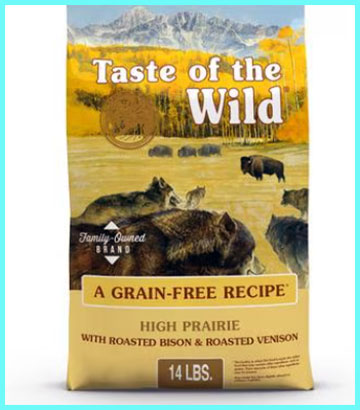
The main difference is the protein source and the grain profile. High Prairie features roasted bison and roasted venison, making it a red-meat-heavy, rich diet great for active dogs. Pacific Stream features salmon and ocean fish meal, making it free of chicken and egg ingredients. This makes Pacific Stream the superior choice for dogs with severe allergies or sensitive skin, as the fish oils help reduce inflammation, whereas High Prairie is better for general maintenance and picky eaters who crave red meat.
Conclusion
Taste of the Wild remains a titan in the pet food industry for a reason: it successfully bridges the gap between affordable grocery store kibble and unaffordable boutique raw diets. It offers a significant upgrade in ingredient quality—ditching the corn and soy for bison and salmon—without forcing you to take out a second mortgage. While the concerns regarding DCM and grain-free diets are valid and should be considered, the brand’s introduction of the Ancient Grains line shows they are listening to science and consumers.
If you are looking for a highly palatable, protein-rich food that will likely improve your dog’s coat and energy, Taste of the Wild is a fantastic option. My advice is to start with a small bag of the Pacific Stream to test for digestibility, or the Ancient Prairie if you want to play it safe with grains. It might just be the wild upgrade your dog’s bowl has been waiting for.