
Watching your furry best friend limp or struggle to stand up is one of the most heartbreaking experiences for a pet owner. Whether it is a sudden tear of the CCL (the dog equivalent of an ACL), arthritis creeping in with age, or a luxating patella, the helplessness is real. Vet bills for orthopedic surgery can easily run into the thousands, leaving many of us frantically searching for a non-surgical alternative. That is likely how you found the Tailwind Dog Brace. It promises to stabilize the joint, reduce pain, and get your pup back on their paws without the trauma of going under the knife.
In this comprehensive review, I am going to walk you through everything you need to know about the Tailwind Dog Brace. From the quality of the neoprene to the reality of the “custom” fit claims, I will break down whether this product is a genuine medical aid or just a flimsy piece of fabric. I will also compare it to other big names in the industry so you can see if you are getting the best bang for your buck. My goal is to help you make an educated decision for your dog’s health and your wallet.
My Experience With The Tailwind Dog Brace
I decided to try the Tailwind Dog Brace for my seven-year-old Labrador mix, Buster, who tore his CCL while chasing a squirrel in the backyard. The vet recommended surgery, but due to his age and a minor heart murmur, I was hesitant to put him through anesthesia if there was another way. I found TailwindPets online and was drawn in by the promise of a supportive, hinged brace that could offer stability during his recovery.
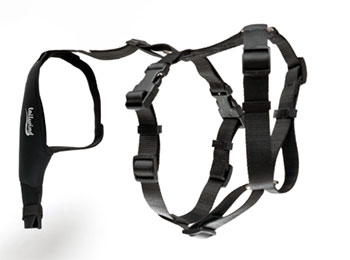
Ordering was relatively straightforward, although measuring a squirming dog is never easy.
I followed their size chart religiously, measuring the thigh circumference and the distance to the hock, praying I got the numbers right since I had read that returns could be tricky.
I opted for the hinged version, thinking the extra mechanical support would be better for a large dog like Buster.
When the package arrived, my first impression was mixed. The material felt like a standard wetsuit neoprene—soft and flexible, but I worried it might be too stretchy to really hold a 70-pound dog’s knee in place. Putting it on was a bit of a wrestling match at first. You have to thread the leg through, secure the velcro straps around the thigh and the lower leg, and then attach the harness strap over the back to keep it from sliding down.
For the first few days, Buster hated it. He would freeze and refuse to walk, or try to chew the straps off the moment I looked away. This is common with any new gear, so I used plenty of treats to encourage him. Once he got used to the feeling, I did notice a change in his gait. The limp was still there, but it was less pronounced. The hinge seemed to prevent that painful “drawer motion” of the knee sliding forward, giving him enough confidence to put a bit more weight on the leg during our short potty walks.
However, the fit wasn’t perfect. Despite my careful measuring, the brace had a tendency to slip down his leg after about ten minutes of walking. I found myself constantly stopping to hike it back up and re-tighten the velcro, which was frustrating for both of us. The “anchor” strap that connects to the harness is absolutely essential; without it, the brace is useless. I also noticed that after a few weeks, the velcro started to fray slightly at the edges, raising questions about long-term durability.
Ultimately, the brace served as a decent stop-gap measure. It didn’t “cure” his torn ligament—only surgery or scar tissue buildup can do that—but it provided enough support to manage his movement while we did conservative rest and rehab. It wasn’t the miracle cure the ads sometimes imply, but for the price point compared to surgery, it was a helpful tool in our recovery arsenal.
Read More; My Thoughts On Bousnic Dog Training Collar
Pros Of The Tailwind Dog Brace
When evaluating a medical device for your pet, you want to look beyond the marketing and see the functional benefits. After using this brace for several months, here are the specific advantages that stood out.
- Cost-Effective Alternative to Surgery: The most obvious benefit is the financial saving compared to orthopedic surgery. TPLO or TTA surgeries can cost anywhere from $3,000 to $5,000 per knee, which is simply out of reach for many families. The Tailwind brace costs a fraction of that, usually falling in the $150-$200 range depending on the model. For older dogs where surgery risks outweigh the benefits, or for owners on a strict budget, this provides a viable “Plan B” for management. It allows you to take action and help your dog without going into debt, providing a middle ground between doing nothing and full surgical intervention.
- Non-Invasive Support: Unlike surgery, which requires long recovery times, cones of shame, and wound care, a brace is completely non-invasive. You don’t have to worry about infection risks, anesthesia complications, or keeping stitches dry. It is an immediate solution; you can put it on the day it arrives and start seeing potential benefits in stability. This is particularly great for dogs with minor strains or arthritis where you just want to provide extra support on “bad days” or during longer walks. If the brace doesn’t work, you can simply stop using it, whereas surgery is irreversible.
- Lightweight and Breathable Material: The brace is made from a neoprene blend that is soft against the dog’s skin and relatively breathable. This is crucial because dogs can overheat easily, and a heavy, rigid plastic cast could cause hot spots or skin infections. The material moves with the dog, allowing for natural muscle engagement while still restricting harmful lateral movements. I didn’t notice any significant chafing on Buster’s inner thigh, which is a common complaint with harder, more rigid braces. The softness makes it more tolerable for the dog to wear for extended periods, such as during a 30-minute walk.
- Adjustable Velcro System: The design relies on multiple velcro straps, allowing for a somewhat customizable fit within the size range. This is helpful because a dog’s leg shape can change—swelling might go down as the injury heals, or muscles might atrophy from lack of use. You can tighten or loosen specific sections (like the thigh vs. the hock) independently to get the best hold. It accommodates different breeds reasonably well, provided you are within the correct size bracket. The straps are wide enough to distribute pressure evenly, preventing the “tourniquet effect” that thinner straps might cause.
Cons Of The Tailwind Dog Brace
While it can be a helpful tool, there are significant limitations and design flaws that you need to be aware of before purchasing. It is not a magic wand, and the user experience can be frustrating.
- Sizing and Fit Issues: The biggest complaint with Tailwind, and one I experienced to a degree, is the difficulty in getting a perfect fit. Because these are “off-the-shelf” braces rather than custom-molded orthotics, they are designed to fit a generic dog shape. If you have a breed with short legs (like a Corgi) or a very tapered thigh (like a Greyhound), the standard sizes often fail to stay in place. The “custom” option they market is often just a slightly modified standard size rather than a true cast-mold custom. If the brace slips, it puts pressure on the wrong parts of the leg, potentially causing more pain or even injuring the good leg due to altered gait.
- Return Policy Difficulties: A quick search online reveals numerous customers venting about the strict and sometimes confusing return policy. The company often requires the product to be in “pristine” condition for a return, which is nearly impossible if you have tried it on a shedding dog. There are reports of returns being rejected due to a few dog hairs found on the velcro. Additionally, shipping costs for returns are often on the customer, which can be expensive if you are shipping internationally. This makes “trying it out” a risky financial proposition compared to buying from a local vet who can ensure the fit before you pay.
- Durability Concerns: While the neoprene is comfortable, it isn’t the most durable material for active dogs. The velcro hooks can accumulate fur, dirt, and grass very quickly, losing their “stickiness” over time. The stitching around the stress points (where the hinge meets the fabric) began to look strained after just a few weeks of use on my large dog. For a heavy, active dog that drags the leg or plays rough, the brace might not last more than a few months. You might find yourself needing to replace it or do DIY repairs with a sewing needle, which is disappointing for the price.
- Requires Constant Adjustment: This is not a “set it and forget it” device; it requires active management during every use. As the dog walks, the motion of the muscles naturally pushes the fabric down the leg. You have to use the harness system effectively, but even then, I found myself bending over to pull it up every 10-15 minutes. This interrupts the flow of your walk and can be annoying. If you leave the dog unsupervised, they can easily wiggle out of it or shift it into a position that hurts them, meaning you can never leave it on while you are at work.
Maintenance Tips For The Tailwind Dog Brace
To get the most life out of the brace and prevent skin issues for your dog, you need to maintain the equipment religiously. Here are tips to keep the brace in top condition.

- Keep the Velcro Clean: The velcro is the lifeline of this brace; if it fails, the brace falls off. Dog hair is the enemy of velcro. After every walk, check the hook side of the straps for fur and lint. Use a stiff wire brush or a fine-tooth comb to rake out the hair trapped in the hooks. This simple step ensures the grip remains strong and prevents the straps from popping open mid-walk. If the velcro gets clogged with mud, let it dry completely and then brush it out; washing it while muddy can drive the dirt deeper into the fibers.
- Hand Wash Only: Do not throw this brace in the washing machine, even on a gentle cycle. The mechanical agitation can damage the hinges and cause the neoprene to delaminate or stretch out of shape. Fill a sink with lukewarm water and a mild, pet-safe detergent (baby shampoo works well). Gently submerge the brace and squeeze the soapy water through the fabric, paying attention to the areas that touch the skin. Rinse thoroughly to remove all soap residue, as any left-over detergent can irritate your dog’s sensitive skin under the brace.
- Air Dry Completely: Never put the brace in a tumble dryer or use a hair dryer to speed up the process. High heat destroys the elasticity of neoprene and can warp the plastic components or hinges. Lay the brace flat on a towel in a shaded, well-ventilated area. Do not hang it by the straps, as the weight of the wet water can stretch them out. Make sure it is 100% bone dry before putting it back on your dog; wearing a damp brace is a recipe for fungal infections and hot spots.
- Skin Checks are Vital: The brace rubs against the skin constantly, creating friction and trapping moisture. Every time you take the brace off, inspect your dog’s leg for redness, hair loss, or chafing marks. Pay special attention to the groin area and the hock joint. If you see any irritation, apply a soothing balm or cornstarch baby powder to the area and give the dog a break from the brace for a day. Ignoring these early signs can lead to open sores that are much harder to treat than the original knee injury.
Comparison with Other Brands
The market for dog knee braces has exploded, and Tailwind is just one of many options. Here is how it stacks up against its main competitors.
- Ortocanis Knee Brace: Ortocanis is a European brand that is widely respected for its ergonomic designs. Comparison: Ortocanis braces tend to have a slightly more anatomical shape that curves with the dog’s natural leg angle better than the straighter Tailwind design. The material of the Ortocanis brace feels slightly thinner but denser, offering good compression without the bulk. Tailwind offers a hinged option that is more readily available and marketed for stability, whereas the standard Ortocanis is often a soft support (though they have advanced models too). Ortocanis ships from Europe, so delivery to the US can take longer, whereas Tailwind has faster US distribution. If you need simple compression for arthritis, Ortocanis is often more comfortable; for a larger dog needing rigid hinge support, Tailwind’s hinged model is more accessible.
- Labra Dog Knee Brace: Labra is a popular budget-friendly option available on Amazon. Comparison: Labra is generally cheaper than Tailwind and offers very fast shipping via Amazon Prime. However, the Labra brace is simpler in design and often lacks the robust harnessing system that Tailwind includes. Tailwind’s connection belt (the strap that goes over the back) is often more secure than Labra’s basic setup. Labra is great for a quick, cheap solution for a minor injury, but Tailwind feels slightly more “medical” in its construction. Users often report that Labra runs smaller, so sizing is trickier, whereas Tailwind’s size chart is more detailed.
- Walkin’ Pets (HandicappedPets) Splints/Braces: This is a heavyweight brand in the pet mobility space, known for wheelchairs and high-end gear. Comparison: Walkin’ Pets offers professional-grade orthotics that are often a step up in quality from Tailwind. Their braces are often more rigid and durable, designed for long-term use in disabled pets. Tailwind is softer and more flexible, which might be better for an active dog recovering from an injury, while Walkin’ Pets is better for permanent mobility issues. Walkin’ Pets has excellent customer support and widely available spare parts. The price point for Walkin’ Pets gear is usually higher, reflecting the higher build quality. If you want the absolute best off-the-shelf quality and money is no object, Walkin’ Pets wins; Tailwind is the mid-range compromise.
Also Read: My Thoughts on Layr Dog Bed Sheets
Frequently Asked Questions (FAQ)
You should not leave the brace on 24/7. It is recommended to start slowly, wearing it for 30 minutes to an hour at a time to let the dog get used to it. Eventually, they can wear it during active periods (walks, play) but it should always be removed when the dog is sleeping or crated to allow the skin to breathe.
Technically yes, they can lie down, but it is not recommended for long naps or overnight sleep. When the dog curls up, the brace can bunch up or pull tight against the skin, cutting off circulation or causing discomfort. Always remove the brace before bed to ensure your dog rests comfortably and to prevent pressure sores.
No, no brace can “cure” a torn ligament; it can only provide support and stability. The brace helps by restricting the knee’s movement, allowing scar tissue to form which stabilizes the joint over time (a process taking several months). It is a management tool, not a magical fix, and works best when combined with restricted activity and weight management.
Tailwind Pets offers an exchange policy, but you must be very careful with the condition of the item. If the brace is dirty or covered in hair, they may deny the return or charge a restocking fee. It is crucial to measure exactly according to their video guides and perhaps try the brace on over a thin sock or plastic wrap first to keep it clean.
Conclusion
The Tailwind Dog Brace is a solid, mid-range solution for pet owners caught between the rock of an expensive surgery and the hard place of doing nothing. It offers decent mechanical support, a comfortable neoprene fit, and the potential to improve your dog’s quality of life significantly during recovery. While it struggles with some slippage issues and a strict return policy, it remains one of the more accessible options for conservative management of CCL injuries.
If you are realistic about what this product can do—it’s a crutch, not a cure—and you are willing to put in the effort to fit it correctly and maintain it, it is definitely worth the investment. Seeing your dog regain the confidence to put four paws on the ground is a priceless feeling, and for many, Tailwind provides the support needed to make that happen.