
We have all been there—scrolling through social media late at night, seeing influencers emerging from sleek wooden boxes or steamy tents, glowing with sweat and claiming it changed their lives. You start to wonder if you need one. The concept of bringing the spa experience into your spare room or garage is incredibly appealing, especially when gym memberships are climbing and public saunas often feel crowded or unhygienic. That is when you likely stumbled upon the “Sweat Box Sauna,” a product that promises the one-two punch of infrared heat and red light therapy in a compact, home-friendly package.
In this comprehensive review, I am going to walk you through everything you need to know about the Sweat Box Sauna. We will move beyond the flashy marketing and look at the reality of owning one—from the delivery and setup to the actual sweat experience. I will also clear up the common confusion between this infrared unit and other “box” or “tent” saunas on the market. If you are tired of booking appointments and want to take control of your recovery and relaxation at home, this guide will help you decide if the Sweat Box is the right investment for your wellness journey.
My Experience With The Sweat Box Sauna
I decided to pull the trigger on the Sweat Box Sauna because I was hitting a wall with my recovery. As someone who tries to stay active, the aches and pains were lingering longer than they used to, and my sleep quality was mediocre at best. I had tried the gym sauna, but driving 20 minutes to sit in a lukewarm room with strangers wasn’t exactly relaxing. I wanted something private, effective, and crucially, something that didn’t require hiring an electrician to rewire my entire house. The Sweat Box caught my eye because it offered full-spectrum infrared heat and red light therapy—a combination that is usually reserved for units costing three times as much.
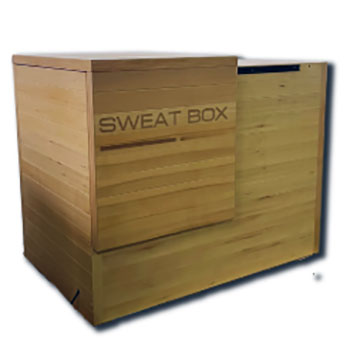
When the boxes arrived, I was initially intimidated.
It looked like a lot of lumber.
However, the “easy assembly” claim actually held up.
It took me about 45 minutes to put it together, mostly because the buckle system for the walls is surprisingly intuitive.
Once built, it had a smaller footprint than I expected, fitting neatly into the corner of my home office without dominating the room.
It plugs into a standard wall outlet, which was a huge relief; I just plugged it in, and it was ready to go.
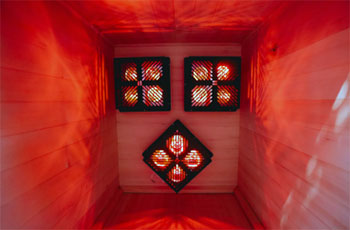
My first session was a learning experience. I set the temperature to the max (around 150°F) and hopped in. If you are used to traditional dry saunas that scorch your nostrils at 190°F, this feels different. It is a gentler, penetrating heat. For the first ten minutes, I wasn’t sweating much and started to worry I had bought a glorified closet. But then, the infrared kicked in. It heats you from the inside out. By minute twenty, I was dripping. The red light panels added a nice touch; I don’t know if I can scientifically prove they healed my skin overnight, but the warm red glow is incredibly soothing and helps put you in a meditative state.
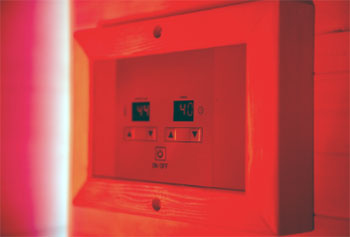
I have been using it four times a week for about two months now, and the difference in my routine is palpable. I sleep like a rock on the nights I use it. The convenience of being able to hop in for 30 minutes while listening to a podcast, right in my own home, means I actually use it. It’s not just a coat rack. The internal control panel is a small but mighty feature; being able to adjust the timer or temp without opening the door and letting the heat out is key.
However, it is not without its quirks. You do have to be patient with the pre-heat time. I usually turn it on about 15 minutes before I want to get in to ensure the cabin is toasty. And while I fit comfortably (I am 5’10”), if you are significantly taller, you might find the headspace a bit cozy. It is definitely a “personal” sauna in the truest sense. But for the price and the feature set, it has become the anchor of my evening routine.
Read More: My Thoughts On BON CHARGE Sauna Blanket
Pros Of The Sweat Box Sauna
When you look closely at the Sweat Box compared to the sea of generic portable saunas, several specific advantages make it a compelling choice for the average homeowner. Here is a breakdown of what makes this unit stand out.
- Combination of Infrared and Red Light Therapy: Most entry-level home saunas force you to choose between heat types or pay extra for add-ons. The Sweat Box integrates both far-infrared carbon heaters and dedicated red light therapy bulbs into the standard unit. This is a massive “pro” because you are getting two wellness modalities in one session. Infrared heat is excellent for deep tissue detoxification and cardiovascular mimicry, while red light therapy is renowned for skin health, collagen production, and reducing surface inflammation. Getting both simultaneously saves you time—you don’t need to sit in front of a separate red light panel after your sauna session. It streamlines your recovery routine into a single, efficient 30-minute block.
- Standard 120V Plug-and-Play Compatibility: One of the biggest hidden costs of buying a traditional home sauna is the electrical work. Most traditional saunas require a 240V connection, similar to a clothes dryer or electric stove, which can cost hundreds or even thousands of dollars to install depending on your home’s wiring. The Sweat Box is designed to run on a standard household outlet (110-120V). You literally just plug it into the wall like a lamp. This makes it renter-friendly and portable within your home; you can move it from the bedroom to the basement without needing to call an electrician. It democratizes the sauna experience, making it accessible to anyone with a spare plug.
- Compact and Efficient Footprint: Space is often the deciding factor for home gym equipment. The Sweat Box is engineered to maximize interior volume while minimizing the exterior footprint. It is typically designed as a single-person cabinet that can fit in a corner or a walk-in closet. Unlike the sprawling tent saunas that take up significant floor space and look like camping gear in your living room, the Sweat Box has a finished, furniture-like appearance (often wood) that blends better with indoor decor. It heats up relatively quickly because the volume of air inside is smaller, meaning it is more energy-efficient than heating a large, multi-person cabin for just one user.
- Low EMF Technology: Electromagnetic Fields (EMF) are a concern for many health-conscious consumers when it comes to electrical devices that you sit inside of. The Sweat Box utilizes low-EMF carbon heating panels. This is crucial because you are sitting just inches away from the heat source. Cheap infrared saunas often emit high levels of EMF, which some users believe can cause fatigue or headaches. By using shielded wiring and higher-quality carbon panels, the Sweat Box mitigates this risk, providing a safer environment for daily use. It offers peace of mind that your “detox” session isn’t exposing you to unnecessary electrosmog.
Cons Of The Sweat Box Sauna
Despite the glowing benefits, the Sweat Box is not a perfect solution for everyone. There are limitations inherent to its design and technology that you need to be aware of before purchasing.

- Lower Maximum Temperature Compared to Traditional Saunas: If you are a die-hard fan of the scorching 200°F+ heat found in traditional Finnish saunas, the Sweat Box might feel “mild” to you. Infrared saunas are designed to operate at lower temperatures, typically topping out around 140°F to 150°F. While the infrared waves heat your body directly and cause a profound sweat, the air temperature never gets to that lung-searing level that some sauna purists crave. You won’t get that intense “heat shock” feeling the moment you step in. For some, this is a benefit (it’s easier to breathe), but for others expecting a traditional sweat lodge experience, it can feel underwhelming.
- Restricted Mobility and Capacity: The compact nature of the “box” design means it is strictly a single-person affair. You cannot lay down, do yoga, or invite a friend to join you. You are essentially sitting in a designated seat for the duration of the session. If you are claustrophobic or someone who likes to stretch out and sprawl while relaxing, the confined space might feel restrictive after 20 minutes. Unlike a larger tent sauna where you might have room to stand up or move a bench, the rigid walls of the Sweat Box define your space rigidly. It is a solitary, seated experience, which limits its versatility as a social or multi-purpose wellness space.
- Assembly and Portability Limitations: While it is easier to assemble than a custom-built room, it is not “portable” in the same way a fabric tent sauna is. It is a piece of furniture made of wood panels. Once you build it, you aren’t going to break it down and take it camping or move it to a friend’s house for the weekend. It is semi-permanent. If you move apartments, you have to disassemble the buckles and transport heavy wooden slabs. Compared to a pop-up tent that fits in a duffel bag, the Sweat Box requires a commitment to a specific location in your home. You need to measure your doorways and corners carefully to ensure it fits before you order.
- Warm-Up Time Required: Although it is small, the carbon heaters still take time to bring the cabin up to the target temperature. You cannot just jump in and expect it to be hot instantly. Depending on the ambient temperature of your room, it can take 15 to 25 minutes to reach the max setting. This requires some planning; you have to remember to turn it on before your workout ends or before you get in the shower. If you are someone who wants “instant” heat, this lag time can be a minor annoyance that creates friction in your daily routine.
Maintenance Tips For The Sweat Box Sauna
Maintaining an infrared sauna is relatively easy, but neglecting it can lead to hygiene issues and mechanical failure. Here is how to keep your Sweat Box pristine.
- Manage Moisture and Sweat: Even though it is a “dry” sauna, you will be producing a lot of moisture. You should always sit on a towel to absorb sweat and prevent it from soaking into the wooden bench. Wood is porous and can absorb oils and bacteria over time, leading to staining and odors. After every session, leave the door wide open for at least 30 minutes to let the interior air out and dry completely. If you sweat heavily on the floor, wipe it up immediately with a mild disinfectant or a vinegar-water solution. Never use harsh chemicals like bleach on the interior wood, as these can release toxic fumes when heated up during your next session.
- Clean the Heater Panels Gently: The carbon heater panels are the heart of the system, and they need to be kept free of dust and debris to function efficiently. Once a month, make sure the unit is unplugged and completely cool, then gently wipe the panels with a dry or slightly damp microfiber cloth. Do not use dripping wet rags or spray cleaners directly onto the electrical panels. Dust accumulation can act as an insulator, preventing the heat from radiating effectively and potentially causing the panels to overheat or burn out prematurely. Keeping them clean ensures you get the full spectrum of infrared waves.
- Check Electrical Connections: Since the unit is often assembled by the user with buckle or clip systems, the electrical connections between the walls can sometimes shift. Every few months, just do a quick visual check of the cords and plugs that connect the panels (usually found on the roof or near the floor). Ensure they are seated tightly. If you notice the lights flickering or one panel not heating up, it is usually a loose connection rather than a broken part. Also, ensure the main power cord isn’t being pinched against the wall or bent at a sharp angle, which is a common fire hazard with high-wattage appliances.
- Exterior Wood Care: The outside of the sauna is just as important as the inside. Depending on the humidity of your home, the wood can expand or contract. You can wipe down the exterior with a standard furniture polish or wood cleaner to keep it looking fresh and prevent it from drying out or cracking. If you keep the sauna in a garage or a non-climate-controlled area (which is generally not recommended for indoor units, but people do it), you might need to cover it with a breathable tarp to protect the electronics from dust and moisture when not in use. Treating the wood ensures the cabinet stays structurally sound for years.
Comparison with Other Brands
The market is flooded with “box” and “tent” saunas, and the terminology can get confusing. Here is how the Sweat Box compares to three major competitors with similar names or functions.
- Sweat Tent (Outdoor Wood-Burning Sauna): This is the brand most people confuse with “Sweat Box.” Comparison: The Sweat Tent is a radically different beast. It is a portable, heavy-duty fabric tent that uses a stainless steel wood-burning stove. Heat: Sweat Tent gets much hotter, easily exceeding 200°F, providing a traditional “Russian Banya” style heat that infrared cannot match. Use Case: It is strictly for outdoor use (backyards, camping) because of the smoke and fire. Verdict: If you want raw, intense heat and the ritual of building a fire, Sweat Tent is superior. If you want indoor convenience, plug-and-play simplicity, and no smoke, the Sweat Box is the winner. They serve completely different vibes (rugged outdoor vs. convenient indoor).
- SaunaBox (Portable Steam Sauna): This is another common source of confusion. The “SaunaBox” (brand name) is typically a fabric tent structure with an external electric steam generator. Comparison: Instead of dry infrared heat, the SaunaBox fills the tent with wet steam. Humidity: The SaunaBox reaches 100% humidity but lower temperatures (around 120°F). It feels incredibly hot because the sweat doesn’t evaporate. Experience: The Sweat Box (infrared) is a dry, penetrating heat that is easier to breathe in and allows you to read a book or use a phone (if careful). The SaunaBox is a wet, foggy environment where you are drenched in condensation. Verdict: Choose SaunaBox if you prefer steam rooms and respiratory relief. Choose Sweat Box if you prefer dry heat, deep tissue therapy, and avoiding the risk of mold from wet steam.
- Sun Home Equinox (Premium Infrared Cabin): This represents the high-end alternative to the Sweat Box. Comparison: Sun Home saunas are often double or triple the price of a standard Sweat Box. Quality: They use premium eucalyptus or cedar wood and have medically graded heaters with incredibly low EMF ratings and app connectivity. Features: The Equinox might include advanced chromotherapy, Bluetooth speakers, and a more robust warranty. Verdict: The Sweat Box is the “value” play—it gives you 80% of the performance for 40% of the price. The Sun Home is for the luxury buyer who wants furniture-grade aesthetics and brand-name assurance. If you are on a budget, the Sweat Box delivers the core benefits without the luxury markup.
Also Read: My Thoughts On Gary Brecka Pemf Mat
Frequently Asked Questions (FAQ)
The Sweat Box Sauna typically reaches a maximum temperature of around 140°F to 150°F (approx. 60°C to 65°C). While this is lower than traditional rock saunas, the infrared heat penetrates the body directly, making you sweat profusely even at lower air temperatures. Many users report it feels equivalent to a much hotter environment due to the direct radiant heat.
No, one of its main advantages is that it operates on a standard 15-amp, 110-120V household outlet. You do not need to hire an electrician to install 220V wiring. However, it is recommended to dedicate the circuit to the sauna during use (don’t run a vacuum cleaner or hair dryer on the same plug) to prevent tripping the breaker.
Assembly is generally designed to be tool-free or minimal-tool, often using a buckle or clasp system to connect the walls. One person can assemble it in about 45 minutes to an hour, but having a second person makes holding the walls in place much easier. The panels can be heavy, so if you have back issues, definitely ask for help.
A sauna blanket wraps around your body like a sleeping bag, trapping heat directly against your skin. The Sweat Box is a cabin you sit inside. The Box is generally considered more comfortable and relaxing because you are not confined or compressed, and you can sit upright, read, or meditate. The Box also typically includes red light therapy panels, which blankets do not.
Conclusion
The Sweat Box Sauna bridges the gap between expensive custom-built home saunas and flimsy portable tents. It offers a sturdy, effective, and aesthetically pleasing way to integrate infrared and red light therapy into your daily life without requiring a major home renovation. While it may not satisfy the “heat freaks” who need 200-degree temperatures, it provides a deep, detoxifying sweat that is accessible, safe, and convenient for the average user.
If you have the floor space and the budget, upgrading from a blanket or tent to the Sweat Box is a decision you likely won’t regret. The ability to simply plug it in, step inside, and shut out the world for thirty minutes is a luxury that pays dividends in sleep, recovery, and mental clarity. It is a solid investment in your “healthspan” that fits right in the corner of your room.