
If you are tired of vacuum cleaners that lose suction as the bag fills or spew dust back into the air, you should buy the Sirena Water Vacuum. It is a powerhouse cleaning system that uses water as its primary filter, ensuring that dust, dirt, and allergens are trapped for good. I highly recommend this machine for pet owners and allergy sufferers who need a deep, consistent clean that standard vacuums simply cannot provide.
My Experience With Sirena Water Vacuum
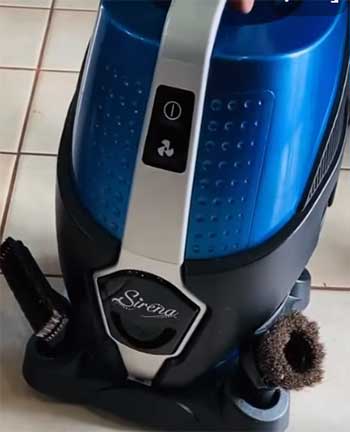
I decided to invest in the Sirena Water Vacuum after my third “high-end” bagless vacuum failed me.
I have two Golden Retrievers and a cat, which means my home is in a constant state of shedding.
My previous vacuums would start strong, but within months, the filters would clog with fine dander, and the machine would start wheezing, leaving half the hair embedded in the carpet.
The smell was the worst part—that stale, dusty dog odor that would blast out of the exhaust every time I turned the machine on.
I needed a change, and the idea of water filtration intrigued me.
When the Sirena arrived, I was immediately struck by its build quality. It felt substantial, not like the flimsy plastic appliances I was used to. Setting it up was a bit of a learning curve compared to a plug-and-play upright, but the instructions were clear. I filled the basin with tap water, added a capful of the “Ocean Breeze” deodorizer that came with it, and clamped the motor unit down. The moment I turned it on, I noticed the sound. It wasn’t quiet, but it sounded smooth and powerful, like a jet engine rather than a rattling can.
The first time I used it on my living room rug was a revelation. I thought my carpet was relatively clean, having vacuumed it two days prior. I was wrong. The Sirena power nozzle dug deep into the fibers, pulling up fur I didn’t even know was there.
The suction was relentless; it didn’t fade after five minutes because there were no pores to clog. The air coming out of the back of the machine felt cool and, most importantly, smelled incredibly fresh. It was like opening a window on a spring day, not the usual dusty exhaust I had grown accustomed to.
The real moment of truth came when I finished cleaning the living room and opened the canister to dump the water. I was both disgusted and fascinated. The water had turned into a thick, grey sludge filled with clumps of hair, sand, and what I can only assume was years of accumulated dust mites. It was a “seeing is believing” moment. I realized that my old vacuums had been leaving all of this behind. Pouring that dirty water down the toilet felt incredibly satisfying, knowing that the filth was permanently out of my house.
Over the next few months, the air quality in my home noticeably improved. My morning congestion cleared up, and the dust settling on my furniture seemed to decrease significantly. While hauling the water basin back and forth is definitely more work than just pushing a button on a dirt cup, the trade-off is absolutely worth it for the level of clean I am getting. It has transformed my cleaning routine from a chore I dreaded into a satisfying process of purifying my home.
Pros Of Sirena Water Vacuum
- Unbeatable Water Filtration Technology: The absolute biggest advantage of the Sirena is that it uses water to trap dirt. unlike traditional vacuums that rely on porous bags or HEPA filters as the primary defense, the Sirena forces air through a water bath. Wet dust cannot fly. This means that once the dirt enters the basin, it gets wet and stays trapped. You never have to worry about that cloud of dust puffing into your face when you empty the bin. For me, this was a game-changer because it eliminated the “vacuum smell” entirely. The water acts as an impenetrable barrier for pet hair and larger debris, keeping the airflow unobstructed.
- Consistent 100% Suction Power: One of the most frustrating things about regular vacuums is that as the bag or bin fills up, the airflow is restricted, and suction drops. With the Sirena, the airflow remains constant from the moment you turn it on until you turn it off. Because the water churns and doesn’t “clog” like a fabric filter, the motor can breathe freely. I found that I could vacuum my entire 2,500-square-foot house without losing a single ounce of performance. Whether the basin is clean or looking like a mud puddle, the cleaning power at the nozzle remains exactly the same.
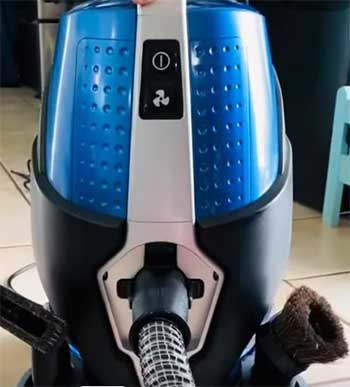
- Effective Air Purification Mode: The Sirena isn’t just a vacuum; it doubles as a standalone air purifier. You can disconnect the hose, turn the machine on low speed, and let it run in the corner of a room. It will cycle the room’s air through the water, pulling in floating dust and allergens and pumping out fresh, water-washed air. I often do this while dusting or after cooking a smoky meal. You can even add fragrances to the water, which aromatizes the whole house without using artificial sprays. It is like having two appliances in one, which adds tremendous value to the purchase price.
- Excellent for Pet Owners and Allergies: If you suffer from asthma or allergies, this machine is a godsend. The combination of water filtration and a secondary HEPA filter ensures that 99.9% of particles down to 0.3 microns are captured. The “sludge” you dump out contains pollen, dander, and dust mites that would normally be blown back into the air by a standard vacuum. I noticed a massive reduction in my allergy symptoms after switching. Plus, because you are dumping the waste down the toilet or outside, you aren’t re-exposing yourself to the allergens during the disposal process.
- Versatile Attachment Suite: The Sirena comes loaded with high-quality tools that cover every cleaning need. The electric power nozzle is fantastic for carpets, with height adjustments that actually work. But beyond that, the floor brush for hardwoods, the upholstery tool, the dusting brush, and the crevice tool are all well-designed. I particularly love the inflation tool, which allows you to use the exhaust port to blow up air mattresses or blow dust out of hard-to-reach areas like keyboard crevices or behind radiators. The telescoping wand is sturdy and gives you plenty of reach for ceiling fans and crown molding.
- Cost-Effective in the Long Run: While the initial price tag is higher than a department store vacuum, you save money over time because you never have to buy vacuum bags again. I used to spend a small fortune on premium bags and replacement filters for my old machine. With Sirena, your primary “filter” is tap water, which is essentially free. The HEPA filter does need occasional replacement, but because the water catches the vast majority of the dirt, the HEPA filter stays clean for much longer than in dry vacuums. This durability and lack of recurring costs make it a smart financial investment for long-term homeowners.
Also Read: My thoughtsa on EverJar Vacuum Sealer
Cons Of Sirena Water Vacuum
- Significant Weight and Bulk: There is no getting around it—the Sirena is heavy. The unit itself is substantial, and once you fill the basin with nearly a gallon of water, it becomes quite a load to pull around. Weighing in at over 30 pounds when full, it is not something you want to carry up and down stairs frequently. If you have a multi-story home, you might find yourself dreading the process of lugging the main unit between floors. It rolls smoothly on its dolly, but lifting it requires real effort. This is a major consideration for elderly users or anyone with back issues who might struggle with the physical demands of operating it.
- Required “Setup and Teardown” Time: You cannot just grab the Sirena for a 30-second quick cleanup of some spilled cereal. You have to fill the basin with water before every single use, and you must empty and clean it after every single use. You cannot leave the dirty water sitting in the machine, or it will start to smell like a swamp and breed bacteria. This adds about 5 to 10 minutes to your cleaning routine. For me, this inconvenience is the price of a deep clean, but if you are someone who likes to vacuum in short bursts throughout the week, this process will quickly become annoying.
- Maintenance of the Water Basin: The “sludge” I mentioned earlier is great because it means your house is clean, but dealing with it is gross. You have to detach the heavy basin, carry it to the toilet or outside, and pour out the grey, hairy water. Sometimes, wet clumps of pet hair get stuck to the sides or the central baffle, and you have to rinse them out or wipe them away with a paper towel. It is a messy job. Unlike a bagged vacuum where you just toss a sealed bag in the trash, this forces you to confront the dirt you have collected. If you have a weak stomach, this part of the ownership experience might be a dealbreaker.
- Loud Operation Noise: The Sirena is powerful, and it sounds like it. The 1200-watt motor, combined with the sound of water churning, creates a significant amount of noise, especially on high speed. It is noticeably louder than many modern, sound-dampened canister vacuums. You definitely won’t be watching TV or holding a conversation while this thing is running in the same room. While the low-speed air purification mode is quieter, the actual vacuuming mode is a roar. I have to make sure my pets are in another room because the noise tends to scare them more than my previous quiet vacuum did.
- Short Power Cord Length: For a canister vacuum of this size, the power cord feels surprisingly short. I often find myself having to unplug and replug the machine as I move from room to room, which interrupts my flow. While it is a retractable cord, which is a nice feature for storage, an extra 5 to 10 feet would have made a massive difference in usability for larger rooms. You might end up needing an extension cord if you have a large open-concept living area, which adds another layer of hassle to the setup process.
- Storage Footprint: The Sirena is not a compact machine. The main canister is bulky, and because you have to store the water basin separately from the motor unit (to allow it to dry and prevent mold), it takes up more closet space than a standard upright. You also have the hose, the wand, and a bag of attachments to manage. It doesn’t neatly tuck away into a small corner. You need a dedicated spot in a utility closet or garage to house all the components properly. If you live in a small apartment with limited storage, the physical size of the system could be a logistical problem.
Maintenance Tips For Sirena Water Vacuum
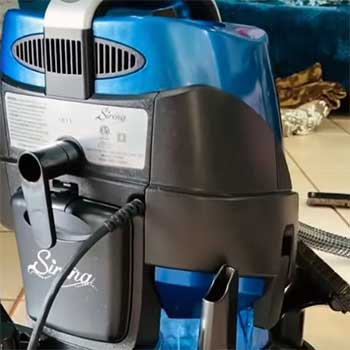
- Empty and Rinse After Every Use: This is the golden rule of owning a water vacuum. Never, under any circumstances, leave the dirty water in the basin overnight. The organic matter (skin cells, pet dander, food crumbs) will begin to decompose in the water almost immediately, leading to a foul odor that is difficult to remove from the plastic. As soon as you are done vacuuming, unclamp the motor, carry the basin to the bathroom, and dump it. Rinse it thoroughly with hot water to remove any lingering sediment. I also recommend wiping the inside with a paper towel to ensure no film builds up on the plastic walls over time.
- Clean the Separator Nut and Baffle: The heart of the Sirena’s filtration is the spinning separator, which is located on the underside of the main motor unit. Over time, lint and hair can wrap around this component or get stuck in the baffle grooves. Every few weeks, you should check this area. Sirena includes a small wrench tool specifically for removing the separator nut. Take it off, wash the plastic separator in warm soapy water, and use a toothbrush to scrub the slats. If this part gets clogged, the machine can vibrate excessively or lose its ability to separate the water from the air, potentially allowing water to reach the motor.
- Wash the HEPA Filter Regularly: While the water catches most of the dirt, the HEPA filter is your final safety net. It is located at the exhaust of the machine. You should check this filter every month. If it looks grey or dusty, take it out and rinse it under cool tap water. Do not use soap or harsh chemicals, as this can damage the filter material. Let it air dry completely—for at least 24 hours—before putting it back in the machine. A wet filter can cause mold growth and damage the motor. Replacing this filter every 12 to 18 months ensures your air purification remains top-notch.
- Air Dry All Components: Moisture is the enemy when the machine is in storage. After you rinse the basin, do not clamp the motor unit back onto it immediately. Leave the basin out to air dry completely. I usually store my Sirena with the motor unit sitting next to the basin, or I place a towel between them to allow airflow. If you seal the unit while it is still damp, you create a breeding ground for mildew. This simple habit of letting it “breathe” will keep your vacuum smelling fresh for years and prevent the seals from degrading due to constant moisture exposure.
- Check the Power Nozzle Belt: The electric power nozzle is a workhorse, but like any vacuum with a beater bar, it requires maintenance. Flip the nozzle over occasionally to cut away any hair or strings wrapped around the brush roll. This takes strain off the belt and motor. You should also inspect the drive belt for signs of wear or stretching. If the brush roll stops spinning or feels sluggish on the carpet, it is likely time to replace the belt. Keeping the brush roll clean ensures that the agitation power remains strong, which is crucial for getting dirt out of deep pile carpets.
- Lubricate the Wheels and Pivot Points: The Sirena pulls along on a dolly with caster wheels. Over time, these wheels can pick up hair and dust, making the vacuum harder to pull. Every few months, pop the wheels off (if possible) or use tweezers to pull out debris from the axles. A small drop of silicone lubricant on the wheel pivots can make a world of difference in how smoothly the machine follows you. If the vacuum fights you every time you turn a corner, it makes the chore much harder. Keeping the mobility smooth protects your floors from scratches and saves your back from unnecessary strain.
Read more: My Thoughts on Nesco Deluxe Vacuum Sealer
Comparison with Other Brands
- Sirena vs. Rainbow Cleaning System: The comparison everyone makes is with the Rainbow, specifically the E2 Black model. Price: The most obvious difference is cost. The Rainbow is typically sold through direct door-to-door sales and can cost upwards of $2,000 to $3,000. The Sirena is available directly to consumers online for a fraction of that price, usually under $900. Performance: Both use very similar water filtration and separator technology. In my testing, the suction power is comparable. The Rainbow arguably has a slightly more refined motor and a few more years of heritage, but the Sirena holds its own remarkably well. Construction: Rainbows are legendary for lasting 20+ years. Sirena is newer to the market, and while the build is sturdy, some plastics feel slightly less “industrial” than the Rainbow. However, for the massive price difference, Sirena offers 90% of the Rainbow experience for 30% of the cost.
- Sirena vs. Dyson Animal / Ball: This is the battle of water vs. cyclone. Filtration: Dyson uses multi-cyclonic separation and HEPA filters. While effective, Dyson bins still create a dust cloud when emptied, and their filters clog over time, reducing suction. Sirena’s water filtration captures dirt permanently with no dust cloud. Maintenance: Dyson is lower maintenance day-to-day (just empty the bin). Sirena requires water setup and cleanup. Suction Longevity: Dyson relies on clean filters to maintain suction. Sirena maintains 100% suction regardless of how much dirt is in the water. Odor: Dysons often develop a “dog smell” in the plastic bin over time. Sirena washes itself out every use, staying odor-free. If you prioritize convenience, Dyson wins. If you prioritize hygiene and air quality, Sirena wins hands down.
- Sirena vs. Bissell Big Green / Rug Doctor: It is important to distinguish Sirena from carpet cleaners (shampooers). Function: The Bissell Big Green is a wet extractor designed to wash carpets with soap and water and suck the dirty water back up. The Sirena is a vacuum that uses water as a filter. You cannot use the Sirena to shampoo your carpets (though it can pick up small wet spills). Usage: You use a Bissell once every few months for a deep scrub. You use a Sirena once a week for general dust and debris removal. They are complementary tools, not competitors. Versatility: Sirena is a total home cleaning system for dust; Bissell is strictly for washing fabrics. Do not buy Sirena expecting it to steam clean stains out of your rug.
- Sirena vs. Kärcher Water Filter Vacuum: Kärcher is a German brand that also makes a water filter vacuum (DS 6). Availability: Kärcher’s water vacuum is harder to find in the North American market compared to Sirena. Design: The Kärcher unit is often more compact but has a smaller water capacity, meaning you might have to change the water more frequently during a single cleaning session. Power: Sirena’s 1200W motor generally feels more powerful, especially with the electric power nozzle for carpets. Many European models like the Kärcher rely on suction-driven turbo brushes, which are less effective on deep American plush carpets than Sirena’s motorized beater bar. Warranty: Sirena offers a generous 10-year warranty on the motor, which often beats the standard warranties found on Kärcher consumer units.
- Sirena vs. Hyla: Hyla is another high-end direct-sales water vacuum, similar to Rainbow. Technology: Hyla uses a “geyser” separator technology that is very effective and requires no HEPA filter at all because the water separation is so efficient. Cost: Like Rainbow, Hyla is incredibly expensive, often exceeding $2,500. Self-Cleaning: Hyla machines often have a self-cleaning separator design that requires less manual scrubbing than the Sirena’s separator nut. Value: Sirena includes a backup HEPA filter to achieve similar air quality results to the Hyla but does so at a much more accessible price point. While Hyla might be the “Rolls Royce” of separator technology, Sirena is the reliable luxury sedan that gets you to the same destination comfortably for much less money.
Frequently Asked Questions (FAQ)
Yes, it is excellent for allergies. The water filtration system traps allergens like pollen, dust mites, and pet dander in the water, preventing them from becoming airborne again. Combined with its HEPA 12 backup filter, it captures 99.97% of particles, making it one of the most effective machines for improving indoor air quality.
You should rinse the HEPA filter every 3 to 4 months depending on usage. However, it is recommended to completely replace the HEPA filter every 12 to 18 months to ensure the machine maintains optimal airflow and filtration efficiency.
No, you must never use the Sirena vacuum without water. The water is the primary filter and essential for the motor’s cooling and operation. Running it dry will cause dust to bypass the filtration system, clog the HEPA filter instantly, and potentially damage the motor, voiding your warranty.
Yes, the Sirena can be used as an air purifier. By removing the hose and running the unit on “Low” speed, it pulls the room’s air into the water basin, scrubbing it of dust and odors before recirculating fresh, water-washed air back into the room.
Conclusion
In conclusion, you should buy the Sirena Water Vacuum if you are ready to prioritize your home’s health over quick convenience. While the maintenance of the water basin takes some getting used to, the payoff is a home that smells fresher, feels cleaner, and is significantly freer of allergens. It offers high-end water filtration technology comparable to the Rainbow system but at a price that is actually attainable. It is a worthy investment for anyone serious about deep cleaning.