
If you are looking for a modern, sting-free solution to heal cuts, burns, or scrapes without the greasy mess of traditional ointments, you should buy Silvex Wound Gel. It is an exceptional addition to any first aid kit, particularly if you are worried about scarring or antibiotic resistance.
Its nano-silver technology offers a potent defense against bacteria like MRSA while keeping the wound moist and cool. I highly recommend picking this up for reliable, pain-free wound care that actually speeds up the recovery process.
My Experience With Silvex Wound Gel
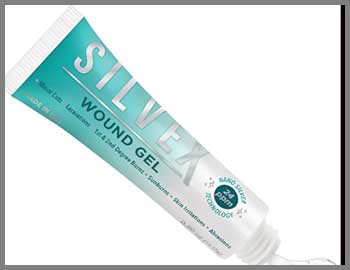
I stumbled upon Silvex Wound Gel during a frantic search for relief after a nasty kitchen mishap.
I was pulling a cast-iron skillet out of a 450-degree oven when my oven mitt slipped, and the edge of the pan seared the side of my thumb and palm.
If you have ever had a burn that throbs with every heartbeat, you know exactly the kind of pain I was in.
I ran it under cool water, but as soon as I stopped, the burning sensation returned with a vengeance.
I needed something stronger than the expired aloe vera gel sitting in the back of my medicine cabinet.I rushed to the pharmacy and saw Silvex. The packaging claimed it used “Nano Silver Technology” and could form a protective barrier for up to three days. I was skeptical about the “nano” buzzword, but I was desperate for anything that promised to stop the stinging and prevent infection. Unlike the thick, greasy antibiotic ointments I grew up with, this gel was clear and had a water-like consistency.
The moment I applied it to my burn, the relief was almost instantaneous. It didn’t sting at all—in fact, it felt incredibly cooling, almost like putting an ice pack on the wound but without the harsh freeze. I applied a generous layer as the instructions suggested and covered it with a sterile bandage.
What really surprised me was the healing process over the next few days. usually, my burns turn into angry, red blisters that peel and leave a mark for months. With Silvex, the redness subsided significantly by the next morning. When I changed the bandage after 24 hours, the wound looked clean and much calmer than I expected. There was no sticky residue clinging to the gauze, which made changing the dressing painless.
By day four, the skin had already started to knit back together smoothly. I didn’t experience that tight, itchy scabbing phase that usually drives me crazy. The gel seemed to keep the area perfectly hydrated, allowing the skin to heal from the inside out.
Now, looking at my hand a few weeks later, you can barely tell where the burn was. It convinced me that silver-based wound care isn’t just a gimmick; it is a legitimate upgrade from the standard petroleum-based options. It earned a permanent spot in my first aid kit because it simply works faster and feels better than anything else I have tried.
Read more: My Thoughts On Lansinoh Breast Pump
Pros Of Silvex Wound Gel
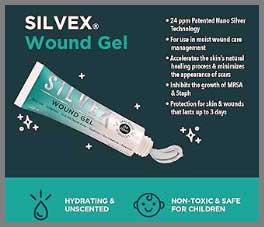
- Advanced Nano Silver Technology: The standout feature of Silvex is its use of 24 PPM (parts per million) patented nano silver. unlike traditional silver products that might be unstable or require high concentrations to work, this technology breaks down the silver into microscopic particles that can penetrate the cell walls of bacteria more effectively. I found this particularly reassuring because it is engineered to kill antibiotic-resistant bacteria like MRSA and VRE, as well as fungus and yeast. You are not just applying a barrier; you are actively neutralizing pathogens that common ointments might miss.
- Promotes Faster Natural Healing: One of the most significant benefits I noticed was the acceleration of the healing timeline. The gel creates an optimal moist wound healing environment, which medical professionals agree is better than letting a wound “dry out” and scab over. By keeping the area hydrated, Silvex prevents the formation of hard scabs that can crack and bleed, thereby allowing the skin cells to migrate and repair the damage much quicker. This rapid closure of the wound minimizes the exposure time to potential environmental contaminants.
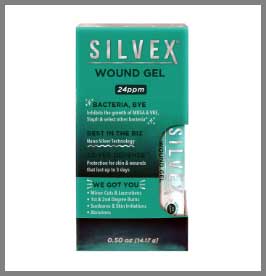
- Reduces Scarring: We all worry about unsightly marks left behind after an injury, and Silvex excels in this department. Because it prevents severe scabbing and inflammation, the new skin forms more evenly. In my personal use, the lack of a heavy scab meant the tissue remained flexible, and the resulting mark was faint to non-existent. For anyone prone to keloids or dark spots after an injury, using a gel that prioritizes minimizing scar tissue is a massive advantage over standard dry-healing methods.
- Protective Barrier For Up To 3 Days: The convenience factor here is huge. Silvex claims to provide a lasting protective barrier for up to three days. This is fantastic for areas that are hard to bandage or for people who hate the hassle of constantly reapplying ointment three times a day. Once the gel dries slightly, it forms a lattice-like shield on the skin that keeps out dirt and germs while still allowing the wound to breathe. I found this particularly useful for cuts on my fingers where bandages usually fall off within an hour.
- Non-Greasy And Cooling Application: Unlike petroleum-based antibiotic ointments that leave a sticky mess on your skin and clothes, Silvex is a water-based hydrogel. It absorbs somewhat but mostly sits as a clear, cooling layer. It feels soothing immediately upon contact, which is a godsend for burns or painful abrasions. It does not stain clothing or leave grease marks on your bedsheets, making it much cleaner to use during the day or night.
- No Stinging or Burning: A major pro for using this on children or anyone with sensitive skin is the lack of alcohol. Many antiseptics sting violently when applied to raw skin, which makes the experience traumatic. Silvex is incredibly gentle; it feels like cool water. This compliance factor is essential because if a product hurts to use, you are less likely to use it consistently, which opens the door for infection.
Cons Of Silvex Wound Gel
- Higher Price Point: When you compare Silvex to a generic tube of triple antibiotic ointment or a store-brand antiseptic cream, the price difference is noticeable. You are paying a premium for the nano silver technology and the advanced formulation. For a small 0.5 oz tube, the cost can be double or triple that of standard first-aid creams. If you are on a strict budget and just treating a very minor paper cut, you might find the cost difficult to justify compared to cheaper alternatives that still get the job done eventually.
- Availability Can Be Inconsistent: While you can find Silvex at major retailers and online, it is not as ubiquitous as big-name brands like Neosporin. I have walked into smaller pharmacies or grocery stores looking for it and come up empty-handed. If you have an immediate emergency and need wound care right this second, you might be forced to settle for whatever is on the shelf if Silvex isn’t stocked. It is often better to buy this online beforehand so you have it ready, rather than relying on finding it locally during a crisis.
- Texture Might Feel Too Thin: Because it is a water-based gel, it has a much thinner consistency than the thick, occlusive ointments many people are used to. If you are trying to cover a wound that is on a vertical part of your body (like a leg or arm), the gel can sometimes slide down before it sets. It doesn’t have that “sticky” tackiness that holds a bandage in place, so you definitely need to use adhesive tape or a quality bandage to keep the dressing secure over the gel.
- Limited Shelf Life After Opening: Like many sterile products, once you break the seal, the clock starts ticking. While silver is naturally antimicrobial and preserves the product well, the efficacy of the gel structure can degrade over time. Some users report that if the cap isn’t screwed on perfectly tight, the water content evaporates, leaving you with a gummy, unusable residue in the tube. You have to be diligent about closing the container to maintain the product’s integrity for future uses.
- Not A Painkiller: It is important to clarify that while Silvex is soothing due to its cooling nature, it does not contain a topical analgesic like lidocaine or pramoxine hydrochloride. If you have a deeply painful scrape or burn, Silvex will help heal it, but it won’t chemically numb the area. You might still feel throbbing pain shortly after application. If pain relief is your primary goal, you might need to take an oral pain reliever alongside using this gel, whereas some other creams include a numbing agent in the formula.
- Potential For “Ghosting” or Residue: While it is clear, as the gel dries, it can sometimes leave a flaky, silvery-white residue on the skin surrounding the wound. This isn’t harmful—it is just the silver particles and the gel matrix drying out—but it can look a bit odd, almost like dry skin. For visible areas like the face, this might be a cosmetic annoyance during the healing process, requiring you to gently wash it off before reapplying, which adds a step to your routine.
Maintenance Tips For Silvex Wound Gel
- Clean The Wound Thoroughly Before Application: Before you even unscrew the cap, you must ensure the injury site is free of debris. Silvex works best when it is in direct contact with the damaged tissue, not sitting on top of dirt or dried blood. Wash the area gently with mild soap and warm water, or use a saline solution. Pat it dry with a sterile gauze pad. Do not rub, as this can irritate the wound further. Applying the gel to a clean surface ensures the nano silver particles can immediately begin neutralizing bacteria and protecting the area.
- Apply A Generous Layer: Do not be stingy with the product. The goal is to create a moist environment, so you want to apply a thick enough layer that it covers the entire wound bed and slightly overlaps onto the healthy skin surrounding it. Think of it like icing a cake—you want a smooth, continuous layer. If you apply it too thinly, it may dry out too quickly and lose its effectiveness as a barrier. A good rule of thumb is to apply enough so that you can see a visible glaze over the injury.
- Cover To Maximize The 3-Day Protection: While Silvex can form a barrier on its own, I have found that covering it with a sterile bandage or non-stick gauze significantly improves the results. This prevents the gel from being rubbed off by clothing or bedding and keeps the moisture locked in. If you cover it properly, you can indeed leave the dressing alone for up to three days, as the silver keeps bacterial growth in check. However, if the bandage gets wet or dirty from the outside, you should change it immediately regardless of how long it has been.
- Reapply Daily For Uncovered Wounds: If you choose not to bandage the wound—perhaps it is on your face or a difficult joint—you will need to reapply the gel more frequently. Without a cover, the gel will eventually dry out or rub off. In this scenario, I recommend rinsing the area gently and reapplying a fresh layer at least once or twice a day. This ensures that the antimicrobial barrier remains intact and continues to fight off potential infections throughout the healing process.
- Store In A Cool, Dry Place: To maintain the stability of the nano silver particles and the consistency of the gel, proper storage is key. Do not leave the tube in a hot car or on a windowsill in direct sunlight. Extreme heat can alter the viscosity of the gel, making it runny. Keep it in your medicine cabinet or a first aid kit at room temperature. Also, ensure the cap is twisted on tight after every single use to prevent evaporation, which would turn your gel into a useless solid block inside the tube.
- Monitor For Signs Of Healing vs. Infection: While using Silvex, pay close attention to how the wound changes. You should see a reduction in redness and swelling within 24 to 48 hours. If the wound remains hot to the touch, starts oozing yellow or green pus, or if red streaks appear spreading from the injury, these are signs that the infection might be too deep for a topical gel alone. In such cases, stop relying solely on the gel and consult a doctor. Maintenance involves knowing when a product is working and when professional help is needed.
Read more: My Thoughts On Earth Mama Nipple Butter
Comparison with Other Brands
- Silvex vs. Neosporin (Triple Antibiotic Ointment): The most common comparison is against Neosporin. Neosporin uses three antibiotics (bacitracin, neomycin, and polymyxin B) in a petroleum jelly base. Antibiotic Resistance: Neosporin is effective against common bacteria, but it struggles with resistant strains like MRSA. Silvex’s nano silver mechanism physically destroys the cell membrane of bacteria, making it effective against superbugs and preventing resistance. Allergies: A significant number of people develop contact dermatitis (an allergic reaction) to neomycin found in Neosporin. Silvex is hypoallergenic and free from these common allergens, making it safer for sensitive skin. Texture: Neosporin is greasy and occlusive; Silvex is a water-based hydrogel that breathes better and doesn’t clog pores.
- Silvex vs. Curad Silver Solution: Curad also offers a silver-based wound gel, often utilizing silver chloride. Concentration: Silvex boasts a specific 24 PPM concentration of nano silver, which is engineered for stability and high bioavailability. While Curad is also effective, users often find Silvex’s formulation to be slightly more viscous and easier to apply without running. Versatility: Both products are excellent, but Silvex markets itself heavily on the “3-day barrier” claim, which implies a longer-lasting film formation than some competitors. If you are looking for extended protection between dressing changes, Silvex holds a slight edge in its formulation longevity.
- Silvex vs. Terrasil: Terrasil uses activated minerals and silver oxide. Consistency: Terrasil is often a thicker, paste-like ointment that can be quite heavy on the skin. Silvex is much lighter and clearer. Speed of Action: Terrasil is marketed for difficult-to-heal wounds and ulcers and can be very potent, but it is also significantly more expensive per ounce than Silvex. For general first aid (cuts, scrapes, burns), Silvex offers a better balance of price and performance. Staining: Terrasil can sometimes leave a darker residue due to the minerals; Silvex dries relatively clear, which is aesthetically preferred for everyday cuts.
- Silvex vs. Iodine (Betadine): Iodine is a classic antiseptic used for cleaning wounds. Tissue Damage: While Iodine kills bacteria instantly, it can also be harsh on healthy skin cells and actually slow down healing if used repeatedly. It dries out the skin. Silvex, on the other hand, promotes moist wound healing and is cytocompatible, meaning it doesn’t harm your healthy cells while it kills the bad bacteria. Pain: Iodine can sting on open wounds; Silvex is soothing and painless. Usage: Iodine is best for the initial clean, whereas Silvex is designed to be left on the wound for days to aid the repair process.
- Silvex vs. Hydrocolloid Bandages: Hydrocolloid bandages are sticky pads that absorb fluid. Mechanism: These bandages work by absorbing pus and creating a moist bubble over the wound. They do not typically contain an active antimicrobial agent. Silvex actively kills bacteria while providing moisture. Combination: You can actually use Silvex under a regular bandage to get the best of both worlds, whereas hydrocolloid bandages must be applied to dry skin to stick. If infection is a concern, Silvex is the superior choice because it actively fights the germs, whereas a hydrocolloid patch just traps them (though usually safely).
Frequently Asked Questions (FAQ)
Yes, it works effectively. Its active ingredient, nano silver, has been clinically proven to destroy the cell membranes of bacteria, yeast, and fungus. Many users, including myself, report faster healing times and reduced scarring compared to leaving a wound untreated or using standard ointments.
You can typically feel the cooling relief immediately upon application. Visually, you should notice a reduction in redness and inflammation within 24 hours. For minor cuts and burns, complete healing can often be seen in half the time it would take with a dry bandage, usually within 3 to 7 days depending on the severity of the wound.
Yes, Silvex is designed to be applied directly to minor open wounds, cuts, lacerations, and abrasions. It is water-based and non-stinging, making it safe for raw tissue. However, for deep puncture wounds or profuse bleeding, you should seek medical attention before applying any topical treatment.
While “best” is subjective, Silvex is a top contender for those seeking antimicrobial protection without antibiotics. It is superior to petroleum-based products for preventing scarring and treating potential resistant bacteria like MRSA. If you have a sulfa allergy or sensitive skin, Silvex (nano silver) is often better than Neosporin or Silvadene.
Conclusion
In conclusion, you should buy Silvex Wound Gel if you want a scientifically advanced, pain-free way to manage your family’s first aid needs. It bridges the gap between simple moisture and powerful infection control. The nano silver technology provides peace of mind against tough bacteria, and the reduction in scarring is a massive cosmetic bonus. It is a reliable, high-quality product that justifies its shelf space in every home medicine cabinet.