
If you are staring at a car that looks like it has a severe case of sunburn with peeling clear coat and fading paint, you might be desperate for a fix that doesn’t cost thousands at a body shop. I was in that exact boat. Should you buy Shiny Car Stuff?
If you have an older vehicle with oxidized clear coat and want a significant cosmetic improvement for a low price, yes, it is worth a shot. However, if you are looking for a permanent fix or a high-end ceramic shield for a new car, this is not for you.
My Experience With Shiny Car Stuff
I stumbled upon Shiny Car Stuff during a late-night doom scroll, looking for anything that could save the hood of my 2012 daily commuter. The car runs great, but the roof and hood looked like they had been scrubbed with sandpaper. The clear coat was failing, leaving those ugly, chalky white patches that scream “neglect.” I wasn’t about to pay for a respray that would cost more than the car is worth, so the promise of a “wipe-on” restoration caught my eye.
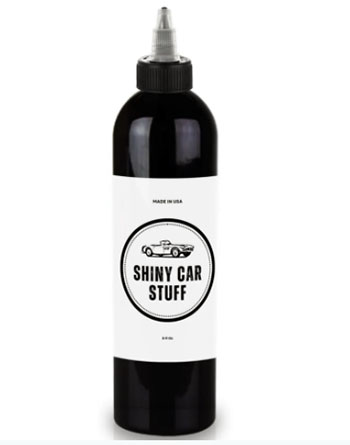
When the bottle arrived, I was honestly a bit skeptical.
The packaging is simple, and the liquid itself doesn’t look like much.
I decided to test it on a Saturday morning.
I started by washing the car thoroughly.
I didn’t just run it through a drive-thru; I hand-washed it with a stripping soap to remove any old wax or grease.
This step is absolutely critical because any oil left on the paint will stop the product from bonding.
I even went the extra mile and used a clay bar, which pulled out contaminants I couldn’t even see.
Applying the product felt weirdly similar to applying a stain to wood.
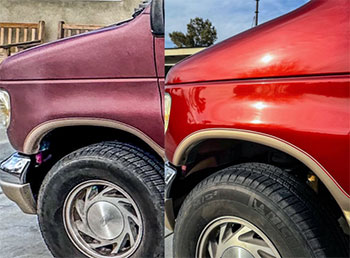
I folded the shop towel as instructed—do not use a microfiber for the application itself, or it soaks up too much product—and poured a generous amount onto the cloth. I started on the front fender. The moment the liquid touched the oxidized paint, the transformation was instant. It was almost jarring. The chalky whiteness vanished, replaced by a deep, wet-looking gloss. It looked exactly like the paint does when you spray it with a hose, but it didn’t dry back to white.
However, the application process requires focus. You have to keep a “wet edge,” meaning you overlap your strokes while the previous pass is still wet. I made the mistake of answering a text message halfway through the hood. When I went back to finish, the product had already started to tacky up, and I ended up with a visible streak where the wet and dry sections met. I had to frantically work to blend it out, which was stressful. You really have to commit once you start a panel.
The smell was another thing—it has a chemical solvent scent, so definitely do this outdoors or in a well-ventilated garage. After I finished the car, I stood back and was genuinely impressed. From ten feet away, the car looked five years newer. The peeling edges were less visible, and the deep color had returned to the faded plastic trim as well.
The curing time is the hardest part. You cannot let it get wet for at least 24 hours. I spent the next day nervously checking the weather app, praying it wouldn’t rain. When it finally cured, the finish was hard and slick. It’s not a perfect “factory new” finish—if you get really close, you can still see the texture of the damaged clear coat underneath—but the cosmetic improvement is undeniable. It turned a car I was embarrassed to park in the driveway into one that looks respectable again. It’s a band-aid, sure, but it’s a very good-looking band-aid.
Read More: Comparison Of Carfax And CarGurus
Pros Of Shiny Car Stuff
- Incredible Cosmetic Restoration For Older Vehicles: The biggest advantage of this product is its ability to visually reverse the clock on neglected paint. If you have a vehicle where the clear coat is turning white or “chalky” from oxidation, this product soaks into that porous layer and restores the optical clarity. It creates a “wet look” that stays permanent after curing. Unlike wax, which sits on top and might hide scratches for a week, this penetrates the surface. For anyone trying to sell a used car or just improve the look of a daily beater without spending $2,000 on a paint job, the visual difference is night and day. It turns a “beater” into a “driver” almost instantly.
- Versatility Across Different Surfaces: While it is marketed primarily for paint, I found it works exceptionally well on other exterior surfaces that suffer from sun damage. It restored the deep black color to my faded plastic trim, bumpers, and even the windshield wiper arms. Usually, you need a separate “trim restorer” for plastics and a wax for paint, but this product handles both. It also worked surprisingly well on my headlight lenses. They were starting to get that yellow, foggy haze, and while it didn’t fix them perfectly like a sanding kit would, it significantly improved their clarity and shine, making the whole front end look sharper.
- Cost-Effective Alternative To Repainting: The economics of this product are its strongest selling point. A professional respray or even a spot repair on a hood and roof can easily run into the hundreds or thousands of dollars. A bottle of Shiny Car Stuff costs a fraction of that. Even if you factor in the cost of prep materials like soap, a clay bar, and shop towels, you are still saving a massive amount of money. For a car that is fully depreciated, spending big money on paint makes no financial sense. This product bridges the gap, allowing you to maintain pride of ownership on a budget.
- Hardens To A Durable Shell: Unlike a detail spray or a traditional carnauba wax that washes off after a few rainstorms, this product cures into a hard physical layer. Once it has fully cured (after the 24-48 hour window), it provides a tangible layer of protection. It sheds water decently well and offers a barrier against bird droppings and tree sap, which are usually the culprits that destroy clear coat in the first place. This hardening aspect makes it feel more like a permanent modification to the paint rather than just a temporary dressing.
- Straightforward Application Process: While you need to be careful, the actual mechanics of applying the product are simple. You do not need a rotary buffer, dual-action polisher, or any expensive power tools. It is a wipe-on product. This lowers the barrier to entry significantly for the average car owner who doesn’t own a garage full of detailing equipment. If you can wipe a table with a damp cloth, you possess the mechanical skill required to apply this product. The instructions are clear, and as long as you prep well, the product does the heavy lifting.
Cons Of Shiny Car Stuff
- It Is Not A Permanent Fix For Peeling: It is crucial to manage expectations regarding what this product actually does. It does not “repair” peeling clear coat in the sense that it bonds the peeling flakes back to the base coat. If your clear coat is flaking off like dead skin, this product will make it look better by darkening the edges and filling the gaps, but the physical texture will remain. You will still feel the ridges of the peel if you run your hand over it. It is strictly a cosmetic enhancement, not a structural repair. Eventually, the underlying clear coat may continue to degrade beneath the product.
- Extremely Sensitive To Moisture During Curing: The curing window is the product’s Achilles’ heel. You absolutely cannot let the car get wet for at least 24 hours, and preferably 48 hours, after application. This includes rain, morning dew, and even high humidity. If moisture touches the surface before it has fully cured, it will cloud up, turn white, or create spots that are incredibly difficult to remove. This makes it very hard to use if you do not have a garage or a covered carport. For someone living in an apartment complex or a rainy climate, finding a two-day window of perfectly dry weather can be a logistical nightmare.
- Risk Of Streaking And High Spots: As I mentioned in my experience, the product dries relatively quickly. You have a short working time to spread it evenly. If you overlap a section that has already started to “flash” (dry), you will create a darker streak or a high spot. Unlike wax, which buffs off easily if you apply too much, this stuff cures hard. If you mess up and leave a high spot, you can’t just wipe it off with a towel 20 minutes later. You might have to use a solvent or even wet-sand it off to correct the mistake. This adds a layer of stress to the application process that isn’t present with beginner-friendly waxes.
- Requires Immaculate Preparation: The results you get are 100% dependent on how well you clean the car beforehand. You cannot simply wash the car and slap this on. You must remove every ounce of road tar, tree sap, old wax, and grease. If you miss a spot of oil, the product will fish-eye (separate into little craters) or fail to bond, leading to peeling later on. This prep work is labor-intensive and takes far longer than the actual application of the product. Many negative reviews likely stem from users who skipped the decontamination step and blamed the product for their poor prep.
- Strong Chemical Odor And Safety Concerns: The product has a very potent solvent smell. It is not water-based like some modern ceramic sprays. You absolutely need to wear nitrile gloves during application because it will dry out your skin and is difficult to scrub off your hands. Additionally, the fumes can be overpowering if you are working in an enclosed space. You need to ensure you have plenty of airflow, which can be tricky if you are also trying to keep dust and debris off the drying surface. It feels more like working with an industrial chemical than a consumer car care product.
Maintenance Tips For Shiny Car Stuff
- The Crucial Curing Period: The first 48 hours are the most critical time for the longevity of the finish. During this time, the polymers are cross-linking and hardening. Do not touch the paint. Do not test the slickness with your finger. Do not wash the car. If you notice a bird dropping lands on it during this window, try to gently blot it up with a damp cloth without rubbing. If you can, keep the car garaged. If you must park outside, try to park away from trees or sprinklers. The patience you show in these first two days will dictate how long the shine lasts.
- Hand Washing Is Mandatory: Once the product has cured, you need to change your washing habits. Do not take your vehicle through automatic car washes, especially the ones with stiff bristle brushes. These machines are aggressive and can scratch the coating, dulling the shine you just worked so hard to achieve. Even “touchless” car washes use extremely harsh, high-pH acidic soaps to strip dirt without scrubbing. These harsh chemicals can break down the coating prematurely. The best way to maintain the finish is to hand wash the vehicle using a pH-neutral car shampoo and a soft microfiber mitt.
- Using A Booster Spray: To extend the life of the coating, consider using a ceramic detail spray or a spray wax as a “topper” after every wash. Think of Shiny Car Stuff as your base layer. By applying a sacrificial layer of spray wax on top of it, you are taking the abuse from the sun and rain off the base coating. This simple step can extend the lifespan of the application by months. Look for products containing SiO2 (silicon dioxide) as they tend to bond well with hardened coatings and add an extra pop of slickness and hydrophobicity.
- Watch For Signs Of Wear: You will know it is time to reapply when the water behavior changes. Initially, water will bead up tight and roll off the surface. Over time, as the coating wears down, the water will start to “sheet” or pool flat on the surface. Visually, the chalky white oxidation might start to peek through again. Because Shiny Car Stuff is layerable, you don’t necessarily need to strip the whole car to refresh it. You can do a thorough wash and decontamination wipe-down, then apply a fresh coat right over the top to rejuvenate the shine.
- Avoid Abrasive Polishes: If you get a scratch on the coated surface, be very careful about using rubbing compounds or polishes. These abrasive liquids are designed to cut clear coat. Since Shiny Car Stuff sits on top of your damaged clear coat, using a compound will likely strip the product off entirely, revealing the ugly oxidation underneath again. If you have a stubborn stain or mark, try using a gentle cleaner wax or a dedicated chemical cleaner rather than reaching for the heavy-cut compound. Treat the coating with care, and it will keep your car looking fresh.
Comparison With Other Brands
Comparison With F11 Top Coat
F11 Top Coat acts as a completely different animal compared to Shiny Car Stuff. F11 markets itself as a multi-purpose sealer and “wax replacement” that you can use on everything, but it is water-based. It is designed for newer cars or cars that already have decent paint, adding slickness and a temporary shine. It does not have the heavy filling capabilities required to mask oxidized clear coat. If you put F11 on a car with peeling clear coat, it will make it shiny for a week, but the white chalkiness will remain visible. Shiny Car Stuff is a solvent-based restorative coating that actually saturates the dead paint. F11 is easier to use and safer to breathe, but it lacks the restoration power for damaged vehicles.
Comparison With Chemical Guys (Ceramic/Wax Products)
Chemical Guys offers a massive ecosystem of products, but their core offering usually involves traditional waxes, sealants, and ceramic sprays. A product like their “HydroSlick” is a ceramic hyperwax that offers great protection, but again, it requires good paint underneath to work well. If you apply a Chemical Guys ceramic coating to peeling clear coat, you are essentially sealing in the ugliness. Shiny Car Stuff is unique because it is chemically designed to penetrate and hide the damage. However, Chemical Guys products are generally much more user-friendly, smell better, and are less finicky about the curing process. If your paint is in good condition, stick with Chemical Guys. If your paint is dead, Shiny Car Stuff is the better option.
Comparison With Cerakote Trim Coat
Interestingly, Shiny Car Stuff shares more DNA with ceramic trim restorers like Cerakote than it does with car wax. Cerakote is famous for restoring faded grey plastic back to black. Shiny Car Stuff does this too, but on a larger scale for the whole car. Cerakote is generally more durable for plastics specifically, often lasting 200 washes. Shiny Car Stuff is a broader solution. If you only need to fix your plastic bumpers, Cerakote is the superior, specialized tool. But you cannot use Cerakote Trim Coat on your paint; it will leave a streaky mess. Shiny Car Stuff offers the utility of a trim restorer that can also be applied to paint, making it a more “all-in-one” solution for a beat-up car.
Comparison With Poppy’s Patina
Poppy’s Patina is a product well-known in the classic car and “rat rod” community. It is a wipe-on clear coat designed to preserve the look of rusted, weathered metal without letting it rust further. Shiny Car Stuff is very similar in application and effect. Both are wipe-on, self-leveling clear coats. However, Poppy’s is often used to keep the rugged look, whereas Shiny Car Stuff is used to gloss up the look. Poppy’s tends to be more industrial and is often sold in larger quantities for full trucks. Shiny Car Stuff is more consumer-packaged for the average suburban car owner looking to fix a daily driver. They utilize similar chemistry, but target different audiences.
Also Read: Comparison Of Oil Can Henry’s And Jiffy Lube
Frequently Asked Questions (FAQ)
The longevity varies heavily based on how the car is stored and maintained. On a garaged car that is hand-washed, users report it lasting anywhere from 6 to 12 months. However, for a car parked outside in the sun and rain 24/7, you might start seeing the finish degrade after 3 to 4 months. It is not a “apply once and forget forever” product; it requires maintenance and reapplication to keep the oxidized look at bay.
Opinions on Reddit are split but lean towards “realistic optimism.” Most users on r/AutoDetailing agree that it works well for its specific purpose: making a bad car look decent for cheap. The criticism usually comes from professional detailers who dislike that it’s a temporary “mask” rather than a proper paint correction. However, for regular people trying to save an old Honda or Toyota from looking like a scrapyard candidate, the consensus is that it works as advertised, provided you follow the prep instructions.
Yes, but with a caveat. It works to hide the visual ugliness of the peeling. It wets the white, flaky edges of the peel, making them transparent and glossy so they blend in with the base coat. It does not, however, glue the clear coat back down. The texture of the peel will still be there, and eventually, the clear coat may continue to flake off. It is a cosmetic camouflage, not a structural repair.
“Best” depends entirely on your paint’s condition. If your car is new or has healthy paint, the best product is a high-quality Ceramic Coating (like CarPro or Gtechniq) or a good Carnauba Wax for depth. If your car has damaged, oxidized, or fading clear coat, “Shiny Car Stuff” or similar wipe-on clear coat restorers are the “best” option because traditional waxes and ceramics will not hide the damage effectively.
Conclusion
Shiny Car Stuff is a specific tool for a specific problem. It is not a magic wand that replaces a professional paint job, but it is the absolute best DIY solution for reviving the look of tired, sun-damaged daily drivers. If you want to fall in love with your old car again without emptying your bank account, grab a bottle, prep your paint well, and enjoy the shine.