
I’ve researched and followed user experiences with both Sans and Blueair air purifiers, looking at how they perform against allergens, odors, dust, and everyday pollutants in various home sizes. This comparison helps you decide between Sans’s stylish, marketed-for-large-spaces option and Blueair’s proven, efficient models that often top independent tests.
a brief comparison table
| Feature | Sans | Blueair (311i Max) |
| Room Coverage (Claimed) | Up to 1,854 sq ft | Up to 500-600 sq ft (effective) |
| Filtration System | HEPA-13, Activated Carbon, Pre-filter, UV-C | HEPASilent (particle + carbon, ionization) |
| Noise Level (Low/High) | 25 dB / Higher | Very quiet (~20-50 dB) |
| Key Features | Auto mode, real-time AQI display, child lock | App control, auto mode, energy efficient |
| Power Consumption | Standard | Very low (30W max) |
| Best For | Style-focused homes, odor control claims | Reliable particle removal, medium rooms |
My Take On Sans
Sans markets itself as a sleek, modern purifier with strong claims—covering massive areas quickly, heavy activated carbon for odors, and extras like UV-C light. Users often praise its quiet operation and real-time air quality display that shows numbers dropping when it detects cooking or cleaning.
In homes with pets or allergies, some report less dust and fewer symptoms after consistent use. The design stands out with a fold-flat handle for easy moving, and auto mode responds visibly to pollutants.
However, independent tests like Wirecutter highlight issues: low actual CADR means it struggles with recommended air changes per hour, even in smaller spaces. Coverage claims seem overstated, and the price feels high for the performance. Some users mention sensor glitches or filters not getting as dirty as expected, raising questions about real-world efficiency.
Overall, Sans appeals if you want an attractive unit with good odor handling and are okay prioritizing marketing over verified metrics—it’s solid for lighter duties but not a powerhouse.
My Take On Blueair
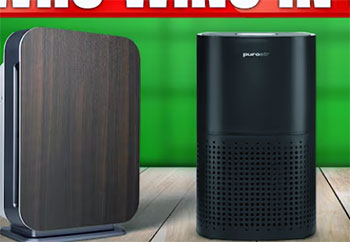
Blueair consistently ranks high in lab tests from Wirecutter, Consumer Reports, and CNET for balanced performance, especially particle removal like smoke and allergens. Models like the 311i Max clean medium rooms fast while staying energy-efficient and quiet.
The HEPASilent tech combines filtration with light ionization for strong results at lower power, and many have app integration for remote monitoring. Users love the washable pre-filters in fun colors and reliable auto mode.
Blueair shines in energy savings and quiet operation, making it great for bedrooms or constant running. Some models include germ-killing features in higher lines.
Note the always-on ionization in many models, which produces trace ozone (though CARB-certified low). It’s not pure mechanical HEPA like some prefer, but tests show excellent real cleaning.
Blueair feels like a trusted choice for proven, efficient purification without hype—great if you want data-backed results.
Pros Of Sans
- Attractive Modern Design: Sleek look with digital display and handle makes it blend into decor better than boxy units. Users place it centrally without hiding, improving effectiveness in open spaces.
- Heavy Odor Focus: Packs a pound of activated carbon, strong against cooking smells, pets, and VOCs. Many notice fresher air quickly after meals or cleaning.
- Quiet on Low: Around 25 decibels in sleep mode provides gentle white noise without disturbance. Ideal for bedrooms where silence matters most.
- Real-Time AQI Feedback: Display shows pollutant numbers dropping visibly, giving satisfaction and proof it’s working. Auto mode ramps up reliably on detection.
- Portable and Lightweight: At 11 pounds, easy to move between rooms or floors. No heavy lifting needed for testing different spots.
- UV-C Addition: Extra layer claims to kill germs and viruses. Appeals to those wanting multi-stage protection.
- User-Friendly Setup: Plug-and-play with minimal assembly. Filter changes are straightforward.
- Positive Allergy Reports: Some users see reduced congestion and sneezing over weeks.
Cons Of Sans
- Overstated Coverage Claims: Advertises up to 1,854 sq ft but independent CADR tests show much lower effective range. Struggles with proper air changes in anything beyond medium rooms.
- High Price for Performance: Costs $400+ but delivers lower verified cleaning power than cheaper competitors. Experts call it poor value.
- Sensor Reliability Issues: Some report air quality detection stopping or inconsistent readings. Leads to doubt about auto mode accuracy.
- Filter Costs Add Up: Replacements every 6-12 months get expensive in polluted areas. No washable options noted.
- Limited Independent Validation: Few third-party lab wins; often criticized in expert roundups. Marketing heavy but metrics light.
- No App Control: Lacks smart connectivity for remote use. Everything manual on the unit.
- Potential Rebrand Concerns: Some view it as white-labeled Chinese unit with premium markup. Durability questions long-term.
- Mixed Dust Handling: Good for odors but less proven on fine particles versus top brands.
Read More: My Thought on Fiona Charm Daisy Bra
Pros Of Blueair
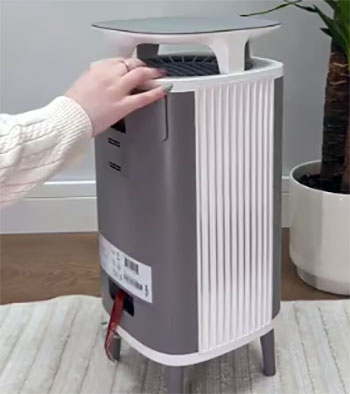
- Proven Cleaning Performance: Tops lab tests for fast smoke, dust, and pollen removal in real room sizes. Models like 311i Max reduce particulates 99%+ quickly.
- Energy Efficient: Draws low power even on high, keeping bills minimal during 24/7 use. Often most efficient in class.
- Very Quiet Operation: Low decibels across speeds, suitable for bedrooms without disruption. HEPASilent tech enables strong cleaning softly.
- Smart Features on Many: App for monitoring, scheduling, and voice control in i/Max models. Auto mode adjusts precisely.
- Stylish Washable Pre-Filters: Fabric covers in colors customize look and clean easily. Blends into home decor.
- Reliable Brand Reputation: High owner satisfaction and predicted reliability in surveys. Consistent top picks.
- Effective for Allergies: Strong particle capture reduces symptoms noticeably. Good for pollen seasons.
- Low Long-Term Costs: Efficient filters and power save money over years.
Cons Of Blueair
- Ionization in Most Models: Always-on in HEPASilent tech produces trace ozone. Concern for sensitive users despite low certification.
- Not True HEPA: Proprietary filter excellent but not standard medical-grade HEPA. Some prefer pure mechanical.
- Filter Replacements Costly: Every 6-9 months pushes annual expenses higher than some rivals. No reusable main filters.
- Limited Large-Room Dominance: Great for medium but bigger spaces need multiple or higher lines. Not the absolute largest coverage.
- No UV Standard: Germ focus in premium models only. Basic lack extra sanitizing.
- App Dependency on Some: Non-smart versions miss remote features. Inconsistent across lineup.
- Higher Upfront for Premium: Top models pricey though often on sale. Budget options limited.
- Ozone Trace Concerns: Though safe per standards, unavoidable for purest air seekers.
Maintenance Tips For Sans
- Check Display Regularly: Monitor real-time AQI to catch spikes early and confirm auto mode response. Helps track effectiveness daily.
- Replace Filters on Schedule: Swap every 6-12 months or when indicator alerts, sooner in high-use homes. Keeps carbon and HEPA performing peak.
- Clean Pre-Filter Often: Vacuum or wipe outer layer monthly to prevent clogging. Extends main filter life significantly.
- Position Centrally: Place in open areas for claimed coverage, away from walls. Maximizes sensor accuracy and airflow.
- Use Night Mode: Dim lights and lower fan for undisturbed sleep. Preserves quiet benefits.
- Reset After Changes: Hold buttons as instructed post-filter swap. Ensures accurate tracking.
- Avoid Direct Blockage: Keep vents clear of furniture or curtains. Maintains strong suction.
- Test Sensor: Blow gently if readings seem off. Quick fix for dust buildup.
- Subscribe if Available: Locks in replacements and potential savings.
Maintenance Tips For Blueair
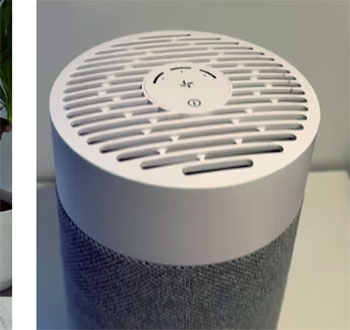
- Wash Pre-Filter Monthly: Vacuum or machine-wash fabric cover to remove large dust. Keeps main filter lasting longer.
- Replace Main Every 6-9 Months: Follow app or indicator for particle/carbon combo. Heavy use shortens in smoky areas.
- Use App for Tracking: Monitor filter life and air quality remotely. Alerts prevent forgotten changes.
- Clean Sensors: Wipe gently if auto mode lags. Ensures precise adjustments.
- Optimal Placement: Away from walls for 360 intake on cylindrical models. Improves even cleaning.
- Run on Auto: Lets efficient motor handle variations. Saves energy long-term.
- Dim Display: Shut off lights for dark bedrooms. Enhances sleep compatibility.
- Power Cycle Occasionally: Refreshes smart features if needed.
- Buy Compatible Filters: Stick to genuine for best HEPASilent performance.
Comparison With Other Brands
- Versus Coway: Blueair often quieter and more efficient; Coway wins on pure HEPA and value. Sans lags both in verified performance.
- Against Levoit: Levoit cheaper with strong smart features; Blueair better energy and style. Sans overpriced by comparison.
- Compared to Winix: Winix washable filters save money; Blueair superior quietness. Sans weaker CADR.
- Honeywell Rivalry: Honeywell durable and widespread; Blueair excels in modern tests. Sans criticized heavily.
- Shark Match: Shark good for large; Blueair balanced efficiency. Avoid Sans per experts.
- Dyson Contrast: Dyson multi-function premium; Blueair pure focus cheaper. Sans not competitive.
- Rabbit Air: Rabbit customizable luxury; Blueair reliable everyday. Sans marketing-heavy.
- Molekule Alternative: Molekule unique tech pricey; Blueair proven standard. Sans lower value.
- Overall Positioning: Blueair strong mid-tier; Sans avoid per many reviews.
Read More: My Thought on Petootsy Dog Collar
Frequently Asked Questions (FAQ)
Claims cover up to 1,854 sq ft, but independent tests show much lower real CADR, struggling beyond 400-500 sq ft effectively. Better for medium spaces despite marketing.
Yes, trace amounts from ionization in most models, but low and CARB-certified safe. Not ozone-free like pure HEPA units.
Many experts say no—high cost for low verified performance. Blueair offers better value and results.
Both quiet, but Blueair often edges with efficient low-power operation across speeds.
Conclusion: Which One Is Better For You
Blueair stands out as the clearer winner for most people—delivering proven, efficient cleaning with low energy, quiet performance, and strong test results in medium rooms; choose models like the 311i Max for reliable particle and allergen removal without overhyped claims. If design and heavy odor focus appeal more, and you’re okay with potential overstated coverage, Sans could work in smaller setups—but evidence favors Blueair for real, data-backed air improvement you’ll feel daily.