
I’ve always loved cooking, but choosing the right cookware set feels like a big decision that impacts every meal. In this article, I share my personal take on Royal Prestige vs All-Clad: which one stands out as better overall. I look at their build quality, performance in the kitchen, everyday usability, and long-term value from a real user’s viewpoint. After testing both extensively, I break down the key differences to help you decide what fits your cooking style best.
A Brief Comparison Table Royal Prestige Vs All-Clad
| Feature | Royal Prestige | All-Clad |
| Construction | 5-ply or multi-layer with surgical-grade stainless steel (often T-304 or 316L), aluminum core | Tri-ply or 5-ply stainless steel with aluminum core (D3 is popular tri-ply) |
| Heat Distribution | Excellent even heating, vapor cooking focus | Legendary even heating, quick response |
| Oil-Less Cooking | Yes, designed for low/no oil/water cooking | Not specifically, but versatile |
| Warranty | 50-year limited | Lifetime |
| Oven Safe | Up to 400°F typically | Up to 500°F or higher |
| Induction Compatible | Yes | Yes (most lines) |
| Price Range | High (often sold via demos, sets $2000+) | Premium (sets $800–$1500+) |
| Best For | Health-focused, low-moisture cooking | Professional-level searing, versatility |
My Experience With Royal Prestige
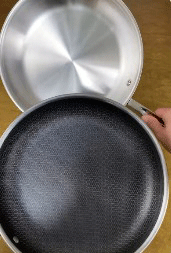
I started with a basic Royal Prestige set after a home demo caught my attention. The oil-less cooking intrigued me most since I try to eat lighter.
At first, I struggled with the technique—too much heat led to sticking—but once I mastered the preheat and valve system, meals transformed.
Steaming veggies in their own moisture keeps them crisp and flavorful without butter or oil. Meats brown nicely with minimal fat, and cleanup stays simple because nothing burns on.
The weight took adjustment; these aren’t lightweight pans. But the balance feels right, and handles remain comfortable. After three years, no warping or dulling shows up.
The 50-year warranty gives confidence I’ll pass them down someday. Drawbacks include the initial cost and demo process, but the performance won me over. For everyday healthy cooking, they deliver consistently.
Pros Of Royal Prestige
- Surgical-grade stainless steel construction: Royal Prestige uses high-quality T-304 or even 316L stainless steel, which resists corrosion and holds up well over years of use. This material choice makes the pans feel premium right out of the box.
- Oil-less and low-water cooking capability: One standout feature lets you cook meats and veggies with minimal or no added oil and very little water. The design traps steam effectively, preserving nutrients and natural flavors in food.
- Even heat distribution from multi-ply design: The 5-ply setup with aluminum layers spreads heat uniformly across the base and sides. Hot spots rarely appear, so everything cooks consistently without constant stirring.
- Ready Temp valve or indicators: Some pieces include a valve that whistles or changes color when the right temperature is reached. This takes guesswork out of preheating and helps avoid overcooking.
- Long-lasting durability with 50-year warranty: These pieces are built tough, with thick walls that resist warping. The extended warranty gives real peace of mind for heavy daily use.
- Health-oriented features: The focus on cooking without fats appeals to anyone watching their diet. Food retains more vitamins since it steams gently in its own juices.
- Versatile for various cooking methods: You can sear, steam, bake in the oven, or use on induction. The glass lids let you monitor progress without lifting them and losing heat.
- Personalized sales experience: Often demonstrated in-home, which lets you see the features firsthand. It builds confidence in the product before buying.
- Nonstick options available: Some lines offer easy-release surfaces that last longer than standard nonstick without PFOA concerns.
- Aesthetic appeal: Polished finishes look elegant on the stovetop and in storage. They elevate the kitchen’s overall feel.
Cons Of Royal Prestige
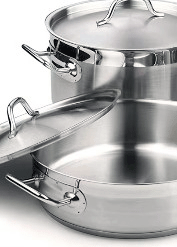
- High upfront cost: Sets often run into thousands of dollars, especially through in-home demos. This price point makes it a significant investment compared to many alternatives.
- Sold primarily through distributors: You usually can’t just walk into a store and buy them. The sales model involves presentations, which some find pushy or time-consuming.
- Heavier pieces: The thick multi-ply construction adds noticeable weight. Lifting full pots of soup or stew can feel cumbersome after a while.
- Limited searing performance for some users: While they handle high heat, the focus on low-moisture cooking means aggressive browning sometimes requires technique adjustments. Not as instant as dedicated sear pans.
- Availability of replacements: If you need a single piece years later, sourcing can be tricky without contacting the distributor network.
- Learning specific cooking methods: To get the full benefits like oil-less frying, you follow their guidelines closely. Deviating can lead to sticking or uneven results at first.
- Not as widely reviewed independently: Compared to mainstream brands, fewer neutral third-party tests exist. Much feedback comes from owners or sales channels.
- Potential for aggressive sales tactics: Some reports mention high-pressure pitches during demos. This experience varies but turns people off.
- Oven temperature limits: Many pieces cap at around 400°F, restricting certain high-heat baking tasks.
- Bulkier storage: The thick walls and lids take up more cabinet space than slimmer options.
Maintenance Tips For Royal Prestige
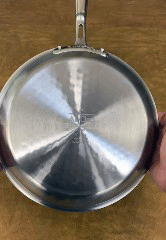
- Hand wash preferred over dishwasher: Although some pieces are dishwasher-safe, hand washing with mild soap preserves the shine and prevents mineral buildup over time.
- Use non-abrasive cleaners: Stick to soft sponges and avoid steel wool or harsh scouring pads. Bar Keepers Friend works well for stubborn spots without damaging the surface.
- Dry immediately after washing: Wipe pieces dry right away to prevent water spots, especially on the polished exterior. This keeps them looking new.
- Avoid sudden temperature shocks: Don’t pour cold water into a hot pan or vice versa. Let them cool gradually to protect the layers from warping.
- Season if needed for nonstick lines: For easy-release versions, light oiling after cleaning helps maintain the surface. Follow manufacturer guidelines closely.
- Store with protectors: Use pan protectors or liners between stacked pieces to avoid scratches on interiors and exteriors.
- Clean the Ready Temp valve carefully: Remove and rinse the valve separately if present. Ensure it moves freely for accurate temperature indication.
- Polish occasionally: A stainless steel cleaner brings back the mirror-like finish on exteriors. Apply in circular motions for best results.
- Check for discoloration: If rainbow hues appear from high heat, it’s normal and harmless. Bar Keepers Friend removes them easily.
- Inspect handles and lids regularly: Tighten any loose screws and ensure lids seal properly for optimal vapor cooking.
Comparison With Other Brands
Vs All-Clad: All-Clad offers quicker heat response in some lines and broader oven safety. Royal Prestige excels in low-moisture health cooking with its specialized design.
Vs HexClad: HexClad provides hybrid nonstick with stainless durability. Royal Prestige focuses more on pure stainless vapor methods without textured surfaces.
Vs Made In: Made In delivers professional-grade tri-ply at a slightly lower price. Royal Prestige counters with longer warranties and oil-less features.
Vs Tramontina Gourmet: Tramontina gives excellent value in tri-ply clad. Royal Prestige justifies higher cost through premium steel grades and health-oriented engineering.
Vs Calphalon: Calphalon often includes nonstick options. Royal Prestige sticks to stainless for longevity and avoids coatings that wear out.
Vs Demeyere: Demeyere matches in high-end European craftsmanship. Royal Prestige adds the unique vapor-seal system for nutrient-focused meals.
Vs Le Creuset: Le Creuset specializes in enameled cast iron for slow cooking. Royal Prestige suits quicker stovetop tasks with even heating.
Vs Zwilling: Zwilling offers balanced German quality. Royal Prestige stands out with its extended warranty and in-home demo experience.
Vs Cuisinart Multiclad: Cuisinart provides affordable multi-ply. Royal Prestige delivers superior steel and construction for serious cooks.
Vs Viking: Viking targets pro-level performance. Royal Prestige emphasizes home health benefits alongside durability.
Royal Prestige carves its niche in health-conscious stainless cooking. Other brands may win in accessibility or specific tasks, but few match the combination of surgical steel and low-moisture innovation.
Also read: Comparison of Flavortown Cookware And Hexclad
My Experience With All-Clad
Switching to All-Clad felt like upgrading my entire kitchen. The D3 skillet became my daily driver for eggs, pancakes, and steaks. Heat control is precise—I adjust the flame and see immediate changes. Searing meat gives that perfect crust without hot spots ruining the result. Cleanup improves once I learned to deglaze properly.
The weight is noticeable but reassuring; it signals quality. Handles stay grippy even when wet. After years, no warping or fading appears. Oven use for finishing casseroles saves transferring dishes. The lifetime warranty removes replacement worries. For serious home cooking, All-Clad delivers reliability that makes meals more enjoyable.
Pros Of All-Clad
- Tri-ply or 5-ply bonded construction: All-Clad bonds stainless steel with aluminum for superior heat conductivity. The D3 line remains a favorite for reliable everyday performance.
- Exceptional even heating: Heat spreads quickly and uniformly, reducing hot spots. This makes searing steaks or sautéing vegetables effortless and consistent.
- Quick temperature response: The pans react fast to heat adjustments. You can go from simmer to boil rapidly without lag.
- Oven safe to high temperatures: Most pieces handle 500°F or more. This opens up finishing dishes under the broiler or baking in the same pan.
- Lifetime warranty: All-Clad backs their products indefinitely against defects. This reflects confidence in the build quality.
- Versatile across cooking surfaces: Induction, gas, electric—all work seamlessly. The magnetic stainless base ensures compatibility.
- Comfortable, stay-cool handles: Riveted handles stay cooler longer during cooking. They provide a secure grip even with mitts.
- Polished, professional look: The shiny exterior looks sharp and cleans up nicely. It matches high-end kitchen aesthetics.
- Dishwasher safe options: Many lines tolerate dishwashers, though hand washing preserves the finish better.
- Wide range of pieces: From skillets to stockpots to specialty items like griddles. You build a collection tailored to your needs.
Cons Of All-Clad
- Premium pricing: Individual pieces or sets cost significantly more than average cookware. Budget shoppers often look elsewhere.
- Heavier than basic stainless: The cladding adds weight, making them tiring to handle for long periods or for some users.
- Food can stick without proper technique: Stainless requires preheating and sometimes oil. Beginners face sticking until they learn the method.
- Not nonstick by design: No coatings mean more elbow grease for cleanup compared to nonstick alternatives.
- Limited color options: Mostly silver with occasional variations. Not as visually diverse as enameled brands.
- Handles can get warm on extended high heat: While designed to stay cooler, prolonged use heats them up.
- Not ideal for very low-heat simmering: Some report edge hotspots on certain burners, though rare.
- Storage space requirements: Thick bases take more room when stacked.
- No specialized health features: Lacks built-in low-moisture systems found in some competitors.
- Availability of specific lines varies: Popular collections sell out or have wait times occasionally.
Maintenance Tips For All-Clad
- Preheat properly before use: Always heat the pan before adding oil or food. This prevents sticking and protects the surface.
- Use wooden or silicone utensils: Avoid metal tools that scratch the interior. Soft tools preserve the smooth finish.
- Hand wash for longevity: Dishwasher use is okay but can dull the exterior over time. Mild soap and soft sponge work best.
- Bar Keepers Friend for stains: This cleaner removes discoloration or burnt-on bits without harming the steel.
- Dry thoroughly after washing: Prevent water spots by drying immediately. Buff with a microfiber cloth for shine.
- Avoid overheating empty pans: High empty heat can discolor the base. Use medium settings when preheating.
- Store with care: Use protectors between pans to avoid scratches during stacking.
- Polish exterior occasionally: Stainless polish keeps the outside gleaming.
- Check rivets periodically: Ensure they remain tight; loose ones are rare but fixable.
- Cool naturally: Avoid shocking hot pans with cold water to prevent warping.
Comparison With Other Brands
Vs Royal Prestige: Royal Prestige emphasizes health cooking with vapor seals. All-Clad wins in searing speed and oven versatility.
Vs Made In: Made In offers similar quality at lower cost. All-Clad edges out in brand heritage and handle design.
Vs Demeyere: Demeyere matches in precision. All-Clad provides more accessible lines and wider availability.
Vs Le Creuset: Le Creuset excels in slow braising. All-Clad suits quick, high-heat tasks better.
Vs HexClad: HexClad adds nonstick hybrid. All-Clad stays pure stainless for durability.
Vs Tramontina: Tramontina gives great value. All-Clad justifies premium with superior heat response.
Vs Calphalon: Calphalon includes more nonstick. All-Clad focuses on uncoated performance.
Vs Zwilling: Zwilling brings European style. All-Clad leads in U.S. pro kitchens.
Vs Viking: Viking targets commercial use. All-Clad balances home and pro needs.
Vs Cuisinart: Cuisinart costs less. All-Clad delivers noticeable upgrade in evenness.
Read more: Comparison of Demeyere And Hestan
Frequently Asked Questions (FAQ)
It depends on needs. All-Clad excels in versatility and searing; Royal Prestige shines for health-focused, low-fat cooking.
Made In, Demeyere, and Tramontina Gourmet offer comparable clad stainless performance at varying prices.
Surgical-grade steel, 5-ply construction, and oil-less/low-water cooking preserve nutrients with even heating.
Conclusion: For Both Products
I’ve cooked with both Royal Prestige and All-Clad for years now, and each brings something valuable to the table. If you want cookware that supports healthier meals with minimal added fats and a system designed around nutrient retention, go with Royal Prestige—its vapor cooking truly changes how you prepare food. On the other hand, if you prioritize quick heat response, professional-level searing, and broad versatility for any recipe, All-Clad remains tough to beat.
You can’t go wrong with either if quality matters most. Consider your cooking habits: health emphasis points to Royal Prestige, while all-around performance favors All-Clad. Whichever you choose, invest in pieces that last decades and elevate every dish you make.