
There is a specific kind of satisfaction that comes from transforming a crumpled, chaotic ball of laundry into a stack of crisp, professional shirts. It is a domestic victory, really. But for years, that victory felt more like a battle for me. I was armed with cheap, $20 irons that spat water, stuck to fabrics, and required me to use my entire body weight just to flatten a single hem. If you are reading this, you are probably in the same boat, wondering if upgrading to the “Mercedes-Benz of irons”—Rowenta—is actually worth the steep price tag, or if it is just paying for a fancy brand name.
In this comprehensive review, I am going to walk you through the reality of owning a Rowenta steam iron. We will move past the shiny marketing of “German engineering” and look at how these machines actually perform on a Tuesday morning when you are rushing to get ready for work. I will break down the steam power, the notorious leaking rumors, and the maintenance rituals required to keep these beasts alive. Whether you are a professional seamstress or just someone who hates wrinkles, this guide will help you decide if Rowenta is the right tool for your ironing board.
My Experience With Rowenta Steam Irons
I distinctly remember the day I decided to stop buying disposable irons. I was trying to press a linen tablecloth for a dinner party, and my generic drugstore iron was simply not cutting it. I would pass over the same wrinkle ten times, spraying water manually, and sweating more than the iron was steaming. It was frustrating and inefficient. I went to a local department store and saw the wall of irons. The Rowentas stood out immediately—they looked serious. They looked like tools, not toys. I picked up the Rowenta Focus Excel (a mid-range model that is often the gateway drug for iron enthusiasts), and the first thing that hit me was the weight. It felt substantial, heavy in a reassuring way.

Taking it home, the setup was different from what I was used to.
The manual explicitly stated to use tap water, which felt counterintuitive after years of being told that tap water kills irons.
I filled the tank—which, I must admit, was a bit hard to see through the dark blue plastic—and plugged it in.
The heat-up time was impressive; within roughly 30 seconds, the indicator light told me we were ready to go.
The first pass on that linen tablecloth was a revelation.
I am not exaggerating when I say the iron felt like it was hovering on a cushion of air. The “Microsteam” soleplate, which is covered in hundreds of tiny holes, distributes steam so evenly that you don’t have to push down. The weight of the iron does the pressing for you; you just steer. The “whoosh” of steam when you hit the burst button is loud and powerful, penetrating thick fabric instantly. That stubborn linen wrinkle that had mocked me for an hour? Gone in one pass.
However, the honeymoon phase hit a snag about three months in. I experienced the infamous “Rowenta leak.” I walked into my laundry room to find a puddle of water on the ironing board. I was ready to throw the expensive gadget out the window. But after some frantic Googling and reading the manual I had ignored, I realized it was user error. I had been leaving water in the tank after I finished ironing, and I wasn’t letting the iron heat up fully before engaging the steam. Once I adjusted my habits—emptying the tank religiously after every use—the leaking stopped completely.
Using this iron for the past two years has changed my relationship with laundry. Ironing shirts is no longer a chore I procrastinate; it is a quick, five-minute task. The precision tip allows me to navigate around shirt buttons and collar points with surgical accuracy, something my blunt-nosed cheap iron could never do. Yes, it drinks water like a thirsty marathon runner, and I have to refill it constantly during big batches, but the trade-off is speed and finish. It is a high-maintenance tool, but like a high-performance car, if you treat it right, it performs unlike anything else on the road.
Read More: Comparison Of Rowenta DW7180 And DW9280
Pros Of Rowenta Steam Irons
When you invest in a Rowenta, you are paying for performance that is noticeably different from budget brands. The advantages are not just in the spec sheet but in the actual feel of the ironing process. Here is a detailed breakdown of why these irons have such a cult following among quilters and tailors.
- Unrivaled Steam Distribution and Power: The defining feature of the brand is the Microsteam soleplate technology. Unlike standard irons that have maybe 20 or 30 steam holes concentrated at the tip, Rowenta irons often boast 300 to 400 active steam holes covering the entire face of the soleplate. This creates a uniform “cloud” of steam that relaxes fabric fibers instantly across the whole width of the iron, not just the front. The steam output (measured in grams per minute) is typically 20-30% higher than competitors, meaning you can steam vertical drapes or thick wool coats effectively. You spend less time going back and forth over the same spot because the steam penetration is deep and immediate.
- Precision Tip for Detailed Work: If you iron dress shirts, pleats, or do any kind of sewing, the shape of the iron matters as much as the heat. Rowenta designs their soleplates with a highly tapered, sharp point that they call the “High Precision Tip.” This allows you to slide the iron deeply into pleats, under pockets, and crucially, in between the buttons of a dress shirt without melting the plastic buttons. Standard irons often have a blunt, rounded nose that bumps against buttons, forcing you to iron the fabric from the wrong side. This design choice saves significant time and frustration when dealing with tricky garments.
- Substantial Weight for Effortless Pressing: While some might see heaviness as a negative, in the world of ironing, weight is a virtue. A lightweight iron requires you to physically push down with your shoulder and arm to flatten the fabric. Rowenta irons are deliberately heavy (often 3 to 4 pounds), which allows gravity to do the work for you. You simply guide the iron; you don’t press it. This reduces arm fatigue during long ironing sessions and ensures that seams lie flat, which is why they are the preferred tool for quilters who need dead-flat seams for accurate piecing.
- Ability to Use Regular Tap Water: Most high-end electronics require distilled water, which is a hassle to buy and store. Rowenta engineers their irons specifically to handle tap water, even in areas with moderate hardness. They include built-in anti-calcium systems that capture the minerals from the water so they don’t clog the steam chamber. This convenience factor is huge; you can fill up right at the bathroom sink rather than keeping jugs of distilled water in your laundry room. The stainless steel soleplate is also highly resistant to scratching and corrosion, handling the minerals better than ceramic or non-stick coatings.
Cons Of Rowenta Steam Irons
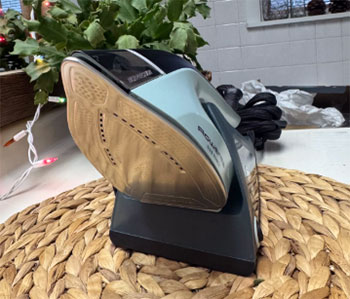
Despite the high praise, Rowenta irons are not perfect, and they have developed a polarized reputation online. For every five-star review, there is often a one-star review complaining about specific, recurring issues. You need to be aware of these potential headaches before you buy.
- The Notorious Leaking Issue: If you read reviews, you will see “it leaks” mentioned constantly. This is often the result of the massive water tank and the high-flow valve system. If the iron is not hot enough to vaporize the water (i.e., if you try to steam on a low heat setting like “Silk”), gravity takes over, and water drips out of the soleplate. While this is technically physics, Rowenta irons seem less forgiving of this error than other brands. Additionally, as the internal seals age over a few years, they can degrade, leading to leaks that are mechanical rather than user error. It is a high-performance machine that requires perfect operating conditions to stay dry.
- Poor Visibility of Water Level: A baffling design choice on many premium Rowenta models, including the Steamforce and Focus series, is the color of the water tank. They often use a dark blue, purple, or black tinted plastic for the reservoir. While it looks sleek and modern on the shelf, it makes it incredibly difficult to see the actual water line when you are filling it. You often have to hold the iron up to a bright light or squint to see how much water is left. This leads to frequent overfilling, which spills water everywhere, or running dry in the middle of a shirt because you didn’t realize the tank was empty.
- Short Auto-Shutoff Timer: Safety features are important, but Rowenta’s auto-shutoff can be aggressive, especially for sewers and quilters. Most models will shut off if left horizontal for 30 seconds or vertical for 8 minutes. For a quilter who irons a seam, goes to the sewing machine for 10 minutes, and comes back, the iron is cold. You then have to wake it up and wait for it to reheat, which breaks the flow of work. While this prevents house fires, the inability to adjust or disable this timer on prosumer models is a frequent complaint from the crafting community who need a constantly hot iron.
- High Price and Longevity Concerns: Rowenta irons are an investment, often costing three to four times more than a Black+Decker or Sunbeam. When you pay $100+ for an iron, you expect it to last a decade. However, the lifespan of modern appliances has shortened, and many users report their Rowenta failing (stopping heat or leaking uncontrollably) just after the one-year warranty expires. The repairability is low; if the electronic thermostat goes, the iron is essentially a brick. The cost-per-year of ownership can be high if you are unlucky enough to get a “lemon” that dies in 18 months.
Maintenance Tips For Rowenta Steam Irons
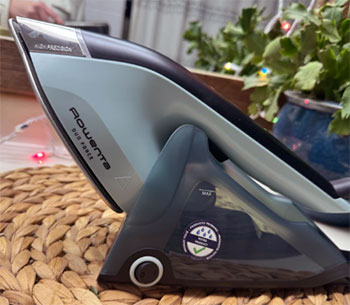
A Rowenta is not a “set it and forget it” appliance. If you treat it like a cheap iron, it will fail like a cheap iron. To keep the steam flowing and the floor dry, you need to adopt a specific maintenance routine.
- The Golden Rule of Emptying: You must empty the water tank after every single ironing session. Never store the iron with water inside. When the iron cools down, the internal metal components contract, and if water is left inside, it can seep past the seals and cause internal rust or leak onto the soleplate. By emptying it while it is still warm, the residual heat evaporates the remaining moisture, keeping the internal chamber dry and healthy. This simple habit is the single most effective way to prevent the dreaded leaking issues.
- Cleaning the Anti-Calc Valve: Most Rowenta irons have a removable “Anti-Calc” valve or stick located near the steam control. You should pull this out and soak it in lemon juice or white vinegar for 4 hours at least once a month (or more if you have hard water). This part attracts the calcium buildup so it doesn’t clog the soleplate holes. If you ignore this, the valve will calcify, the steam output will drop, and eventually, the iron will start spitting white rocky flakes all over your black dress pants. Rinse it thoroughly before putting it back in.
- Respecting the Thermostat Light: Patience is a maintenance tool. When you plug the iron in or change the temperature setting, wait for the indicator light to turn off before you press the steam button. The light indicates the iron is heating; when it goes off, it has reached the target temperature. Hitting the “Burst of Steam” button before the iron is at full temp forces water through a chamber that isn’t hot enough to flash-boil it, resulting in spitting and dripping. Giving the iron that extra 10 seconds to stabilize protects the heating element and ensures dry steam.
- Mixing Water for Hard Areas: While Rowenta says to use tap water, if you live in an area with extremely hard water (high mineral content), you are playing with fire. The minerals will overwhelm the anti-calc system quickly. In this case, do not switch to 100% distilled water, as pure distilled water has no minerals to “boil” correctly and can cause the iron to spit and leak (it affects the boiling point and sensor function). Instead, use a 50/50 mix of tap water and distilled water. This dilutes the minerals to a safe level while keeping enough impurities for the physics of the steam chamber to work correctly.
Comparison with Other Brands
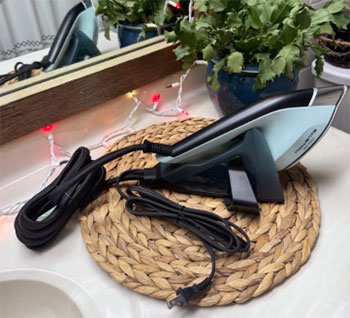
Rowenta is often the benchmark, but other brands have caught up in terms of technology and value. Here is how the German giant stacks up against the competition.
- Chi Steam Irons: Chi is a newer player that brought their hair straightener technology to irons. Comparison: Chi uses a ceramic-infused soleplate (often titanium-ceramic) which offers a drastically different feel than Rowenta’s stainless steel. The Chi glides smoother, almost like it is skating on ice, whereas the Rowenta has a bit more “grip” or drag. Chi irons typically have better digital interfaces and clearer water tanks. However, Rowenta still wins on raw steam power; the “burst” from a Rowenta feels more forceful and penetrates deeper than the Chi. If you want smooth glide and modern tech, go Chi. If you want raw, heavy-duty pressing power, stick with Rowenta.
- Black + Decker: The ubiquitous budget option found in every hotel room. Comparison: Black + Decker irons are significantly lighter and cheaper, often costing under $30. They get the job done for casual ironing, but they lack the steam volume and heat consistency of a Rowenta. You have to press down hard to get results with a Black + Decker. However, they are surprisingly durable; many people have a cheap B+D that lasts 10 years while their fancy Rowenta died in 2. If you only iron once a month for a wedding or interview, a Rowenta is overkill; save your money and get the Black + Decker. Rowenta is for the weekly ironer or the sewer who needs professional results.
- Panasonic Cordless Irons: Panasonic takes a completely different design approach with their football-shaped, multidirectional irons. Comparison: The Panasonic 360 Freestyle is cordless (it heats on a base) and has points at both ends, allowing you to iron forwards and backwards without bunching fabric. This is a dream for quilters who need agility. Rowenta is a tethered beast; the cord is often long and heavy (or retractable, which can break). However, the Panasonic loses heat quickly once off the base and lacks the continuous steam power of a corded Rowenta. If mobility is your priority, Panasonic wins. If sustained heat and steam for heavy linen is the goal, Rowenta is the superior choice.
Also Read: My Thoughts On Star Shower Ultra 9
Frequently Asked Questions (FAQ)
The most common reason is using the steam function when the iron is not hot enough. Ensure the thermostat is set to the “Steam” zone (usually 3 dots or the Cotton/Linen setting). If you iron on low heat (Silk/Wool), the water cannot vaporize and will leak out. Another cause is overfilling the tank past the “Max” line or storing the iron horizontally with water inside.
Yes, Rowenta irons are designed to run on tap water. In fact, the manual specifically advises against using 100% distilled water because it can cause the water to drip and spit due to the lack of minerals needed for the boiling sensors to work properly. If you have very hard water, mix 50% tap water with 50% distilled water. Never use perfumed water or water from a clothes dryer.
To clean the interior, unplug the iron and remove the anti-calc valve stem (usually near the steam button). Soak this stem in lemon juice or white vinegar for 4 hours to dissolve deposits, then rinse and replace. To clean the soleplate, wait until the iron is warm (not hot) and wipe it with a damp soft cloth. Rowenta also sells a specific soleplate cleaning kit for stubborn burnt-on fabric, but never use steel wool or abrasive scrubbers.
The Focus Excel is the mid-range workhorse; it has excellent steam (1725 watts) and the precision tip, making it perfect for most households. The Steamforce is the top-tier model with an internal pump that literally injects steam into the fabric (like a steamer), rather than just letting it flow out. The Steamforce is more powerful (1800+ watts) and has a digital display, but it is heavier and more expensive. For most people, the Focus is sufficient; the Steamforce is for perfectionists.
Conclusion
Rowenta steam irons are arguably the best tools on the market for people who care about the details. The combination of the Microsteam soleplate, the substantial weight, and the sheer volume of steam they produce makes ironing faster and the results more professional than any budget brand can hope to achieve. If you sew, quilt, or wear dress shirts daily, the time you save and the finish you get are well worth the investment.
However, owning a Rowenta is a commitment. It requires you to follow the rules—emptying the tank, cleaning the valve, and respecting the thermostat—to avoid the infamous leaking issues. If you want a zero-maintenance iron that you can abuse and toss in a cupboard, this isn’t it. But if you are willing to treat it with a little care, a Rowenta will reward you with clothes that look like they just came from the dry cleaner, right in your own laundry room.