
We all have that nostalgic craving for the neon-colored, sugar-coated worms we devoured as kids during movie nights or after school. But as adults, reading the nutrition label on a standard bag of gummy worms is enough to induce a sugar crash just by looking at it. The modern market is flooded with “better-for-you” candy promising the same joy without the guilt, but most of them taste like flavored rubber or leave you with a chemical aftertaste. Enter Rotten Gummy Worms, a brand with a grunge aesthetic that claims to fix the candy industry by turning “rotten” junk into something good.
In this review, I am going to take you through a comprehensive taste test and analysis of Rotten Gummy Worms. I will break down the texture, the sour factor, and the digestive reality of eating a bag full of fiber and alternative sweeteners. Whether you are diabetic, keto, or just trying to cut down on sugar without losing your joy, this guide will help you decide if these worms are a delicious hack or a waste of money. We will explore everything from their unique sweetener blend to how they stack up against the titans of the candy aisle.
My Experience With Rotten Gummy Worms
I discovered Rotten Gummy Worms while scrolling through Instagram, where their branding immediately stopped me in my tracks. Instead of the clean, clinical, “medical-looking” packaging that most healthy snacks use, Rotten uses gross-out 90s humor, complete with a puking worm mascot and a trash-can aesthetic. It felt like something I would have pulled out of a cereal box in 1998, and I respected the commitment to the bit. I ordered the “Original Sour” variety pack to see if the flavor could match the loud marketing.
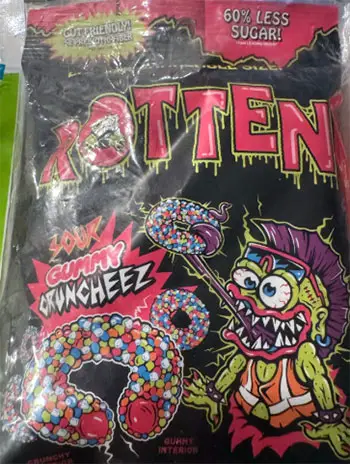
When the package arrived, I was impressed by the tactile feel of the bag.
It claims to be compostable, which gave it a unique, crinkly texture unlike standard plastic.
Opening the bag, I was hit with a very strong, genuine fruit smell. It didn’t smell like chemicals; it smelled like actual tart fruit juice.
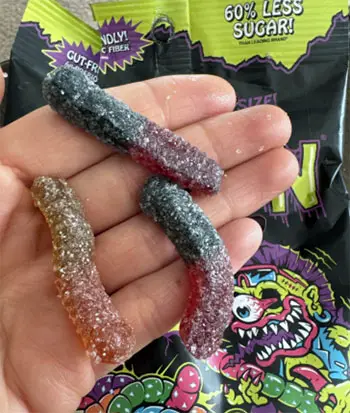
The worms themselves are smaller and flatter than the traditional Trolli crawlers I was used to, but they were coated in a generous layer of what looked like sour sugar.
The first bite was a surprise. Usually, low-sugar gummies have a “clean break” texture—they bite through easily like Jell-O.
These had a serious chew.
They were sticky, dense, and required some actual jaw work, which I personally prefer because it makes the snack last longer. The sour level was decent—not “pucker your face inside out” sour, but definitely tangy enough to satisfy that specific craving. The flavor profile was complex; the “Misfit Melon” and “Barf Bag Berry” (terrible names, great tastes) were distinct and punchy.
The biggest test for me was the aftertaste. Most healthy candies use Stevia or Erythritol, which leaves a cooling, minty, or metallic sensation in the mouth. Rotten uses Allulose, a rare sugar found in raisins and figs. To my delight, there was almost zero weird aftertaste. It tasted 95% like a regular gummy worm. It lacked that cloying, sticky sweetness of high-fructose corn syrup, but it didn’t scream “diet food” either.
However, about an hour after finishing the bag, I did experience the “rumble.” Because these worms are packed with prebiotic fiber (chicory root), my stomach definitely noticed the influx. It wasn’t painful, but it was a reminder that you probably shouldn’t chain-eat three bags in one sitting just because they are low in sugar. The “sticky” factor was also real; I spent a good five minutes fishing bits of gummy worm out of my molars after the bag was done. They are significantly stickier than traditional gelatin gummies.
Overall, my experience was overwhelmingly positive compared to other “healthy” candies I have tried. They scratched the itch for a sour, chewy treat without making me feel lethargic afterwards. The branding is fun, the taste is legitimate, and while the price is steep, it feels like a high-quality treat rather than a compromise.
Read More: My Thoughts On Cheerios Veggie Blends
Pros Of Rotten Gummy Worms
When you strip away the flashy marketing and look at the nutritional facts and sensory experience, Rotten Gummy Worms offer several compelling benefits over both traditional candy and other diet alternatives.
- Revolutionary Sweetener Profile With Allulose: The standout feature of Rotten is its use of Allulose as the primary sweetener. Unlike Stevia, which can taste metallic, or Sugar Alcohols (like Maltitol) which are notorious for causing severe gastric distress, Allulose behaves very much like real sugar. It caramelizes and provides bulk, giving the candy a proper mouthfeel. More importantly, Allulose is not metabolized by the body in the same way glucose is, meaning it has a negligible impact on blood sugar levels. For diabetics or those on a strict keto diet, this is the “holy grail” of sweeteners because it offers the sensory experience of sugar without the insulin spike. You get a genuine sweetness profile that doesn’t feel chemical or fake.
- Legitimately Chewy “Gummy” Texture: A common failure of vegan or healthy gummies is that they are either too soft (like fruit snacks) or too brittle (breaking apart instantly). Rotten has managed to engineer a texture that mimics the resistance of gelatin-based candy, despite being plant-based. They use pectin, but they have balanced it in a way that provides a satisfying “pull” when you bite into it. This density makes the candy feel substantial; you can’t just inhale them, you have to chew them. This creates a psychological satisfaction that mimics eating a “naughty” treat, helping to curb cravings more effectively than a soft, watery fruit chew would.
- Massive Reduction In Sugar And Calories: The numbers on the back of the bag are undeniable. A standard bag of gummy worms can easily contain 30 to 40 grams of sugar. A bag of Rotten Gummy Worms contains significantly less, often hovering around 3 to 4 grams of sugar for the entire pouch. This is a massive 90% reduction that allows you to indulge in a full portion size without derailing your diet. For people who lack portion control (like myself), being able to eat the whole bag for around 100 calories is a huge psychological win. You don’t have to count out five individual worms and put the bag away; you can enjoy the volume of food without the caloric penalty.
- Commitment To Sustainability: In an industry producing billions of plastic wrappers that sit in landfills for centuries, Rotten is taking a bold step. Their packaging is touted as 100% compostable. This aligns with the values of many modern consumers who are conscious of their environmental footprint. Eating a product that doesn’t contribute to the ocean plastic crisis adds an extra layer of enjoyment to the experience. It turns the act of buying candy from a guilty pleasure into a slightly more responsible consumer choice.
Cons Of Rotten Gummy Worms
While they are excellent for a diet candy, they are not without their flaws. The trade-offs for removing sugar and gelatin are noticeable in certain areas.
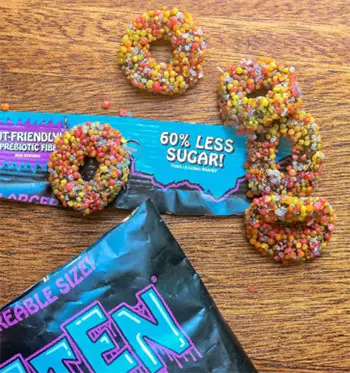
- Prohibitive Cost Per Ounce: The “healthy tax” is very real with this product. A single bag of Rotten Gummy Worms typically costs between $3.00 and $4.00 depending on where you buy it. Compared to a generic bag of gas station gummy worms that might cost $1.50 for twice the amount of product, this is a luxury item. For a family with kids, switching entirely to Rotten is likely financially unsustainable. It is priced as a premium supplement or a treat, not a bulk snack. You are paying for the Allulose and the compostable packaging, both of which are expensive technologies.
- Aggressively Sticky Texture: While the chewiness is a pro, the stickiness is a definite con. The formula has a tendency to adhere to tooth enamel with impressive strength. If you have dental work, loose fillings, or braces, this candy could be a legitimate hazard. Unlike gelatin gummies that eventually dissolve or slide off, the plant-based pectin and fiber matrix can get lodged in the grooves of your molars. You will almost certainly need to floss or pick your teeth immediately after finishing a bag. It is not a “clean eat”; it requires some post-snack maintenance.
- Potential For Digestive Discomfort: Although Allulose is generally better tolerated than sugar alcohols, the high fiber content is a double-edged sword. Each bag is packed with soluble corn fiber or chicory root fiber. For someone who doesn’t consume a lot of fiber, eating an entire bag in one sitting can lead to significant bloating, gas, and rumbling. It is the classic “fiber bomb” effect. While it is not as disastrous as the infamous sugar-free gummy bear reviews of the past, sensitive stomachs will definitely know they ate something fibrous. It forces you to be mindful of your tolerance levels.
- Limited Availability: You cannot just walk into any 7-Eleven or Walmart and find these on the shelf next to the Snickers. They are primarily available online or in high-end health food stores like Whole Foods or Sprouts. This lack of accessibility makes them an “planned purchase” rather than an impulse buy. If you have a sudden craving at 9 PM on a Tuesday, you are likely out of luck unless you have a stash in your pantry. Ordering candy online also introduces the risk of heat damage during shipping in the summer months.
Maintenance Tips For Rotten Gummy Worms
Since this is a food product, “maintenance” refers to how you store, consume, and manage the product to get the best experience without wasting your money or hurting your stomach.
- Temperature Control Is Critical: Unlike preservative-laden standard candy which can survive a nuclear winter, Rotten Gummy Worms are more sensitive to heat. Because they lack the stabilizers of traditional candy, they can melt into a singular, sour blob if left in a hot car or a mailbox. You should store them in a cool, dark pantry, ideally below 75 degrees Fahrenheit. If you live in a very hot climate, putting them in the fridge is actually a great hack. Chilled Rotten worms become even chewier and the sour flavor pops more, plus it prevents them from fusing together in the bag. Never leave them in direct sunlight, or the compostable packaging can also start to degrade prematurely.
- Manage Your Fiber Intake: To avoid the “bloat,” you need to treat these like a fiber supplement. If you are new to low-sugar candy, do not eat two bags back-to-back. Start with half a bag to see how your digestive system reacts to the Allulose and fiber blend. Drink a large glass of water with the candy. Soluble fiber needs water to move through your system smoothly; eating high fiber without hydration is a recipe for constipation or cramping. Think of the water as the vehicle that helps the candy digest properly.
- Dental Hygiene Immediate Follow-Up: Given the sticky nature mentioned earlier, you need to protect your teeth. Do not eat these right before bed without brushing. The acids (citric and lactic acid used for the sour taste) combined with the sticky texture can be tough on enamel if left to sit. Swish your mouth with water immediately after eating to neutralize the acid. Keep floss picks handy if you are eating them at the movies or on the go. It is a small step that prevents the annoyance of having goop stuck in your teeth for hours.
- Check The “Best By” Dates: Natural ingredients generally have a shorter shelf life than artificial ones. While a Twinkie might last forever, Rotten Gummy Worms can get hard and stale if they sit for too long. The compostable packaging, while great for the earth, is slightly more permeable to air than heavy plastic. Rotate your stock if you buy in bulk cases. Eat the oldest bags first to ensure you are getting the optimal soft chewiness. If a bag feels rock hard from the outside, it is likely past its prime.
Comparison with Other Brands
The “healthy candy” market is a battlefield. To see where Rotten stands, we must compare it to the other major players fighting for your shelf space.
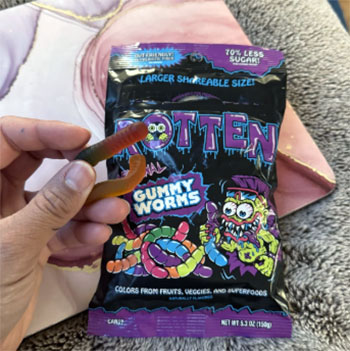
- SmartSweets Gummy Worms: This is the brand that started the revolution and is the most ubiquitous competitor. Comparison: SmartSweets generally has a softer, less sticky texture that is easier on the teeth. However, their recipe has changed multiple times, and they often rely on corn fiber that some find has a distinct “diet” aftertaste. SmartSweets are less sour than Rotten; they lean more towards a sweet, general fruit flavor. Rotten’s branding is much edgier and adult-focused, whereas SmartSweets feels very safe and corporate. Rotten uses Allulose which many find digests better than the sweeteners sometimes used in SmartSweets variations. If you want a softer chew, go SmartSweets; if you want a sour kick and cooler vibes, go Rotten.
- Project 7 Sour Worms: Another strong contender often found in grocery stores. Comparison: Project 7 is remarkably low in calories, sometimes even lower than Rotten. However, the texture of Project 7 can be very firm, bordering on hard/rubbery for some batches. Rotten has a better “sour sugar” coating; Project 7 sometimes feels like the sour is baked in rather than coated on. Project 7 is often cheaper and easier to find in standard retail chains like Target. Rotten wins on flavor complexity—the “Barf Bag Berry” has depth that the standard Project 7 berry lacks. If budget is the main concern, Project 7 is a solid alternative, but Rotten feels more “gourmet.”
- Trolli Sour Brite Crawlers (The Benchmark): These are the full-sugar, classic worms we are trying to replace. Comparison: Trolli is the gold standard for taste and texture; they are perfectly soft, tangy, and cheap. But Trolli is essentially pure sugar and corn syrup with zero nutritional value. Eating a bag of Trolli will spike your insulin and provide zero satiety. Rotten offers about 70-80% of the Trolli taste experience but with 100% less guilt. You will miss the specific “bounciness” of the gelatin in Trolli, as Rotten is denser. If you don’t care about sugar, Trolli wins every time. But if you value your pancreas, Rotten is the closest safe approximation you will find.
Also Read: Comparison Of Gatorade And Gatorade Zero
Frequently Asked Questions (FAQ)
“Healthy” is subjective, but compared to traditional candy, yes. They are high in fiber, very low in sugar, and free from artificial corn syrups. However, they are still a processed food item and should be treated as a treat, not a replacement for whole fruits or vegetables.
They can, yes. The high amount of prebiotic fiber (chicory root or corn fiber) can cause gas and bloating in people who are not used to a high-fiber diet. The sweetener Allulose can also cause mild fermentation in the gut, leading to gas, though usually less than sugar alcohols.
Rotten primarily uses Allulose. Allulose is a “rare sugar” found naturally in foods like figs and raisins. It tastes like sugar but is not metabolized by the body, so it provides sweetness without the calories or blood sugar spike. They also use a small amount of monk fruit extract in some formulations.
Yes, Rotten Gummy Worms are 100% plant-based and vegan-friendly. They do not use gelatin (which is made from animal bones) to achieve their gummy texture. Instead, they use pectin, a gelling agent derived from fruits.
Conclusion
Rotten Gummy Worms are a triumphant example of how far food technology has come. They successfully bridge the gap between the sugary, nostalgic treats of our childhood and the health-conscious reality of our adult lives. While they are expensive and can be a bit sticky on the teeth, the flavor accuracy and the use of Allulose make them superior to almost every other diet candy I have tested.
If you are a sour candy addict who needs to break up with sugar, these are absolutely worth the investment. They allow you to participate in movie nights and snack cravings without wrecking your diet or your blood sugar. Just remember to drink water, floss after eating, and maybe hide the bag from your kids—because at this price point, you won’t want to share.