
I’ve spent a lot of time thinking about clean water in my kitchen. With all the concerns about contaminants these days, choosing the right filtration system matters to me. In this article, I compare Rorra and Boroux, two popular countertop gravity-fed options, to help you decide which fits your needs best—whether you prioritize sleek design, long-term savings, or maximum purification.
A Brief Comparison Table Rorra Vs Boroux
| Feature | Rorra | Boroux |
| Filtration Technology | Electrokinetic nanofiber (Enfinity™ Filter) | Activated carbon block (Foundation Filters) |
| Capacity (Filtered Water) | 1.5 gallons | 3 gallons (Legacy model) |
| Filter Lifespan | 200 gallons or 90 days | 6,000 gallons per filter (12,000 per pair) |
| Filtration Speed | Up to 4x faster than traditional gravity | Standard gravity speed (slower as chamber empties) |
| Material | Stainless steel, minimal plastic | Stainless steel (polished or matte finishes) |
| Certifications | Tested to NSF/ANSI 42, 53, 401 | WQA certified to NSF/ANSI 42, 401, 372 |
| Key Contaminants Reduced | PFAS, lead, microplastics, chlorine, 50+ others | PFAS, lead, chlorine, pesticides, heavy metals |
| Indicator Features | LED performance indicator for filter life/level | No built-in indicator (optional sight glass) |
| Initial Cost (Approx) | $449 (with subscription) | $300–$400 |
| Replacement Filter Cost | Higher (frequent changes) | Lower (longer lifespan) |
I put these two systems through their paces in my own home. Both deliver cleaner water than straight from the tap, but they approach the job differently.
Rorra feels like the modern choice with its elegant look and smart features. Boroux offers that classic reliability with better value over time.
My Experience With Rorra
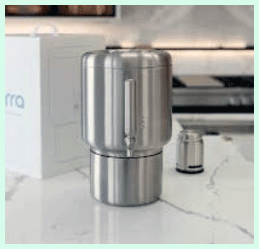
I switched to Rorra after frustration with clunky older filters. Setup took minutes—I unboxed, inserted the Enfinity filter, and filled it up.
The first pour tasted crisp and clean, without the flatness I got from previous systems.
The indicator lights became my favorite feature. A gentle glow reminds me when levels are low or it’s time for a new filter. No more forgotten changes leading to off tastes.
In daily use, it handles my family’s needs well. Coffee brews better, and iced water feels refreshing. The design earns compliments—it’s not hidden away.
One downside hit during gatherings: the 1.5-gallon capacity means refills. But for everyday, it’s perfect.
Overall, Rorra elevated my hydration routine. Clean, great-tasting water flows easily in a beautiful package.
Pros Of Rorra
- Sleek and Modern Design: Rorra stands out on my counter without looking bulky. Its stainless steel build has clean lines that blend with appliances. Friends often compliment it, mistaking it for a premium dispenser.
- Fast Filtration Speed: It processes water quicker than most gravity systems. I fill the top and get filtered water in the bottom faster, perfect for busy mornings.
- Performance Indicator: The LED lights tell me exactly when to refill or replace the filter. No more guessing or tracking gallons manually.
- NSF-Tested Transparency: Rorra shares full third-party test results on their site for standards like 42, 53, and 401. It reduces PFAS, lead, microplastics, and more while keeping beneficial minerals.
- Easy Setup and Use: No priming needed—just insert the filter and start. The handle and spout make pouring smooth.
- Retains Minerals: Unlike some systems that strip everything, Rorra leaves in healthy minerals for better-tasting water.
- Compact Footprint: With 2.5 gallons total capacity, it suits smaller kitchens perfectly.
- Eco-Friendly Aspects: Recyclable cartridges and no plastic in the main body reduce waste.
Read more: Comparison of Force Of Select Midea And hOmeLabs Dehumidifier
Cons Of Rorra
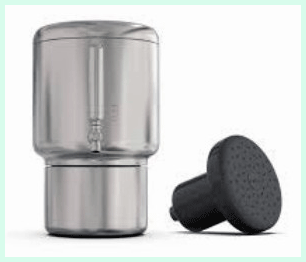
- Smaller Capacity: Only 1.5 gallons of filtered water at a time means more frequent refills for larger households.
- Shorter Filter Life: Filters last about 200 gallons or 90 days, leading to more replacements.
- Higher Long-Term Cost: Frequent filter changes add up, making it pricier over years.
- Battery Dependency: The indicator runs on batteries, requiring occasional replacements.
- Limited Broad Contaminant Claims: It excels at targeted modern contaminants like PFAS and microplastics but has fewer broad reductions than some competitors.
- Premium Pricing: The initial cost feels steep compared to basic gravity options.
- Slower for Heavy Use: Speed is good, but with smaller capacity, it lags for big families or cooking needs.
- Availability Issues: As a newer brand, replacements might not be as widely stocked.
Maintenance Tips For Rorra
- Regular Cleaning: Wipe the stainless steel exterior with a soft cloth and mild soap weekly to keep it shining.
- Filter Replacement Prompt: Rely on the LED indicator—it accurately tracks usage for timely changes.
- Avoid Harsh Cleaners: Use only non-abrasive materials to prevent scratching the finish.
- Dry Thoroughly: After cleaning chambers, air dry completely to avoid moisture buildup.
- Store Properly: If not using for weeks, remove the filter and store dry.
- Check Seals: Inspect gaskets monthly for wear to ensure proper fit.
- Battery Check: Replace AAA batteries when the indicator dims.
- Descale if Needed: In hard water areas, occasional vinegar soak helps.
Comparison With Other Brands
- Vs. Berkey Alternatives: Rorra filters faster and looks better, but Berkey-style systems like Boroux offer longer filter life.
- Vs. Plastic Pitchers: Rorra avoids plastic contact entirely and reduces more contaminants.
- Vs. Under-Sink RO: No installation needed, and it retains minerals unlike many RO systems.
- Vs. Brita/PUR: Far superior reduction of PFAS and heavy metals with durable build.
- Vs. Santevia: Similar mineral retention, but Rorra has better modern contaminant focus.
- Vs. Alexapure: Rorra is quicker and more stylish, though Alexapure has larger capacity options.
- Vs. Doulton Ceramic: Rorra uses advanced nanofibers for broader reduction without priming.
- Vs. Waterdrop: Rorra’s gravity design needs no power and looks premium.
My Experience With Boroux
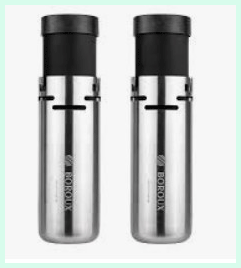
I tried Boroux after hearing it improved on older gravity systems. The Legacy arrived solid and well-packed.
Priming took effort initially, but the optional pump helped later.
Once running, it provided plenty of water. The 3-gallon capacity meant fewer refills, great for cooking and drinking.
Water tastes pure and neutral—no chemical aftertaste. It handled my municipal supply well, reducing chlorine noticeably.
The matte finish resists fingerprints, and it’s built tough. Long filter life impresses—months without changes.
For larger needs or budgets, Boroux feels like a workhorse. Reliable day in, day out
Pros Of Boroux
- Large Capacity: The Legacy holds 3 gallons filtered, ideal for families or high use.
- Exceptional Filter Longevity: Pair lasts up to 12,000 gallons—huge savings long-term.
- Broad Contaminant Reduction: Handles PFAS, lead, pesticides, heavy metals effectively.
- Durable Construction: High-quality stainless steel in multiple finishes lasts forever.
- Cost-Effective: Lower initial and replacement costs compared to premium brands.
- No Electricity Needed: Pure gravity-fed works anywhere, even off-grid.
- Compatible Accessories: Fits many standard parts, including sight glass spigots.
- Transparent Testing: WQA certifications and shared lab results build trust.
- Versatile Sizes: Compact option available for smaller spaces.
Also read: Comparison of Merach And Yosuda Rowing Machine
Cons Of Boroux
- Slower Filtration: Gravity speed slows as the upper chamber empties.
- Priming Required: Initial setup involves priming filters, which takes time.
- No Built-In Indicator: Track filter life manually or add optional gauge.
- Industrial Look: Functional but less sleek than modern competitors.
- Potential Leaching Issues: Some tests noted minor cobalt in early models.
- Heavier When Full: Large capacity makes it less portable once filled.
- Cleaning Care: Chambers need thorough drying to prevent issues.
- Limited Smart Features: Basic compared to tech-integrated options.
Maintenance Tips For Boroux
- Monthly Chamber Wash: Hand wash or dishwasher-safe stainless parts with mild soap.
- Filter Redrying: If flow slows, redry and scrub exterior gently.
- Spigot Cleaning: Detach and clean regularly for smooth flow.
- Avoid Soap on Filters: Never use soap inside filters—rinse only.
- Store Dry: Empty and dry fully if unused for extended periods.
- Check for Blockages: Occasionally inspect for sediment buildup.
- Priming Pump Option: Use automatic pump for easier new filter setup.
- Sight Glass Add-On: Install for easy level monitoring.
Comparison With Other Brands
- Vs. Original Berkey: Similar formulation but compliant and improved design.
- Vs. ProOne: Longer life and broader compatibility.
- Vs. Alexapure: Better certifications and finishes.
- Vs. British Berkefeld: No priming needed in some alternatives, but Boroux excels in capacity.
- Vs. Plastic Dispensers: Superior durability and contaminant reduction.
- Vs. RO Systems: Retains minerals and needs no plumbing.
- Vs. Pitcher Filters: Much larger volume and better filtration.
- Vs. Newer Designs: More affordable with proven longevity.
Frequently Asked Questions (FAQ)
Neither directly compares since I focused on Boroux, but Rorra offers modern design and speed while Berkey-style (like Boroux) provides longevity.
This article covers gravity-fed, not RO—popular RO brands include AquaTru or iSpring, but gravity suits no-install needs.
It depends on needs—Boroux leads in value gravity filters, Rorra in design, with strong testing backing both.
Conclusion: For Rorra And Boroux
I’ve used both Rorra and Boroux extensively, and each shines in different ways. If you want something beautiful that fits seamlessly into your kitchen and gives quick, mineral-rich water with smart reminders, go for Rorra. It’s perfect if aesthetics and convenience top your list.
But if you’re like me and prioritize long-term savings, larger capacity, and robust filtration without frequent maintenance, Boroux wins hands down. You’ll save money over time and have water ready for the whole family.
Ultimately, you can’t go wrong—both beat unfiltered tap water by miles. Choose based on your household size, budget, and style preferences. Whichever you pick, you’ll enjoy cleaner, better-tasting water every day.