
I’ve always been picky about the salt I use in my kitchen. After years of sprinkling plain white table salt on everything, I switched to natural, unrefined options because I wanted something more flavorful and potentially better for daily use. This led me to compare Redmond Real Salt and Himalayan Pink Salt head-to-head. In this article, I share my personal take on which one stands out as better overall, based on taste, origin, minerals, and everyday practicality.
Both salts come from ancient deposits, free from modern pollution, and they pack trace minerals that refined table salt lacks. I lean toward one as my go-to, but both beat processed salt by miles.
A Brief Comparison Table Redmond Real Salt Vs Himalayan Pink Salt
| Feature | Redmond Real Salt | Himalayan Pink Salt |
| Origin | Mined from ancient seabed in Utah, USA | Mined from ancient deposits in Pakistan |
| Color | Subtle pink/red hues | Vibrant pink |
| Taste Profile | Slightly sweeter, subtle | Earthier, more mineral-forward |
| Trace Minerals | Over 60 naturally occurring | Up to 84 claimed, similar spectrum |
| Processing | Unrefined, no additives | Unrefined, minimal processing |
| Availability & Price | Widely available in US, often more affordable | Popular globally, can be pricier due to import |
| Environmental Impact | Shorter transport, solar-powered operations | Longer shipping distance |
| Best For | Everyday cooking, finer grind options | Finishing dishes, aesthetic appeal |
My Experience With Redmond Real Salt
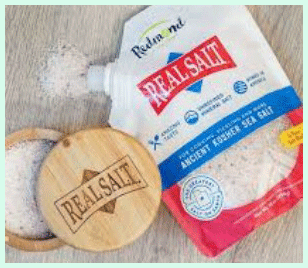
I started using Redmond Real Salt about three years ago after reading about its ancient Utah origin.
At first, I bought a small pouch to test. The flavor surprised me — it was milder and sweeter than expected, elevating simple scrambled eggs without needing extra seasoning.
Over time, it replaced everything else in my kitchen. Baking bread? The dough rises with better texture.
Grilling steaks? A pinch brings out natural juices. I even add it to water for electrolytes during hot days, and it tastes clean.
Compared to Himalayan, which I tried before, Redmond feels more practical. The earthier note in Himalayan sometimes overpowers delicate foods, but Redmond blends seamlessly. Price-wise, it’s easier on the wallet too.
I’ve noticed small perks like better hydration feel when using it regularly. The trace minerals might play a role, though it’s subtle. Overall, it has become a staple I recommend to friends.
Pros Of Redmond Real Salt
- Clean And Protected Source: I love that Redmond Real Salt comes from an ancient seabed in Utah, sealed underground for millions of years by volcanic layers. This keeps it free from any modern ocean pollutants like microplastics, which worry me with current sea salts.
- Subtle Sweet Flavor: When I taste it side-by-side with others, Redmond stands out for its milder, almost sweet undertone. It enhances food without overpowering it, making my veggies, meats, and even popcorn taste better naturally.
- Convenient Forms And Grind: They offer fine, coarse, and even powder versions, which fit whatever I’m cooking. The fine grind dissolves quickly in soups or baking, while coarser works great for grilling.
- Affordable And Accessible: Living in the US, I get it cheaper than imported options. Bulk sizes last forever, and the price per ounce beats many fancy salts.
- Natural Trace Minerals Without Exaggeration: It contains over 60 trace elements like magnesium, potassium, calcium, and iron in balanced amounts. These add a tiny nutritional edge, and the salt stays true to nature.
- Eco-Friendly Practices: The operations use solar power, and domestic sourcing means fewer shipping miles. It aligns with my preference for lower carbon footprint products.
- No Additives Or Anti-Caking Agents: Nothing artificial touches it. No dextrose or chemicals that show up in table salt.
- Versatile In Recipes: I’ve used it in everything from brines to baked goods, and it performs consistently. The subtle sweetness balances savory dishes beautifully.
Also read: Comparison of Enfamil Neuropro And Enfamil Infant
Cons Of Redmond Real Salt
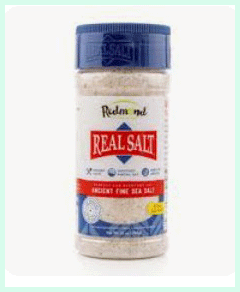
- Less Dramatic Color: The pink/red flecks are subtle compared to the bold pink of Himalayan. If I want that striking visual for finishing plates or gifts, it doesn’t pop as much.
- Slightly Less Mineral Variety Claimed: While it has over 60 minerals, some sources hype Himalayan up to 84. Though the actual usable amounts are tiny in both, this can feel like a minor drawback if I’m chasing maximum trace elements.
- Availability Outside US: If I travel internationally, it’s harder to find than Himalayan, which dominates global markets.
- Potential For Insoluble Bits: Occasionally, I spot tiny undissolved mineral particles, like silica grains, in water tests. They don’t harm anything but can surprise someone new to unrefined salt.
- Batch Variations: Like any natural product, slight differences in color or texture appear between bags. One might be redder than another.
- Not As Exotic: Himalayan has that “mountain mystery” appeal. Redmond feels more straightforward and American-made.
- Finer Grind Can Clump In Humidity: The fine version absorbs moisture more than coarser salts, leading to clumping in humid kitchens.
Maintenance Tips For Redmond Real Salt
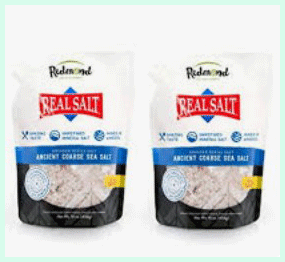
- Store In Airtight Containers: I keep it in glass jars or original pouches to prevent moisture absorption. This stops clumping and keeps the flavor fresh.
- Use Rice Or Silica Packs: Toss a few grains of rice into shakers. They absorb extra moisture naturally.
- Avoid Direct Sunlight: I store it in a cool, dark cabinet. Light can fade the natural color over time.
- Grind Fresh When Needed: For coarse, I use a salt grinder. Fresh grinding releases more flavor.
- Clean Shakers Regularly: Rinse shakers with water occasionally. Residue builds up otherwise.
- Test For Moisture: In rainy seasons, check bags. If damp, spread on a tray to dry.
- Pair With Wooden Tools: I avoid metal spoons that react. Wooden or bamboo works best.
Comparison With Other Brands
- Vs Celtic Sea Salt: Celtic is moist and gray from clay pools. It has a briny flavor, but Redmond wins for dryness and sweetness.
- Vs Table Salt: No comparison. Table salt is stripped, bleached, and full of additives. Redmond offers real flavor and minerals.
- Vs Other Sea Salts: Modern sea salts risk pollution. Redmond’s ancient source avoids that entirely.
- Vs Black Salt: Black salt has sulfur for eggy taste. Redmond is versatile for all dishes.
- Vs Kosher Salt: Kosher is refined and coarse. Redmond adds minerals and better taste.
Read more: Comparison of Similac Alimentum And Nutramigen
Frequently Asked Questions (FAQ)
Yes, it provides natural trace minerals without additives, making it a better choice than refined table salt.
It comes from a pristine ancient seabed in Utah, protected from pollution, with over 60 trace minerals and a sweet taste.
Redmond is unrefined with natural minerals and flavor; regular salt is processed, stripped of minerals, and often has additives.
Both unrefined versions like Himalayan and ancient sea salt like Redmond are good; Redmond edges out for purity from pollution and domestic sourcing.
Conclusion: For Both Products
I have tried both extensively, and while Himalayan Pink Salt offers beautiful color and a bold mineral taste, Redmond Real Salt wins for me as the better everyday option. You will appreciate its clean source, subtle sweetness, affordability, and reliability in the kitchen. If you want something pure, flavorful, and practical, give Redmond a try — I bet it will become your favorite too. Both are solid upgrades from regular salt, but Redmond fits my life perfectly. What do you think — ready to switch?