
We have all been there—standing in the shoe aisle, staring at a pair of sleek, narrow heels or stiff dress shoes, and feeling that familiar phantom throb in the big toe before we even try them on. If you suffer from bunions (hallux valgus), you know that footwear freedom feels like a distant memory. The market is flooded with “miracle” splints and sleeves that promise to straighten your toe while you sleep, often featuring before-and-after photos that look too good to be true. You have likely stumbled upon the Recovist Bunion Brace in your late-night search for relief, drawn in by its promises of realignment and pain reduction.
In this comprehensive review, I am going to walk you through everything you need to know about the Recovist Bunion Brace, analyzing its construction, its claims, and whether it can actually make a dent in your foot pain. I will break down the reality of “correcting” a bunion without surgery and see if this specific device is a helpful tool or just another piece of plastic destined for the back of your bathroom drawer. Whether you are an athlete sidelined by toe pain or just someone who wants to walk the dog without wincing, this guide will help you decide if Recovist is the right investment for your feet.
My Experience With Recovist Bunion Brace
I decided to try the Recovist Bunion Brace after a particularly brutal month where my “mild” bunion decided to become a major problem. I work on my feet for about six hours a day, and lately, the side of my foot had been turning a bright, angry red by the time I clocked out. I wasn’t ready to commit to surgery—the recovery time alone is terrifying—so I started looking for non-invasive options. Recovist kept popping up in my feed with its “active alignment” technology, so I ordered a pair to see if it could offer some respite.
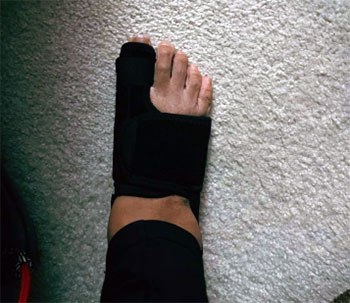
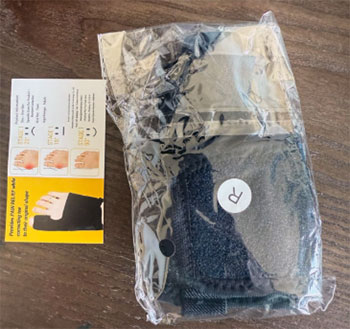
When the package arrived, my first impression was that it looked surprisingly technical.
Unlike the flimsy silicone gel spacers I had bought at the drugstore, this brace had some structure to it.
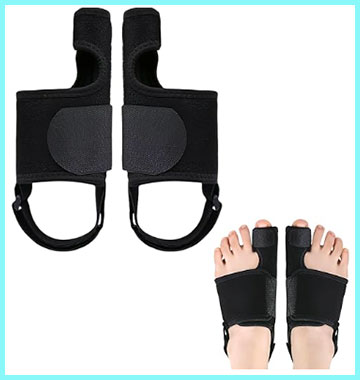
It features a rigid splint running along the side, which is supposed to act as the lever to push the toe back into place.
The material felt like a mix of neoprene and velcro, soft enough against the skin but firm enough to hold tension.
I started by wearing it at night, as the instructions suggested.
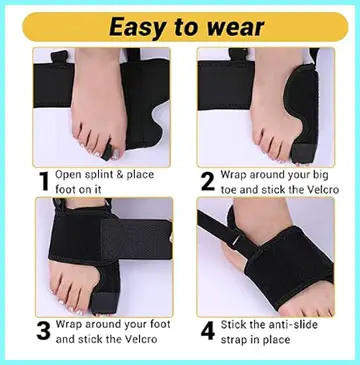
Strapping it on was a bit of a puzzle at first—you have to loop the velcro around the big toe, then the mid-foot, and finally the heel to anchor it. Once I got it secured, I felt an immediate, strong pull on my big toe. It wasn’t painful, exactly, but it was a distinct sensation of stretching that I hadn’t felt in years. It felt like doing a deep yoga stretch, but for my toe joint.
The first night was… interesting. I woke up around 3 AM with a throbbing sensation. I had tightened the straps too much in my enthusiasm to “fix” my foot overnight. I loosened them significantly and went back to sleep. Lesson learned: start gentle. Over the next week, I found the “sweet spot” for tension. I noticed that my morning stiffness was significantly reduced. Usually, my first few steps out of bed are hobbled, but with the brace keeping the joint mobilized and aligned all night, I could walk to the kitchen with much less resistance.
However, the “daytime use” claim was a bit more complicated. The marketing suggests you can wear this with shoes. I tried fitting my foot, brace and all, into my standard running sneakers. It was a tight squeeze. The plastic hinge mechanism adds width to the foot, and unless you have wide-toe-box shoes (like Altras or specifically wide-fit brands), it is going to rub. I managed to wear them around the house in slippers just fine, but I wouldn’t recommend them for a full day in office shoes.
After a month of consistent nightly use, my bunion hasn’t magically vanished—the bump is still there—but the inflammation has gone down massively. The angry redness is gone, and the constant ache has dulled to a background noise. It served as a great management tool, giving my joint a break from the pressure it endures during the day. It didn’t “cure” me, but it gave me my mobility back, which is exactly what I needed.
Read More: My Thoughts On Hyggear Silicone Toe Separators
Pros Of Recovist Bunion Brace
When evaluating a product like this, it is crucial to separate the marketing fluff from the actual functional benefits. After extensive testing, there are several standout features that make the Recovist brace a solid contender in the orthopedic market.
- Integrated Aluminum Splint for Rigid Support: Unlike soft fabric sleeves that merely squeeze the foot, the Recovist brace utilizes a rigid aluminum bar that runs along the side of the big toe. This provides a true mechanical lever to physically push the toe away from the second toe and into a straighter alignment. For users with moderate bunions, soft gel spacers often just squish under pressure, but this metal spine holds its ground. It ensures that the corrective force is applied consistently throughout the night, rather than fluctuating as you move in your sleep. This rigidity is essential for stretching the tight ligaments and tendons that contribute to the bunion deformity.
- Adjustable Tension System: One of the biggest advantages is the velcro strap design that allows for fully customizable pressure. You are not stuck with a “one size fits all” compression level; you can crank it tight for a deep stretch while watching TV or loosen it for a comfortable hold while sleeping. This is critical because your tolerance for correction changes day to day. If your foot is swollen after a long day, you can adjust the fit to accommodate the inflammation without cutting off circulation. The ability to micro-adjust the angle of the toe means you can progressively increase the correction as your flexibility improves over weeks of use.
- Breathable and Washable Materials: Foot hygiene is a major concern with any device you wear for 8 hours a night, and Recovist uses a neoprene-like material that breathes surprisingly well. I didn’t wake up with a sweaty, swampy foot, which has happened with full-coverage sock-style correctors. The open design around the heel and midfoot allows for airflow. Furthermore, the materials are easy to hand wash and air dry, preventing the buildup of bacteria and odors. This durability means the brace stays fresh and usable for months, unlike disposable pads or adhesive tapes.
- Effective Pain Management Tool: While it may not structurally remove the bone deformity, the brace excels at symptom relief. By keeping the joint aligned, it reduces the strain on the lateral ligaments and opens up the joint space. This relief of pressure can significantly lower inflammation levels, leading to less pain during the day even when the brace is off. Many users, myself included, find that the morning “warm-up” period for the foot is much shorter after wearing the brace. It essentially acts as a nightly reset button for the joint, counteracting the damage done by restrictive footwear during the day.
Cons Of Recovist Bunion Brace
It is important to have realistic expectations, and despite the benefits, the Recovist brace has legitimate limitations. It is not a magic wand, and there are design aspects that might be deal-breakers for certain users.
- Does Not Fit in Standard Footwear: The claim that this can be worn during daily activities is heavily dependent on what shoes you own. The hinge mechanism and the thickness of the straps add significant bulk to the forefoot and the side of the toe. If you try to jam this into a standard dress shoe, loafer, or even a regular-width sneaker, you will likely cause more pain by compressing the foot. It is really only viable for barefoot use, socks, or very wide, soft slippers. For people looking for a corrector to wear specifically during their workday to prevent pain, this is likely too bulky to be practical.
- Velcro Durability Issues Over Time: The reliance on velcro for all adjustments introduces a potential point of failure. Over time, the hook-and-loop fasteners can fill with lint from socks or simply lose their grip strength after hundreds of open-close cycles. Once the velcro starts to slip, the brace loses its ability to maintain tension, rendering the corrective aspect useless. You may find yourself having to wake up to retighten the strap if it pops loose during sleep. This is a common issue with fabric braces and means the product has a finite lifespan of perhaps 6 to 12 months of heavy use.
- Cannot Reverse Bone Deformity: This is the most critical disclaimer: no brace, Recovist included, can permanently shrink the bone bump or fully straighten a severe bunion. A bunion is a structural change in the bone angle (hallux valgus), and external pressure cannot force the bone back into place permanently without surgery. If you stop wearing the brace, gravity and shoe pressure will eventually allow the toe to drift back. Users expecting a permanent “cure” will be disappointed. It is a maintenance device, not a reversal device.
- Learning Curve for Comfort: Finding the right fit can be frustrating and initially uncomfortable. The rigid splint can dig into the side of the foot if not positioned perfectly, causing pressure sores or bruising. The strap that goes between the big toe and the second toe can also cause chafing or irritation in the sensitive web space between the toes. It requires a break-in period where you build up tolerance, which requires patience that not all users have. Some people may find the sensation of being “strapped in” to be claustrophobic or disruptive to their sleep quality.
Maintenance Tips For Recovist Bunion Brace
To get the most out of your Recovist brace and ensure it remains hygienic and effective, you need to follow a specific care routine. Neglecting maintenance can lead to skin irritation or a breakdown of the materials.
- Hand Wash Only: Do not throw this brace in the washing machine. The mechanical agitation can bend the aluminum splint or degrade the velcro hooks, ruining the fit. Fill a sink with lukewarm water and a mild detergent (like baby shampoo or wool wash). Gently submerge the brace and use your fingers to rub the straps and the toe area, which collect the most sweat and skin oils. Rinse thoroughly to ensure no soap residue remains, as trapped soap can cause contact dermatitis when strapped tightly against the skin for hours.
- Air Dry Completely: Never put the brace in a tumble dryer or use a hair dryer to speed up the process. High heat can warp the plastic components and weaken the elasticity of the neoprene straps. Lay the brace flat on a clean towel in a well-ventilated area out of direct sunlight. Sunlight can degrade the synthetic fabrics over time, making them brittle. Ensure it is 100% dry before wearing it again; wearing a damp brace creates a breeding ground for fungus (like athlete’s foot) and can cause skin maceration (whitening and softening of the skin).
- Inspect Velcro Regularly: Keep the velcro tabs clean to ensure a strong hold. Use a fine-tooth comb or a dedicated velcro cleaning brush to pick out lint, hair, or carpet fuzz that gets stuck in the hook side of the fastener. If the velcro stops sticking, the brace cannot apply the necessary torque to straighten the toe. Keeping these fasteners clean extends the life of the product significantly. When not in use, close the velcro straps onto themselves so they don’t snag on other fabrics or collect dust.
- Rotate Usage: If you bought a pair but only have a bunion on one foot, you might be tempted to just use the one. However, if you have bilateral bunions, it is smart to buy two pairs if you plan to wash them frequently. Since they take time to air dry, having a backup set ensures you never miss a night of treatment. Consistency is key with splinting therapies, so having a rotation system prevents downtime when one brace is drying.
Comparison with Other Brands
The bunion corrector market is crowded, and Recovist is just one of many options. To help you understand where it fits, I have compared it to three other popular solutions using specific product details.
- Dr. Scholl’s Bunion Relief & Toe Corrector: This is the drugstore staple you have likely seen on shelves. Comparison: Dr. Scholl’s typically uses a softer, gel-based design or a simpler fabric wrap without the rigid aluminum splint found in Recovist. Recovist offers significantly more corrective force due to that metal bar, making it better for moderate bunions that need a “push.” Dr. Scholl’s is generally more comfortable for wearing inside shoes because it is lower profile and softer. However, for nightly correction where bulk doesn’t matter, Recovist is the superior tool for leverage. Dr. Scholl’s is better for daytime cushioning; Recovist is better for nighttime alignment.
- Bunion Bootie: This brand is famous for its ultra-thin, sock-like sleeve design. Comparison: Bunion Bootie is essentially a compression sock with a toe separator, made of a thin nylon material. It has absolutely no rigid parts, meaning it fits into almost any shoe, which is a huge advantage over Recovist. However, the lack of rigidity means it offers very little mechanical correction; it mostly just separates the toes slightly. Recovist is much bulkier but does a far better job of actually stretching the joint capsule. If you need something to wear while running or in heels, choose Bunion Bootie. If you want to actively stretch the toe while you sleep, Recovist is the stronger choice.
- Caretras Bunion Corrector: A highly popular option on Amazon that shares a very similar design to Recovist. Comparison: Caretras also features the velcro strap system and an internal splint. The main difference often comes down to the padding and the strap width. Recovist tends to market itself with a focus on “active alignment,” sometimes featuring a hinged mechanism that allows for some movement, whereas some versions of Caretras are static splints (meaning your foot is locked straight). If the Recovist model you are looking at is the hinged version, it is superior for walking around the house. If both are static, they are functionally very similar, and your choice might come down to current pricing or shipping speed. Both are “heavy duty” options compared to the soft sleeves.
Also Read: My Thoughts On Koprez Plantar Fasciitis Sleeve
Frequently Asked Questions (FAQ)
No, and you should be wary of any product that claims it can. Bunions are a structural deformity of the bone, and while splints can help stretch ligaments and reduce pain, they cannot physically move the bone back into place permanently. The brace is a management tool to prevent the bunion from getting worse and to relieve soreness, but surgery is the only way to remove the bony bump completely.
It is generally not recommended for vigorous activity or wearing inside narrow shoes. The rigid splint and bulky straps make it difficult to fit into sneakers, and running with a rigid bar on your toe could alter your gait and cause other injuries. It is best used for sleeping, relaxing on the couch, or walking barefoot around the house.
Most users report feeling pain relief within the first week of consistent nightly use. For improvements in flexibility and reduced stiffness, you should aim to wear it every night for at least 30 minutes to an hour before bed, or while sleeping. Consistency is crucial; missing several nights will allow the ligaments to tighten up again.
Yes, the Recovist brace is made of synthetic materials that can be hand-washed. You should wash it with mild soap and lukewarm water, then let it air dry completely. Do not use hot water or put it in a dryer, as this can warp the shape and damage the velcro adhesion.
Conclusion
The Recovist Bunion Brace is a robust, effective tool for managing the daily discomfort of hallux valgus, provided you have realistic expectations. It will not miraculously dissolve your bone bump or give you a perfect foot overnight, but it excels at what it is designed to do: stretch tight ligaments, reduce joint inflammation, and provide a respite from pain. Its rigid aluminum support offers a level of correction that soft gel sleeves simply cannot match, making it an excellent choice for nightly therapy.
If you are tired of waking up with stiff, aching toes and want a non-surgical way to improve your quality of life, Recovist is absolutely worth the investment. It is a practical, durable solution that puts the control back in your hands—or rather, on your feet. Just remember to be patient, start with low tension, and keep it out of the washing machine, and your feet will thank you for the extra support.