
If you want the short answer: Yes, Raybestos rotors—specifically the Element3 line—are absolutely worth it for daily drivers living in rust-prone areas. They offer a level of corrosion resistance that budget rotors simply cannot match, and they do it at a price point that won’t bankrupt you.
For the best selection and to ensure you aren’t getting a knock-off, I recommend buying from reputable auto parts retailers like RockAuto or their official Amazon storefront where return policies are solid in case of shipping damage.
My Experience With Raybestos Brake Rotors
I drive a ten-year-old SUV that serves as my daily workhorse.
It sees everything from stop-and-go city traffic to salted winter highways.
About six months ago, my braking situation had become embarrassing.
Every time I tapped the pedal on the off-ramp, the steering wheel would shudder violently.
It felt unsafe, and honestly, the squealing noise was driving me crazy. I knew my factory rotors were warped beyond saving, but I didn’t want to spend “track day” money on a car I use for grocery runs.
I had always used whatever the local auto parts store had on the shelf—usually the “white box” specials that cost twenty bucks. They worked for a year, then they rusted and warped. This time, I decided to do some homework. The name Raybestos kept popping up, specifically regarding their “Element3” line which claimed to have a special coating to fight rust. I was skeptical. Rust is rust; how much can a coating really do?
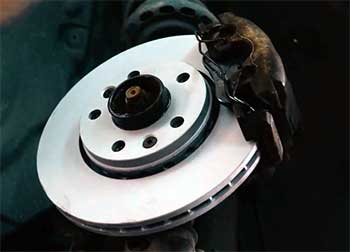
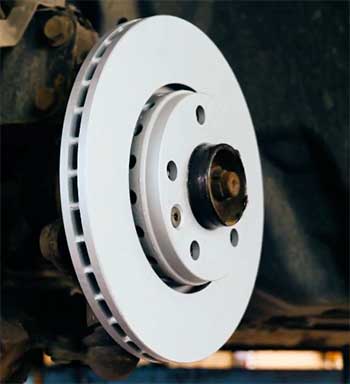
I ordered a full set of Element3 rotors and matched them with their hybrid pads. When the box arrived, the first thing I noticed was the weight. These felt dense and substantial, not cheap or hollow. But the real standout was the appearance. The entire rotor, including the cooling vanes inside, was covered in this grey, matte finish. It looked clean and industrial.
Installation was straightforward (they fit perfectly), but the real test was the first drive. The “bite” was immediate. You know that mushy feeling some new brakes have? These didn’t have that. They grabbed firm and smooth. The vibration in my steering wheel vanished instantly.
Fast forward through a particularly nasty winter with heavy road salt usage. Usually, by spring, my rotors look like artifacts raised from the Titanic—crusty and orange. Last week, I swapped my winter tires off and took a good look at the Raybestos rotors. I was genuinely shocked. The braking surface was shiny (obviously), but the “hat” (the center part) and the cooling vanes were still grey. No scaling. No flaking rust. They looked almost new. For the price I paid, that level of durability is something I haven’t seen in aftermarket parts in a long time.
Also read: My Thoughts on Valvoline Restore and Protect
Pros Of Raybestos Brake Rotors
- Superior Rust Protection (Element3 Line): The absolute standout feature here is the proprietary coating. Raybestos uses what they call “Grey Fusion 4.0” coating on their Element3 rotors. Unlike standard rotors that come covered in oil (which you have to painfully scrub off with brake cleaner before installing), these come ready to install right out of the box. The coating covers the entire rotor, including the internal cooling vanes. As you drive, the brake pads wear the coating off the friction surface, but it stays on the hub, edges, and internal vanes. This prevents “rust jacking,” where rust builds up and pushes the rotor out of alignment, and keeps your wheels looking clean.
- Excellent Heat Dissipation: Heat is the enemy of brakes. When rotors get too hot, they can warp (technically, they develop thickness variation) or cause “brake fade,” where you lose stopping power. Raybestos designs their rotors with OE-matched vane configurations. This means if your original car had curved vanes to scoop air, Raybestos mimics that rather than using a cheap straight-vane design. This attention to detail ensures air flows through the rotor efficiently, keeping temperatures down during long descents or heavy traffic. My experience with zero fade during sudden highway stops confirms this engineering works.
- Strict Tolerance Standards: One of the biggest issues with aftermarket rotors is “runout”—basically, the rotor wobbling because it isn’t perfectly flat. Raybestos advertises extremely tight tolerances for lateral runout (often less than 0.002 inches). In practical terms, this means smooth braking from day one. You don’t get that pulsating pedal feel that suggests a manufacturing defect. They are mill-balanced, meaning they are spun at the factory and shaved down in specific spots to ensure they spin perfectly true, just like a balanced tire.
- Wide Range of Options: Raybestos doesn’t force you into a single tier. They understand that a college student driving a beater Honda Civic has different needs than a contractor towing a boat with an F-150. They offer distinct lines: the R-Line is their reliable, budget-friendly option for standard commuting; the Element3 is the premium, coated line for harsh climates and longevity; and the Specialty line caters to police cars, school buses, and performance trucks. You can choose exactly the level of performance you need for your specific budget.
- No “Bedding-In” Required (Usually): While I always recommend a few gentle stops to settle new brakes, Raybestos rotors are generally ready to go immediately. Because of the non-directional ground finish, they don’t require an aggressive break-in period to mate with the pads. This is a huge plus for the DIY mechanic who just wants to install the parts and get on with their day. You can drive normally right out of the driveway without finding a desolate highway to do ten consecutive 60-0 mph stops.
Cons Of Raybestos Brake Rotors
- Packaging Can Be Hit or Miss: This is a logistical issue rather than a product flaw, but it affects the user experience. Brake rotors are heavy chunks of iron. If you order them online, they are often thrown into a cardboard box with minimal padding. I have seen reports—and experienced it once myself—where the heavy rotors tore through the cardboard during shipping. While the iron itself is rarely damaged, it can lead to bent cooling fins or scuffs on the coating. It is frustrating to receive a brand new premium product in a box that looks like it went through a war zone.
- R-Line Can Rust Quickly: It is important to distinguish between the lines. If you buy the cheaper “R-Line” rotors, you are generally not getting the full Grey Fusion coating. These are standard iron rotors. If you live in a dry climate like Arizona, this is fine. But if you buy the R-Line in Chicago or New York, do not expect them to stay silver. They will develop surface rust on the hubs just like any other standard rotor. You have to pay the extra few dollars for the Element3 line to get that corrosion resistance, and some buyers feel misled if they don’t read the fine print.
- Global Manufacturing Shift: For those who prioritize “Made in USA” products, it is worth noting that Raybestos, like almost every other major automotive brand, now manufactures globally. Many of their rotors are made in state-of-the-art facilities in China. While their quality control is rigorous and the metallurgy is G3000-qualified iron, some purists prefer to hunt for new-old-stock American iron. However, in my testing, the country of origin has not negatively impacted the performance or durability compared to older parts I have used.
- Potential Noise During Break-In: While the coating is a huge pro, it can have a minor side effect. As the brake pads scrub the Grey Fusion coating off the friction surface during the first 5-10 miles of driving, you might hear a swishing or grinding noise. This is completely normal and temporary, but it can be alarming if you aren’t expecting it. You might think you installed something wrong. It requires a bit of patience to let that coating wear away to reveal the bare metal underneath for silent braking.
- Confusing Part Number System: Raybestos has a massive catalog, and sometimes navigating it can be tricky. For a single vehicle, there might be three different rotor options available. Unless you are using a very organized site like RockAuto, you might accidentally order the R-Line when you wanted the Element3, or vice versa. The naming conventions (using codes like “980xxx” vs “980xxxFZN”) can be subtle, leading to ordering mistakes if you aren’t paying close attention to the product description.
Maintenance Tips For Raybestos Brake Rotors
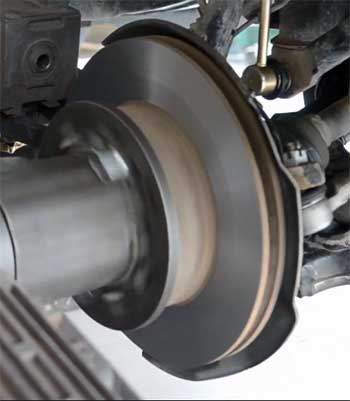
- Clean the Hub Surface Thoroughly: This is the single most important step in preventing “warped” rotors. Before you slide the new Raybestos rotor onto your car, you must take a wire brush or a drill with a wire wheel attachment and scrub the wheel hub until it shines. Even a tiny speck of rust or dirt trapped between the hub and the rotor will cause the rotor to sit slightly crooked. Over a few thousand miles, this wobble will wear the rotor unevenly, and your steering wheel will start shaking again. Do not skip this step.
- Use the Star Pattern for Lug Nuts: When you put your wheel back on over the rotor, how you tighten the lug nuts matters immensely. If you tighten one nut all the way down while the others are loose, you can actually warp the rotor hat with the pressure. You must tighten them in a star pattern (criss-cross) and use a torque wrench to set them to the manufacturer’s specification. Uneven torque is one of the leading causes of premature rotor failure, not the rotor quality itself.
- Check Your Caliper Slide Pins: New rotors cannot fix a seized caliper. When you have the brakes apart, pull out the slide pins (the metal bolts the caliper floats on), clean them, and regrease them with high-temperature silicone brake grease. If these pins are stuck, your brake pads will drag against your nice new Raybestos rotors constantly, overheating them and wearing them out in half the time. If the pins are rusty, replace them—they are cheap insurance for your new rotors.
- Avoid “Thermal Shock” After Heavy Braking: If you have just done some spirited driving, towed a heavy trailer down a hill, or had to panic stop on the highway, try not to keep your foot clamped on the brake pedal once you come to a stop. The intense heat from the pads can “bake” a spot onto the hot rotor if held there, creating a high spot that feels like a warp. If safe to do so, creep forward slightly or put the car in park to take the pressure off the hot rotor while it cools down.
- Monitor the Coating Wear: For Element3 rotors, keep an eye on the edge of the rotor through your wheel spokes. The friction surface should be shiny metal, but the edges and center hat should remain grey. If you see the grey coating starting to peel or bubble on the hub (which is rare), it might be a sign of extreme heat or chemical damage from harsh wheel cleaners. Avoid using acidic wheel cleaners directly on the rotors, as strong acids can eventually eat through even the best protective coatings.
Read more: My Thoughts on Dorman Auto Parts
Comparison with Other Brands
- Raybestos vs. Bosch QuietCast: This is a battle of the titans. Bosch QuietCast rotors are also premium, coated, and highly regarded. The difference is in the balancing: Raybestos often highlights their mill-balancing process more aggressively, and in my experience, Raybestos Element3 rotors tend to have a slightly thicker coating than the Bosch aluminum-based spray. However, Bosch rotors are famous for being incredibly quiet. If you are a stickler for silence, Bosch might have a slight edge. If you live in the rust belt and want maximum corrosion resistance, Raybestos Element3 is often the superior choice.
- Raybestos vs. Wagner E-Shield: Wagner is Raybestos’s most direct competitor in the daily driver market. The Wagner E-Shield rotors also feature a protective coating (usually black or grey). The difference is often availability and price: In many cases, Raybestos Element3 rotors are slightly more affordable than their Wagner counterparts for the same vehicle. Performance-wise, they are neck-and-neck. However, many mechanics prefer the Raybestos “hat” design on certain truck applications, finding them to be a bit more robust against heavy loads than the standard Wagner offering.
- Raybestos vs. PowerStop: PowerStop is famous for their “drilled and slotted” rotors. They look cool and race-ready. The reality of daily driving: Drilled rotors are prone to cracking under stress, and slotted rotors can eat up brake pads faster. Unless you are actually tracking your car or have major heat issues towing, the solid, high-mass design of a Raybestos rotor is actually better for longevity. PowerStop kits are great for a specific “look,” but for a reliable, noise-free daily driver that lasts 50,000 miles, a solid Raybestos rotor is often the more practical engineering choice.
- Raybestos vs. “White Box” (Store Brand): Go to any auto parts store, and they will offer you their house brand (Duralast, Wearever, etc.). The difference is metallurgy: Cheap rotors use recycled iron with higher impurity levels, which leads to noise and faster warping. Raybestos uses G3000 qualified iron, which has a specific carbon and hardness structure designed to dampen noise and resist heat cracks. While the store brand might save you $15 per rotor, you will likely be replacing them in a year. Raybestos is the “buy it nice or buy it twice” winner here.
Frequently Asked Questions (FAQ)
Yes, they are considered one of the best aftermarket brake brands available. With over 100 years of history, they produce rotors that often meet or exceed Original Equipment (OE) specifications. Their Element3 line is particularly praised by mechanics for its durability and rust resistance in harsh climates.
Raybestos, like most modern automotive parts manufacturers, produces its rotors globally. The majority of their rotors are manufactured in high-tech facilities in China. However, they maintain strict engineering oversight and quality control standards that adhere to North American specifications, distinguishing them from generic “cheap” Chinese parts.
It depends on the line. Element3 rotors do not need to be cleaned with brake cleaner; they are ready to install right out of the box due to their coating. R-Line (and other uncoated) rotors come with an oil film to prevent rust in the box; these must be thoroughly sprayed and wiped down with brake cleaner to remove the oil before installation, or your brakes will smoke and fail to grip.
Both are excellent, but they excel in slightly different areas. Raybestos is often favored for its Element3 rotor coating and heavier-duty truck applications. Wagner is frequently preferred for their brake pads (ThermoQuiet). A common “pro” setup is to pair Raybestos Element3 rotors with Wagner ThermoQuiet pads for the best of both worlds.
Conclusion
Raybestos rotors are the sweet spot between cheap replacement parts and expensive performance upgrades. They solve the two biggest headaches of brake ownership: vibration and rust. By investing in the Element3 line, you are effectively “rust-proofing” your wheel hubs for the life of the rotor. While you need to be mindful of proper installation techniques, the peace of mind and stopping power you get for the price make them a fantastic value. If your car shakes when you stop, I highly recommend grabbing a set of Raybestos Element3 Coated Rotors to smooth out your ride.