
I was in that exact spot—feeling sluggish, overwhelmed by choices, and skeptical that a compressed tablet of “superfoods” could actually replace a salad. Rainbow Light has been a staple on health food store shelves for decades, famous for their “one-a-day” convenience and digestive support.
You should buy this product if you are looking for a high-potency multivitamin that is gentle on the stomach (thanks to added enzymes) and want a convenient single-pill solution that covers both basic nutrients and trace superfoods.
However, if you are strictly looking for a gummy that tastes like candy, or if you are deeply concerned about past legal controversies regarding heavy metal testing, you might want to consider other organic brands like Garden of Life or stick to a simple USP-verified generic.
My Experience With Rainbow Light Vitamins

I decided to try the Rainbow Light Women’s One after hitting a mid-afternoon energy slump that no amount of coffee could fix.
I had heard friends rave about the “energy difference,” and honestly, the idea of getting my daily nutrients plus a “rainbow blend” of spirulina and beets in a single pill sounded efficient.
I am terrible at taking pills three times a day, so the “one-and-done” promise was the biggest selling point for me.
When I opened the bottle, the first thing that hit me was the smell. It is distinct—earthy, herbal, and definitely not like a fruity gummy.
It smells like a health food store condensed into a bottle. The tablet itself is large.
I mean, really large. It’s a beige, speckled oval that looks substantial.
If you have trouble swallowing pills, this is the first hurdle. I learned quickly to take it with a significant amount of water.
The first few days were… colorful. Literally. About two hours after taking my first dose, I went to the bathroom and was greeted by neon yellow urine. While alarming at first, I knew this was just the excess B-vitamins (specifically riboflavin) being flushed out, which actually reassured me that the tablet was dissolving and absorbing, not just passing through.
In terms of how I felt, the shift was subtle but noticeable. I didn’t wake up with superpowers, but around day ten, I realized I wasn’t reaching for a sugar fix at 3 PM. My energy felt more “level” throughout the day. The biggest surprise, though, was the digestion factor. Most multivitamins make me nauseous if I don’t eat a full meal with them. Thanks to the “Digestive Support Blend” (which includes ginger and probiotics), I could take this on a light breakfast of just toast and coffee without feeling that gnawing stomach ache.
After two months of consistent use, my fingernails—usually brittle and prone to peeling—felt harder. My skin looked a bit brighter, though that could have been the placebo effect of feeling “healthier.” The only downside in my daily routine was the size of the pill and the occasional “vitamin burp” if I didn’t drink enough water. But for the convenience and the noticeable steady energy, it felt like a fair trade-off. It felt less like a medical chore and more like a nutritional safety net that I could actually stick to.
Read more: My Thoughts on NativePath MCT Oil Powde
Pros Of Rainbow Light Vitamins
- Digestive Support With Enzymes And Probiotics: One of the most significant advantages of Rainbow Light over standard drugstore brands is the inclusion of a dedicated digestive blend. Many people stop taking multivitamins because they cause nausea, cramping, or constipation (especially with iron). Rainbow Light includes plant-sourced enzymes like protease, amylase, and lipase, along with shelf-stable probiotics (often Bacillus coagulans). This combination helps break down the nutrients in the tablet and the food you eat, making the vitamin significantly gentler on the stomach. For users with sensitive guts or IBS, this feature alone often makes Rainbow Light the only tolerable option.
- Food-Based Nutrient Delivery System: The core philosophy of Rainbow Light is that vitamins are best absorbed when accompanied by food co-factors. Instead of just isolating synthetic ascorbic acid (Vitamin C), they blend it with a “Rainbow Superfoods Blend” containing spirulina, beet root, broccoli, kale, and carrot. The theory is that your body recognizes these whole-food markers and absorbs the synthetic nutrients more efficiently. While it doesn’t replace eating vegetables, this “food-based” matrix provides a spectrum of phytonutrients and antioxidants that you simply do not get from a generic Centrum or One A Day tablet.
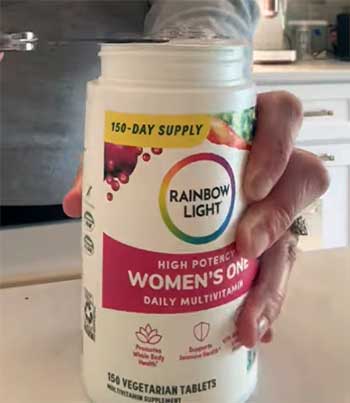
- High Potency B-Complex For Energy: If you look at the label, you will see that the B-vitamin counts are often well above 100% of the Daily Value—sometimes hitting 200% or 400% for B6 and B12. This “megadosing” of water-soluble vitamins is designed to combat stress and fatigue. B-vitamins are crucial for converting food into fuel. Many users, myself included, report a tangible “clean” energy boost that doesn’t feel jittery like caffeine. This makes it an excellent choice for busy professionals, parents, or students who feel chronically drained and need metabolic support.
- Convenient One-Tablet Daily Dosage: In the world of premium, whole-food vitamins, it is common to see serving sizes of 3, 4, or even 6 capsules per day (looking at you, Garden of Life Vitamin Code). Rainbow Light manages to compress a comprehensive nutrient profile into a single tablet. For people who struggle with compliance—forgetting to take that second or third dose at lunch—this simplicity is a massive pro. It ensures you get your full nutritional insurance policy every single morning without having to carry a pill case around.
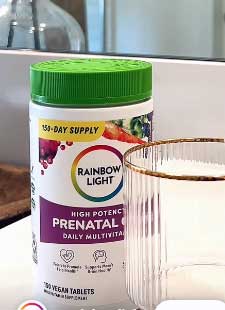
- Customized Formulas For Life Stages: Rainbow Light doesn’t just offer a “one size fits all.” Their product line is expertly segmented. They have the “Prenatal One,” which is a market leader for its high iron and folate content; the “Men’s One” which adds lycopene and saw palmetto for prostate health; and “Women’s One” which focuses on bone health and hormone balance with Dong Quai and Spirulina. They even offer a “50+” line that removes iron (which can be dangerous for seniors in excess) and boosts brain-supporting nutrients. This specificity ensures you aren’t paying for nutrients you don’t need or missing ones you do.
Cons Of Rainbow Light Vitamins
- Large Tablet Size Can Be Difficult To Swallow: The trade-off for packing so many nutrients and superfood powders into a single pill is the physical size of the tablet. These are not petite softgels; they are large, compressed “horse pills” with a somewhat chalky texture. They are not coated in a slick, sugary shell like some cheaper brands. For elderly users or those with a sensitive gag reflex, this can be a dealbreaker. While they can be cut in half with a pill cutter, the jagged edges can make swallowing even more unpleasant.
- History Of Heavy Metal Concerns: It is impossible to review this brand without addressing the elephant in the room. In 2020, Rainbow Light (and its parent company Nutranext) settled a class-action lawsuit regarding claims that their prenatal vitamins contained detectable levels of heavy metals like lead, despite being labeled as “free of heavy metals.” While the company maintains that these levels were naturally occurring due to the plant-based ingredients (minerals from soil) and were within safe limits, the controversy damaged their reputation. For hyper-vigilant consumers, especially pregnant women, this past legal issue is a significant “con” that forces them to look for brands with more transparent, recent third-party testing.
- Synthetic Folic Acid vs. Methylfolate: While Rainbow Light has started updating some formulas, many of their classic versions still use Folic Acid rather than the more bioavailable Methylfolate. For the estimated 40% of the population with the MTHFR gene mutation, processing synthetic folic acid can be difficult and potentially harmful. Competitor brands in the same price range (like SmartyPants or Thorne) have largely switched to Methylfolate. You have to read the back of the specific bottle carefully to know which version you are getting, as it varies by batch and specific product line (e.g., their “High Potency” vs “Certified Organic” lines).
- Strong Smell And Taste: Because the tablets are packed with spirulina, chlorella, and B-vitamins without a heavy sugar coating, they have a potent, distinctive odor. When you open a fresh bottle, the smell can be overwhelming—often described as “fish food,” “hay,” or “yeast.” If you have morning sickness (for the prenatal version) or are just sensitive to smells, opening the bottle might trigger nausea before you even take the pill. The taste can also linger if you don’t swallow it immediately.
- Price Per Bottle Is Higher Than Drugstore Brands: While not as expensive as luxury subscription vitamins, Rainbow Light sits at a premium price point compared to Nature Made or Kirkland Signature. You are paying for the “food-based” sourcing and the added enzymes. If you are on a strict budget, paying $25-$40 for a bottle of vitamins might feel excessive, especially when you can get a year’s supply of generic multis for the same price at Costco. You have to value the digestive support and ingredient quality to justify the extra cost.
Maintenance Tips For Rainbow Light Vitamins
- Store In A Cool, Dark Place To Prevent Oxidation: “Food-based” vitamins are more sensitive to the elements than purely synthetic ones. The superfood powders (spirulina, kale, etc.) can oxidize if exposed to heat and humidity, leading to black spots appearing on the tablets or a rancid smell. Do not keep these in a bathroom cabinet where steam from the shower gets trapped. A cool kitchen pantry or a bedside drawer away from direct sunlight is ideal. Keep the lid tightly closed and do not remove the little desiccant packet inside the bottle—it is there to absorb moisture and keep the tablets fresh.
- Take With A Meal For Maximum Absorption: Even though Rainbow Light is marketed as “gentle on the stomach,” it is scientifically better to take any multivitamin with food. Fat-soluble vitamins (A, D, E, and K) require dietary fat to be absorbed by your body. If you take the pill with just water on an empty stomach, you might pee out a lot of the expensive nutrients or experience a “vitamin flush.” Taking it with breakfast—even just some yogurt or avocado toast—ensures your body can actually utilize the ingredients you paid for.
- Hydrate Heavily To Flushes Excess B-Vitamins: As mentioned in my experience, the high potency of B-vitamins will turn your urine bright yellow. This is harmless, but it puts a slight workload on your kidneys to filter out what isn’t used. To help your body process the high mineral content and prevent any potential kidney stone formation (a risk with any calcium/oxalate containing supplement), you should increase your water intake. Aim for an extra glass of water immediately after taking the pill to help it dissolve and move through your digestive tract.
- Check The Expiration Date Religiously: Because these vitamins contain “live” ingredients like probiotics and enzymes, they have a stricter shelf life than synthetic minerals. The potency of the probiotics (the CFU count) degrades over time, especially after the bottle is opened. Try to buy a bottle size that you will finish within 3 to 4 months. Buying a massive 300-count bottle from a warehouse club might seem like a deal, but if it takes you a year to finish, the last 100 pills might have virtually no active probiotic benefit left.
- Use A Pill Cutter If Struggling To Swallow: If the size of the “Prenatal One” or “Men’s One” is daunting, do not try to be a hero and choke it down. Invest in a cheap $5 pill cutter from the pharmacy. The tablets are compressed powder, so they snap relatively easily. Cutting it in half makes it much manageable. Just be aware that the cut edge might taste a bit sharp or “green” because you have exposed the inner core of the superfood blend. Swallow quickly with juice to mask the flavor.
Also read: My Thoughts on Dr. Kellyann Bone Broth
Comparison With Other Brands
Comparison with Garden of Life (Vitamin Code)
Garden of Life is the “Whole Food” Purist. Their “Vitamin Code” line is raw, uncooked, and untreated, emphasizing that the nutrients are created through cultivation with yeast and bacteria. Rainbow Light is a hybrid. It uses synthetic nutrients blended with food bases. Garden of Life usually requires 4 capsules per day to get the full dose, whereas Rainbow Light is one tablet. This is the biggest functional difference. If you hate pills, Rainbow Light wins. If you want truly raw, organic nutrients and don’t mind swallowing a handful of capsules, Garden of Life is the superior “clean” choice. Price-wise, Garden of Life is typically more expensive per day.
Comparison with SmartyPants (Gummies)
SmartyPants is the “Flavor King.” Their gummy vitamins taste delicious and use premium ingredients like Methylfolate and Methylcobalamin (B12). However, SmartyPants gummies often lack Iron. Iron is metallic and hard to mask in a gummy, so they leave it out. Rainbow Light includes Iron. If you are anemic or pregnant, Rainbow Light is the better medical choice. SmartyPants also contains sugar (or sugar alcohols) and requires you to eat 4-6 gummies per serving. Rainbow Light is zero sugar and one pill. If you treat vitamins like a treat, go SmartyPants. If you treat them like a supplement, go Rainbow Light.
Comparison with New Chapter (Every Woman’s One Daily)
New Chapter uses “Fermented” Nutrients. Similar to Garden of Life, they ferment their vitamins with probiotics to make them highly absorbable. New Chapter is often lower potency. If you compare the labels, Rainbow Light often has significantly higher % DV for B-vitamins and Zinc compared to New Chapter. New Chapter is arguably gentler. Because the nutrients are pre-digested via fermentation, New Chapter is the “Gold Standard” for taking on an empty stomach. Rainbow Light is the value winner. You typically get higher nutrient counts for a lower price with Rainbow Light, while New Chapter charges a premium for the fermentation process.
Comparison with Nature Made (Multi For Her/Him)
Nature Made is the “USP Verified” Standard. You find these everywhere. They are simple, synthetic, and strictly quality-controlled. Nature Made is significantly cheaper. You can buy them for pennies a day. Rainbow Light offers the “Superfood” edge. Nature Made gives you Vitamin C; Rainbow Light gives you Vitamin C plus spirulina and enzymes. If you have a cast-iron stomach, Nature Made is fine. If you need digestive help or want those trace phytonutrients, the extra cost of Rainbow Light is justified. Nature Made is basic insurance; Rainbow Light is premium coverage.
Frequently Asked Questions (FAQ)
Rainbow Light was acquired by Clorox (yes, the bleach company) in 2018 when they bought the parent company, Nutranext. While this shocked some health enthusiasts, the company operates under the “Nutranext” division, which also owns brands like NeoCell and Natural Vitality (Calm). They maintain that their sourcing and manufacturing standards have remained consistent with their heritage.
This is a complex question. In 2020, the company settled a lawsuit regarding lead levels. The company states that because their products are plant-based and contain minerals from the earth, trace amounts of naturally occurring lead can be present (as they are in spinach or carrots). They assert that their products meet all federal safety guidelines and California’s strict Prop 65 standards. However, they are no longer marketed as “free of heavy metals” to avoid legal ambiguity.
Most of them are vegetarian, but you must check the label for “Certified Vegan.” Some of their products contain Vitamin D3 sourced from Lanolin (sheep’s wool), which is vegetarian but not vegan. However, they have released specific “Vegan” lines and gummies that use lichen-sourced Vitamin D. Always look for the “V” icon on the bottle if this is critical for you.
Yes, generally. The inclusion of the “Digestive Support Blend” with ginger and enzymes is specifically designed to allow you to take the vitamin without food. However, for the absolute best absorption and to minimize any risk of nausea (which can happen with any zinc/iron supplement), taking it with at least a small snack is always recommended.
Rainbow Light products are manufactured in the USA in GMP (Good Manufacturing Practice) certified facilities. While the manufacturing happens in the US, the ingredients themselves (like many supplement brands) may be sourced globally to ensure year-round availability of specific superfoods and herbs.
Conclusion
Rainbow Light Vitamins occupy a unique sweet spot in the supplement world: they bridge the gap between cheap, synthetic drugstore pills and ultra-expensive, high-maintenance whole-food subscriptions. You should buy this product if you want a robust, “one-and-done” nutritional safety net that supports your energy and digestion without cluttering your counter with five different bottles.
While the large pill size and the historical legal hiccups are valid concerns, the tangible benefits—energy stability, digestive ease, and comprehensive formulas—make them a worthy investment for most adults. If you can handle the size (or a pill cutter), they remain one of the most efficient ways to “eat your greens” when life gets busy.