
I have spent countless hours driving through torrential downpours and blinding snowstorms, realizing that the only thing separating safety from disaster is a thin strip of rubber on the windshield. If you are stuck deciding between the premium Rain-X Latitude and the classic Rain-X Weatherbeater, you are not alone in this dilemma.
My goal here is to help you cut through the marketing noise and figure out exactly which wiper blade suits your driving habits and budget. In this article, I will walk you through the specific pros, cons, and maintenance realities of both blades so you can confidently choose the right one for your car.
A Brief Comparison Table Between
| Feature | Rain-X Latitude | Rain-X Weatherbeater |
| Blade Technology | Beam Blade (Contoured) | Conventional (Frame-style) |
| Water Repellency | Built-in Water Repellency Coating | Natural Rubber Squeegee |
| Pressure Distribution | Infinite Pressure Points | Multiple Pressure Points (Bridge) |
| Aerodynamics | Integrated Spoiler for Downforce | Galvanized Steel Frame |
| Winter Performance | Excellent (Resists Ice Buildup) | Good (Can Clog with Ice) |
| Durability | High (Synthetic Blend) | Moderate (Natural Rubber) |
| Installation | Universal Adapter (J-Hook/PTB) | Small J-Hook & Pin Arms |
| Price Tier | Premium | Budget-Friendly |
My Experience With Rain-X Latitude
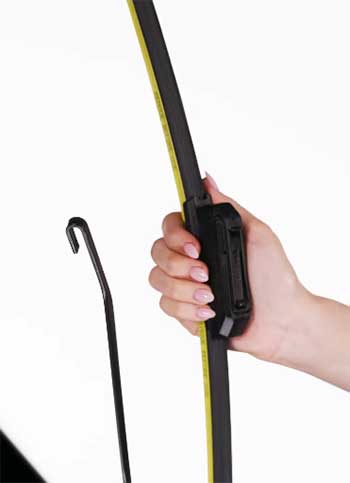
When I first switched to the Rain-X Latitude, I was skeptical about whether a “beam blade” was actually an upgrade or just a fancy aesthetic choice.
The first thing I noticed was the lack of a metal frame. Instead of the traditional coat-hanger style bridges, the Latitude is just one solid, curved piece of material.
I remember installing them in a parking lot right before a heavy highway drive.
The installation was slightly different than the old click-in types I was used to, but the pre-installed adapter snapped onto my J-hook arm without much fighting.
Once I hit the road and the rain started, the difference was immediate.
The beam design hugged the curvature of my windshield much tighter than my previous blades.
There were no gaps near the edges, which is a common annoyance with cheaper blades.
What really stood out to me was the water-beading technology. Rain-X claims these blades coat your glass with their water-repellent formula as they wipe, and I can confirm this actually happens.
After a few minutes of use, the rain started beading up and flying off the glass even before the wiper touched it. It felt like I had manually applied a liquid treatment, but the blade was doing the work for me.
However, it was not all perfect. I did notice that after about six months of intense sun and sporadic use, the initial “glide” felt a little less smooth, though they still cleared water effectively.
Pros Of Rain-X Latitude
- Beam Blade Technology: The most significant advantage of the Latitude is its beam construction, which eliminates the metal frame found on traditional wipers. This allows the blade to contour perfectly to the curvature of modern, high-slope windshields. Unlike traditional blades that rely on six or eight pressure points, the beam design applies infinite pressure points along the entire length of the blade. This ensures that you get a streak-free wipe even on the passenger side, where the glass curves sharply. I found this particularly helpful in maintaining visibility during light mists, which often cause standard blades to skip or streak.
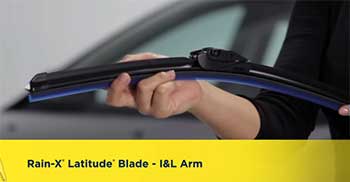
- Water Repellency Coating: This is the “killer feature” that sets the Latitude apart from almost every other blade on the market. The rubber squeegee is treated with the proprietary Rain-X water-repelling formula.1 As the blade wipes back and forth, it transfers this coating onto the glass. I have found that this significantly improves visibility when you are driving at highway speeds because the wind pushes the beaded water off the glass instantly. It reduces the need to run the wipers on high speed, which in turn extends the life of the wiper motor and the blades themselves.
- Aerodynamic Spoiler Design: Wind lift is a major issue with traditional wipers, especially when you are driving over 60 mph.2 The Latitude features an integrated aerodynamic spoiler that uses the wind to push the blade down against the glass.3 I noticed that even during high-speed interstate driving in a storm, the blades stayed planted firmly against the windshield. There was no “chattering” or lifting, which is often a scary experience with cheaper blades that start floating when the wind catches underneath the metal frame.
- Superior All-Weather Performance: Since there is no exposed metal frame, there are no crevices for snow and ice to build up in. In my experience driving through winter conditions, traditional blades often freeze at the hinges, causing them to lift off the glass and leave massive un-wiped streaks. The Latitude’s smooth, encased profile prevents this ice clogging completely. The synthetic rubber blend is also designed to remain flexible in extreme cold, meaning the squeegee won’t crack or become brittle as quickly as natural rubber would in freezing temperatures.
- Noise Reduction: One of the subtler but very appreciated benefits is how quiet these blades are. Because of the even pressure distribution and the graphite-coated rubber, the friction against the glass is minimized. I realized after switching that my old wipers made a distinct “thwack-thwack” sound at the reversal point. The Latitude is nearly silent, provided the windshield is wet enough. This reduction in noise contributes to a much more pleasant and less fatigued driving experience during long trips in bad weather.
Cons Of Rain-X Latitude
- Higher Price Point: The most immediate drawback you will notice is the cost. Rain-X Latitude blades are significantly more expensive than the Weatherbeater or other standard conventional blades. For a full set (driver, passenger, and rear), you are looking at a substantial investment. If you are on a tight budget or if you live in an area where you don’t encounter severe weather often, paying the premium for beam technology and water repellency might feel like overkill. I have often questioned if the extra cost is justified for a vehicle that sits in a garage most of the time.
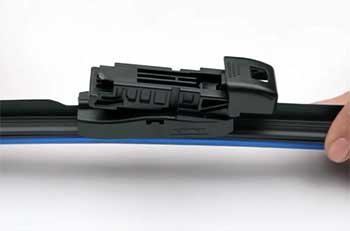
- Installation Compatibility Issues: While Rain-X advertises these as “universal,” the reality can be a bit more frustrating. The Latitude comes with a chunky adapter mechanism designed to fit multiple arm types (J-Hook, Pin, PTB, I&L).4 I have found that this universal adapter can look bulky and unsightly on some car models, ruining the sleek look of the wiper arm. Furthermore, on certain older vehicles or specific European imports, the adapter might not lock in as securely as an OEM blade, requiring you to fiddle with different plastic clips that are easy to break.
- Potential Haze or Smearing: The water-repellent coating is a double-edged sword. While it beads water beautifully, I have noticed that it can sometimes leave a temporary haze or “fog” on the windshield immediately after a wipe, especially in humid, misty conditions or at night under streetlights. This micro-haze disappears in a split second, but for some drivers, that momentary lack of crystal-clear clarity can be distracting. If your windshield is not perfectly clean before installation, the coating can seal in dirt, leading to permanent smearing until you deep clean the glass.
- Durability in Extreme Heat: While these blades excel in winter, my experience in scorching summer heat has been mixed. The synthetic rubber, while durable, seems to suffer from “taking a set” if left unused under direct sunlight for weeks. I have seen instances where the blade edge warps slightly after a hot summer, leading to missed spots right in the driver’s line of sight once the rainy season returns. The integrated spoiler, being plastic/rubber, can also fade and turn a grayish color over time due to UV exposure, making the blades look old faster than metal-framed ones.
- Not Refillable: In the past, you could simply slide out the rubber squeegee and replace it for a few dollars while keeping the metal frame. The Rain-X Latitude is a disposable unit. Once the rubber wears out or tears, you have to throw the entire blade assembly away—plastic spoiler, connector, and all. This creates more plastic waste and forces you to buy the entire expensive assembly every time, rather than just the cheap rubber insert. For the eco-conscious or thrifty mechanic, this lack of refillability is a definite negative.
Read More: My Thoughts On Windshield Repair Kit
Maintenance Tips For Rain-X Latitude
- Clean the Squeegee Regularly: Most people think their wipers are worn out when they start streaking, but often they are just dirty. I recommend taking a paper towel soaked in rubbing alcohol or standard windshield washer fluid and wiping the rubber edge of the Latitude blade every time you fill your gas tank. You will be shocked at the amount of black gunk (road grime, oil, and sap) that comes off. Keeping the rubber clean ensures that the water-repellent coating can actually transfer to the glass and prevents abrasive debris from damaging the squeegee edge prematurely.
- Decontaminate Your Windshield: The performance of the Latitude is heavily dependent on the condition of the glass it is wiping. If your windshield has tree sap, bug guts, or industrial fallout stuck to it, the blade will skip and chatter. I suggest using a clay bar or a dedicated glass stripper on your windshield before installing new Latitude blades. This creates a perfectly smooth surface, allowing the beam blade to form that critical seal and effectively deposit its Rain-X coating without interference.
- Park Away from Direct Sunlight: As I mentioned in the cons, UV rays are the enemy of wiper blades. If possible, park your car in the shade or use a windshield sunshade. While the sunshade protects the dashboard, parking in the shade protects the exterior rubber of the wipers.5 If you must park in the sun regularly, consider lifting the wipers off the glass (if you are not worried about wind) or simply accept that you might need to replace them sooner than the rated 12 months. Heat causes the rubber to harden, which leads to chattering and skipping during the first rain of the season.
- Avoid Dry Wiping: Never run your Latitude wipers on a dry windshield. The friction between dry rubber and dry glass is incredibly high and generates heat that can tear the fine edge of the squeegee. If you need to clear pollen or dust, always use the windshield washer fluid function first. Since the Latitude relies on a specific chemical coating on the rubber, dry wiping can rub this coating off unevenly, leading to patchy water beading performance later on when you actually need it in the rain.
- Check the Adapter Security: Because the Latitude uses a universal adapter system, it can sometimes loosen up over time due to vibration and temperature changes. I make it a habit to physically wiggle the wiper attachment point every couple of months to ensure it is still clicked in securely. There is nothing more terrifying than a wiper blade flying off on the highway in the middle of a storm because the plastic clip became brittle or loose. A quick check ensures the blade stays locked to the arm.
Comparison with other brands (Focused on Latitude)
- Versus Bosch Icon: The biggest competitor to the Rain-X Latitude is the Bosch Icon. In my direct comparison, the Bosch Icon tends to have a slightly more durable rubber compound (FX dual rubber) which lasts a bit longer in extreme heat than the Latitude. However, the Bosch Icon does not come with the water-repellency coating that Rain-X offers. If your priority is purely longevity and you don’t care about the water-beading effect, the Icon might have the edge. But if you want that hydrophobic property that clears water faster, the Latitude is the superior choice because it actively modifies the behavior of the water on the glass.
- Versus Michelin Stealth Ultra: The Michelin Stealth Ultra is a hybrid blade, attempting to mix the beam style with a traditional frame.6 I have found that while the Michelin is cheaper, it tends to be bulkier and uglier on the windshield than the sleek profile of the Latitude. The Latitude’s connection system is also generally easier to figure out than Michelin’s “EZ-Lok” system, which I have struggled with on certain vehicles. Furthermore, the Michelin blades often lack the consistent pressure distribution of the Latitude, leading to more unwiped patches on the outer edges of the windshield.
- Versus ANCO Contour: The ANCO Contour is another premium beam blade, but in my testing, it falls short of the Latitude in terms of noise control. The Latitude feels significantly quieter and smoother across the glass. The ANCO blades seem to have a harder rubber compound that, while durable, creates more friction noise. Additionally, the availability of Rain-X Latitude is generally better; you can find them in almost any gas station or big-box store, whereas ANCO is often limited to auto parts stores. The convenience of grabbing a replacement Latitude while on a road trip gives it a logistical advantage.
- Versus PIAA Silicone: PIAA blades use silicone rubber, which is vastly superior to the synthetic rubber of the Latitude in terms of lifespan—silicone blades can last years. However, PIAA blades are often double the price of the Rain-X Latitude. While PIAA also leaves a water-repellent coating, the initial cost barrier is high. I view the Rain-X Latitude as the perfect middle ground: it gives you 80% of the performance of a high-end silicone blade like PIAA (including the water beading) but at a price point that is much more palatable for the average driver who replaces blades annually.
My Experience With Rain-X Weatherbeater
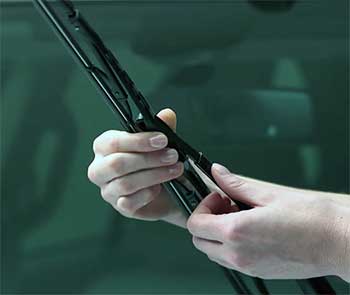
Moving on to the classic Rain-X Weatherbeater, this is the wiper blade most of us grew up with.
It represents the “old guard” of wiper technology.
I installed a pair of these on my second vehicle, an older sedan that I use for commuting around the city.
The installation was instantly familiar—the metal frame clicks into the J-hook with a satisfying snap that feels more mechanical and secure than the plastic adapters on beam blades.
The first thing I noticed was the construction. You can see the galvanized steel frame and the little hinges (claws) that hold the rubber squeegee.
Visually, it looks a bit dated compared to the sleek Latitude, but there is a ruggedness to it that I appreciate.
When it rains, the Weatherbeater does exactly what its name implies: it beats the weather, but without the finesse of the Latitude.
I noticed that the water removal is effective, but the wipe quality is not as uniform. You can sometimes see tiny streaks where the pressure points of the claws are pushing down, leaving the areas between the claws slightly less cleared.
However, for city driving at speeds under 45 mph, I found them to be perfectly adequate. They don’t have the magic water-beading coating, so the water tends to sheet rather than bead, but the natural rubber squeegee gives a very clean, sharp wipe initially.
The issue I faced was during the winter. Since I park outside, snow accumulated inside the metal frame.
Once that snow froze into ice, the bridge became rigid. This meant the blade couldn’t flex to touch the glass, and I ended up with a giant unwiped band right in my line of sight until I got out and physically broke the ice off the frame.
Also Read: My Thoughts On Shiny Car Stuff
Pros Of Rain-X Weatherbeater
- Galvanized Steel Frame: The backbone of the Weatherbeater is its galvanized steel frame.7 This gives the blade incredible structural integrity and resistance to rust and corrosion. Unlike plastic blades that can crack or snap under heavy stress, the steel frame is tough. I have found that this rigidity is actually a benefit in heavy mud or debris situations where you need a blade that can plow through grime without flexing too much. The metal construction also feels more substantial in your hand, giving you confidence that you are buying a product built to last physically, even if the rubber wears out.
- Cost-Effectiveness: This is the undeniable champion of the budget category. You can often buy two or even three pairs of Weatherbeaters for the price of one pair of Latitudes. If you are the type of person who likes to change your wipers every six months like clockwork, the Weatherbeater allows you to do that without breaking the bank. I find them to be the perfect choice for older cars, work trucks, or lease vehicles where you want safety and functionality but don’t want to invest in premium accessories.
- Natural Rubber Squeegee: While synthetic blends are fancy, there is something to be said for high-quality natural rubber. The Weatherbeater uses a natural rubber squeegee that provides a very crisp, streak-free wipe when it is new.8 Natural rubber tends to be softer and more compliant than some synthetics, which helps it conform to minor imperfections or pits in an older windshield. I have noticed that out of the box, the clarity provided by a fresh Weatherbeater is often just as good as a blade costing twice as much.
- Proven Design: The traditional frame design has been around for decades for a reason: it works. The bridge structure with multiple pressure points is simple and effective for windshields that don’t have extreme curvature. Because the design is so standardized, replacement is incredibly easy and predictable. There are no bulky adapters to figure out; it’s usually a direct fit for the hook arm. I appreciate the simplicity of a product that doesn’t try to reinvent the wheel but simply executes a proven concept well.
- Chemical Resistance: The natural rubber used in the Weatherbeater is treated to resist windshield washer fluid and road salt.9 I have driven behind salt trucks in the winter, and while the frame might get crusty, the rubber edge itself holds up surprisingly well against the harsh chemicals used to de-ice roads. This chemical resistance ensures that the rubber doesn’t dissolve or turn to mush after a season of heavy washer fluid usage, maintaining a decent wiping edge for longer than generic “store brand” wipers.
Cons Of Rain-X Weatherbeater
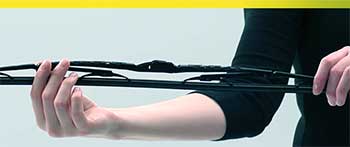
- Wind Lift at High Speeds: The biggest functional drawback I have experienced with the Weatherbeater is its aerodynamic performance—or lack thereof. The open metal frame acts like a sail. When I drive on the highway at speeds above 65 mph, the air gets caught under the frame structure, lifting the blade slightly off the glass. This results in “skipping” or missed patches of water right when you need visibility the most. Unlike the Latitude, which is pushed down by the wind, the Weatherbeater fights against it.
- Ice and Snow Clogging: If you live in a snowy climate, this is a dealbreaker. The metal “bridges” and “claws” that hold the rubber create open spaces where snow packs in. Once that snow freezes, the blade becomes a solid, inflexible stick. It loses its ability to curve against the windshield. I have had to pull over multiple times in blizzards to smack the wiper against the windshield to break the ice loose. It is frustrating and dangerous to have your visibility compromised because the wiper frame is frozen solid.
- Uneven Pressure Distribution: The Weatherbeater relies on six to eight specific pressure points (where the claws touch the rubber) to wipe the glass. While this works fine on flat glass, on curved modern windshields, it leaves gaps. I often notice streaks appearing exactly between the pressure points as the blade gets older and the rubber loses some stiffness. This leads to a “striped” wiping pattern that can be annoying and obstruct small details in your field of view.
- Faster UV Degradation: Natural rubber, while great for wiping, is generally more susceptible to UV damage than synthetic blends. I have found that Weatherbeaters tend to crack and split faster in hot, sunny climates. The rubber turns gray and hardens, leading to that horrible screeching noise across the glass much sooner than with the Latitude. If you park outside in the south, you might find yourself replacing these every 4 months rather than every 6 to 12.
- Dated Aesthetics: Let’s be honest, the look of the car matters to some of us. The Weatherbeater looks like a piece of equipment from the 1990s. On a modern, sleek vehicle with hidden wiper arms and aerodynamic lines, the clunky metal frame of the Weatherbeater sticks out like a sore thumb. It disrupts the visual flow of the car. While this doesn’t affect performance, it makes the vehicle look older and less maintained compared to the low-profile look of a beam blade.
Maintenance Tips For Rain-X Weatherbeater
- Lubricate the Hinges: Since the Weatherbeater relies on a metal frame with moving joints, these hinges can stiffen up over time due to corrosion or dirt. I recommend applying a tiny drop of silicone spray or light machine oil to the metal hinges (be careful not to get it on the rubber squeegee!) once or twice a year. This keeps the frame flexible and ensures that the claws can move freely to apply pressure where it is needed on the glass.
- Clear Debris from the Frame: The open frame design is a magnet for pine needles, leaves, and seed pods. I make it a habit to lift the wiper arm and shake out any debris trapped in the metal bridges every time I wash the car. If you leave organic matter stuck in there, it holds moisture against the metal, accelerating rust and preventing the blade from sitting flush against the windshield. A quick flick is all it takes to keep the mechanism working correctly.
- Inspect for Rust: The galvanized steel is good, but it is not invincible. If the paint on the frame chips, rust will start to form. I keep an eye out for any orange spots on the black frame. If I see rust starting, I know it is time to replace the blade, not just because it looks bad, but because rust particles can wash down onto the rubber squeegee and scratch the windshield glass. Replacing the blade at the first sign of frame corrosion saves your windshield from expensive damage.
- Park with Wipers Up in Winter: To combat the freezing issue I mentioned earlier, if I know a snowstorm is coming, I always prop the Weatherbeater arms up (if the car allows it). This prevents the rubber from freezing to the glass and, more importantly, keeps the frame out of the accumulating snow on the cowl. It makes clearing the windshield much easier and prevents you from damaging the rubber by trying to tear it off the frozen glass in the morning.
- Frequent Rubber Cleaning: Just like with the Latitude, the natural rubber of the Weatherbeater needs cleaning. However, because natural rubber is more porous, it absorbs road oils more easily. I find that I need to wipe down the edge of my Weatherbeaters more frequently—perhaps every two weeks—to maintain that crisp wipe. Use a damp cloth with water or a mild detergent; avoid harsh solvents on natural rubber as they can dry it out faster than synthetic materials.
Comparison with other brands (Focused on Weatherbeater)
- Versus ANCO 31-Series: The ANCO 31-Series is the direct rival to the Weatherbeater in the budget, conventional blade category. In my experience, the ANCO blades use a proprietary rubber compound called “DuraKlear” which is slightly stiffer.10 I have found the Weatherbeater to be a bit quieter out of the box, but the ANCO frame sometimes feels a little more robust. However, the Rain-X Weatherbeater is generally easier to find in retail stores. If I had to choose, I usually lean toward Weatherbeater for the softer wipe, but ANCO is a very close second for durability.
- Versus Michelin RainForce: Michelin RainForce is another traditional framed blade.11 I have noticed that the RainForce frame tends to be a bit bulkier than the Weatherbeater. While the Michelin rubber is decent, the connection system on the RainForce has given me trouble on some J-hook arms, feeling a bit loose. The Weatherbeater’s pre-installed connector usually fits tighter. Price-wise, they are very similar, but I trust the consistency of the Rain-X rubber slightly more than the entry-level Michelin offering.
- Versus PIAA Super Silicone (Standard Frame): PIAA makes a standard frame wiper with silicone rubber. Comparing the Weatherbeater to this is unfair in price, but interesting in performance. The PIAA frame is standard, just like the Weatherbeater, but the silicone rubber lasts 3x longer. However, you can buy four pairs of Weatherbeaters for the price of one PIAA set. I usually tell people that if you want a conventional look but premium performance, go PIAA. If you just want a cheap blade that works for now, the Weatherbeater is the logical choice.
- Versus OEM Conventional Blades: Many older cars came with high-quality conventional blades from the factory (often Denso or Valeo). Compared to these OEM blades, the Weatherbeater is a slight downgrade in terms of frame finish and longevity. OEM frames often have better paint and tighter tolerances. However, OEM replacements are expensive. The Weatherbeater serves as a perfect aftermarket replacement that gets you 90% of the OEM performance for 30% of the cost, making it the go-to for maintaining older vehicles economically.
Frequently Asked Questions (FAQ)
Yes, absolutely. If you drive in highway conditions, heavy rain, or winter weather, the safety benefits of the water-repelling coating and the beam blade’s resistance to ice buildup justify the higher price tag.
Yes, they are excellent value for money. For city driving, older vehicles, or mild climates, they provide a reliable, streak-free wipe and are durable enough for everyday use without the premium cost.
They are okay, but not great. The metal frame allows snow and ice to build up inside the bridges, which can freeze the blade and prevent it from wiping effectively. They require more manual clearing during storms.
The main benefits are the infinite pressure points for a uniform wipe, the built-in water repellency that beads rain for better visibility, the aerodynamic spoiler that prevents wind lift, and the beam design that prevents ice clogging.
Conclusion
After testing both extensively, I can tell you that the choice comes down to your driving environment and your car’s design.
If you drive a modern vehicle with a curved windshield, live in an area with freezing winters, or spend a lot of time on the highway, you should choose the Rain-X Latitude. The beam technology and water-repellent coating provide a significant upgrade in safety and visibility that is well worth the extra money. It is a “set it and forget it” solution that handles the worst weather with ease.
On the other hand, if you drive an older vehicle with a flatter windshield, live in a temperate climate, or are simply looking for a cost-effective solution to pass a safety inspection, you should choose the Rain-X Weatherbeater. It is a reliable workhorse that does the job without any frills. It won’t bead water like magic, but it will keep your glass clean and your wallet happy.