
There is nothing worse than driving through a sudden downpour and realizing your wiper blades are just smearing the mess around rather than clearing it. If you have stood in the auto parts aisle staring at the wall of orange and yellow packages, you have likely debated between the standard Rain-X beam options and the upgraded versions.
I’ve spent years testing different setups on my daily drivers to find the perfect balance of clarity and durability. In this guide, I will break down the differences between the classic Rain-X Latitude (often considered the standard “Beam 1”) and the Rain-X Latitude Water Repellency (the enhanced “Beam 2”) to help you decide if the upgrade is worth the extra cash.
A Brief Comparison Table
| Feature | Rain-X Latitude (Standard Beam) | Rain-X Latitude 2-in-1 (Water Repellency) |
| Primary Technology | Standard Beam Technology | Beam Technology + Water Repellent Coating |
| Blade Material | Graphite-Coated Rubber | Synthetic Blend with Repellent |
| Best For | General All-Weather Use | Heavy Rain and Highway Driving |
| Water Beading | Moderate | High (Actively coats windshield) |
| Durability | 6-12 Months | 6-12 Months (Coating fades sooner) |
| Price Point | Mid-Range | Premium |
| Installation | Universal Adapter | Universal Adapter (Newer Patent) |
My Experience With Rain-X Latitude
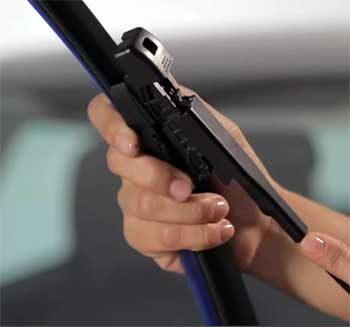
I first switched to the standard Rain-X Latitude beam blades about five years ago on my old sedan.
Before that, I was using those cheap, metal-frame wipers that would freeze up every winter.
The first time I snapped the Latitude onto the J-hook, the difference was immediate.
The “beam” design meant there were no metal brackets to collect ice or snow, which is a massive win if you live anywhere with a real winter.1
The profile of the blade is incredibly sleek. It hugs the windshield tightly.2 I remember driving down the highway at 70 mph during a summer storm, and unlike my old wipers that would lift off the glass and flutter, these stayed planted. The aerodynamic spoiler actually uses the wind to push the blade down.3 It felt like a significant upgrade in safety.
However, after about six months, I noticed the performance started to dip. The wipe was still clean, but that silent operation began to develop a slight “chatter” when the glass was only misted. It wasn’t a dealbreaker, but it was a reminder that even good blades have a lifespan. For a standard beam blade, it did exactly what I expected: it cleared the glass efficiently without any gimmicks. It didn’t magically make the water disappear, but it swiped it away reliably.
Read more: Comparison Of Rain-X Latitude Vs. Weatherbeater
Pros Of Rain-X Latitude
- Aerodynamic Spoiler Design: One of the most frustrating things about traditional wipers is wind lift.4 When you are driving fast, the air can get under the blade and lift it off the glass, leaving you blind for a split second. The Rain-X Latitude features a built-in spoiler that runs the length of the blade.5 This shape forces the wind to push the wiper down against the glass. In my experience, this ensures consistent contact even at interstate speeds, providing a safe and clear view when you need it most.
- Prevents Ice and Snow Buildup: If you have ever had to pull over to chip ice out of your wiper brackets, you know the struggle. The beam design eliminates the exposed metal framework found on traditional blades. There are no nooks or crannies for snow to pack into and freeze. During a particularly bad blizzard last year, my Latitude blades kept flexing and wiping perfectly while other cars were pulling over to clear their frozen wipers. This all-weather reliability is a huge safety factor for winter driving.6
- Even Pressure Distribution: Traditional wipers have four to six pressure points where the claws hold the rubber. This often leads to streaking in between those points. The Latitude uses a steel beam tension spring that is curved.7 This applies infinite pressure points along the entire length of the blade. I have found that this contours perfectly to modern, highly curved windshields. You don’t get those annoying un-wiped arches in the corner of your vision or the center of the glass.
- Graphite-Coated Rubber: Friction is the enemy of a good wipe. Rain-X uses a specially blended graphite-coated rubber for the squeegee.8 This coating reduces friction significantly. When the blade is new, it glides silently across the glass. This reduction in friction also helps prevent the blade from “skipping” or “chattering” across the windshield during light rain.9 It feels smooth and premium compared to the jerky motion of cheaper rubber compounds.10
- Universal Adapter System: Compatibility can be a nightmare with wiper blades. Rain-X includes a pre-installed adapter that fits the most common J-hook arms, but the package also includes additional adapters for PTB (Pinch Tab Button) and I&L (Insert & Lock) arms. I have installed these on a Ford, a Honda, and a Toyota, and in every case, I found an adapter that clicked securely into place. You don’t need a degree in engineering to figure it out; usually, it is just a matter of swapping the plastic clip.
Cons Of Rain-X Latitude
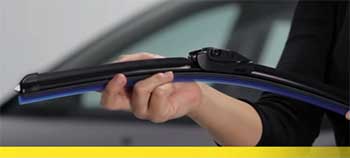
- Shorter Lifespan in Extreme Heat: While they are great in winter, I have noticed they struggle a bit in blistering summer heat. The rubber seems to dry out and become brittle faster than silicone-based blades. After a hot summer where my car sat outside in the sun, the edge of the rubber started to crack. Once that edge is compromised, you start getting streaks immediately. If you live in a desert climate, you might find yourself replacing these every six months rather than every year.
- Initial Setup Can Be Confusing: Despite the “Universal” claim, the adapter system can be a bit of a puzzle if you have a less common wiper arm. The instructions on the back of the package are small and sometimes hard to interpret. I once spent twenty minutes trying to figure out which plastic piece snapped into my specific side-pin arm. It felt like I was trying to solve a Rubik’s cube. Once you figure it out, it is easy, but that first attempt can be frustrating.
- End Caps Can Pop Off: The blade has plastic caps on either end of the beam structure. On one set I owned, I was knocking ice off the windshield with an ice scraper and accidentally hit the end of the wiper. The plastic cap flew off into a snowbank, never to be seen again. While the wiper still worked, the metal spine was exposed, which looked bad and could potentially scratch the glass if the rubber wore down too much. They are not as rugged as a solid one-piece design.
- Mediocre Water Beading: This is the “Beam 1” vs “Beam 2” distinction. The standard Latitude does not apply the water-repelling coating. If you are used to seeing water bead up and fly off the glass, you will miss that feature here. The water tends to sheet on the glass, which means you are 100% reliant on the wiper moving back and forth to see. If the wiper misses a spot, the water stays there, blurring your vision until the next pass.
- Occasional Chatter on Dry Glass: If you have the wipers on an automatic rain-sensing setting, they sometimes wipe when the glass is nearly dry. I have found the Latitude can make a loud “thwack” sound or stutter across the glass in these conditions. The graphite coating helps, but it isn’t perfect. It can be annoying on those days when it is just misting, and you are constantly toggling the wiper speed to avoid that dragging noise.
Maintenance Tips For Rain-X Latitude
- Clean the Rubber Regularly: You would be surprised how much road grime, oil, and sap builds up on the wiper blade itself. Every time I wash my car, I take a damp paper towel (sometimes with a bit of rubbing alcohol) and wipe the edge of the rubber squeegee. You will see a black residue come off. This isn’t the rubber melting; it is dirt and oxidized rubber. Keeping the edge clean extends the life of the wipe significantly and prevents those annoying streaks.
- Don’t Use Wipers as Ice Scrapers: This is the number one way I see people destroy their Latitude blades. The rubber edge is delicate. If you use your wipers to push heavy snow or try to break a layer of ice frozen to the windshield, you will tear microscopic chunks out of the rubber. Always clear the glass completely with a scraper and brush before you turn the wipers on. I made this mistake once and ruined a brand-new set in a single morning.
- Park with Wipers Up Before Storms: If a winter storm is forecast, lift your wiper arms up off the windshield. This prevents the rubber from freezing to the glass. If the Latitude blade freezes to the windshield and you turn the motor on, you risk stripping the wiper motor gears or tearing the rubber off the beam structure. It is a simple habit that saves you money and hassle the next morning.
- Check the Adapter Security: Every few months, just give the connection point a little wiggle. While the adapters are generally secure, temperature changes and the constant vibration of driving can sometimes loosen the plastic clip. I like to ensure it is still “clicked” in tight. The last thing you want is for the wiper to fly off the arm while you are doing 70 mph on the freeway in a rainstorm.
My Experience With Rain-X Latitude 2-in-1
After my standard Latitudes wore out, I decided to “upgrade” to the Rain-X Latitude Water Repellency blades, often marketed as the “2-in-1”. The promise of applying that magical Rain-X coating just by running my wipers was too tempting to ignore. Installation was virtually identical to the standard model, but the results were drastically different.
The first time I used them, I followed the instructions to run them on a clean windshield for a few minutes to “activate” the coating. When the first real rain hit, I was genuinely impressed. I was driving on the highway, and I didn’t even need to have the wipers on high speed. The water hit the glass, turned into tiny round beads, and zipped right off the roof. It improved visibility tremendously. It felt like I had HD vision through the windshield.
However, this magic does come with a caveat. I noticed that after a few months, the effect started to wear unevenly. There were spots on the windshield where the water would bead perfectly, and other spots where it would smear. It seems the coating transfers from the blade, but eventually, the blade runs out of the “juice.” I also noticed a slight haze or “fog” for a split second after each wipe, especially under streetlights at night. It disappears instantly, but it is a characteristic of the water-repellent coating that some people might find distracting.
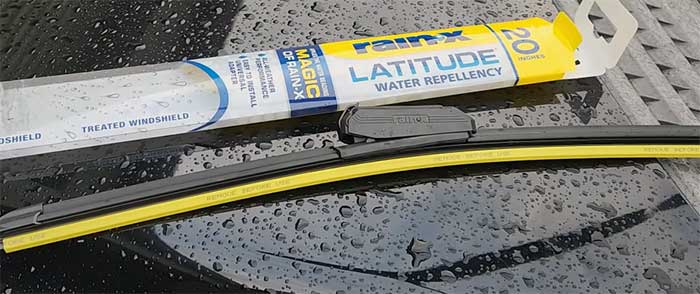
Pros Of Rain-X Latitude 2-in-1
- Active Water Repellency: This is the star feature and the main reason to buy this “Beam 2” version. The rubber is impregnated with the Rain-X formula.11 As it wipes, it transfers this coating to the glass.12 This causes water to bead up and roll off aerodynamically.13 In heavy downpours, this is a game-changer. I have found that at highway speeds, I can sometimes turn my wipers off completely because the wind clears the water faster than the wipers can. It reduces eye strain significantly during long trips in bad weather.
- Smoother Glide: Because the water-repellent coating is also a lubricant of sorts, these blades tend to be even quieter than the standard model. The blade feels slicker against the glass. I have experienced almost zero chatter with these, even when the rain is light. The reduction in friction means less wear on the wiper motor and a more pleasant, silent driving environment. It feels like a luxury upgrade for your car.
- High-Quality Synthetic Blend Rubber: The 2-in-1 blades often use a more advanced synthetic rubber blend to hold the repellent formula. This material seems to be slightly more resistant to UV degradation than the standard natural rubber/graphite mix. I have found that they stay soft and flexible a bit longer into the summer season. They don’t seem to develop that permanent “curve set” as quickly as cheaper blades do.
- Clears Bugs and Grime Easier: Because the coating makes the glass slippery, things like bug splatters and bird droppings have a harder time sticking. I noticed that when I use my washer fluid to clear a mess, it takes fewer wipes to get the glass clean. The hydrophobic surface acts almost like a non-stick pan. This is a subtle benefit, but one that keeps your windshield looking cleaner day-to-day without as much effort.
- Visual Clarity in Light Mist: Light road spray from other cars is usually the hardest thing to clear. It smears and makes the glass opaque. The 2-in-1 blades handle this beautifully. Because the tiny droplets can’t stick to the glass, a single wipe clears the spray instantly without leaving that annoying gray film. For city driving where road spray is constant, this feature alone is worth the extra few dollars.
Read More: My Thoughts On Windshield Repair Kit
Cons Of Rain-X Latitude 2-in-1
- The “Haze” Effect: This is the most common complaint, and I have experienced it too. Sometimes, immediately after the blade passes, there is a ghostly white haze that lingers for half a second. It is caused by the hydrophobic coating. In daylight, it is invisible. But at night, with oncoming headlights or street lamps, that split-second haze can cause glare. It usually means the glass wasn’t perfectly clean before installation, but it can be annoying for sensitive eyes.
- Higher Price Tag: You are paying for the technology. The 2-in-1 blades are consistently more expensive than the standard Latitude or Expert Fit beams. If you are replacing wipers on three different family cars, that cost adds up. You have to ask yourself if the water beading is worth the premium. If you mostly drive in the city at slow speeds where the wind doesn’t blow the water off, the benefit is reduced, making the extra cost harder to justify.
- Requires “Activation” Period: You can’t just slap these on and go. To get the full benefit, you need to clean your windshield thoroughly and then run the wipers dry for a few minutes to transfer the coating. I have seen people skip this step and then complain the product doesn’t work. It is an extra step in the installation process that requires you to have a few minutes of free time and a clean windshield, which isn’t always convenient in a parking lot.
- Can Cause Sensor Issues: Some modern cars with rain-sensing wipers use infrared sensors mounted behind the glass. Occasionally, the water-repellent coating can confuse these sensors. The way the water beads up instead of sheeting can trick the sensor into thinking it is raining harder or softer than it actually is. I had a rental car where the auto-wipers went crazy because of the coating. It is rare, but it is something to keep in mind if you have a high-tech vehicle.
- Coating Eventually Depletes: The blade is not a bottomless well of Rain-X fluid. Eventually, the coating in the rubber runs out. When this happens, you are left with just a regular wiper blade, but you paid a premium for it. I found the intense water-beading effect lasted about three to four months, after which it faded to just a standard wipe. You have to be okay with the “superpower” being temporary.
Maintenance Tips For Rain-X Latitude 2-in-1
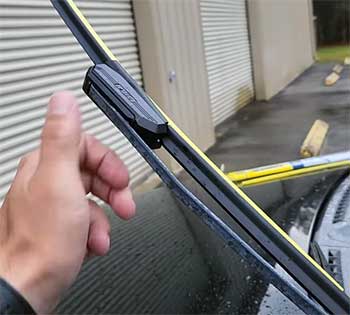
- Thoroughly Clean Glass Before Install: This is critical for the 2-in-1. I use a dedicated glass cleaner and even a clay bar on the windshield before installing these blades. If you apply the water-repellent coating over a layer of road grime or old wax, you will get chatter and haze. The glass needs to be surgically clean for the transfer to work properly and for the optical clarity to be perfect.
- Re-Apply Liquid Rain-X: To extend the life of the effect, I supplement the blades with the actual liquid Rain-X spray bottle every couple of months. The blades do a good job of maintaining the coating, but a manual application ensures the whole windshield (even the parts the wipers don’t reach) is protected. This keeps the water beading uniform across the entire glass surface.
- Keep Washer Fluid Top-Up: Since these blades encourage water to bead, you want to make sure you have plenty of washer fluid to help flush debris away. I use a washer fluid that also contains a water repellent (usually the orange Rain-X fluid) to create a synergistic effect. It helps the blades glide smoother and keeps the hydrophobic barrier strong throughout the winter.
- Wipe Blades Gently: When cleaning these blades, be gentler than you would with standard ones. You don’t want to scrub off the special coating impregnated in the rubber. I use a soft microfiber cloth with just water to gently remove dirt from the squeegee edge. Avoid harsh solvents or alcohol on the 2-in-1 rubber, as it might degrade the water-repellent chemistry faster.
Comparison with other brands
- Rain-X Latitude vs. Bosch ICON: The Bosch ICON is often cited as the gold standard for beam blades. In my direct comparison, the Bosch ICON feels slightly more robust. The rubber on the ICON is a dual-rubber compound that seems to last about 20% longer than the Rain-X Latitude. However, the Bosch ICON does not have the water-repelling technology of the Rain-X 2-in-1. If you want pure longevity and don’t care about water beading, the Bosch is arguably a better build. If you want the magic water effect, Rain-X wins. Price-wise, Bosch is often even more expensive than the Rain-X 2-in-1.
- Rain-X Latitude vs. Michelin Stealth: The Michelin Stealth is a hybrid blade (part beam, part conventional frame). I have found the Rain-X Latitude to be better in winter. The Michelin hybrid design has a plastic cover over the frame, but water can still get inside and freeze. The Rain-X is a true beam blade with no casing to hold water. However, the Michelin blades are often cheaper at big-box stores. If you are on a tight budget, Michelin is decent, but the Rain-X offers a sleeker look and better high-speed performance due to its lower profile.
- Rain-X Latitude vs. OEM Dealership Blades: Many people just go to the dealer. OEM blades are usually high quality, but you pay a massive markup. I have found that the Rain-X Latitude (Beam 1) is often the exact same design as the OEM blade on many American and Japanese cars, just half the price. The “Expert Fit” line from Rain-X is specifically designed to mimic these OEM styles. Unless you are driving a high-end German car with very specific proprietary connectors, the Rain-X is a smarter financial move than the dealership parts counter.
- Rain-X 2-in-1 vs. Silicone Blades (PIAA): Silicone wiper blades (like those from PIAA) are in a different league. They last for years, not months. Silicone naturally repels water and doesn’t degrade in the sun. However, a pair of PIAA silicone blades can cost nearly double what a pair of Rain-X 2-in-1s cost. While the Rain-X uses a synthetic rubber blend, it isn’t pure silicone. If you want the “buy it for life” (or at least 3 years) approach, go silicone. If you prefer replacing your blades annually for a fresh wipe without breaking the bank, Rain-X is the more accessible choice.
Frequently Asked Questions (FAQ)
In the context of Rain-X, the “1” typically refers to the standard Latitude beam blade which focuses on wiping performance, while the “2” refers to the “2-in-1” Latitude Water Repellency blade which adds a hydrophobic coating to the glass while it wipes.
The Rain-X Latitude Water Repellency (2-in-1) is generally considered the best all-around performer because it offers both excellent clearing ability and the added safety benefit of water beading technology, provided you don’t mind the slightly higher cost.
“Beam” refers to the frameless design of the wiper.14 Instead of using a metal frame with claws to hold the rubber, a beam blade uses a single piece of curved spring steel hidden inside the rubber casing to apply infinite, even pressure along the entire curvature of the windshield.15
Yes, it is excellent for heavy rain and highway driving. The water-repelling coating improves visibility significantly by causing rain to bead up and blow off, though some users may experience a temporary haze or glare at night.16
Conclusion
At the end of the day, both the Rain-X Latitude (Beam 1) and the Rain-X Latitude 2-in-1 (Beam 2) are massive upgrades over traditional metal-frame wipers. They both offer the sleek look, the winter reliability, and the aerodynamic performance that modern driving demands.
I recommend the Standard Rain-X Latitude if you are a budget-conscious driver who just wants a reliable wiper that works. It is perfect for city drivers or those who live in dry climates where rain is rare. It is a workhorse that does the job without any fuss. If you already apply a separate water repellent to your glass manually, this is the blade for you, as you don’t need the extra coating.
However, I recommend the Rain-X Latitude 2-in-1 if you do a lot of highway driving or live in an area with heavy, frequent rainfall. The water-beading technology isn’t just a gimmick; it genuinely reduces eye fatigue and increases safety during storms.17 Watching the water fly off the glass without the wipers even touching it is a satisfying experience that makes the extra few dollars worth it. For me, the upgrade to the 2-in-1 is a small price to pay for that extra layer of clarity when the weather turns against you.