
I’ve spent months testing absorbent mats in my home, and if you’re standing at the crossroads trying to decide between Purrugs and Muddy Mat, you’re not alone. Both products promise to tackle the chaos of muddy paws, wet shoes, and everyday messes, but they approach the problem differently.
In this article, I’ll share my hands-on experience with both mats, breaking down their performance, durability, and value so you can make an informed decision that fits your lifestyle and needs.
A Brief Comparison Table
| Feature | Purrugs | Muddy Mat |
|---|---|---|
| Material | Microfiber chenille | Microfiber with rubber backing |
| Water Absorption | Up to 7x its weight | Up to 7x its weight |
| Drying Time | 2-3 hours | 3-4 hours |
| Machine Washable | Yes | Yes |
| Non-Slip Backing | Yes | Yes |
| Pet Safe | Yes | Yes |
| Size Options | Multiple | Multiple |
| Primary Use | Pets and general use | Heavy-duty mud and water |
| Price Range | Mid-range | Mid to high-range |
| Durability | High | Very high |
My Experience With Purrugs
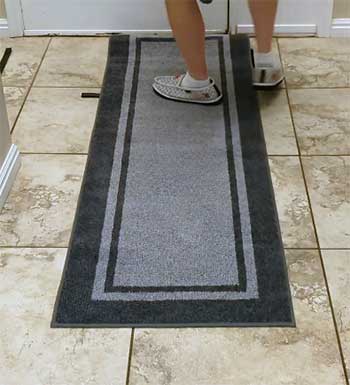
I started using Purrugs about eight months ago when my two dogs turned my entryway into a muddy disaster zone every single day.
The first thing that struck me was how soft and plush the mat felt compared to traditional doormats.
The chenille microfiber material has this luxurious texture that doesn’t look out of place in my home, which was important because I needed something functional that didn’t scream “utility mat.”
During the first week, I was genuinely impressed by how well Purrugs handled the daily assault of wet paws.
My golden retriever would come bounding in from the rain, and the mat would absorb the water almost instantly. The fibers seemed to trap dirt effectively, preventing it from spreading across my hardwood floors. I found myself cleaning my floors significantly less often, which was a welcome change.
The maintenance routine became part of my weekly schedule. I’d shake out the mat every couple of days to remove loose debris, and once a week, I’d toss it in the washing machine. It came out looking fresh every time, and after several months, there was minimal wear on the fibers. The colors stayed vibrant, and the absorption capacity didn’t seem to diminish.
However, I noticed some limitations during particularly muddy seasons. When both dogs came in absolutely caked in mud after a rainy hike, the Purrugs would reach its saturation point faster than I’d like. I’d have to lay down towels as backup, which somewhat defeated the purpose of having a dedicated mat.
Pros Of Purrugs
- Exceptional Softness And Comfort: The chenille microfiber construction makes Purrugs incredibly gentle on pet paws and bare feet. I’ve watched my dogs deliberately choose to lie down on this mat, which tells me it’s comfortable enough to double as a resting spot. This softness doesn’t compromise functionality either—it still absorbs moisture effectively while feeling plush.
- Quick Drying Time: After washing or when wet from use, Purrugs dries remarkably fast. I’ve timed it at around two to three hours in normal household conditions. This means I can wash it in the morning and have it back in place by afternoon, which is incredibly convenient for maintaining cleanliness without disrupting daily routines.
- Aesthetically Pleasing Design: Unlike utilitarian mats that look like they belong only in mudrooms or garages, Purrugs comes in various colors and patterns that complement home decor. I chose a neutral gray that blends seamlessly with my entryway, and guests have actually complimented it, not realizing it’s primarily a functional pet mat.
- Excellent For Light To Moderate Moisture: For everyday use with normal pet activity or light rain conditions, Purrugs performs admirably. It handles the typical wet paws from morning dew, light drizzle walks, or post-bath dampness without any issues. The absorption happens quickly, keeping surrounding floors dry.
- Easy Maintenance And Durability: The machine-washable feature works flawlessly, and after dozens of washes, mine still looks nearly new. The fibers don’t mat down or lose their absorption capacity over time. I can throw it in with regular laundry using mild detergent, and it comes out fresh without any special care requirements.
- Gentle On Floors: The backing is substantial enough to prevent slipping but soft enough that it doesn’t scratch hardwood or tile floors. I’ve moved mine around to different locations in my house, and it’s never left marks or caused any surface damage, which gives me peace of mind.
- Versatile Placement Options: Because it looks good and performs well, I’ve successfully used Purrugs in multiple locations—entryway, bathroom, laundry room, and even under the pet food bowls. Its versatility means I don’t need different types of mats for different purposes around the house.
- Pet-Friendly Materials: The materials used are safe for pets who might chew or lick the mat. I’ve caught my puppy occasionally nibbling on the corner without any adverse effects, and there are no chemical smells or treatments that might irritate sensitive pets.
Cons Of Purrugs
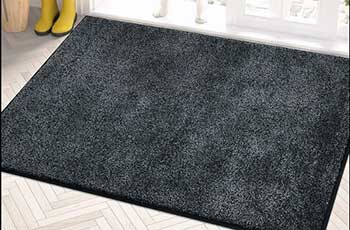
- Limited Capacity For Heavy Mud: When faced with seriously muddy conditions—think post-hike or after playing in a muddy yard—Purrugs reaches its limit quickly. The mat becomes saturated, and excess mud can start transferring to floors. I’ve had to use backup towels during particularly messy situations.
- Requires Frequent Cleaning During Peak Use: During rainy seasons or high-traffic periods, I find myself washing Purrugs twice a week instead of once. The lighter color I chose shows dirt more readily, and while it cleans well, the frequency of maintenance can become tedious during busy weeks.
- Less Effective For Heavy Scraping: The soft fibers aren’t ideal for aggressively scraping off caked-on mud from boot treads or extremely dirty paws. Users need to do some manual cleaning before stepping on the mat, otherwise chunks of mud get trapped in the fibers rather than being effectively removed.
- Can Shift On Certain Surfaces: While the backing prevents most sliding, I’ve noticed on very smooth tile surfaces, the mat can still shift slightly when dogs run across it. It’s not a major safety hazard, but it does require occasional repositioning to keep it centered.
- Price Point For Multiple Mats: If you need several mats throughout your home, the cost adds up quickly. While one mat is reasonably priced, outfitting multiple entryways or rooms can become a significant investment compared to traditional doormats or cheaper alternatives.
- Color Fading In Direct Sunlight: I placed one near a window with direct afternoon sun, and after several months, I noticed slight color fading in that section. It’s not dramatic, but if aesthetic consistency matters to you, placement away from strong UV exposure is recommended.
Read more: My Experience With Proximity Mills Flooring Reviews
My Experience With Muddy Mat
After six months with Purrugs, I decided to test Muddy Mat to see if it could handle the extreme conditions better. Right away, I noticed the Muddy Mat felt more industrial and purpose-built. The material was thicker and had a more aggressive texture designed specifically for scraping off mud and absorbing water.
The first real test came during a particularly brutal rainstorm. My dogs tracked in what seemed like half the backyard, and the Muddy Mat absorbed it all without breaking a sweat. The water didn’t pool on the surface, and the mud was trapped in the deep fibers. I was genuinely amazed at how much punishment this mat could take.
I positioned the Muddy Mat in my garage entrance where my family dumps their muddy work boots and sports equipment. It became the workhorse of the house, handling dirty soccer cleats, rain-soaked running shoes, and everything in between. The rubber backing kept it firmly in place, even when people were aggressively wiping their feet.
The trade-off was that Muddy Mat took longer to dry completely. After washing, I’d need to give it a full day to air dry, whereas Purrugs would be ready in a few hours. The material also felt rougher underfoot, which didn’t bother me in utility areas but might not be ideal for every room in the house.
Pros Of Muddy Mat
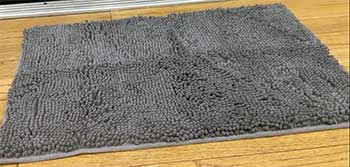
- Superior Heavy-Duty Performance: Muddy Mat excels in extreme conditions where other mats fail. I’ve tested it with boots caked in thick mud, and it handles the challenge impressively. The aggressive fiber structure scrapes and traps debris effectively, preventing it from spreading throughout the house.
- Exceptional Water Holding Capacity: The depth and density of the microfibers allow Muddy Mat to absorb substantial amounts of water without becoming overwhelmed. Even during torrential rain when everyone tracks in wet footwear, the mat maintains its effectiveness without pooling or leaking.
- Commercial-Grade Durability: This mat is built to last through years of heavy abuse. After months of intense use in high-traffic areas, mine shows virtually no wear. The fibers remain intact, the backing is still firmly attached, and the absorption capacity hasn’t diminished at all.
- Excellent Non-Slip Properties: The rubber backing on Muddy Mat is more substantial than Purrugs, providing superior grip even on smooth surfaces. I’ve placed it on polished concrete in my garage, and it stays firmly planted regardless of how aggressively people wipe their feet.
- Ideal For Multiple Users: In households with several people and pets, Muddy Mat handles the traffic without complaint. It doesn’t show wear patterns from repeated use in the same spots, maintaining consistent performance across the entire surface area.
- Works Exceptionally Well For Litter Tracking: Cat owners will appreciate how effectively Muddy Mat traps litter particles. I tested it near a friend’s litter box, and it caught significantly more litter than standard mats, preventing the scattered mess that typically spreads through the room.
- Professional Appearance In Utility Spaces: While not as decorative as Purrugs, Muddy Mat has a clean, professional look that works perfectly in garages, mudrooms, and utility areas. It conveys quality and purpose without looking cheap or flimsy.
- Stays Effective When Saturated: Unlike some mats that become useless once wet, Muddy Mat continues trapping dirt and mud even when it’s holding substantial moisture. The fiber structure prevents mud from transferring back onto floors until the mat is completely overwhelmed.
Cons Of Muddy Mat
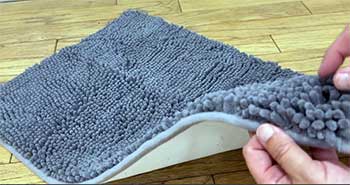
- Longer Drying Time: The thickness that makes Muddy Mat so effective at absorption also means it takes considerably longer to dry. After washing or heavy use, expect a full day or more for complete drying. This can be inconvenient if you need the mat back in service quickly.
- Heavier Weight: The substantial construction makes Muddy Mat noticeably heavier than Purrugs, which affects portability. Moving it around for cleaning or repositioning requires more effort, and it’s less convenient for elderly users or anyone with mobility limitations.
- Rougher Texture: The aggressive fiber structure that excels at scraping can feel rough on bare feet or sensitive pet paws. While it’s not painful, it’s definitely less comfortable than Purrugs, making it less suitable for areas where people walk barefoot regularly.
- Higher Price Point: Muddy Mat typically costs more than Purrugs, especially in larger sizes. The investment is justified by the durability and performance, but budget-conscious buyers might hesitate, particularly when outfitting multiple areas.
- Less Visually Appealing: The utilitarian design and limited color options mean Muddy Mat doesn’t blend as seamlessly into nicely decorated spaces. It looks like what it is—a heavy-duty utility mat—which might not suit every aesthetic preference.
- Can Retain Odors With Heavy Use: If not cleaned regularly, Muddy Mat can develop musty smells due to its thickness and moisture retention. I’ve found that thorough drying between uses and frequent washing are essential to prevent odor buildup, especially in humid climates.
- Requires More Storage Space: When not in use or while drying, Muddy Mat’s bulk makes it more challenging to store than thinner alternatives. It doesn’t fold as compactly, requiring more dedicated space in laundry rooms or storage areas.
Maintenance Tips For Purrugs
- Establish A Regular Shaking Routine: I shake out my Purrugs mat every two to three days, taking it outside to remove loose dirt, pet hair, and debris. This simple habit significantly extends the time between washings and keeps the mat performing optimally. A vigorous shake loosens particles trapped in the fibers.
- Wash On A Gentle Cycle: When machine washing, I use cold water on a gentle cycle with mild, pet-safe detergent. Harsh chemicals or hot water can damage the microfiber structure and reduce the mat’s absorption capacity over time. I avoid fabric softeners entirely as they coat the fibers and diminish their moisture-wicking properties.
- Air Dry In A Well-Ventilated Area: Although Purrugs dries relatively quickly, I always air dry it rather than using a machine dryer. I hang it over a railing or lay it flat on a drying rack where air circulates freely. The quick drying time means I’m not inconvenienced by this method.
- Vacuum Weekly For Maintenance: Between washings, I run a handheld vacuum over the mat to remove embedded hair and fine particles. This prevents buildup that can make the mat look dingy and maintains its fresh appearance. The vacuum attachment with a brush works particularly well on the chenille fibers.
- Rotate Multiple Mats If Possible: I invested in two Purrugs mats so I can rotate them during washing cycles. This ensures I always have a clean, dry mat available and extends the lifespan of each mat by reducing wear from constant use.
- Treat Stains Promptly: For muddy footprints or pet accidents, I spot-clean immediately using a damp cloth and mild soap. Addressing stains quickly prevents them from setting into the fibers and makes regular washing more effective. I blot rather than rub to avoid pushing stains deeper.
- Check The Backing Regularly: I inspect the non-slip backing every few months for any signs of deterioration or separation from the mat. Catching issues early allows for repairs or replacement before the backing fails completely and creates a safety hazard.
- Store Properly During Off-Season: During dry seasons when the mat sees less intensive use, I store it clean and completely dry in a breathable container. This prevents musty odors and keeps it fresh for when weather conditions change.
Maintenance Tips For Muddy Mat
- Allow Proper Drying Time: Given Muddy Mat’s thickness, I never rush the drying process. After washing, I hang it in a location with good airflow for at least twenty-four hours. Inadequate drying leads to mildew growth and unpleasant odors that are difficult to eliminate.
- Use A Garden Hose For Quick Cleaning: For spot cleaning or between full washes, I take Muddy Mat outside and spray it thoroughly with a garden hose. The water pressure helps dislodge trapped mud and debris. I then hang it to dry in the sun, which naturally sanitizes and deodorizes.
- Deep Clean Monthly: Beyond regular washing, I give Muddy Mat a deep clean once a month by soaking it in a large tub with enzymatic cleaner. This breaks down organic matter and eliminates odor-causing bacteria that regular washing might miss. The soak lasts about thirty minutes before rinsing thoroughly.
- Brush Out Compacted Debris: I use a stiff-bristled brush to work through the fibers periodically, loosening compacted mud and dirt that washing alone doesn’t fully remove. This mechanical agitation restores the mat’s loft and maintains optimal absorption capacity.
- Avoid Bleach And Harsh Chemicals: Despite its durable construction, Muddy Mat’s fibers can be damaged by bleach or strong chemicals. I stick to mild detergents or specialized mat cleaners that won’t degrade the microfiber structure or compromise the rubber backing.
- Sun Exposure For Natural Sanitization: Whenever possible, I dry Muddy Mat in direct sunlight. The UV rays naturally kill bacteria and help eliminate odors while the heat accelerates drying. This method is particularly effective after the mat has handled particularly dirty conditions.
- Inspect Rubber Backing For Wear: The rubber backing endures significant stress, so I check it regularly for cracks, peeling, or loss of grip. Addressing backing issues early prevents safety problems and extends the mat’s functional life. Minor separation can sometimes be repaired with appropriate adhesives.
- Alternate Sides For Even Wear: Every few months, I flip Muddy Mat to distribute wear more evenly across both surfaces. This practice helps maintain consistent absorption and prevents one side from becoming prematurely worn while the other remains relatively unused.
Also read: My Thoughts On Pergo EverCraft Flooring
Comparison With Other Brands
- Gorilla Grip Mats: I tested Gorilla Grip mats alongside both Purrugs and Muddy Mat and found them to be a middle-ground option. They’re more affordable than either premium brand but don’t match Muddy Mat’s heavy-duty performance or Purrugs’ softness. The absorption capacity is adequate for light use, but they show wear more quickly with daily heavy traffic.
- Original Dirty Dog Doormat: This popular alternative offers decent absorption at a lower price point. However, after comparing it directly with Purrugs, I noticed the Dirty Dog mat held less water and dried more slowly. The fiber quality felt inferior, and after several months of use, it showed significant matting and reduced effectiveness.
- Waterhog Mats: These commercial-grade mats excel at scraping dirt but don’t absorb moisture as effectively as Muddy Mat. I found them better suited for dry debris like dirt and snow rather than wet, muddy conditions. They’re extremely durable but lack the water-holding capacity that makes Muddy Mat special.
- Amazon Basics Chenille Mats: As a budget alternative to Purrugs, Amazon Basics mats are tempting but ultimately disappointing. They feel similar initially but lose their absorption capacity much faster. After just a few weeks of pet use, mine was barely functional, whereas Purrugs maintained performance for months.
- Bungalow Flooring Water Glutton: This mat competed closely with Muddy Mat in absorption tests. It performed well with water but struggled more with thick mud. The price was comparable, but I felt Muddy Mat’s fiber construction was superior for the specific challenge of muddy paws and boots.
- DIY Microfiber Solutions: Some users opt for stacking multiple cheap microfiber towels as an alternative. While this works in a pinch, the towels shift constantly, don’t stay in place, and require much more frequent replacement than purpose-built mats like Purrugs or Muddy Mat.
- PetFusion ToughGrip Mat: Marketed specifically for pets, this mat compares favorably to Purrugs in softness but falls short in absorption capacity. I found myself washing it more frequently because it reached saturation faster. The price was similar, making Purrugs the better value for my needs.
- SmartCatch Litter Mat: For cat owners specifically, SmartCatch specializes in litter tracking but doesn’t handle moisture well. Muddy Mat proved more versatile, effectively catching litter while also managing water and mud, making it the better investment for multi-pet households.
Frequently Asked Questions (FAQ)
Yes, muddy mats genuinely deliver on their promises when used appropriately. They excel at absorbing water and trapping mud in high-traffic areas, significantly reducing floor cleaning. However, performance depends on proper maintenance and using the right mat for your specific needs and traffic levels.
Muddy mats trap water exceptionally well, absorbing up to seven times their weight in moisture. The dense microfiber construction wicks water away from the surface quickly, preventing puddles and keeping floors dry. Regular washing maintains this effectiveness over extended periods of use.
Yes, Muddy Mat works excellently for catching cat litter. The deep fiber structure traps litter particles effectively, preventing them from spreading throughout your home. Many cat owners report it outperforms specialized litter mats, though it requires more frequent cleaning when used for this purpose.
Muddy paws mats work very well for their intended purpose of absorbing moisture and trapping dirt from pet paws. Both Purrugs and Muddy Mat significantly reduced the amount of mud and water my dogs tracked through the house. Effectiveness increases when pets pause briefly on the mat rather than running across it.
Conclusion
After extensively testing both products, I can confidently say your choice between Purrugs and Muddy Mat should depend on your specific circumstances and priorities. If you value aesthetics, comfort, and versatility for light to moderate conditions, Purrugs is your winner. It looks great, feels wonderful, and handles everyday pet messes admirably while fitting seamlessly into your home decor.
However, if you face truly challenging conditions—heavy mud, multiple pets, high traffic, or need something for utility areas—Muddy Mat is worth the extra investment. Its superior absorption, durability, and heavy-duty performance justify the higher price and longer drying times when you need a mat that can handle serious punishment.
For me, the ideal solution was actually using both. Purrugs works beautifully in my main entryway and bedroom, providing the perfect balance of function and form for normal daily use. Muddy Mat guards my garage entrance and mudroom, tackling the worst conditions without complaint. This combination approach maximizes the strengths of each product while minimizing their respective limitations.
You should assess your specific needs honestly. Consider your climate, the number of pets or family members, the types of messes you typically face, and where you’ll place the mat. Either choice will significantly improve your home’s cleanliness compared to standard doormats, but selecting the right one for your situation will maximize your satisfaction and investment value.