
I’ve lived with both the PuroAir 240 and PuroAir 400, testing them in real home scenarios—from bedrooms plagued by allergies to open living areas filled with cooking smells and pet dander. This article shares my honest insights to help you choose the model that best matches your space and needs.
a brief comparison table:
| Feature | PuroAir 240 | PuroAir 400 |
| Room Coverage | Up to 1,000 sq ft | Up to 2,000 sq ft |
| Filtration System | 3-layer (Pre-filter, HEPA, Activated Carbon) | 3-layer (Pre-filter, HEPA, Activated Carbon) |
| Noise Level (Low/High) | 22 dB / 48 dB | 35 dB / 60 dB |
| Key Features | Auto mode, air quality sensor, timer, child lock, sleep mode | Auto mode, air quality sensor, timer, child lock, sleep mode |
| Power Consumption | Up to 45W | Higher (stronger fan) |
| Best For | Bedrooms, medium rooms, quiet spaces | Large/open-plan homes, high-pollutant areas |
My Experience With Puroair 240
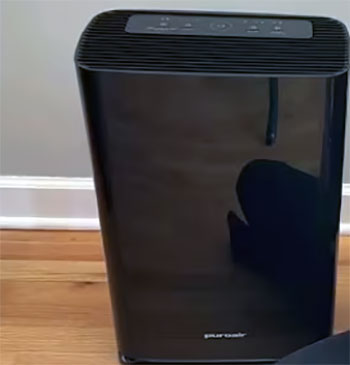
I set up the PuroAir 240 in my 600-square-foot bedroom, where allergies often kept me up at night. Its compact size let it sit discreetly on a nightstand.
The air quality sensor detected pollen or dust spikes and adjusted automatically, clearing the air in about 30-40 minutes. Sleep mode at 22 decibels provided gentle white noise that actually improved my rest.
Over months of use, dust on surfaces dropped noticeably, and my morning congestion eased. I even moved it to handle kitchen odors occasionally, and the carbon layer neutralized them effectively. This model became my go-to for quieter, personal spaces.
My Experience With Puroair 400
In my 1,800-square-foot open living area, the PuroAir 400 proved its strength. Though bulkier, it commanded the space with powerful circulation.
During parties or heavy cooking, the sensor ramped up quickly, eliminating smoke and smells in under 30 minutes. Auto mode handled daily fluctuations seamlessly.
High speed got louder, but low was tolerable for evenings. Pet dander and dust reduced across the whole area, creating a consistently fresh feel. It excelled in bigger homes needing robust coverage.
Pros Of Puroair 240
- Whisper-Quiet Performance: Operates at just 22 decibels on low, making it barely audible and ideal for bedrooms. This low noise level allows uninterrupted sleep while still purifying the air effectively throughout the night.
- Strong Coverage for Medium Rooms: Cleans up to 1,000 square feet efficiently in about an hour. It quickly reduces allergens, dust, and pollen, providing noticeable relief for allergy sufferers in everyday living spaces.
- Smart Auto Mode with Sensor: Detects air quality changes rapidly and adjusts fan speed automatically. This feature saves energy and ensures consistent clean air without needing constant manual intervention.
- Excellent Odor Control: The activated carbon layer neutralizes cooking smells, pet odors, and VOCs effectively. Rooms stay fresher longer, even after activities that typically leave lingering scents.
- Energy Efficient: Uses minimal power at up to 45W, keeping electricity costs low during 24/7 operation. This makes it practical for continuous use without worrying about bills.
- Easy-to-Use Controls: Intuitive touch panel with timer, child lock, and filter reminder simplifies operation. Setup and daily adjustments require no effort after initial placement.
- Compact Design: Lightweight and small footprint fits easily in tight spaces like nightstands. Moving it between rooms is straightforward when needed.
- Allergy and Sleep Benefits: Reduces airborne irritants, leading to fewer symptoms and better rest quality. Users often report waking up feeling more refreshed.
Cons Of Puroair 240

- Struggles in Very Large Spaces: Takes longer to purify areas over 800 square feet fully. In open layouts, it may not achieve the same rapid results as in smaller rooms.
- Higher Speeds Can Be Noticeable: At 48 decibels on max, it disrupts quiet conversations or light sleep. This makes it less suitable for noise-sensitive environments during peak use.
- Ongoing Filter Costs: Replacements needed every 3-6 months add up over time. In high-pollution areas, more frequent changes increase expenses.
- No Smart App Features: Lacks Wi-Fi connectivity or remote control options. Monitoring or adjustments require physical access to the unit.
- Pre-Filter Requires Occasional Cleaning: Vacuuming the outer layer every few weeks maintains performance. This minor task adds to routine maintenance.
- Basic Construction Feel: Sturdy plastic build works well but lacks premium materials. It feels functional rather than luxurious compared to pricier brands.
- Sensor Can Overreact Slightly: Briefly ramps up on minor changes like opening a window. This occasional behavior uses a bit more energy than necessary.
- No Extra Technologies: Relies solely on HEPA and carbon without UV or ionizers. Some users prefer additional purification methods.
Pros Of Puroair 400
- Extensive Coverage for Big Areas: Purifies up to 2,000 square feet in about an hour effectively. One unit handles open-plan homes or multiple connected rooms seamlessly.
- Powerful Pollutant Removal: Quickly eliminates smoke, VOCs, and heavy particulates in larger volumes. It’s excellent for high-traffic or cooking-intensive spaces.
- Responsive Auto Adjustment: Sensor manages significant pollutant spikes aggressively and efficiently. Maintains clean air with minimal user input.
- Superior Odor Elimination: Larger activated carbon layer tackles strong, persistent smells better. Ideal for homes with pets or frequent cooking.
- Built for Durability: Heavier construction feels solid for long-term, heavy-duty use. It withstands constant operation well.
- Family-Friendly Features: Timer and child lock add convenience and safety. Prevents accidental changes in shared households.
- Even Airflow Distribution: Strong fan circulates purified air thoroughly across wide areas. Creates uniform freshness throughout the space.
- Handles Busy Environments: Manages increased dust, dander, and traffic in larger homes effectively. Keeps air quality high during daily activities.
Read More: My Thought on Qidi Q1 Pro
Cons Of Puroair 400
- Louder on Higher Settings: Reaches 60 decibels at max, making it unsuitable for quiet bedrooms. High speed can drown out conversations or TV.
- Larger and Heavier Build: Takes up more floor space and weighs around 16 pounds. Relocating it requires more effort than smaller models.
- Higher Energy Use: Stronger fan draws more power during operation. This can slightly increase electricity costs over time.
- More Expensive Filters: Larger size means higher replacement costs every 3-6 months. Ongoing maintenance expenses scale up accordingly.
- Overkill for Small Rooms: Less efficient and noisier in confined spaces. Better suited to larger areas where power is needed.
- Minimum Noise Higher: Even low speed at 35 decibels is more audible than smaller units. Not as whisper-quiet for sensitive settings.
- No Advanced Connectivity: Misses app integration or voice control features. Adjustments must be made directly on the unit.
- Bulkier Aesthetics: Prioritizes function over sleek design. It stands out more in decor-conscious rooms.
Maintenance Tips For Puroair 240
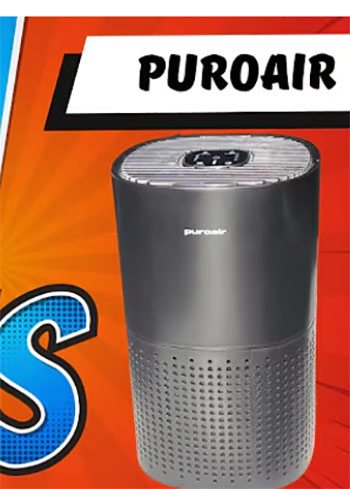
- Vacuum Pre-Filter Regularly: Clean the outer pre-filter every 2-4 weeks with a vacuum. This extends the main filter’s life and keeps airflow strong in dusty conditions.
- Follow Filter Indicator: Replace the full filter when the light alerts, typically every 3-6 months. Depends on usage and local air quality for accuracy.
- Position for Best Flow: Place at least 8 inches from walls with 360-degree clearance. Ensures optimal intake and even distribution.
- Run on Auto Mode: Lets the sensor optimize performance daily. Reduces manual tweaks and maintains efficiency.
- Consider Filter Subscription: Automatic deliveries save money and ensure timely replacements. Also extends warranty coverage.
- Wipe Exterior Periodically: Dust vents and surfaces monthly to prevent buildup. Keeps the unit running smoothly.
- Avoid Direct Sunlight: Prevents fading or material degradation over time. Maintains appearance and longevity.
- Use Child Lock if Needed: Secures settings in homes with children or pets. Avoids accidental disruptions.
- Test Occasionally: Use a personal air monitor for verification. Confirms ongoing effectiveness.
Maintenance Tips For Puroair 400
- Clean Pre-Filter More Often: Vacuum frequently due to higher particle capture in large spaces. Maintains strong suction longer.
- Replace Based on Indicator: Swap filters every 3-6 months as alerted. Heavier use may require sooner changes.
- Place Centrally in Open Areas: Maximizes coverage and airflow in big rooms. Avoids corners for best results.
- Use Timer for Savings: Schedule operation if not running constantly. Balances energy use effectively.
- Subscribe for Benefits: Gets discounts and lifetime warranty eligibility. Simplifies ongoing care.
- Dust Vents Regularly: Higher airflow collects more external dust. Quick wipes keep it efficient.
- Ensure Level Placement: Minimizes vibrations and noise. Stable surface improves operation.
- Reset Sensor Occasionally: Power cycle refreshes accuracy. Helps in varying conditions.
- Engage Safety Locks: Child lock protects settings in family areas. Prevents tampering.
Comparison With Other Brands
- Versus Levoit: PuroAir runs quieter with superior basic filtration and odor handling in auto mode. Levoit often provides smart apps, voice integration, and lower upfront prices for tech-focused users.
- Against Honeywell: PuroAir offers better sensor response and lower noise levels overall. Honeywell excels in proven long-term durability and wider availability.
- Compared to Winix: Winix features washable pre-filters for cost savings over time. PuroAir performs stronger in rapid cleaning and bedroom silence.
- Blueair Competition: Blueair delivers stylish designs and lower energy consumption. PuroAir provides better value for large coverage and automatic features.
- Coway Rivalry: Coway includes excellent warranties and robust builds. PuroAir stands out with ultra-low noise on smaller models.
- Dyson Difference: Dyson boasts premium aesthetics and multi-functionality. PuroAir focuses on pure HEPA efficiency at a more accessible price.
- Rabbit Air: Rabbit offers high-end finishes and quiet operation. PuroAir matches everyday performance affordably without extras.
- Molekule Alternative: Molekule uses unique PECO technology claims. PuroAir delivers reliable HEPA results at lower cost.
- GermGuardian: Budget-friendly with UV options. PuroAir superior in quietness and sensor-driven adjustments.
Read More: My Thought on Stelo Glucose Biosensor System
Frequently Asked Questions (FAQ)
It typically lasts 3-6 months, depending on usage, air quality, and environment. The built-in indicator light alerts you precisely when replacement is needed, and high-pollution conditions may shorten this to around 90 days.
Yes, it’s excellent for medium rooms, offering quiet operation, effective HEPA filtration, and strong allergen reduction. Users with allergies or in bedrooms often see significant improvements in air freshness and sleep quality.
It depends on your needs—PuroAir is generally quieter with better core filtration and odor control, while Levoit shines with smart features, app control, and often lower pricing. Both are solid, but PuroAir wins for simplicity and silence.
No, it relies purely on physical HEPA and carbon filtration without ionizers or ozone generators. It’s certified ozone-free and safe for continuous use, even for sensitive individuals.
Conclusion: Which One Is Better For You
From my hands-on time with both, the PuroAir 240 is the better choice if you need quiet, efficient purification for bedrooms or medium spaces up to 1,000 square feet—you’ll enjoy fresher air and better sleep without noise or fuss. If your home has larger open areas up to 2,000 square feet with more pollutants, go for the PuroAir 400—it delivers powerful, whole-space coverage that keeps everything feeling clean and inviting. Ultimately, match it to your room size and priorities; either way, you’ll breathe noticeably easier.