
There are few things more overwhelming than standing in a flooring showroom, surrounded by hundreds of samples that all look exactly like “brown wood.” You scratch them with your keys, splash water on them, and try to imagine how they will look in your living room. Proximity Mills is a brand that has recently made waves in this crowded market by promising high-end durability without the markup of the massive heritage brands.
Buy this product if: You want a heavy-duty, waterproof floor (especially LVP) that looks surprisingly realistic and you prefer supporting local independent retailers over big-box chains.
Pass on this product if: You are looking for the absolute cheapest DIY flooring available (under $3/sq ft) or if you want the convenience of loading boxes into your truck immediately from a Home Depot or Lowe’s shelf.
My Experience With Proximity Mills Flooring
I decided to replace the flooring in my downstairs living area after my Golden Retriever, Cooper, effectively destroyed the cheap laminate the previous owners had installed.
It was scratched, swollen at the seams from water bowl splashes, and frankly, it sounded hollow and cheap every time anyone walked on it.
I wanted something that looked like real oak but could survive a 70-pound dog doing “zoomies.”
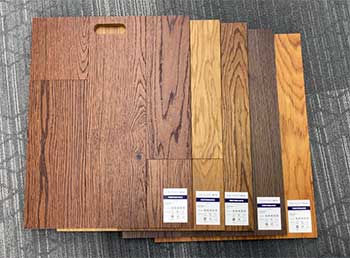
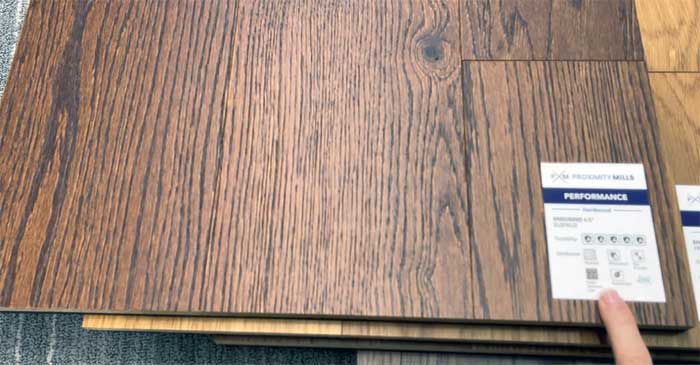
I initially looked at the big names like Coretec and the house brands at Home Depot, but a local flooring specialist introduced me to Proximity Mills. I was specifically looking at their “Yukon River” collection in a natural oak tone. The first thing that struck me was the feel of the sample. It didn’t feel like plastic; it had a significant weight to it and a texture that matched the grain visuals (what they call “embossed-in-register”).
Ordering was a bit different than a typical big-box experience. I couldn’t just check stock online; I had to work through the dealer. However, the pricing was competitive for the specs—I was getting a 22-mil wear layer (which is commercial grade) for the price of a mid-range residential floor. The boxes arrived about two weeks later.
The installation was a “click-lock” floating floor system. I did about half the room myself and hired a pro for the tricky cuts around the fireplace. The planks locked together with a satisfying “snap,” and the seams were incredibly tight. I didn’t need to buy separate underlayment because it came with a pre-attached pad, which saved me a step and a few hundred dollars.
Living with it for the last six months has been a relief. The waterproof claim has been tested multiple times—from spilled wine to muddy paw prints—and it cleans up without a trace. There is zero swelling at the joints. But the biggest surprise is the sound.
Thanks to the dense core and the attached pad, it doesn’t have that “clicky-clack” plastic sound you get with thinner vinyl. It feels solid underfoot, almost like a glued-down hardwood. It isn’t perfect—I have noticed one or two repeat patterns that I should have staggered better during install—but overall, it has elevated the look of my home significantly.
Also Read: My Thoughts On Gus Modern Furniture
Pros Of Proximity Mills Flooring
- Exceptional Durability and Wear Layer: The primary reason to choose Proximity Mills over a budget brand is the protection it offers. Most of their Luxury Vinyl Plank (LVP) collections come with a 20-mil or even 22-mil wear layer. To put that in perspective, the standard “builder grade” vinyl usually has a 6-mil to 12-mil layer. This top layer is what protects the print film from scratches, scuffs, and fading. With a 22-mil layer, often reinforced with ceramic beads, you are getting a floor that is rated for commercial traffic. This means in a residential home, even with kids dragging toys and dogs running around, it is incredibly difficult to scratch through to the design.
- True Waterproof SPC Core: Proximity Mills utilizes a Stone Plastic Composite (SPC) core for their rigid vinyl planks. Unlike the older Wood Plastic Composite (WPC) or laminate cores, SPC is completely impervious to water. It doesn’t expand or contract significantly with humidity changes. This makes it a fantastic choice for basements, kitchens, bathrooms, and laundry rooms where moisture is a constant threat. You could essentially submerge a plank in a bathtub for a week, take it out, and it would still snap perfectly into place. This stability also allows for installation in large rooms without needing ugly transition strips in the middle of the floor.
- High-End Aesthetic and Realism: One of the biggest complaints about vinyl flooring is that it looks “fake.” Proximity Mills has invested heavily in their visuals. Many of their collections feature “Embossed-in-Register” (EIR) technology. This means if you see a knot or a wood grain pattern on the plank, you can actually feel the texture matching that visual perfectly. They also use high-definition printing with low gloss levels, which mimics the matte oil-finished look of modern European oak floors. The bevels (the edges of the planks) are often painted or pressed to create individual definition between boards, avoiding that “sheet vinyl” look where everything blends together.
- Eco-Friendly and Low VOC: Indoor air quality is a massive concern for modern renovations, especially if you have asthma or small children. Proximity Mills positions itself as a cleaner option. Their floors are typically GreenGuard Gold certified, which is the industry’s strictest standard for Volatile Organic Compound (VOC) emissions. They use virgin vinyl rather than recycled plastics (which can sometimes contain heavy metals or phthalates from unknown sources). Knowing that your new floor isn’t off-gassing harmful chemicals into your home provides a significant peace of mind that is worth paying a little extra for.
Cons Of Proximity Mills Flooring
- Limited Availability and Pricing Transparency: You cannot simply go to a website and see the price per square foot for Proximity Mills flooring. Because they operate through a network of independent retailers, pricing can vary depending on where you live and which dealer you visit. This makes it frustrating for people who like to budget and research prices late at night. You have to physically go to a store or call for a quote. Additionally, because it is not stocked at major chains like Home Depot, you can’t just run out and buy one extra box on a Saturday if you run short during installation. You have to order it and wait, which can stall your project.
- Pattern Repetition: While the individual planks look realistic, every vinyl floor has a limited number of unique “screens” or patterns. Some users have noted that in certain lower-tier Proximity Mills collections, there might only be 6 to 8 unique planks. If your installer isn’t paying attention, you can end up with two identical distinctive knots right next to each other, which instantly gives away the fact that it is a fake floor. You need to be diligent during installation to pull from multiple boxes at once to mix up the patterns, or spend more money on their premium collections which offer more pattern variety.
- Requires A Flat Subfloor: This is a downside of the SPC core mentioned in the pros. Because the core is made of stone composite, it is very rigid and stiff. While this is great for durability, it is unforgiving if your subfloor is uneven. If you have humps or dips in your concrete or plywood subfloor, the stiff planks can bridge over them, causing the locking mechanism to break or the floor to sound hollow and bounce. Unlike a flexible glued-down vinyl that conforms to the floor, you might need to spend extra money and time leveling your subfloor before you can install Proximity Mills SPC.
- Not As Soft As WPC: If you are used to walking on carpet or older, softer vinyl, Proximity Mills SPC might feel hard underfoot. The stone core is dense and provides very little “give.” While the attached underlayment pad helps with sound and a tiny bit of cushion, it is still a hard surface. If you stand in the kitchen for hours at a time, you might find it fatiguing on your joints compared to a softer Wood Plastic Composite (WPC) floor or cork. It is definitely warmer than tile, but don’t expect it to feel like a plush mat.
Maintenance Tips For Proximity Mills Flooring
- The “No Beater Bar” Vacuum Rule: While these floors are scratch-resistant, they are not scratch-proof. The number one enemy of vinyl flooring is the rotating bristle brush (beater bar) on your vacuum cleaner. These stiff bristles are designed to dig into carpet fibers, but on vinyl, they can create thousands of micro-scratches over time that dull the finish. Always switch your vacuum to “hard floor” mode (which turns off the brush) or use a vacuum specifically designed for hard surfaces. If you have a robot vacuum, check that it uses soft rubber rollers rather than stiff bristles.
- Using pH Neutral Cleaners: You do not need harsh chemicals to clean Proximity Mills flooring. In fact, products like bleach, ammonia, or “mop and shine” waxes can ruin the wear layer. These chemicals can leave a hazy film that attracts more dirt or, worse, strip the protective coating. The best cleaner is a simple pH-neutral vinyl floor cleaner (brands like Bona make a specific version for hard surface floors). Often, just warm water and a microfiber mop are enough. Avoid steam mops entirely. Even though the floor is waterproof, the intense heat and pressure of steam can force moisture into the joints and weaken the locking mechanism or adhesive.
- Furniture Pads Are Mandatory: Heavy furniture is the silent killer of hard floors. A heavy sofa or dining table sliding just an inch can gouge even a 22-mil wear layer if there is a piece of grit underneath the leg. You should apply felt pads to the feet of every single piece of furniture that touches the floor. Check these pads every six months; they compress and collect dog hair and dust, eventually becoming hard themselves. Replace them regularly to ensure your floor stays pristine. If you have office chairs with wheels, get a plastic mat or swap the wheels for “rollerblade style” soft rubber casters.
- Managing Sunlight and UV: Although Proximity Mills floors have UV inhibitors in the wear layer, no material is immune to the power of the sun. If you have large glass sliding doors or south-facing windows, the intense UV rays can cause the vinyl to fade or even discolor over several years. It is wise to use curtains, blinds, or UV-blocking window film during the peak sun hours of the day. Additionally, if you have area rugs, move them slightly every few months. This prevents “tan lines” where the floor around the rug fades differently than the floor underneath it.
- Dealing With Spills Immediately: Yes, the floor is waterproof. You can spill a bucket of water on it and it will be fine. However, liquids that contain color (red wine, mustard, pet urine) or acids can stain the surface if left to sit for days. The ceramic bead coating is tough, but it is not magic. Wipe up spills as soon as they happen. If you have a pet accident, clean it immediately with an enzymatic cleaner to break down the proteins, ensuring no residue is left behind to etch the surface.
Also Read: My Thoughts On Helio Air Broom
Comparison with Other Brands
- Proximity Mills vs. Coretec:Coretec is widely considered the “original” waterproof vinyl floor and is the benchmark everyone compares against. Coretec generally offers a much wider variety of styles, including stone looks and herringbone patterns, and is available at almost every flooring specialty store. Coretec planks often feature a cork underlayment, which is naturally resistant to mold and feels slightly warmer than the foam pads often found on Proximity Mills. However, Proximity Mills often beats Coretec on price while offering the same or better wear layer thickness. If you want the absolute widest design selection, go Coretec. If you want better value for a heavy-duty plank, go Proximity Mills.
- Proximity Mills vs. LifeProof (Home Depot):This is the most common comparison because LifeProof is the go-to for DIYers. LifeProof is significantly cheaper and easier to buy—you can drive to Home Depot right now and get it. However, the specs are lower. Most LifeProof floors have a 6-mil to 12-mil wear layer (though they have recently added some thicker options). Proximity Mills standard is 20-22 mil. LifeProof is great for a low-traffic guest room or a flip house where budget is king. Proximity Mills is the better choice for your “forever home” where you want the floor to look new for 15+ years. The locking mechanism on Proximity Mills also tends to be more robust than the drop-lock system on some LifeProof lines.
- Proximity Mills vs. Shaw / Mohawk:Shaw and Mohawk are the giants of the industry. They manufacture massive quantities of flooring. Proximity Mills positions itself as a more curated, boutique option. The advantage of the giants is consistency; if you need to repair a floor in 5 years, Shaw will likely still exist and have that product. Proximity Mills, being a newer and smaller brand concept, carries a slight risk of product discontinuation. However, Proximity Mills often reacts faster to design trends. While Shaw is still churning out traditional oak looks, Proximity Mills might be faster to market with the trending “bleached” or “Nordic” visuals that are popular right now.
Frequently Asked Questions (FAQ)
Yes, Proximity Mills is considered a high-quality flooring brand, particularly their Luxury Vinyl Plank (LVP) lines. They are known for offering “commercial grade” specifications, such as 22-mil wear layers and high-density SPC cores, at a price point that is competitive with mid-range residential flooring.
For most modern households, yes. Vinyl plank (LVP) offers the best balance of durability, waterproofing, and aesthetics. Unlike real wood, it cannot be damaged by water or humidity. Unlike tile, it is warm and not prone to cracking. It adds significant value to a home, especially for families with pets or children.
The “best” varies by category, but top contenders usually include Coretec for innovation and selection, Shaw and Mohawk for reliability and availability, and Proximity Mills for value and high-durability specs. For budget DIY projects, LifeProof and SmartCore are popular choices.
Yes, Proximity Mills LVP collections feature a Stone Plastic Composite (SPC) core that is 100% waterproof. The planks themselves will not swell, warp, or degrade if exposed to water. However, floodwaters can still seep between planks to the subfloor, so massive leaks still need to be dried out to prevent mold underneath.
Conclusion
Proximity Mills creates a product that sits in the “Goldilocks” zone of flooring: it is tougher and better looking than the cheap big-box store options, but it is more affordable than the ultra-premium designer lines. If you are willing to visit a local dealer and handle the logistics of ordering, you will be rewarded with a floor that can handle everything from muddy paws to dropped pots, all while looking like authentic hardwood.