
I’ve spent years standing on my feet in various professional settings, and finding the right footwear has been a journey filled with blisters, aching arches, and countless disappointing purchases. When I discovered Birkenstock’s Professional line, specifically the Profi Birki and Super Birki models, I knew I had stumbled onto something different. These aren’t your typical clogs—they’re engineered for people who spend long hours on their feet, whether you’re working in healthcare, food service, or any profession where comfort and safety matter. In this article, I’m breaking down everything you need to know about these two popular models so you can make an informed decision about which one deserves a spot in your work wardrobe.
A Brief Comparison Table
| Feature | Profi Birki | Super Birki |
|---|---|---|
| Upper Material | Polyurethane with ventilation holes | Solid polyurethane without holes |
| Footbed Type | Contoured cork-latex | Contoured cork-latex |
| Arch Support | High anatomical support | High anatomical support |
| Toe Box | Open with protective cap | Fully enclosed |
| Weight | Lightweight | Slightly heavier |
| Water Resistance | Water-friendly but ventilated | Completely waterproof |
| Slip Resistance | Excellent grip | Excellent grip |
| Adjustability | Heel strap adjustable | Heel strap adjustable |
| Workplace Suitability | Medical, light food service | Heavy-duty food service, labs |
| Cleaning | Easy with soap and water | Easy with soap and water |
| Price Range | Moderate | Moderate |
| Color Options | Limited professional colors | Limited professional colors |
My Experience With Profi Birki
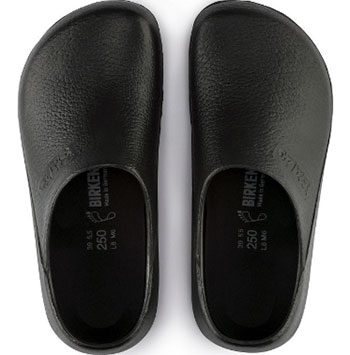
I’ll be honest—when I first slipped on a pair of Profi Birkis, I wasn’t immediately sold. The footbed felt strangely firm, almost uncomfortably so, and I wondered if I’d made a mistake ordering them for my twelve-hour hospital shifts. But here’s what nobody tells you about Birkenstock Professional clogs: they require a break-in period that’s absolutely worth enduring.
After about a week of wear, something magical happened.
The cork-latex footbed began molding to my unique foot shape, creating a custom fit that felt like these clogs were made specifically for me.
The ventilation holes that initially seemed like a minor detail became my favorite feature during those sweltering summer shifts when the air conditioning couldn’t keep up with the heat.
What really impressed me was how my feet felt at the end of long workdays.
Where I used to hobble to my car with throbbing arches and burning heels, I now walked out feeling tired but not destroyed.
The anatomical footbed provides support in all the right places, cradling my arches and distributing pressure evenly across my entire foot.
The adjustable heel strap proved invaluable for getting the perfect fit. I could tighten it when I needed extra security during busy shifts or loosen it slightly when my feet swelled toward the end of the day. This flexibility meant I wasn’t constantly thinking about my footwear, which is exactly what you want from professional clogs.
However, I did notice some limitations with the Profi Birki. The ventilation holes, while great for breathability, meant I had to be careful around spills. A few drops of liquid could seep through, which wasn’t ideal in certain work situations. This observation led me to try the Super Birki for comparison.
Read more: My Thoughts On Barefoot Vitality Shoes
Pros Of Profi Birki
- Superior Breathability: The ventilation holes throughout the upper material create constant airflow around your feet, preventing the swampy, uncomfortable feeling that plagues many enclosed work shoes. I’ve worn these clogs through summer shifts in non-air-conditioned buildings, and my feet stayed remarkably dry and comfortable. The strategic placement of these holes ensures maximum ventilation without compromising the structural integrity of the shoe. This breathability factor becomes crucial when you’re standing or walking for eight to twelve hours straight, as it helps regulate foot temperature and reduces moisture buildup that can lead to blisters and fungal issues.
- Lightweight Construction: After years of clomping around in heavy, bulky work shoes, the Profi Birki felt like a revelation. The polyurethane material strikes a perfect balance between durability and weight, meaning your feet aren’t dragging around extra ounces with every step. This might seem like a minor detail, but multiply that weight by thousands of steps per shift, and you’ll understand why it matters. The lightweight design reduces leg fatigue and makes quick movements easier, which is essential in fast-paced work environments where you need to be agile and responsive.
- Excellent Arch Support: The anatomical footbed design is based on decades of Birkenstock research into proper foot alignment and support. Unlike flat insoles that offer minimal support, the Profi Birki’s contoured footbed cradles your foot in its natural position, providing targeted support to your longitudinal and transverse arches. I’ve noticed a significant reduction in the lower back pain I used to experience after long shifts, which I attribute directly to the improved posture and alignment these clogs promote. The deep heel cup keeps your foot properly positioned, preventing the rolling and instability that can lead to ankle and knee problems over time.
- Easy Maintenance: Healthcare and food service environments demand footwear that can be cleaned quickly and thoroughly, and the Profi Birki excels in this department. The polyurethane material resists staining and can be wiped down or washed with soap and water in minutes. I’ve scrubbed mine countless times, and they still look presentable. The non-porous surface doesn’t absorb liquids or odors, which is a huge advantage in environments where hygiene is paramount. You can even disinfect them with appropriate cleaning solutions without damaging the material.
- Secure Fit With Adjustable Strap: The heel strap isn’t just a decorative element—it’s a functional component that keeps the clog securely on your foot during rapid movements. I can adjust the strap to accommodate different sock thicknesses or to compensate for natural foot swelling that occurs during long shifts. This adjustability ensures the clog doesn’t slip off at inopportune moments, which is both annoying and potentially dangerous in work settings. The strap pivots forward when you want to slip the clogs on or off quickly, then locks back into place for secure wear.
- Slip-Resistant Outsole: The outsole design incorporates a pattern that provides excellent traction on various surfaces, including wet floors that are common in medical and food service settings. I’ve tested these clogs on freshly mopped floors, tile, linoleum, and even outdoor surfaces, and they’ve consistently provided stable footing. The polyurethane sole material offers just the right amount of grip without causing that sticky feeling that can trip you up or make walking exhausting. This slip resistance gives me confidence when moving quickly through potentially hazardous environments.
- Professional Appearance: The clean, minimalist design looks appropriate in professional settings without being boring. The available colors are subdued and workplace-appropriate, meeting dress code requirements while still allowing some personal expression. Unlike some work clogs that scream “functional but ugly,” the Profi Birki maintains a sleek profile that doesn’t detract from your professional appearance. This matters more than you might think when you’re interacting with clients, patients, or customers throughout your workday.
Cons Of Profi Birki
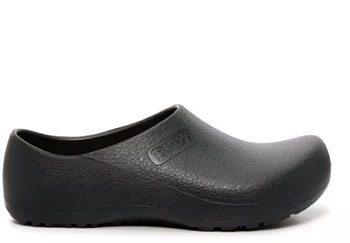
- Limited Liquid Protection: The ventilation holes that make these clogs so breathable also represent their biggest weakness in certain work environments. If you work in settings with frequent spills or where you’re regularly exposed to liquids, those holes can allow moisture to seep through to your feet. I’ve experienced this firsthand when a colleague accidentally spilled a tray of drinks, and several drops found their way through the ventilation holes onto my socks. While the polyurethane material itself is water-resistant, the perforations create vulnerabilities that can be problematic in wet environments.
- Break-In Period Required: The firm cork-latex footbed that eventually becomes your best friend starts out as an uncomfortable stranger. For the first several wears, you might question your purchase decision as the rigid footbed feels unyielding and even painful in some pressure points. This break-in period typically lasts anywhere from a few days to two weeks, depending on how much you wear them and your individual foot characteristics. Some people find this adjustment period manageable, while others struggle through it. The key is persistence, but not everyone has the patience or pain tolerance to wait for the payoff.
- Not Suitable For Heavy Liquid Exposure: Beyond the occasional spill issue, the Profi Birki simply isn’t designed for environments where you’re constantly exposed to liquids. If you work in surgical settings, food preparation areas with heavy washing stations, or laboratories with chemical exposure risks, the ventilation holes present both a comfort issue and a potential safety concern. The openings that keep your feet cool in dry conditions become entry points for potentially hazardous substances in wet or chemical-heavy environments. This limitation means the Profi Birki isn’t a universal solution for all professional settings.
- Sizing Can Be Tricky: Birkenstock Professional clogs run on European sizing, which doesn’t always translate perfectly to standard American sizes. I initially ordered my usual size and found them slightly too large, requiring an exchange that delayed my ability to wear them for work. The sizing issue is compounded by the fact that these clogs are meant to fit with some room, not snugly like athletic shoes. Finding that sweet spot between too loose and too tight can require trial and error, and the break-in period makes it harder to judge proper fit initially since the footbed will eventually conform to your foot shape.
- Limited Color Selection: While the professional appearance is generally a positive, the restricted color palette means you don’t have much opportunity for personal expression. If you’re someone who likes to coordinate your footwear with your scrubs or work attire, you might find the options limiting. The available colors tend toward neutral tones that satisfy workplace requirements but don’t offer much variety. This is a minor complaint in the grand scheme of things, but it’s worth noting for those who value aesthetic options in their work footwear.
- Price Point: Compared to basic work clogs you can find at discount stores, the Profi Birki represents a significant investment. While I believe the quality and longevity justify the cost, the upfront expense can be a barrier for people just starting their careers or those working in lower-paying positions. The sticker shock is real, and it requires faith that these clogs will deliver value over time. Not everyone can afford to invest in premium work footwear, even when it’s the smarter long-term choice. Budget constraints are a legitimate concern that can’t be dismissed, regardless of how good the product might be.
- Not Insulated For Cold Weather: If you work in environments that require outdoor duties or in buildings with poor heating, the Profi Birki offers minimal insulation against cold. The ventilation that keeps your feet cool in warm conditions also allows cold air to circulate freely around your feet in winter. I’ve found myself wearing thicker socks or even double-layered socks during cold months, which somewhat defeats the purpose of the breathable design. The lack of thermal protection is a consideration if you live in colder climates or work in refrigerated areas.
My Experience With Super Birki
When I decided to test the Super Birki model, I was curious whether the fully enclosed design would feel claustrophobic compared to the ventilated Profi Birki I’d grown to love. I ordered a pair specifically for shifts where I knew I’d be working in areas with more liquid exposure, and I’m glad I made that choice.
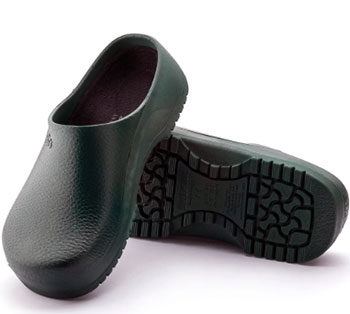
The first thing I noticed was the slightly heavier weight. It’s not dramatic—we’re talking ounces, not pounds—but after wearing the lightweight Profi Birki, the difference was perceptible. The fully enclosed toe box provides a more protected feeling, like your feet are shielded from the chaos of a busy work environment.
During a particularly messy shift involving multiple spills and cleanups, the Super Birki proved its worth. Liquids that would have seeped through the Profi Birki’s ventilation holes simply beaded up and rolled off the smooth surface. I could wipe them clean with a quick swipe of a towel and continue working without soggy socks.
However, this waterproof advantage came with a tradeoff. My feet definitely felt warmer in the Super Birki, especially during summer months. The lack of ventilation meant moisture from my feet had nowhere to escape, leading to a less comfortable experience during hot weather. I found myself rotating between the two models based on the season and my anticipated work conditions.
The Super Birki uses the same footbed design as the Profi Birki, so the support and comfort level once broken in was comparable. The adjustment period was similarly challenging, requiring patience as the cork-latex molded to my foot shape. But once that happened, I had two pairs of excellent work clogs serving different purposes in my footwear rotation.
Pros Of Super Birki
- Complete Waterproof Protection: The fully enclosed design without ventilation holes creates a barrier that keeps your feet completely dry in wet conditions. I’ve worked through scenarios involving significant liquid exposure—from surgical procedures to kitchen cleanup situations—and the Super Birki has kept my feet protected every time. This waterproof quality isn’t just about comfort; it’s about hygiene and safety in environments where exposure to bodily fluids, chemicals, or food waste is a concern. The peace of mind knowing that nothing is getting through to your feet is invaluable in certain professional settings.
- Enhanced Safety Features: The enclosed toe box provides protection that goes beyond liquid resistance. Your toes are shielded from dropped objects, cart collisions, and other workplace hazards that are all too common in busy professional environments. I’ve had multiple instances where something fell or rolled across my foot, and the Super Birki’s solid construction absorbed the impact without injury. This protective quality makes these clogs suitable for more demanding work environments where safety risks are elevated.
- Superior For Chemical Exposure: In laboratory settings or environments where chemical exposure is possible, the lack of openings in the Super Birki means there are no entry points for potentially hazardous substances. This makes them the preferred choice for workers in certain healthcare specialties, research facilities, and industrial settings where protective footwear is required. The smooth, non-porous surface can be decontaminated more thoroughly than ventilated alternatives, meeting stricter workplace safety standards.
- Excellent In Cold Conditions: The enclosed design provides better insulation against cold temperatures compared to the ventilated Profi Birki. During winter months or when working in refrigerated areas, the Super Birki keeps your feet noticeably warmer. While they’re not insulated winter boots, the solid construction prevents cold air from circulating around your feet, making them more comfortable in lower temperatures. This makes them a better year-round option for people working in variable temperature conditions.
- Same Exceptional Footbed: The Super Birki features the identical anatomical cork-latex footbed that makes the Profi Birki so comfortable once broken in. This means you get all the arch support, pressure distribution, and alignment benefits in a more protective package. The footbed technology that has made Birkenstock famous for comfort isn’t compromised by the waterproof design. You don’t have to sacrifice proper foot support for protection—you can have both.
- Durability In Harsh Conditions: The solid construction without ventilation holes means there are fewer potential weak points where wear and tear can begin. The Super Birki can withstand more demanding work environments where footwear takes a beating from chemicals, repeated washing, and physical stress. I’ve found these clogs maintain their appearance and structural integrity longer in harsher conditions compared to the ventilated alternative. For workers in particularly demanding settings, this enhanced durability translates to better value over time.
- Professional And Practical: Like the Profi Birki, the Super Birki maintains a clean, professional appearance while delivering superior functionality. The streamlined design looks appropriate in healthcare, food service, and laboratory settings without calling attention to itself. This combination of professional aesthetics and practical performance makes them suitable for workplaces with strict dress codes and safety requirements. You can meet employer expectations while ensuring your feet are properly supported and protected.
Cons Of Super Birki
- Significantly Reduced Breathability: The waterproof design that keeps liquids out also traps heat and moisture inside. During warm weather or in heated work environments, your feet will get noticeably warmer and potentially sweaty in Super Birkis compared to the ventilated Profi model. This reduced breathability can lead to discomfort during long shifts, especially in summer months or in buildings without adequate air conditioning. I’ve found myself needing to change socks midway through particularly hot shifts, which isn’t always convenient in busy work settings.
- Moisture Accumulation Issues: Without ventilation holes, any moisture from your feet has nowhere to escape. This can create a damp environment inside the clog that’s uncomfortable and potentially problematic for foot health. Prolonged exposure to this trapped moisture can increase the risk of fungal infections, blisters, and general foot discomfort. While you can mitigate this with moisture-wicking socks and allowing the clogs to dry thoroughly between wears, it remains a consideration that doesn’t exist with the ventilated Profi model.
- Slightly Heavier Construction: The solid polyurethane construction without cutouts makes the Super Birki measurably heavier than the Profi Birki. While the difference isn’t dramatic, it becomes noticeable over the course of a long shift involving lots of walking. The accumulated effect of lifting slightly more weight with each step can contribute to leg fatigue, particularly for workers who cover significant distances during their workday. This weight consideration matters more for some people than others, depending on your individual sensitivity and work demands.
- Less Comfortable In Hot Weather: The combination of reduced breathability and heat retention makes the Super Birki a less appealing choice during summer months or in naturally warm climates. I’ve found myself reluctantly wearing them only when liquid protection was absolutely necessary during hot weather, switching back to the Profi Birki whenever possible for comfort reasons. This seasonal limitation means they’re not the ideal year-round solution for all workers, particularly those in warmer regions.
- Same Break-In Challenges: The Super Birki requires the same patience during the break-in period as the Profi model, meaning you’ll endure several days to weeks of discomfort before the footbed conforms to your feet. This adjustment period can feel even more challenging in the Super Birki because the reduced breathability compounds the initial discomfort. New wearers might question whether these clogs are worth the struggle, especially during the awkward phase where they’re neither fully broken in nor comfortably molded to your feet.
- Higher Price Point For Similar Features: The Super Birki generally costs about the same or slightly more than the Profi Birki, despite using less material (no ventilation holes to manufacture). While the waterproof feature justifies the cost in appropriate work settings, it can feel like you’re paying premium prices for features you may not always need. For workers who don’t regularly face liquid exposure, the additional cost might be hard to justify when the ventilated model would serve their needs more comfortably.
- Not Ideal For All Work Environments: While the Super Birki excels in wet conditions, this specialization makes it less versatile than the Profi model. If your work involves both wet and dry conditions, or if you work in generally dry environments with occasional spills, the Super Birki might be overkill. The reduced breathability becomes a daily burden for protection you rarely need. Choosing between models requires honest assessment of your actual work conditions rather than planning for worst-case scenarios that seldom occur.
Also Read: My Thoughts On Walk Hero Shoes
Frequently Asked Questions (FAQ)
The main difference is the upper design: Profi Birki has ventilation holes for breathability, while Super Birki features a fully enclosed, waterproof upper. Both share the same anatomical footbed and support features, but Super Birki offers better liquid protection while Profi Birki provides superior airflow and lighter weight.
Yes, Profi Birki clogs are very comfortable once broken in. The anatomical cork-latex footbed molds to your unique foot shape, providing excellent arch support and pressure distribution. However, expect a break-in period of one to two weeks where the firm footbed feels uncomfortable before it conforms to your feet.
Both Profi and Super Birki use the same contoured cork-latex footbed, so there’s no difference in support quality between models. The choice depends on your work environment needs—ventilation versus waterproofing—rather than footbed quality. Both provide exceptional arch support and anatomical alignment.
The best model depends on your specific work conditions. Choose Profi Birki for general professional use with good breathability, or Super Birki for environments with heavy liquid exposure. Consider your climate, workplace hazards, and personal comfort priorities when selecting between models. Both offer excellent support and durability.
Conclusion
After extensive experience with both models, I’ve come to appreciate that neither the Profi Birki nor the Super Birki is objectively better—they serve different purposes with distinct advantages. If you work in healthcare settings without heavy liquid exposure, laboratories with minimal wet work, or any professional environment where breathability matters, the Profi Birki will likely become your favorite work shoe. The ventilation keeps your feet comfortable during long shifts, and the lightweight construction reduces fatigue.
However, if your work involves frequent liquid exposure, whether that’s surgical suites, commercial kitchens, or wet laboratories, the Super Birki’s waterproof protection justifies the reduced breathability. You’ll appreciate staying dry even when the trade-off is warmer feet. I’ve found value in owning both models, rotating based on my scheduled work location and anticipated conditions.
The investment in either model pays dividends in reduced foot pain, better posture, and improved overall comfort during long work shifts. Your feet carry you through your entire career—treating them well with quality footwear isn’t a luxury, it’s essential self-care. Consider your specific work environment honestly, think about whether you prioritize breathability or protection, and choose the model that aligns with your daily reality. Either way, you’re getting Birkenstock’s decades of footbed engineering expertise in a practical, professional package that will serve you well for years. Your feet will thank you for making the upgrade from whatever inferior work shoes you’ve been suffering through, and you’ll wonder why you waited so long to invest in proper professional footwear that actually supports your body through demanding workdays.