
I’ve brewed with both Primula and Bialetti moka pots extensively, starting with a budget Primula for casual mornings and relying on the classic Bialetti Moka Express for that perfect daily ritual. This comparison shares my real-world insights to help you decide between Primula’s affordable entry-level option or Bialetti’s iconic quality—both produce strong, flavorful stovetop coffee.
A Brief Comparison Table
| Feature | Primula Classic | Bialetti Moka Express |
| Material | Cast aluminum | Cast aluminum |
| Stovetop Compatibility | Gas, electric, ceramic (no induction) | Gas, electric (adapter for induction) |
| Price Range | $15-30 | $30-60 |
| Brew Quality | Good, solid but can be weaker/flat | Consistent, robust, full-bodied |
| Sizes Available | 1-12 cups | 1-18 cups |
| Build/Design | Simple, functional | Iconic octagonal, premium feel |
| Best For | Budget buyers, beginners | Daily reliability, tradition |
My Experience With Primula
I picked up a Primula Classic as my first moka pot because of the low price, and it delivered surprisingly decent coffee right away. The aluminum body heats quickly, and filling the basket with medium grounds produced a straightforward brew in minutes on my gas stove.
The coffee came out hot and drinkable, suitable for quick mornings or adding milk. It handled basic use well without leaks when tightened properly.Over time, it held up for occasional brewing, and cleanup was simple with a rinse. For an inexpensive starter that gets you into stovetop coffee without commitment, Primula works fine and saves money.
My Experience With Bialetti
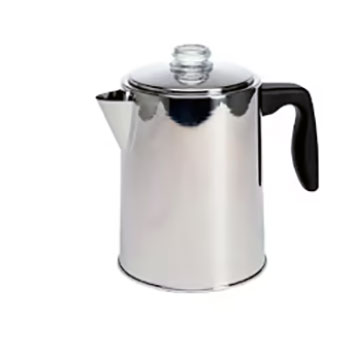
The Bialetti Moka Express quickly became my favorite—the thicker aluminum feels substantial, and the octagonal design heats evenly for richer extraction.
Using the same grounds as with Primula, the brew tasted bolder and more aromatic, with better body and less chance of bitterness when heat is managed.
It seasoned over time, improving flavor without off tastes. The handle stays cooler, and pouring is smoother with less dribbling.It’s durable for daily use and consistently reliable. For authentic, high-quality moka coffee that lasts, Bialetti stands out as the benchmark.
Pros Of Primula
- Outstanding Budget Value: Costs half or less than Bialetti while delivering functional stovetop coffee. Ideal for beginners or casual users testing moka pots without big investment.
- Quick Heating Performance: Lightweight cast aluminum warms fast on gas or electric stoves. Shortens brew time for busy mornings or multiple batches.
- Easy Everyday Use: Simple assembly and straightforward operation suit novices perfectly. Produces drinkable espresso-style coffee with minimal technique required.
- Decent Size Options: Ranges from small solo cups to larger family sizes fit various needs. Matches household demands without excess.
- Portable Lightweight Design: Compact and easy to carry for camping or travel. Stores neatly in small kitchens.
- Solid Basic Brew: Makes hot, flavorful coffee suitable for lattes or straight drinking. Performs well for the low price point.
- Simple Cleanup Routine: Rinses quickly without complicated parts. Maintains easily for occasional use.
- Good Entry-Level Durability: Holds up to regular light use without immediate issues.
Read More: My Thought on Aeropress And Moka Pot
Cons Of Primula
- Thinner Build Quality: Lighter aluminum feels cheaper and less substantial than competitors. May dent or wear faster with heavy daily use.
- Handle Heats Up Quickly: Plastic grip gets hot without wide base protection. Requires caution or mitts during longer brews.
- Weaker or Inconsistent Brew: Smaller basket or design can lead to flatter, less rich coffee. Sometimes tastes unbalanced or bitter in tests.
- No Induction Compatibility: Aluminum model needs adapter for modern stoves. Limits versatility in updated kitchens.
- Potential Dribbling Pour: Basic spout spills more easily than refined designs. Needs careful handling for clean serving.
- Replacement Parts Harder: Gaskets and filters less widely available than iconic brands. Increases hassle if wear occurs.
- Less Premium Feel: Glossy handle and finish show budget origins clearly. Lacks heirloom durability perception.
- Variable Long-Term Reliability: Some units develop leaks or valve issues sooner. Hit-or-miss quality control reported.
Pros Of Bialetti
- Superior Build Quality: Thicker cast aluminum with smoother edges and better finish lasts longer. Feels premium and withstands daily use reliably.
- Consistent Rich Flavor: Produces bold, full-bodied coffee with excellent aroma and body. Delivers traditional Italian moka taste brew after brew.
- Cooler Safer Handle: Wider base and design keep grip comfortable longer. Reduces burn risk during handling.
- Iconic Durable Design: Octagonal shape heats evenly and seasons beautifully over time. Often lasts decades with care.
- Wide Size Variety: Extensive options from tiny to large suit any scenario perfectly. Scales easily for solo or groups.
- Easy Parts Availability: Gaskets and replacements inexpensive and everywhere. Simplifies maintenance greatly.
- Timeless Reliable Performance: Forgiving heat management yields great results consistently. Motivates daily brewing habits.
- Heritage Authenticity: Original inventor’s design evokes true Italian coffee tradition. Adds enjoyment to ritual.
Cons Of Bialetti
- Higher Price Point: Costs 2-3 times more than budget alternatives for similar function. Requires justifying premium for casual users.
- No Native Induction: Classic aluminum needs adapter for induction stoves. Less convenient for modern setups.
- Requires Careful Heat: Overheating risks bitterness without attention. Demands medium flame monitoring.
- Aluminum Maintenance Needed: Dry thoroughly to avoid staining; no dishwasher. Preserves seasoning but adds step.
- Initial Seasoning Required: First brews discard to remove factory taste. Minor startup effort involved.
- Basic Modern Features: Lacks refinements like auto-stop in some rivals. Stays true to classic simplicity.
- Heavier Than Budgets: Substantial weight less portable for travel. Suits stationary kitchen use better.
- Potential Quality Variance: Some recent units criticized versus vintage. Though still superior overall.
Maintenance Tips For Primula
- Rinse Immediately After Brewing: Use hot water only to clear grounds and residue quickly. Prevents buildup and maintains clean flavor without soap stripping.
- Dry All Parts Thoroughly: Disassemble and air-dry completely before storage. Avoids oxidation spots on aluminum and extends lifespan.
- Descale Monthly if Needed: Boil vinegar-water mix in hard water areas to remove minerals. Restores even flow and prevents bitter tastes.
- Check Seal Tightness: Tighten firmly each use to prevent steam leaks. Ensures proper pressure for stronger brews.
- Medium Heat Control: Avoid high flames that overheat handle or scorch coffee. Removes promptly at gurgle end for best results.
- Inspect Gasket Regularly: Replace if cracking or leaking appears early. Keeps consistent sealing despite budget parts.
- Store Disassembled: Keeps ventilated in humid climates. Prevents mold or trapped moisture issues.
- Clean Valve Carefully: Clear safety valve occasionally with pin. Maintains pressure release function safely.
Maintenance Tips For Bialetti
- Hand-Rinse with Hot Water: Avoid soap to preserve seasoning layer enhancing flavor. Clears residue effectively while protecting patina.
- Replace Gasket Every 1-2 Years: Swap rubber seal and filter when wear shows. Inexpensive and widely available for seamless upkeep.
- Descale with Vinegar Solution: Monthly boils in hard water clear limescale buildup. Keeps extraction smooth and taste pure.
- Dry Fully Before Assembling: Towel or air-dry parts to prevent staining. Maintains classic aluminum appearance longer.
- Use Medium Flame Only: Prevents scorching and bitterness during brewing. Removes at slow gurgle for optimal cup.
- Season Properly Initially: Discard first few brews to build flavor base. Improves taste profile over time.
- Poke Valve Clean: Clear safety valve residue periodically. Ensures reliable pressure management.
- Store Parts Separate: Ventilates and prolongs gasket life. Ready for quick next use.
Comparison With Other Brands
- Versus Grosche Milano — Similar budget aluminum to Primula with better handles. Bialetti superior consistency and heritage.
- Against IMUSA — Cheaper clone like Primula but thinner. Bialetti thicker build lasts longer.
- Compared to London Sip — Stainless options bridge to induction. Bialetti classic aluminum benchmark.
- Cuisinox Roma — Premium stainless rival. Bialetti affordable tradition winner.
- Giannina or Alessi — Luxury designs elevate experience. Bialetti/Primula practical daily choices.
- Venus (Bialetti Stainless) — Bialetti’s induction upgrade. Primula lacks equivalent.
- Generic Clones — Often poorer quality than both. Avoid for reliability.
- Overall Edge — Bialetti authentic quality; Primula best budget emulation.
Read More: Comparison of Aeropress And Moka Pot
Frequently Asked Questions (FAQ)
With regular rinsing and care, 3-5 years or more for light use. Heavier daily brewing may shorten due to thinner build.
Yes, excellent entry-level with solid coffee for the price. Great starter before upgrading to premium brands.
Bialetti overall for build, consistency, and longevity. Primula wins strictly on budget value.
Standard aluminum no—needs adapter. Some stainless Primula models may, but classics don’t.
Conclusion: Which One Is Better For You
After extensive brewing, Bialetti Moka Express is the better choice for most—delivering superior build, consistent rich coffee, and lasting reliability that makes daily stovetop brewing a joy worth the extra cost. Choose Primula if budget is tight or you’re just starting—it provides good functional coffee at half the price without major compromises for casual use. Both beat drip machines for bold flavor; match to your spending and frequency—you’ll enjoy strong home-brewed cups either way.