
If you own a pool, you know the specific kind of dread that comes with seeing a floor covered in leaves just hours before a barbecue. I have spent years wrestling with pool equipment, and the debate between the Polaris 280 and the Polaris 3900 Sport is the classic battle of “tried-and-true” versus “modern muscle.”
If you want a cleaner that you can fix with a screwdriver and parts from any local store, the Polaris 280 is your unshakeable ally. However, if you have a large pool with heavy debris and need the sheer torque to climb walls and circulate massive amounts of water, the 3900 Sport offers a performance upgrade that is hard to ignore.
A Brief Comparison Table
| Feature | Polaris 280 | Polaris 3900 Sport |
| Drive Mechanism | Shaft Drive (Gear) | All-Wheel PosiDrive (Stainless Steel Chain) |
| Vacuum Jets | Double Jets | Triple Jets (High Vacuum Power) |
| Debris Bag | Single Chamber (Standard capacity) | Dual Chamber SuperBag (5-liter capacity) |
| Tire Width | Standard (Classic skinny tires) | Wide Trax (Wide, sport-tread tires) |
| Tail Scrubber | Standard Sweep Hose | TailSweep Pro (Included standard) |
| Water Circulation | Standard | Adds ~40 Gallons Per Minute |
| Torque | Standard | 50% More Torque |
| Booster Pump | Required | Required |
| Complexity | Low (DIY friendly) | Moderate (Chain drive complexity) |
| Price Point | Mid-Range | Premium / High-End |
My Experience With Polaris 280
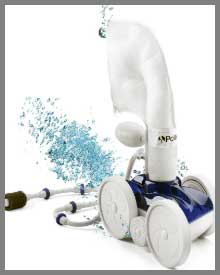
The Polaris 280 was the first pressure-side cleaner I ever installed, and honestly, it felt like welcoming a reliable old dog into the family.
It isn’t flashy. It doesn’t look like a race car. It looks like a white plastic turtle.
But the moment I hooked it up to the dedicated pressure line and turned on the booster pump, it just went to work.
It spent three hours happily puttering around the pool bottom, and when I pulled it out, the bag was full of oak leaves.
Over the years, what I came to appreciate most about the 280 was its simplicity.
I remember one summer when it stopped moving; I opened it up on the patio table, found a stripped plastic wheel gear, and replaced it in ten minutes with a part I bought for a few dollars.
It is the kind of machine that refuses to die because there just isn’t that much inside of it to break. It climbs walls decently well, though it sometimes struggles with the steep transition from deep end to shallow end if the tire treads are worn. It is not a quiet machine—the tail hose tends to whip around aggressively, spraying water on the windows if you don’t adjust it—but it is the definition of “set it and forget it.”
Pros Of Polaris 280
- Legendary Reliability and Simplicity: The absolute strongest selling point for the Polaris 280 is its mechanical simplicity. It uses a shaft-drive mechanism that has been around for decades. This means there are fewer moving parts to break compared to chain-driven models. If something does go wrong, you don’t need a degree in engineering to fix it. The internal turbine spins, turns a shaft, and the wheels move. This simplicity translates to a lifespan that often exceeds 10 or 15 years with just minor part swaps.
- Incredibly Cheap and Available Parts: Because the 280 is one of the best-selling pool cleaners in history, you can find replacement parts everywhere. Every local pool store, big-box retailer, and online shop stocks tires, bearings, and bags for this model. You will never be in a situation where your cleaner is out of commission for weeks waiting on a backordered part from the manufacturer. The cost of ownership over time is very low because a tune-up kit is affordable and easy to install yourself.
- Large Throat Opening for Debris: Despite being the “older” model, the 280 features a very large vacuum inlet (throat).1 I have watched it suck up large acorns, palm fronds, and even smooth river stones that my kids threw into the pool. It rarely gets clogged at the intake point. This makes it ideal for pools that are surrounded by trees that drop substantial debris, rather than just fine dust or sand.
- Lightweight and Easy to Handle: The 280 is significantly lighter than the 3900 Sport. When you have to pull the cleaner out of the water to empty the bag, you aren’t fighting against a heavy, water-logged chassis. For older homeowners or anyone who doesn’t want a workout just to clean the pool filter, the lightweight nature of the 280 is a subtle but daily benefit. It floats up easily when you pull the hose and doesn’t drag on the bottom.
Cons Of Polaris 280
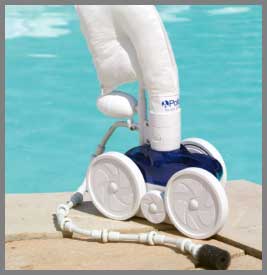
- The Tail Hose Can Be Annoying: Out of the box, the standard sweep hose on the 280 is known as “the window washer.” As the cleaner moves, the tail whips back and forth to scrub the floor, but it often breaches the surface and sprays water everywhere—onto your deck, your patio furniture, and your sliding glass doors. You usually have to buy an aftermarket “TailSweep Pro” accessory or constantly adjust the flow screw to keep it tamed, which can reduce its cleaning effectiveness on the pool floor.
- Struggles with Slick Tiles or Algae: The standard skinny tires on the 280 are hard plastic with a rubber overlay. While they work fine on plaster, they can struggle to gain traction on smooth tile or fiberglass pools, especially if there is a hint of algae. You might see the wheels spinning in place while the cleaner goes nowhere. You often have to buy special “PosiTrax” tires separately to get it to climb walls effectively in these slicker environments.
- Single Chamber Bag Fills Quickly: The standard bag on the 280 is a single chamber with a velcro closure (though newer ones have zippers).2 In the fall, when leaves are dropping heavy, I found myself having to empty this bag halfway through the cleaning cycle because it would fill up and create drag, causing the cleaner to tip over or stop moving. It lacks the massive capacity needed for “heavy leaf” seasons without human intervention.
- Slower Cleaning Cycle: Because it relies on two vacuum jets rather than three, and has a standard gear ratio, the 280 takes a bit longer to cover the entire pool compared to the 3900. It wanders more randomly and doesn’t have the aggressive torque to power out of corners quickly. If you have a party starting in an hour, the 280 might not get the whole pool done in time, whereas a more powerful model might.
Maintenance Tips For Polaris 280
- Rotate and Check the Tires: The most common maintenance task on the 280 is managing tire wear. The rubber treads will eventually wear down until they are smooth, at which point the cleaner won’t climb walls. To extend their life, rotate the tires periodically (swap the left and right wheels). When you see the ridges are gone, replace them immediately. Worn tires put extra stress on the internal gearbox because the wheels spin without moving the unit, grinding the gears inside.
- Clean the In-Line Filter Screen: There is a small metal mesh screen located in the wall fitting (where the hose connects to the pool wall).3 This screen catches debris from your pool pump before it enters the cleaner. If this screen clogs with calcium or sand, the 280 will move lethargically or stop completely. Check this screen once a week. If you have hard water, soak it in vinegar to dissolve calcium deposits that might be blocking water flow.
- Watch the Backup Valve: Every few minutes, the 280 should stop and reverse to get itself out of corners. This is controlled by the acorn-shaped backup valve on the leader hose. If your cleaner is just spinning in circles or staying in the deep end forever, pull the cleaner out and hold the backup valve while the pump is running. It should cycle water out of the side jet every 3 minutes. If it sprays constantly or never sprays, the internal gears are stripped, and the valve needs replacement.
- Empty the Bag Before it Dries: It is tempting to pull the cleaner out, throw it on the deck, and empty the bag later. Don’t do this. If you let the debris dry inside the bag, the fine mesh pores get clogged with crusted silt and pollen. This increases back pressure and reduces suction power next time you use it. Always empty the bag while it is wet and rinse it with a garden hose to keep the fabric breathable.
My Experience With Polaris 3900 Sport
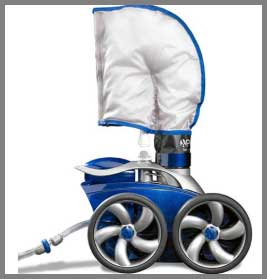
Transitioning to the Polaris 3900 Sport felt like trading in that reliable sedan for a muscular SUV.
The visual difference is immediate—it looks aggressive, with wide tires and a sleek, dark body.
When I first dropped the 3900 into the pool, the power was palpable. The “PosiDrive” chain system gives it incredible torque.
I watched it climb the walls of the deep end with zero hesitation, breaching the waterline before turning back down.
The most noticeable improvement for me was the “TailSweep Pro” that comes included. Unlike the 280, this tail scrubber has a specialized diffuser at the tip that keeps the water spray directed into the pool, not on my windows. It actually scrubbed the corners of the pool floor much better than the standard tail. However, I also noticed that the 3900 is a heavier beast. Hauling it out of the water requires a bit more effort. It also circulates a ton of water—you can see the disturbance on the surface as it moves, which made me feel like my pool was getting a secondary filtration cycle just by having it run. It didn’t just pick up leaves; it seemed to polish the water.
Pros Of Polaris 3900 Sport
- Massive Torque and Climbing Ability: The 3900 Sport utilizes an all-wheel “PosiDrive” system powered by a stainless steel chain.4 This provides 50% more torque than the classic 280 series. In practical terms, this means the cleaner doesn’t get stuck. It powers over main drains, climbs up steep transitions, and navigates stairs that would trap lesser cleaners. If you have a free-form pool with lots of curves and obstacles, the 3900 navigates them with authority.
- Dual Chamber SuperBag Capacity: The debris bag on the 3900 is a “SuperBag” with two distinct chambers.5 This design distributes the weight of the debris more evenly, preventing the cleaner from tipping over when it gets full. More importantly, it holds 5 liters of debris. This is a game-changer during autumn. You can let the cleaner run for a full cycle without worrying that the bag will be bursting at the seams halfway through. The zipper access is also much easier to manage than older velcro strips.
- Includes TailSweep Pro: As mentioned in my experience, the inclusion of the TailSweep Pro is a major value add. Buying this accessory separately for a 280 costs extra money. On the 3900, it is standard. This feature allows for maximum flow to the tail (which improves sweeping) without the side effect of spraying water outside the pool. It keeps your coping and walkways dry while aggressively scrubbing the algae and fine dust from the pool floor.
- Superior Vacuum Power and Circulation: The 3900 has three jets compared to the 280’s two.6 This creates a stronger venturi effect, allowing it to suck up heavier debris. Additionally, the design circulates an extra 40 gallons of water per minute through the bag.7 This acts as a secondary filter for your pool, trapping fine particulates in the bag and helping to distribute sanitized, chlorinated water throughout the deep end. It results in clearer, more polished water overall.
Read more: My Thoughts On HTH Pool Shock
Cons Of Polaris 3900 Sport
- Chain Drive Maintenance is Complex: While the chain drive provides power, it adds complexity. If the chain slips or stretches over time, putting it back on is significantly more annoying than replacing a gear in the 280. You have to open up the chassis and realign the tensioners. Metal chains can also rust if your pool chemistry is chronically off (salt pools specifically need monitoring here), whereas the 280’s plastic internals are immune to rust.
- Heavy and Cumbersome: The 3900 is built like a tank, and it weighs like one. When the dual-chamber bag is full of wet leaves and water, lifting this unit out of the pool can be a strain on the wrist and back. It is not as nimble or easy to toss around as the 280. This weight also means that if you drop it on the deck, you are more likely to crack the plastic housing due to the mass of the impact.
- Wide Tires Can Get Stuck on Drains: Paradoxically, the wide “Sport” tires that give it great traction can sometimes be a liability. I have heard from users where the wide tires perfectly bridge the gap on certain raised main drains, causing the cleaner to high-center itself. While the backup valve usually solves this, it can lead to the cleaner spending more time untangling itself from the bottom drain than actually cleaning the rest of the pool.
- Significantly Higher Price Point: The 3900 Sport is a premium product. You are paying for the aesthetics, the extra jet, and the torque. For many pool owners, the price difference (often $300-$400 more than a 280) is hard to justify if the 280 already does a “good enough” job. The replacement parts are also generally more expensive; a 3900 gearbox or frame part will cost you more than the equivalent part for a 280.
Maintenance Tips For Polaris 3900 Sport
- Check Chain Tension Annually: Because the 3900 relies on a chain drive, tension is critical. Once a year, it is a good idea to open the housing and check that the chain is not sagging. A loose chain will skip teeth, causing a loud clicking sound and resulting in the cleaner sitting still while the engine revs. There are tensioners inside that can be adjusted to keep the drive system tight and responsive.
- Clean the Bag Zippers: The SuperBag uses zippers which are great for security, but they can get jammed with fine sand or calcium grit. After emptying the bag, rinse the zipper teeth with fresh water from a hose. If they start to feel stiff, rub a little candle wax or a dedicated zipper lubricant on them. If the zipper seizes shut, you might have to cut the bag open, ruining an expensive part.
- Monitor the TailSweep Scrubber Wear: The TailSweep Pro is effective because of the foam scrubber on the end. However, this foam wears down faster than standard scrubbers because it is making better contact with the pool floor. Check this tip weekly. If the foam wears down to the plastic, the hard plastic tip will drag along your pool floor, potentially scratching the plaster or vinyl liner. Keep a pack of replacement scrubbers on hand.
- Inspect the Hose Swivels: The 3900 generates a lot of torque, which puts more strain on the hose swivels than the 280 does. If a swivel stiffens up, the powerful cleaner will coil the hose into a “spaghetti” mess within an hour. Periodically disconnect the hose sections and spin the swivels by hand. If they feel gritty or don’t spin freely, dip them in hot water to loosen them up or replace them immediately to prevent hose tangling.
Comparison with other brands
- Polaris 280 vs. Pentair Racer: The Pentair Racer is another pressure-side cleaner that often competes with Polaris. The Racer features a unique front-scrubbing brush and a huge intake. Compared to the 280, the Racer cleans better mechanically because of that brush. However, the Polaris 280 wins comfortably on reliability. The Racer is known for having more complex internal gears that are prone to failure, while the 280 keeps chugging along. The Polaris parts ecosystem is also much larger, making it easier to own long-term.
- Polaris 3900 Sport vs. Polaris Quattro Sport: The Quattro Sport is Polaris’s newer 4-wheel pressure cleaner. It actually uses brushes to scrub the floor, something the 3900 lacks (the 3900 only sweeps with the tail). The Quattro is superior for scrubbing stuck-on algae. However, the 3900 Sport is generally seen as more robust. The Quattro has had some complaints about belt breakage and debris getting stuck in the brushes. The 3900’s 3-wheel design is simpler and less prone to jamming on large debris like sticks and rocks.
- Polaris 280 vs. Dolphin Nautilus CC (Robotic): This is the most common modern debate: pressure vs. robotic. The Dolphin Nautilus CC plugs into an electrical outlet and doesn’t need a booster pump. It is far more energy-efficient than the 280 (which requires running two pumps). However, the 280 can stay in the pool 24/7. You have to take the robot out daily to clean filters and store it. If you want a “permanent” solution that lives in the pool, the 280 is better. If you want energy savings and fine filtration, the Dolphin robot wins.
- Polaris 3900 vs. Hayward TriVac 700: The Hayward TriVac is a unique pressure cleaner that can also skim the top of the water. While the skimming feature is cool, the Polaris 3900 dominates it in bottom cleaning power. The TriVac tends to be more delicate and the skimming mode can sometimes be finicky. The 3900 is a brute force bottom cleaner. If your main issue is heavy leaves on the floor, the 3900 is the superior tool. If you have light debris floating on top, the Hayward might offer versatility the Polaris lacks.
Also read: My Thoughts On Mini Pebble Pool Finish
Frequently Asked Questions (FAQ)
This is usually caused by a clogged inline filter screen (located in the wall disconnect) or a loose drive chain. Check the screen first; if it’s clean, inspect the internal chain tension or verify that your booster pump is providing adequate pressure.
Mostly no. The internal mechanisms (shaft drive vs. chain drive) are completely different. However, you can use the TailSweep Pro accessory from the 3900 on a 280, and many people do this to stop the 280 from spraying water out of the pool.
Yes, both the Polaris 280 and the 3900 Sport require a dedicated booster pump (like the Polaris PB4-60) to operate.8 They cannot run off the main pool circulation pump alone; they need the high pressure to drive the wheels and create suction.9
The 3900 is worth it if you have a large pool with heavy debris loads or complex shapes that require high torque. For a standard rectangular pool with average leaf fall, the 280 is more cost-effective and offers 90% of the cleaning performance for a lower price.
Conclusion
In conclusion, if you are looking for the most economical, bulletproof solution that has stood the test of time, the Polaris 280 is the clear winner. It is the “Toyota Camry” of pool cleaners—cheap to fix, easy to understand, and reliable for years. I recommend it for the average pool owner who wants a simple maintenance routine.
However, if you want high-performance cleaning, have a large or deep pool, and appreciate modern engineering that keeps water inside the pool (thanks to the TailSweep Pro), the Polaris 3900 Sport is the superior machine. It cleans faster and handles heavy debris loads with authority. Check your current booster pump setup, and if you are ready for a serious upgrade, the 3900 will not disappoint.