
I’ve spent years carrying my kids on trails, city walks, and family adventures, so when it comes to choosing between the Osprey Poco Premium and the Osprey Poco Plus, I wanted a clear winner for real-life use. This article shares my honest take as a parent who has tested both extensively. I focus on key features like comfort, storage, weight, and child safety to help you decide which one suits your family best.
A Brief Comparison Table
| Feature | Osprey Poco Premium | Osprey Poco Plus |
| Weight | 8 lbs 5 oz | 7 lbs 14 oz |
| Storage Capacity | 36 L | 26 L |
| Total Weight Capacity | 48 lbs | 48 lbs |
| Child Age/Weight Range | 6 months+ (head control), up to ~40 lbs child | 6 months+, up to ~40 lbs child |
| Suspension System | Advanced AirSpeed with plush padding | AirSpeed ventilated mesh |
| Hipbelt | Fit-on-the-Fly adjustable | Fit-on-the-Fly with extender wings |
| Key Extras | Removable/washable cockpit, larger pockets, included sunshade | Zippered hipbelt pockets, large under-seat storage |
| Best For | Long hikes, multi-day trips, max gear | Day hikes, balanced comfort/storage |
My Experience With Osprey Poco Premium
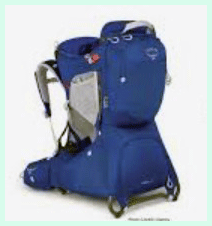
I started with the Poco Plus a few years back and loved it for day hikes—solid storage, great ventilation, and easy adjustments.
But when the Premium came out, I upgraded for longer adventures. The difference hit me on a full-day family trail: I packed extra layers, food, and water without issue, thanks to the 36L capacity.
My child napped comfortably under the sunshade, and the plush padding meant my back felt great afterward.
Switching with my partner was quick with the Fit-on-the-Fly hipbelt.
On rougher paths, the sturdy frame kept everything stable. Cleaning up after messy snacks was simple with the removable cockpit.
It’s bulkier than the Plus, but the comfort trade-off is worth it for us. The Plus remains my go-to for lighter days, but the Premium handles demanding outings better.
Pros Of Osprey Poco Premium
- Huge storage capacity at 36 liters: I can pack everything for a full day out—extra clothes, snacks, water, toys, and even picnic items—without feeling cramped. This makes it perfect for longer outings where I need to carry more than just basics.
- Superior comfort with plush suspension: The advanced AirSpeed system keeps air flowing and reduces sweat on hot days. The padding feels luxurious compared to other carriers I’ve tried, and it distributes weight so well that my shoulders stay happy even after hours.
- Removable and machine-washable child cockpit: Kids get messy fast. I pull this out, toss it in the wash, and it’s fresh again—no more dealing with stains that linger.
- Included high-quality sunshade: It deploys easily and provides full coverage. My child naps peacefully under it, shielded from sun and light distractions.
- Adjustable foot stirrups for growing kids: As my little one gets taller, I tweak the stirrups quickly. This supports their legs better and cuts down on fatigue during extended wear.
- Durable build with premium materials: The frame is sturdy, and features like the Double Halo harness make buckling safe and simple. I feel confident on rough terrain.
- Extra pockets everywhere: Zippered compartments, stretch areas, and hipbelt storage keep essentials organized. I never dig around for diapers or keys.
- Bluesign certified for eco-friendliness: Knowing materials are responsibly made gives me peace of mind as a parent who cares about the planet.
Cons Of Osprey Poco Premium
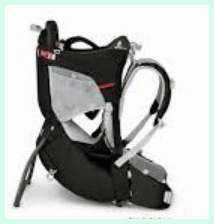
- Heavier empty weight at 8 lbs 5 oz: It feels noticeable when I first put it on empty. For short walks or quick errands, the extra ounces add up compared to lighter options.
- Bulkier overall size: The pack takes more space in the car or when stored. On crowded trails or public transport, it can feel cumbersome.
- Higher price point: The premium features come at a cost. If I only do occasional day trips, it might seem like overkill.
- More weight on shoulders if not fitted perfectly: I need to adjust the torso and hipbelt carefully. If I’m rushed switching with my partner, it can shift weight forward.
- Large footprint when standing: The kickstand is stable, but the pack is wide. It doesn’t tuck away as neatly in tight spots.
- Overbuilt for minimalist needs: For light hikes with minimal gear, all the extras can feel unnecessary and add unnecessary bulk.
- Slightly harder to travel with: On flights or trains, the size means checking it more often, though it’s still manageable as a carry option in some cases.
Maintenance Tips For Osprey Poco Premium
- Clean the removable cockpit regularly: I remove it after every few uses, spot-clean drool or spills with mild soap, and machine-wash when needed. This keeps it fresh and hygienic.
- Wipe down the frame and fabric: After muddy hikes, I use a damp cloth to remove dirt from the aluminum frame and outer materials. Avoid harsh chemicals to preserve the fabric coating.
- Adjust and check fittings often: I inspect the harness, buckles, and straps for wear. Tighten loose parts and lubricate zippers with silicone spray for smooth operation.
- Store in a dry place: I hang it or keep it upright in a cool, dry area to prevent mold. Folding it flat helps maintain the shape.
- Air out after sweaty days: The mesh backpanel dries quickly, but I leave it open to ventilate fully and avoid odor buildup.
- Protect the sunshade: I fold it carefully when stowing and avoid forcing it if stuck. Gentle handling extends its life.
- Check stitching and seams periodically: Osprey’s build is tough, but I look for loose threads early to prevent bigger issues.
Also read: Comparison of Air Wick And Glade
My Experience With Osprey Poco Plus
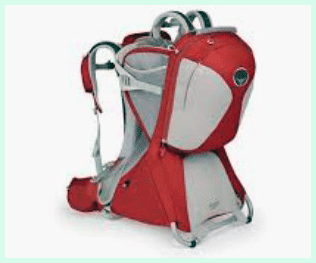
The Poco Plus served me well on countless shorter hikes and urban explorations. Its 26L storage handled daily essentials perfectly, and the weight felt manageable.
The AirSpeed system kept me cool, and the fit-on-the-fly adjustments made sharing easy.
My child loved the cockpit, and the sunshade worked great for naps.
It was lighter, which made it ideal for warmer weather or quick trips. I appreciated the zippered hipbelt pockets for snacks.
While it lacks the Premium’s extra space and plushness, it never let me down. It’s a reliable workhorse for most families.
Pros Of Osprey Poco Plus
- Excellent storage at 26 liters: I can easily fit all the essentials for a full day hike—diapers, snacks, extra clothes, water bottles, and even a small toy or two—without everything feeling squished. The multiple pockets keep things organized so I grab what I need fast.
- Great ventilation with AirSpeed suspension: The tensioned mesh backpanel keeps airflow going strong. On warm days in the hills, my back stays much drier than with other carriers I’ve used, which makes longer carries way more comfortable.
- Lightweight at 7 lbs 14 oz: Compared to heavier options, this one feels manageable when I first sling it on. The lower weight helps a lot on shorter outings or when I’m switching turns with my partner quickly.
- Zippered hipbelt pockets for quick access: Snacks, phone, keys—everything I need right at my fingertips without taking the pack off. These pockets are a lifesaver during breaks when the kid wants a quick bite.
- Built-in sunshade that deploys easily: It pops out in seconds and covers my child’s head well for sun protection. My little one naps peacefully under it, and it folds away neatly when not needed.
- Adjustable torso length up to 6 inches: Sharing the carrier between me and my taller partner is simple. We adjust it in under a minute, and it fits both of us comfortably without major tweaks.
- Sturdy aluminum frame for stability: The frame keeps everything solid on uneven trails. It doesn’t wobble, and the kickstand lets me set it down safely without tipping over.
- Easy-to-use child harness and cockpit: Buckling my kid in is straightforward with the five-point system. The padding is soft, and the adjustable seat height grows with them, supporting legs better as they get bigger.
- Durable build backed by Osprey’s 7-year warranty: I’ve put this through muddy trails, rain, and rough handling—it holds up amazingly. Knowing Osprey stands behind it gives me real confidence.
Cons Of Osprey Poco Plus
- Less storage than top-tier models: At 26L, it works great for day hikes, but I run out of space on longer trips needing extra layers or picnic gear. I have to pack smarter or leave things behind.
- Not the plushest suspension: While ventilated, the padding isn’t as luxurious as some competitors. After very long carries, my shoulders feel it more than with extra-plush options.
- Grab handle can bump the neck: The large rigid handle behind the head sometimes hits my neck on steep uphill sections. It’s a small annoyance, but noticeable when looking up the trail.
- Higher price for the features: It sits at a premium cost. For occasional use, it might feel expensive compared to simpler carriers that do the basics well.
- Hydration sleeve limitations: The external sleeve fits a 1.5L reservoir best—trying bigger ones is tricky. I end up using bottles instead for more capacity.
- Bulkier when stored: The frame doesn’t fold flat like softer carriers. In the car trunk or on flights, it takes more room than minimalist options.
- Less ideal for very short parents: Even at the smallest torso adjustment, shorter users might feel the grab handle or fit isn’t perfect. I know some friends who had to tweak it a lot.
- No removable cockpit for easy washing: Messes stay on the fixed seat area. Spot cleaning works, but deep cleans take more effort than models with pull-out parts.
Maintenance Tips For Osprey Poco Plus
- Spot clean after every use: I wipe down the child seat and harness with a damp cloth and mild soap right away. This prevents stains from setting in, especially from drool or snacks.
- Clean zippers regularly: I use warm water, mild soap, and a soft brush on all zippers. Keeping them clear stops grit buildup that could make them stick over time.
- Wipe the frame and exterior: After muddy hikes, a damp sponge removes dirt from the aluminum frame and fabric. I avoid harsh cleaners to protect the material coating.
- Air dry completely: I hang the pack open in a well-ventilated spot away from direct sun. This prevents any moisture from causing odors or mold.
- Empty and brush out interior: I shake out crumbs and debris, then use a soft brush inside pockets. Thorough emptying keeps everything fresh.
- Check straps and buckles often: I inspect for wear or loose stitching. Tightening loose parts early avoids bigger problems down the line.
- Store with straps loosened: When not in use, I loosen all adjustments and store upright or hung. This helps the pack keep its shape.
- Use gentle products only: Osprey recommends mild detergents—nothing abrasive. For deeper cleans, I use a bathtub with warm soapy water, agitate gently, rinse well, and air dry.
Read more: Comparison of Select Ipsy Box And Birchbox
Comparison With Other Brands
- Vs Deuter Kid Comfort Pro: Deuter offers excellent ventilation and a built-in daypack, but Osprey’s Premium has way more total storage at 36L versus Deuter’s smaller capacity. I prefer Osprey for gear-heavy trips.
- Vs Thule Sapling Elite: Thule feels stable, but the Premium’s plush suspension and removable cockpit give it an edge in comfort and easy cleaning. Thule is lighter, though.
- Vs other Osprey models like Poco LT or SLT: Those are lighter and more portable for travel, but they sacrifice storage and padding. The Premium wins for extended use.
- Vs standard Poco: The standard has less storage and fewer pockets. The Premium feels like a clear step up in luxury.
- Overall durability edge: Osprey’s frame and warranty hold up better in rough conditions compared to some competitors I’ve tried.
- Comfort for both parents: The adjustable fit suits different body types well, similar to top Deuter models, but with more pockets.
- Value in features: While pricier, the extras like washable parts and sunshade make it compete strongly against brands that charge separately for accessories.
Frequently Asked Questions (FAQ)
The Premium offers more storage (36L vs 26L), plusher suspension, a removable cockpit, and extra features, while the Plus is lighter and sufficient for day use.
Yes, if you do longer hikes or need max storage and comfort; the upgrades justify the cost for frequent adventurers.
From about 6 months (when baby has head control) up to around 4 years or 40 lbs child weight.
The Premium is best for extended trips and max features; the Plus works great for balanced everyday use.
Conclusion: For Both Products
I’ve loved using both the Osprey Poco Premium and Poco Plus—they’re built tough and make family time outdoors easy. If your adventures involve longer days or lots of gear, go for the Premium; you’ll appreciate the extras. For lighter, everyday hikes, the Poco Plus delivers without the added bulk. You really can’t go wrong either way—pick based on your needs, and you’ll enjoy every step with your little one.