
Is your smile looking a little less than luminescent lately? I’ve been there. Whether it’s the third cup of coffee in the morning or just the natural passage of time, our teeth take a beating.
That’s where finding the right tool for the job becomes critical, and if you are hunting for that dentist-clean feeling without the scary price tag, Pearl Drops Strong Polished White Toothpaste might just be the upgrade your bathroom cabinet needs. This isn’t just about scrubbing away lunch; it is about reclaiming a brightness that makes you want to grin at strangers.
If you are tired of weak pastes that promise the moon but deliver nothing but minty breath, this product is for you. It targets those stubborn surface stains with a specific polishing action that feels genuinely different from your standard tube of goo.1
I’m going to walk you through exactly how this works, why it might be the polishing powerhouse you’ve been missing, and how it stacks up against the big names you already know.
My Experience With Pearl Drops Strong Polished White Toothpaste
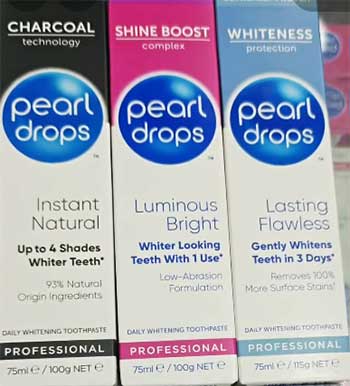
I remember standing in the aisle of my local drugstore, staring at the wall of options.
You know the one—boxes screaming “Instantly White!” and “Pro Health!” in neon letters.
I was skeptical. I’ve tried the strips that make your teeth ache and the charcoal powders that make your sink look like a crime scene.
But the pink box of Pearl Drops Strong Polished White caught my eye because it didn’t just say “white”; it said “polished.”
And honestly, that’s what I felt my smile was missing—that slick, smooth texture you only get right after a hygiene appointment.
The first thing I noticed when I squeezed the tube was the texture. It is not a thick, gloopy paste like some of the major brands. It’s slightly runnier, almost fluid, and it has this distinct pink hue that feels a bit retro, like something from a 1950s beauty counter. I wet my toothbrush, applied a pea-sized amount, and went to work.
Immediately, I could feel the difference in the grit. It wasn’t harsh, like I was sanding down my enamel, but there was a definite texture there. That is the Perlite—a mineral they use for polishing.2 It felt active. As I brushed, the flavor was a pleasant surprise. It’s a sharp peppermint, but not the kind that burns your tongue or makes your eyes water. It felt refreshing, clinical, and effective.
After rinsing, I ran my tongue over my teeth. This is the “aha” moment for me. They felt incredibly smooth. You know that fuzzy feeling you get on your teeth by 4 PM? That was completely obliterated. My teeth felt like glass. It was slippery and clean in a way that my regular grocery-store paste never quite achieved.
I committed to using it twice a day for three weeks, just as the box suggested. I didn’t see a blinding Hollywood transformation overnight—and let’s be real, no toothpaste does that—but by day four, I noticed the edges of my teeth looked less dull. The coffee stains near the gum line, which usually plague me, were starting to fade.
One morning, about two weeks in, I looked in the rearview mirror on my way to work and caught a glimpse of my smile. It looked brighter. Not fake white, but a natural, healthy “I take care of myself” white. The dull yellow cast that usually sets in after my morning tea was gone. It felt like I had just had a scaling and polishing session at the dentist.
However, I did have to be careful. I noticed if I scrubbed too hard near my gum line, I got a tiny zing of sensitivity. This stuff is powerful. I learned to let the paste do the work rather than applying brute force. I also had to get used to the cap; if you aren’t careful, the runnier liquid can leave a bit of a mess on the counter. But for the results? I was happy to wipe up a pink smudge now and then.
It definitely gave me a confidence boost. I found myself smiling with my teeth in photos again, rather than doing the closed-mouth smirk. It wasn’t a miracle cure, but it was a solid, noticeable improvement that felt more “earned” because the texture of my teeth was actually cleaner, not just dyed or bleached.
Also Read: My Thought on No BS Toothpaste
Pros Of Pearl Drops Strong Polished White Toothpaste
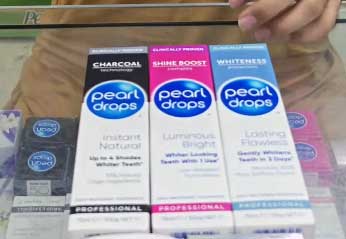
- Exceptional Polishing Action: The standout feature of this product is undoubtedly the “just-left-the-dentist” smoothness it delivers. Most toothpastes clean chemically, but this one uses Perlite, a natural mineral, to mechanically polish the tooth surface.3 This means that after every brush, your teeth feel slick and glass-like. This smoothness isn’t just for show; a smoother tooth surface actually makes it harder for new plaque and stains to latch on throughout the day. If you are someone who obsesses over the texture of your teeth and hates that “fuzzy” feeling that develops after lunch, this physical polishing action is a massive benefit that you will notice immediately.
- Effective Surface Stain Removal: If your teeth have been victimized by tea, coffee, or red wine, this paste is a heavy hitter. The formulation is specifically designed to tackle extrinsic stains—the ones that sit on top of the enamel. In my usage, I found it significantly better at lifting these daily discolorations than standard whitening pastes that rely solely on chemical bleaching agents which often take longer to work. By physically buffing the stain away, you reveal the natural brightness of the tooth underneath much faster. It effectively “resets” your smile after a day of staining foods, preventing them from setting in permanently.
- Enamel Strengthening Formula: Despite its polishing power, the product includes essential fluoride and plaque removers that help strengthen enamel.4 There is a common misconception that “polishing” means “stripping,” but this toothpaste is formulated to be low abrasion enough for daily use while still fortifying your teeth against decay.5 It contains Sodium Monofluorophosphate (1300 ppm F), which is the standard for cavity protection.6 You aren’t sacrificing health for beauty here; you get a robust anti-cavity toothpaste that happens to be an excellent whitener, making it a safe swap for your regular daily driver.
- Unique, Refreshing Flavor Profile: The taste is a distinct departure from the sickly sweet mints common in the US market. It has a sharp, medicinal-clean peppermint flavor that leaves the mouth feeling incredibly fresh for hours. It doesn’t leave a sugary aftertaste, which helps with the psychological feeling of cleanliness. This freshness aids in masking “coffee breath” effectively, which pairs perfectly with its stain-removing capabilities. For users who find standard toothpastes too cloying or artificial tasting, this crisp, professional flavor is a refreshing pro.
- Visible Results Without Bleach: For those who are sensitive to hydrogen peroxide or other harsh chemical bleaching agents, this is a fantastic alternative. It whitens primarily through abrasion and polishing rather than chemical reaction. This means you avoid the specific type of deep, nerve-shooting sensitivity that often comes with peroxide-based whitening strips or gels. It respects the biological structure of your tooth while maximizing its aesthetic potential through surface refinement. It’s a mechanical approach to whitening that feels safer for those wary of harsh chemicals.
Cons Of Pearl Drops Strong Polished White Toothpaste
- Runny Consistency: The most immediate drawback you will notice is the texture of the paste itself. It is significantly more liquid than standard American toothpastes. If you are used to a thick gel that sits firmly on the bristles, this can be frustrating. It has a tendency to drip off the toothbrush if you aren’t quick, and it can easily splatter on your bathroom mirror or sink if you turn the brush on before it’s in your mouth. This liquidity means you might waste some product purely by accident, and it requires a bit more dexterity to handle cleanly, especially early in the morning when you’re groggy.
- Potential for Sensitivity with Overuse: While it claims to be low abrasion, the physical polishing agents (Perlite) are still scrubbing your teeth. If you are naturally heavy-handed when you brush—meaning you press down hard—you might experience some sensitivity along the gum line over time. It is not chemically aggressive, but mechanically, it is doing work. People with already thin enamel or receding gums might find it a bit too intense for twice-daily use indefinitely. It sits in a grey area where it is safe for most, but definitely requires a gentler hand than a non-whitening gel.
- Messy Cap Design: Linked to the runny consistency is the packaging issue. The tube is designed to stand on its cap, which is great for space-saving, but because the product is fluid, it tends to pool in the cap. When you flip the lid open, you are often greeted with a glob of bright pink paste that smears onto the threads of the tube. Over time, this dries into a crusty, pink ring that is unappealing and messy. You have to be diligent about wiping the cap clean after every use, or it becomes a sticky nuisance that can stain your countertop if you aren’t careful.
- Not a Deep Bleaching Solution: It is crucial to manage expectations regarding how it whitens. This toothpaste removes surface stains beautifully, but it will not change your natural genetic tooth shade. If your teeth are naturally yellowish due to dentin color or age, this paste cannot chemically alter that deep pigmentation like a professional laser treatment or high-percentage peroxide tray would. It restores your teeth to their natural whiteness, not a blindingly fake white.7 Users expecting a chemically altered, veneer-white look will be disappointed because it stops working once the surface stains are gone.
- Availability and Price Point: Depending on where you live, Pearl Drops can be harder to find than the big giants like Colgate or Crest. It often commands a premium price point compared to standard family toothpastes. If you are on a tight budget, paying double or triple for a tube of toothpaste might feel excessive. Additionally, because the tube is often smaller (75ml is standard) and the product is runny, you might go through it faster than a standard 100ml+ tube of thick paste, making the cost-per-brush significantly higher.
Maintenance Tips For Pearl Drops Strong Polished White Toothpaste
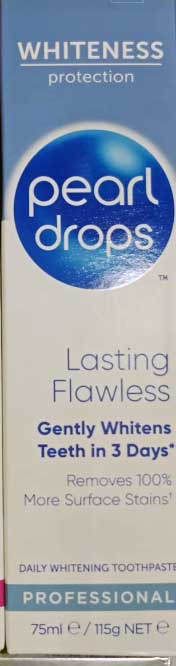
- Adopt the “White Diet” Post-Brushing: To maximize the polishing effects of Pearl Drops, you need to minimize the work it has to do. The most critical tip is to avoid deeply pigmented foods immediately after your morning brush.8 Your teeth are clean and the pellicle (the protein film on teeth) is reduced, making them slightly more susceptible to re-staining immediately. Try to avoid black coffee, dark berries, soy sauce, and red wine for at least 30 minutes after brushing. If you must have your morning brew, try drinking it through a straw to bypass your front teeth entirely. This simple mechanical barrier keeps the liquid away from the “social six”—your front teeth that everyone sees.
- Use a Soft-Bristled Brush Only: Because Pearl Drops uses physical polishing agents like Perlite, you do not need a hard or medium toothbrush. In fact, using a hard brush with this polishing paste could lead to over-abrasion and gum recession. Pair this toothpaste exclusively with a high-quality soft-bristled manual brush or an electric toothbrush with a pressure sensor. Let the paste do the scrubbing, not the bristles. The Perlite is effective enough that a gentle circular motion is all that is required to lift stains. This combination protects your enamel from being worn down while still getting that high-gloss finish.9
- Rinse with Water After Acidic Meals: Whitening toothpastes work best on strong enamel.10 If you eat acidic foods (like citrus fruits, vinaigrettes, or soda), your enamel temporarily softens.11 Brushing immediately with a polishing paste like Pearl Drops while the enamel is soft can actually cause damage. Instead, swish your mouth vigorously with plain water after eating acidic foods to neutralize the pH level. Wait about 30 to 60 minutes before brushing. This ensures the enamel has re-hardened, allowing the Pearl Drops to polish the surface safely rather than eroding the softened tooth structure.
- Alternate with a Sensitivity Paste: If you plan to use Pearl Drops long-term, consider a rotation strategy. Use Pearl Drops in the morning to polish away the night’s plaque and prep your smile for the day. Then, use a high-fluoride, non-whitening, sensitivity-focused toothpaste at night. This gives your teeth a break from the polishing agents and allows the nighttime paste to remineralize and soothe the nerves while you sleep. This “hybrid” approach allows you to maintain the whitening results without risking the chronic sensitivity that can sometimes occur with exclusive use of whitening products.
- Clean the Cap Regularly: This sounds trivial, but it saves product and mess. Because the formula contains Perlite and is pink, dried residue can prevent the cap from sealing airtight. If the cap doesn’t seal, the water content evaporates, making the remaining paste thick and gritty. Once a week, take a warm wet cloth and wipe down the nozzle and the inside of the cap. Keeping the seal tight ensures the consistency remains perfect from the first squeeze to the last, and prevents that unsightly pink crust from forming on your bathroom vanity.
Also Read: My Thought on BodyAccel Niacinamide Whitening Toothpaste
Comparison with Other Brands
Pearl Drops vs. Colgate Optic White
The primary difference here is the mechanism of action. Colgate Optic White relies heavily on chemical whitening, specifically Hydrogen Peroxide (usually around 2-5% in their retail formulas).12 It bleaches the tooth from the inside out and is excellent for changing the intrinsic shade of the tooth. However, this often comes with a high cost: sensitivity. Many users report “zings” or sharp pains with daily use.
Pearl Drops, on the other hand, uses a physical polish (Perlite).13 It doesn’t bleach the internal tooth structure; it buffs the surface. If your main issue is surface staining from coffee or tobacco, Pearl Drops will likely feel more effective and “cleaner.” If you have deep, genetic yellowing, Colgate might be the better (albeit harsher) choice. Texture-wise, Colgate is a standard gritty paste, whereas Pearl Drops is runnier and feels smoother during the brushing process.
Pearl Drops vs. Crest 3D White
Crest 3D White is the great all-rounder of the whitening world. It uses hydrated silica as an abrasive to scrub away stains.14 It is a very balanced toothpaste—good foam, standard mint flavor, and decent stain removal. However, it lacks the specific “polishing” sensation of Pearl Drops.
Pearl Drops feels more like a specialty beauty product compared to Crest’s “daily utility” vibe. Crest 3D White is often more abrasive in a traditional sense, which can feel scratchy to some. Pearl Drops’ Perlite particles are designed to be smoother, offering a high-gloss finish that Crest doesn’t quite replicate. If you want your teeth to feel smooth like glass, Pearl Drops wins. If you want a standard, easy-to-find paste that does a “good enough” job for the whole family, Crest is the safer bet.
Pearl Drops vs. Sensodyne Pronamel Gentle Whitening
Sensodyne is the gold standard for people with pain. Its whitening capability is significantly lower than Pearl Drops because it uses very low abrasion silica to protect vulnerable dentin. It focuses on hardening enamel and soothing nerves with potassium nitrate.
If you have sensitive teeth, Pearl Drops might be too aggressive for you to use twice daily. Sensodyne won’t give you that high-gloss, reflective shine that Pearl Drops does, nor will it remove heavy smoker or coffee stains as rapidly. However, it is much safer for compromised teeth. A great strategy is to use Sensodyne as your daily driver and Pearl Drops as a “treatment” paste two or three times a week to keep stains at bay without causing pain.
Frequently Asked Questions (FAQ)
While recommendations vary by dentist and country, Colgate Optic White is frequently cited as the #1 recommended brand for chemical whitening due to its hydrogen peroxide content.15 However, for surface stain removal and polishing without bleaching agents, Crest 3D White often holds the top sales spot. Pearl Drops is highly recommended specifically for its polishing capability rather than bleaching.
Yes, generally speaking. “Pearly white” usually refers to the Pearl Drops brand or the desired result. Pearl Drops toothpaste specifically is excellent for removing surface stains and achieving a high-gloss, smooth finish on the enamel.16 It is safe for daily use and effective for coffee and tea drinkers, though it will not change your natural genetic tooth shade.17
You should use Pearl Drops toothpaste twice daily, just like your regular toothpaste. It is formulated with fluoride and plaque removers to replace your standard oral care product.18 For the best results, brush for two minutes morning and night. If you experience sensitivity, you can reduce usage to once a day or every other day.
Pearl Drops whitens teeth primarily through mechanical abrasion and polishing. It uses a mineral called Perlite (and sometimes other polishing agents) to physically scrub away extrinsic stains caused by food, drink, and tobacco.19 It buffs the enamel surface to a high shine, which reflects light better and makes teeth appear brighter and whiter, rather than chemically bleaching the tooth structure.
Conclusion
So, is Pearl Drops Strong Polished White toothpaste worth the swap? If you crave that ultra-smooth, glass-like texture on your teeth and want to banish surface stains without resorting to harsh bleaches, the answer is a resounding yes. It offers a unique cleaning experience that feels more like a beauty treatment than a chore.