
We live in an age where our livers are constantly under siege. Between processed foods, weekend drinks, environmental toxins, and the stress of modern living, your body’s primary filtration system often takes a beating without you even realizing it. You might be feeling sluggish, waking up with brain fog, or just sensing that your digestion isn’t what it used to be. In your search for a natural reset, you have likely come across OxyEnergy Milk Thistle, a supplement that claims to be more than just a standard herbal extract. With its “New Zealand Made” badge and a formula that includes extra support ingredients like Pueraria and Inositol, it promises a premium detox experience.
But in a market flooded with cheap liver supplements and generic extracts, is OxyEnergy actually offering something superior, or are you just paying extra for fancy packaging and a Kiwi origin story? In this comprehensive review, I am going to walk you through a deep analysis of OxyEnergy Milk Thistle. I will break down its unique ingredient profile, share a realistic user experience, and compare it directly to the heavy hitters in the industry. My goal is to help you cut through the marketing noise and decide if this is the right tool to help you reclaim your energy and liver health.
My Experience With OxyEnergy Milk Thistle
I decided to try OxyEnergy Milk Thistle after a particularly indulgent holiday season left me feeling heavy, bloated, and constantly tired. I have used standard milk thistle supplements from the grocery store before, but I never really “felt” anything happening. They were just pills I swallowed hoping for the best. What drew me to OxyEnergy was the additional ingredients; I had read about Inositol for cell health and Pueraria (Kudzu root) for alcohol metabolism, and the idea of a synergistic blend sounded more promising than a single-ingredient capsule.
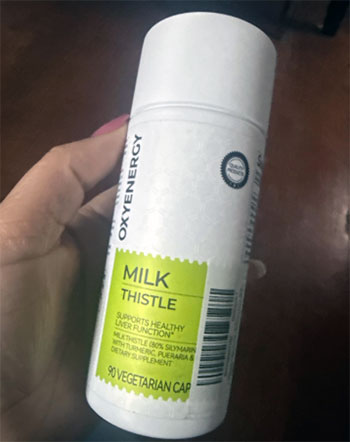
Ordering the product was straightforward, though I noticed it wasn’t as widely available on every single platform as the big American brands, which made it feel a bit more exclusive.
When the bottle arrived, the first thing that struck me was the branding. It feels cleaner and more “medical-grade” than the herbal aesthetic many other brands go for.
The “FernMark” license—a sign of official New Zealand government accreditation—gave me an immediate sense of trust that I wasn’t buying some unregulated mystery powder.
I started taking one capsule daily with my breakfast as recommended. The capsules are vegetarian and standard-sized, not the massive “horse pills” that some liver support blends tend to be.
This was a huge plus for me, as I often struggle with swallowing large supplements. There was no weird aftertaste or herbal burps, which I have definitely experienced with cheaper thistle products in the past.
For the first week, I honestly didn’t notice much of a difference. I was still hitting that 3 PM slump, and my digestion was still a bit erratic. However, I reminded myself that liver repair is a marathon, not a sprint. I stuck with the routine, ensuring I drank plenty of water to help the detox process along.
By the start of the third week, subtle changes began to appear. The most rigorous test came after a friend’s birthday dinner where I had a couple of glasses of wine and a heavy meal. Usually, I would wake up the next day feeling groggy and dehydrated, but this time, I woke up feeling surprisingly clear-headed. It wasn’t a “magic cure” for a hangover, but the recovery time felt significantly shorter.
As I finished the first month, my general energy levels felt more stable. The bloating that usually plagued me after lunch had subsided considerably. I didn’t feel “superhuman,” but I felt “cleaner”—like my internal machinery was finally running without grit in the gears. The inclusion of Vitamin C in the formula likely helped with this general feeling of wellness.
However, it wasn’t a perfect experience. I did find the price point to be a bit higher than what I would usually pay for a monthly supply of milk thistle. Also, on days where I took the capsule on an empty stomach, I felt a slight twinge of nausea, so I learned strictly to pair it with food. Overall, OxyEnergy felt like a distinct upgrade from the generic options, providing a noticeable “lift” in my daily well-being that convinced me the specific blend of ingredients was doing its job.
Read More: My Thoughts On Akka Liver Detox
Pros Of OxyEnergy Milk Thistle
When you strip away the marketing, there are several tangible benefits to this specific formulation that set it apart from the sea of generic liver supplements. Here is a detailed breakdown of why this product might be the superior choice for your health regimen.
- Synergistic “Plus” Formula: Most liver supplements on the market are just plain milk thistle extract, maybe standardized to 80% silymarin if you are lucky. OxyEnergy distinguishes itself by combining 300mg of Milk Thistle with a team of supporting players: Inositol, Pueraria (Kudzu root), Vitamin C, and L-Methionine. Pueraria is particularly interesting because it has been used traditionally to help the body metabolize alcohol more efficiently, making this blend specifically targeted at modern lifestyle stressors rather than just general liver health. Inositol aids in fat metabolism within the liver, addressing the “sluggish” feeling that often comes from a fatty diet. This multi-angle approach means you are attacking toxins through several biological pathways simultaneously, rather than relying on a single herb to do all the heavy lifting.
- Trusted New Zealand Origin and Standards: In the supplement industry, source matters immensely. OxyEnergy is a New Zealand-based company that carries the “FernMark” license, which is a government-accredited seal of approval. This implies that the product meets stringent New Zealand manufacturing and safety standards, which are often stricter than those in other parts of the world. For a consumer, this eliminates the “purity anxiety” that comes with buying supplements online. You can be reasonably confident that the bottle contains exactly what the label says, without hidden heavy metals or fillers that are common in cheaper, unregulated products. Knowing the product comes from a country with a reputation for pristine natural resources adds a layer of psychological comfort to your detox journey.
- Enhanced with L-Methionine for Detox Pathways: The inclusion of L-Methionine is a sophisticated touch that many competitors overlook. L-Methionine is an essential amino acid that plays a critical role in the production of glutathione, the body’s “master antioxidant.” While milk thistle protects liver cells from damage, glutathione is what actually binds to toxins and escorts them out of the body. By providing the raw precursor for glutathione, OxyEnergy isn’t just shielding your liver; it is actively fueling the detoxification engine. This makes the supplement more effective for people dealing with high toxic loads from pollution or poor diet, as it replenishes the specific nutrient used up during the detox process.
- Vegetarian and Allergen-Conscious Formulation: The product is designed to be accessible to a wide range of dietary needs. The capsules are plant-based (vegetarian), avoiding the bovine gelatin that is common in softgels. Furthermore, the formula is typically free from common allergens like gluten, dairy, and soy. This “clean label” approach ensures that while you are trying to detox your liver, you aren’t inadvertently inflaming your gut with allergens. It shows a level of thoughtfulness in the formulation process that prioritizes long-term health over cheap manufacturing shortcuts.
Cons Of OxyEnergy Milk Thistle
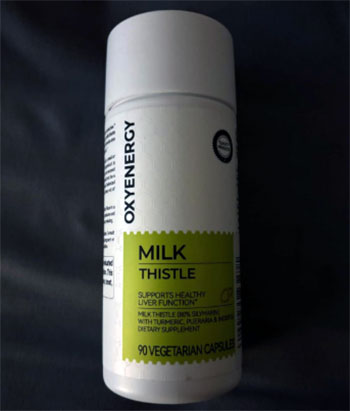
Despite the high-quality ingredients and strong branding, there are legitimate downsides to this product that potential buyers need to weigh. It is not a perfect solution for everyone, and certain factors might make it less appealing than a standard drugstore option.
- Premium Price Point: Quality comes at a cost, and OxyEnergy is definitely positioned in the premium tier of the market. When you compare the cost per serving to a standard bulk bottle of NOW Foods or Swanson milk thistle, OxyEnergy is significantly more expensive. You are paying for the imported status, the added ingredients like Pueraria, and the New Zealand certification. For someone on a tight budget who just wants basic liver maintenance, this higher recurring cost might be hard to justify. If you plan to take liver support year-round, that price difference adds up to hundreds of dollars over the course of a year.
- Availability and Shipping Limitations: Unlike massive global brands that are stocked in every pharmacy and grocery store from London to Los Angeles, OxyEnergy can be harder to find physically. It is primarily sold through online marketplaces (like Lazada, Shopee, Noon, or specific health sites) and its own website. This means you often have to plan your supply in advance and deal with shipping times. If you run out suddenly, you cannot just drive to the local shop to pick up a refill. Depending on your region, you might also face import duties or higher shipping fees that further inflate the cost.
- Potential for Additives in Capsule Shell: While the active ingredients are impressive, some ingredient lists for OxyEnergy products (depending on the specific batch or region) have listed additives like artificial colors or bulking agents like maltodextrin. For a product marketed as a “detox” tool, the presence of any artificial coloring or unnecessary fillers can be a contradiction that frustrates purists. You have to be diligent about reading the specific label on the bottle you receive, as formulations can vary slightly by market. This lack of 100% “clean label” consistency across all markets is a minor red flag for the hyper-health-conscious consumer.
- Results Require Patience: Because this is a natural, synergistic formula rather than a high-dose pharmaceutical, the effects are cumulative and subtle. You are unlikely to feel a “buzz” or an immediate shift in digestion within the first few days. Some users might mistakenly believe the product isn’t working because they don’t feel different in week one. It requires a commitment to a full month of usage to see the real benefits in skin clarity and energy. If you are looking for an instant “hangover cure” pill, this might disappoint you, as it is designed for long-term repair rather than acute symptom masking.
Maintenance Tips For OxyEnergy Milk Thistle
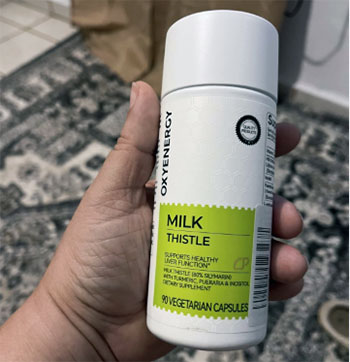
To get the most value out of your investment in OxyEnergy, you need to use it correctly. A supplement is only as good as your consistency and storage habits. Here are detailed tips to ensure you are maximizing the potency of every capsule.
- Strategic Timing with Meals: Milk thistle and its accompanying fat-soluble compounds are best absorbed when there is some food in your stomach. Taking OxyEnergy with breakfast or dinner ensures that your digestive system is active and ready to uptake the silymarin and vitamin C. Avoid taking it on a completely empty stomach, as the concentrated herbal extracts can sometimes cause mild nausea or “herbal burps” in sensitive individuals. Making it a part of your mealtime ritual also helps with habit stacking, ensuring you never forget a dose.
- Hydration is the Detox Vehicle: Supplements like this mobilize toxins, but water is what flushes them out of your system. While taking this product, you should aim to increase your daily water intake significantly. Think of the supplement as the soap scrubbing the floor, and water as the hose rinsing the dirt away. Without adequate water, you might experience headaches or sluggishness as the mobilized toxins circulate without an exit route. Aim for at least 2-3 liters of water a day to support the kidney and liver function that the supplement is boosting.
- Store in a Cool, Dark Place: The active compounds in milk thistle (silymarin) and Vitamin C can be sensitive to heat and light degradation. Do not leave the bottle on a sunny windowsill or in a hot car. The best place for it is inside a medicine cabinet or a pantry drawer where the temperature remains stable. If you live in a very humid tropical climate, ensure the lid is screwed on tightly after every use to prevent moisture from getting into the bottle and clumping the powder inside the capsules. Proper storage ensures that the last capsule in the bottle is just as potent as the first one.
- Cycle the Supplement: While milk thistle is generally safe for long-term use, many herbalists recommend cycling liver support supplements to prevent the body from adapting too much. A common protocol is to take the supplement consistently for three months, then take a two-week break. This “pulse” method allows your body to reset and maintain its own natural baseline function. During the break, pay attention to how you feel—this acts as a good litmus test to see how much the supplement was actually helping your energy and digestion.
Comparison with Other Brands
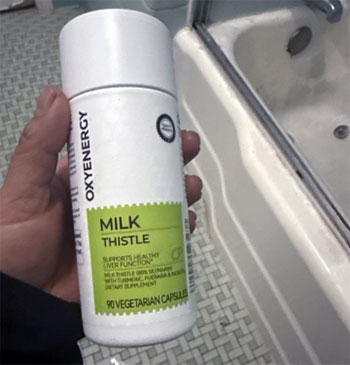
The liver supplement market is crowded, and to truly understand OxyEnergy’s value, we must compare it to the industry titans. Here is how it stacks up against three major competitors.
- Life Extension Advanced Milk Thistle: Life Extension is a science-heavy brand known for high bioavailability. Comparison: Life Extension uses a proprietary “phospholipid delivery system” (Phytosome) to help the milk thistle absorb into the bloodstream much better than standard extracts. OxyEnergy does not explicitly claim a liposomal or phospholipid delivery method, but it counters with the “synergistic” approach of adding Pueraria and Inositol. If your only goal is maximizing silymarin absorption, Life Extension is scientifically superior. However, if you want a broader “liver lifestyle” support that includes alcohol metabolism help (via Pueraria) and fat metabolism (via Inositol), OxyEnergy offers a more well-rounded formula. Life Extension is a sniper rifle; OxyEnergy is a shotgun.
- NOW Foods Double Strength Silymarin: NOW Foods is the king of affordability and reliability. Comparison: NOW Foods offers a higher raw dosage of milk thistle (often 450mg to 600mg) for a significantly lower price. It is a no-frills, high-potency product available everywhere. OxyEnergy typically contains around 300mg of extract, which is lower than NOW’s double strength. However, NOW Foods is just milk thistle (often with dandelion or artichoke). It lacks the L-Methionine and Vitamin C that OxyEnergy provides for the actual detoxification phase. If you are on a budget and just want raw horsepower, choose NOW. If you want a more sophisticated blend that supports the process of detox, OxyEnergy justifies the extra cost.
- Swanson Milk Thistle: Swanson is known for being budget-friendly and having a massive variety of products. Comparison: Swanson’s standard milk thistle is extremely basic—often just the herb powder or a simple extract. The quality control is decent, but it doesn’t carry the “New Zealand Made” premium cachet or the specific “FernMark” trust signal. OxyEnergy feels like a much cleaner, more premium product in hand compared to the utilitarian Swanson bottles. Swanson is great for a “maintenance” dose that costs pennies a day. OxyEnergy is better suited for a “repair” cycle where you are willing to pay more for a cleaner, verified origin product during a specific detox month (like Dry January).
Also Read: My Thoughts On UpWellness Ultra Liver
Frequently Asked Questions (FAQ)
The optimal time to take it is with a meal. Breakfast is often the most popular choice because it sets your liver up for the day’s metabolic tasks. However, if you are planning on having alcohol in the evening, taking it with dinner can provide immediate support for the liver as it processes the alcohol. The key is consistency—choose a meal you never skip and anchor the habit to that.
For most people, it is very well tolerated, but mild digestive changes can occur. You might experience loose stools or mild bloating in the first few days as your body adjusts to the bile-stimulating effects of the herbs. Rarely, people with allergies to plants in the ragweed/daisy family might experience an allergic reaction. The inclusion of Vitamin C and Inositol is generally safe, but if you have a sensitive stomach, the acidity of Vitamin C might be noticeable on an empty stomach.
While supplements cannot cure a disease, the ingredients in OxyEnergy are specifically supportive of liver fat metabolism. Inositol is a key nutrient that helps the liver process fats and prevents them from accumulating in the liver cells. Milk Thistle (Silymarin) acts as an antioxidant that reduces the inflammation often associated with fatty liver. Combined with a healthy diet and exercise, this specific blend is better targeted at liver fat issues than plain milk thistle alone.
Yes, and the inclusion of Pueraria (Kudzu root) actually makes it a smart choice for drinkers. Pueraria has been traditionally used to help the body break down acetaldehyde, the toxic byproduct of alcohol metabolism. Taking OxyEnergy before or after drinking may help mitigate some of the oxidative stress placed on the liver. However, it is not a “hall pass” to drink excessively; it is a support tool to minimize damage.
Conclusion
OxyEnergy Milk Thistle successfully bridges the gap between basic herbal extracts and high-end functional medicine. By combining the proven liver-protecting power of Silymarin with the metabolic support of Inositol, Pueraria, and L-Methionine, it offers a “whole system” approach to detoxification that is rare in its price bracket. The New Zealand origin adds a layer of trust and quality assurance that makes the premium price tag feel justified.
If you are looking for a simple, cheap pill just to say you are taking something, there are more affordable options like NOW Foods. But if you are feeling the specific drag of modern toxicity—sluggishness, brain fog, and slow recovery after a night out—OxyEnergy provides a sophisticated, synergistic solution that actually works. It is a worthy investment for anyone serious about hitting the “reset” button on their health.