
We have all experienced the sheer panic of “sandal season” approaching. You look down at your feet and realize your heels look less like skin and more like a dried-out riverbed. You want smooth, soft feet, but the idea of sitting around with messy creams on your hands or wrapping your feet in plastic wrap feels like a chore you just don’t have time for. You have likely seen the Onyx Professional Cracked Heel Stick in the checkout aisle at Target or Walmart, with its bright packaging promising a “mess-free” solution to your callus woes. It looks incredibly convenient—a giant chapstick for your feet—but can a simple balm really fix years of neglect, or is it just a scented wax that sits on top of the problem?
In this comprehensive review, I am going to walk you through the reality of the Onyx Cracked Heel Stick. I will break down the ingredient profile, the actual “mess-free” claims, and how it holds up against the heavy-duty medical balms on the market. We will analyze whether the petrolatum-based formula is enough to heal deep fissures or if it is merely a surface-level moisturizer. Whether you are a runner with battered feet or just someone tired of snagging your socks on rough skin, this guide is designed to help you decide if this budget-friendly stick is the miracle cure your feet have been waiting for.
My Experience With Onyx Cracked Heel Stick
I decided to pick up the Onyx Professional Cracked Heel Stick (specifically the Eucalyptus Mint version) on a whim during a Target run. My heels were in that awkward “pre-crack” stage—white, chalky, and rough to the touch. I usually use heavy tub creams, but I hate the greasy residue they leave on my hands, so the idea of a roll-on applicator was the main selling point for me.
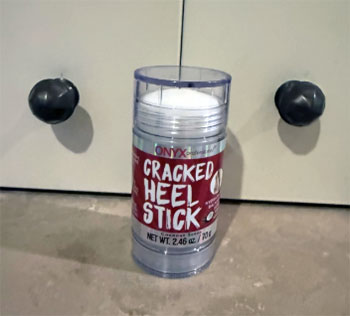
The packaging is cute and compact, fitting easily into a nightstand drawer.
When I popped the cap, the scent was the first thing that hit me.
It wasn’t the overpowering medicinal smell of menthol you get from some foot creams; it was a lighter, spa-like mint that felt refreshing rather than clinical.
I twisted up the balm and applied it directly to my heel.
The “glide” was impressive. It felt rich and thick, melting slightly upon contact with my warm skin.
True to the marketing, I didn’t have to touch the product at all. I swiped it on my heels, the balls of my feet, and even a rough patch on my ankle without getting a single drop of grease on my fingers. This was a massive win for my sensory issues.
However, the “mess-free” claim only applies to your hands. Once the product is on your feet, it is heavy. It sits on the skin like a thick layer of occlusive wax. I made the mistake of walking barefoot on my hardwood floors immediately after applying, and I left cartoon-like footprints everywhere. It is definitely slippery. I quickly learned that this is strictly a “socks on” product.
For the first few nights, I applied it generously and put on cotton socks before bed. The results in the morning were surprisingly good. The chalky white dryness was completely gone, and my heels felt pliable and soft. It didn’t exfoliate the dead skin away—my calluses were still there—but they were moisturized enough that they stopped snagging on my sheets.
After two weeks of nightly use, my feet looked significantly better maintenance-wise. However, I did notice that if I skipped a night, the dryness returned almost immediately. This balm seems to act as a fantastic barrier to lock moisture in, but it doesn’t seem to actively repair or remove the dead skin like a urea cream would. It is a maintenance tool, not a resurfacing tool.
One minor annoyance was the packaging mechanism. Toward the end of the stick, the twist-dial became a bit loose, and the balm would slide back down if I pressed too hard. But for a product that costs less than a fancy coffee, it was a minor grievance in an otherwise solid experience.
Read More: My Thoughts On Tineacide Antifungal Cream
Pros Of Onyx Cracked Heel Stick
When evaluating this product against the tub-style creams and medical ointments, there are clear advantages that make it a staple for many households. It prioritizes convenience and sensory comfort over aggressive chemical treatment.
- True Mess-Free Application: The stick format is the undisputed champion feature of this product. Unlike tubs or tubes that require you to scoop goop out with your fingers and massage it in, the Onyx stick applies exactly like a deodorant or lip balm. You never have to get your hands greasy, which means you can apply it right before bed without needing to get up and wash your hands. For people with sensory processing issues who hate the feeling of lotion on their palms, this is a game-changer. It encourages consistency because it removes the “ick factor” of the application process.
- Powerful Occlusive Moisture Barrier: The formula is primarily based on Petrolatum, Beeswax, and Shea Butter. These are heavy occlusives, meaning they physically seal the skin to prevent water loss. While it might not chemically digest dead skin, it provides an incredibly strong shield against the environment. This is particularly effective for preventing “fissures” (deep cracks) from splitting open further by keeping the tissue flexible and soft. It works excellently as a preventative measure for runners or people who are on their feet all day, acting almost like a lubricant to reduce friction.
- Pleasant, Spa-Like Aromatherapy: Foot care products often smell like aggressive medicine (camphor or heavy menthol). Onyx offers scents like Eucalyptus Mint, Coconut, and Citrus that are genuinely pleasant. The scent is subtle enough not to irritate sensitive noses but noticeable enough to make your feet smell fresh. It transforms the routine from a medical necessity into a small self-care ritual. If you are self-conscious about foot odor, the pleasant fragrance is a nice bonus alongside the moisturizing properties.
- Extremely Budget-Friendly: In a market where specialized foot treatments like Kerasal or Baby Foot can cost $15 to $25, the Onyx stick is a bargain. It typically retails for around $7 to $9, and often less at discount stores. Considering the stick lasts for a month or more of daily use, the cost-per-application is pennies. It allows you to keep one in your gym bag, one in your nightstand, and one in your travel kit without breaking the bank. It is an accessible entry point for anyone wanting to start a foot care routine.
Cons Of Onyx Cracked Heel Stick
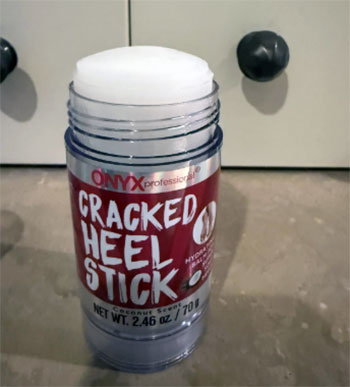
While it is convenient, it is not a medical miracle worker. There are limitations to what a wax-based balm can do compared to more advanced chemical formulations.
- Does Not Remove Dead Skin (No Exfoliation): The biggest drawback is that the formula lacks potent exfoliants like high-concentration Urea or Salicylic Acid. It moisturizes the dead skin, but it doesn’t remove it. If you have thick, yellow calluses, this stick will just make them soft yellow calluses; it won’t dissolve them. You will still need to use a pumice stone or a separate chemical peel to actually get rid of the buildup. It is a “conditioner,” not a “remover.” For severe, thick cracking, this might not be aggressive enough to solve the root problem.
- Greasy and Slippery on Floors: Despite the “mess-free” claim regarding your hands, the product remains greasy on your feet. The petrolatum base does not absorb quickly; it sits on top of the skin. If you apply this and try to walk on tile or hardwood, you are a fall risk. It leaves oily footprints that can be dangerous and hard to clean off floors. It essentially mandates that you wear socks immediately after application, which might be uncomfortable for hot sleepers in the summer.
- Stick Mechanics Can Be Flimsy: As with many budget twist-up products, the packaging is not indestructible. Several users report that the balm can detach from the base if twisted up too high, causing it to fall out. Others note that the retraction mechanism can break, meaning you can’t twist the stick back down once it is up. Because the balm is soft (it is essentially oil and wax), if you leave it in a hot car or a sunny window, it will melt and leak out of the casing, creating a massive mess.
- Temporary Results Requiring Daily Use: Because it works by creating a barrier rather than changing the skin structure, the results are often transient. If you stop using it for two days, your heels will likely return to their dry state. It doesn’t “cure” dry skin in the way that some penetrating ceramide creams might; it just manages the symptoms. You are committing to a forever routine rather than a treatment plan with an end date.
Maintenance Tips For Onyx Cracked Heel Stick
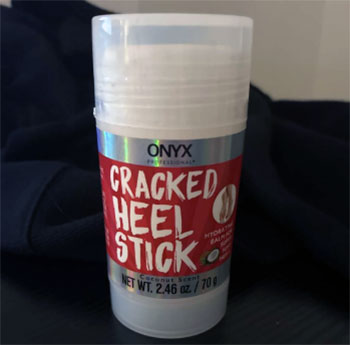
To get the most out of this budget balm, you need to use it strategically. It works best as part of a broader foot care system rather than a standalone magic wand.
- The “Soak and Seal” Method: The balm works best when it traps moisture that is already there. Apply the stick immediately after a shower or bath while your skin is still slightly damp and soft. The petrolatum will lock in that water, hydrating the skin far better than applying it to bone-dry feet. If you apply it to dry, dirty feet, you are just sealing in the dryness. Think of it as a sealant, not a water source.
- Pair with Physical Exfoliation: Since the stick doesn’t exfoliate, you need to do that manually. Once or twice a week, use a foot file or pumice stone in the shower to buff away the dead skin. Follow up immediately with the Onyx stick to soothe the fresh skin underneath. This combination allows the balm to penetrate deeper rather than just sitting on top of a layer of dead armor. Regular exfoliation prevents the “buildup” that can happen when layering wax over dead skin repeatedly.
- Wear Breathable Cotton Socks: To prevent the grease from getting on your sheets and to aid absorption, wear socks. Cotton or bamboo socks are best because they allow your feet to breathe while keeping the product in contact with your heels. Avoid synthetic socks which might make your feet sweat excessively, leading to a slimy feeling inside the sock. Putting the socks on right away also prevents you from slipping on the floor.
- Keep the Cap Clean: Over time, skin flakes and lint can accumulate on the rim of the stick or inside the cap. Wipe the top of the balm and the rim of the plastic container with a tissue once a week to keep it hygienic. If you apply it to feet that haven’t been washed recently, you are transferring bacteria back onto the stick. Ideally, only apply it to clean feet to keep the product fresh for its entire lifespan.
Comparison with Other Brands
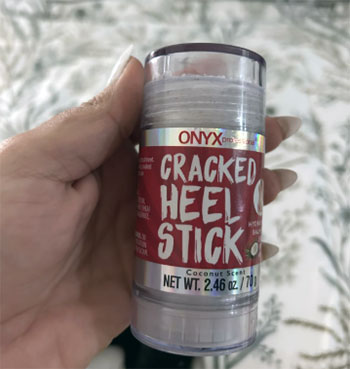
Onyx is popular, but is it the best? Comparing it to the medical-grade giants helps clarify who this product is actually for.
- Dr. Scholl’s Severe Cracked Heel Balm: The heavy-duty medical option. Comparison: Dr. Scholl’s typically contains 25% Urea and Epsom salts. Urea is a powerhouse ingredient that dissolves dead skin cells and draws moisture deep into the dermis. Onyx is mostly oils and wax. Dr. Scholl’s will actually reduce the thickness of your calluses over time; Onyx will just soften them. Dr. Scholl’s is more expensive and smells slightly medicinal. If your heels are bleeding or painful, Dr. Scholl’s is the medical tool you need. If you just have dry “winter feet,” Onyx is sufficient.
- O’Keeffe’s Healthy Feet Foot Cream: The non-greasy champion. Comparison: O’Keeffe’s is famous for its high glycerin content, which boosts hydration without the heavy slickness of petrolatum. O’Keeffe’s absorbs much faster and has a “grippy” rather than greasy finish. Onyx is definitely greasier and heavier. However, Onyx’s stick format is cleaner to apply than O’Keeffe’s tub (though O’Keeffe’s does have a tube option now). If you hate the feeling of greasy feet in socks, O’Keeffe’s is superior. If you want that heavy, occlusive barrier to sleep in, Onyx is better.
- Kerasal Intensive Foot Repair: The chemical peel in a tube. Comparison: Kerasal is an ointment that uses Salicylic Acid and Urea to aggressively exfoliate. It basically melts the calluses off your feet. It is significantly more potent than Onyx. You can see results with Kerasal in 1-2 days, whereas Onyx takes weeks. However, Kerasal is expensive ($15 for a tiny tube) and is very greasy (it’s basically Vaseline + Acid). Use Kerasal for a weekend overhaul to fix bad feet; use Onyx for daily maintenance to keep them nice.
Also Read: My Thoughts On Bandoo Foot Pads
Frequently Asked Questions (FAQ)
For the best results, you should use it daily, preferably at night before bed. Consistency is key with this type of balm. If you have severe cracks, you can apply it twice a day (morning and night), but remember to wear socks during the day to prevent slipping in your shoes.
It softens calluses but does not remove them. Because it lacks strong exfoliating acids, it will make the hard skin feel pliable and less scratchy, but the extra skin will still be there. You should use a pumice stone in conjunction with the stick to actually reduce the size of the callus.
Yes, it is quite greasy on the skin. The primary ingredients are Petrolatum and Mineral Oil, which do not dry down quickly. While the application is mess-free for your hands, your feet will feel slippery. It is highly recommended to wear socks immediately after applying it to protect your floors and bedding.
The formula typically includes Petrolatum, Mineral Oil (Paraffinum Liquidum), Ceresin, Synthetic Beeswax, and Shea Butter. Depending on the scent, it may also contain Coconut Oil, Eucalyptus Oil, or Spearmint Oil. It is essentially a blend of occlusive waxes and oils designed to seal in moisture.
Conclusion
The Onyx Professional Cracked Heel Stick is the ultimate “maintenance” tool for your feet. It is affordable, incredibly easy to use, and smells fantastic. While it lacks the medical-grade exfoliating power to cure deep, painful fissures on its own, it excels at keeping reasonably healthy feet soft and sandal-ready.
If you are looking for a low-effort way to upgrade your nightly routine without getting your hands messy, this stick is a winner. Just grab a pair of cotton socks, apply it after your shower, and enjoy waking up to feet that feel like they have been to the spa—without the spa price tag.